





Find out what your child needs most right now. Answer 6 quick questions and get a free personalised play plan. The one area where your child is most ready to grow, and the specific Hub programs to match.
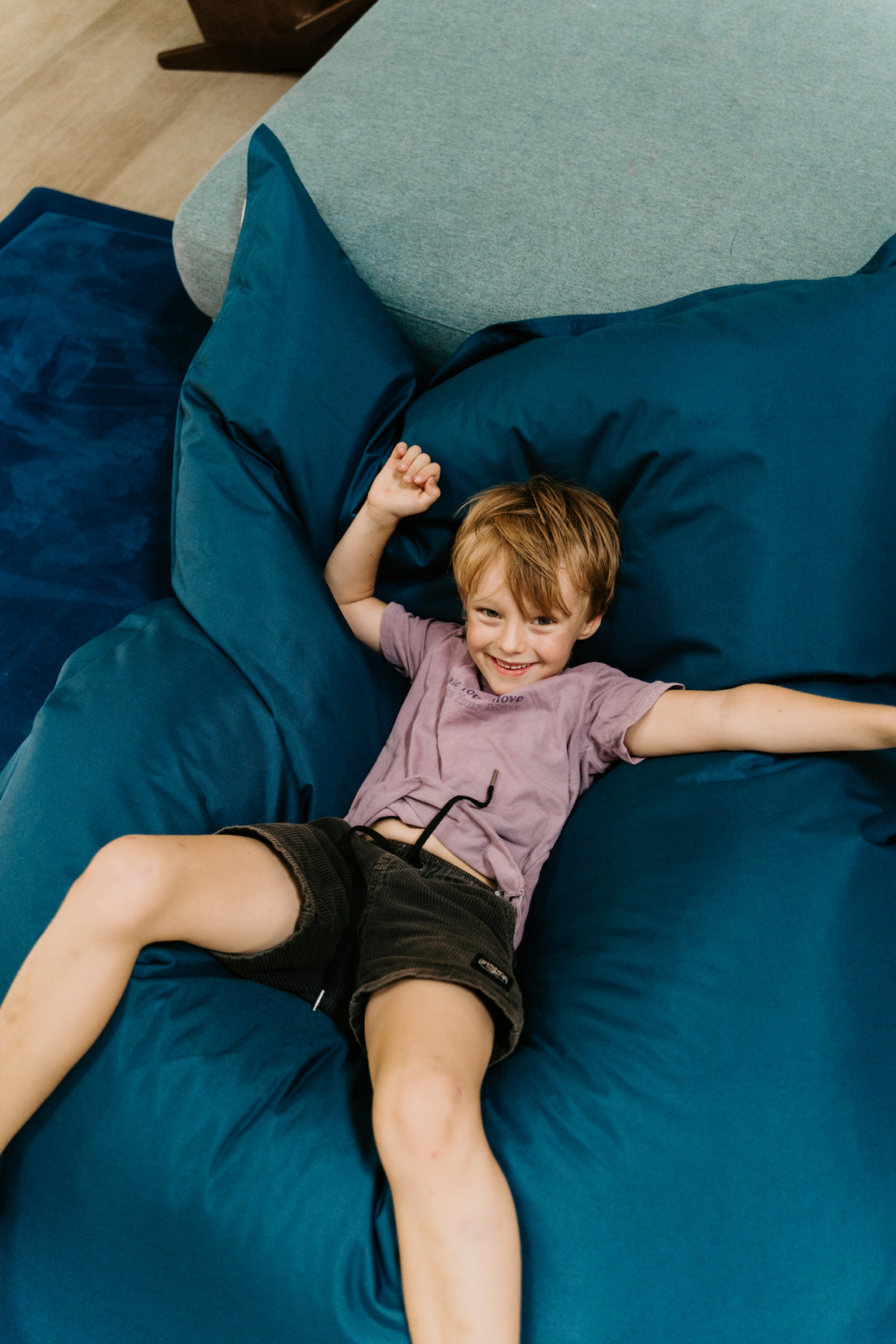
A moment like this
Don't know where to start? Take our free regulation quiz here!
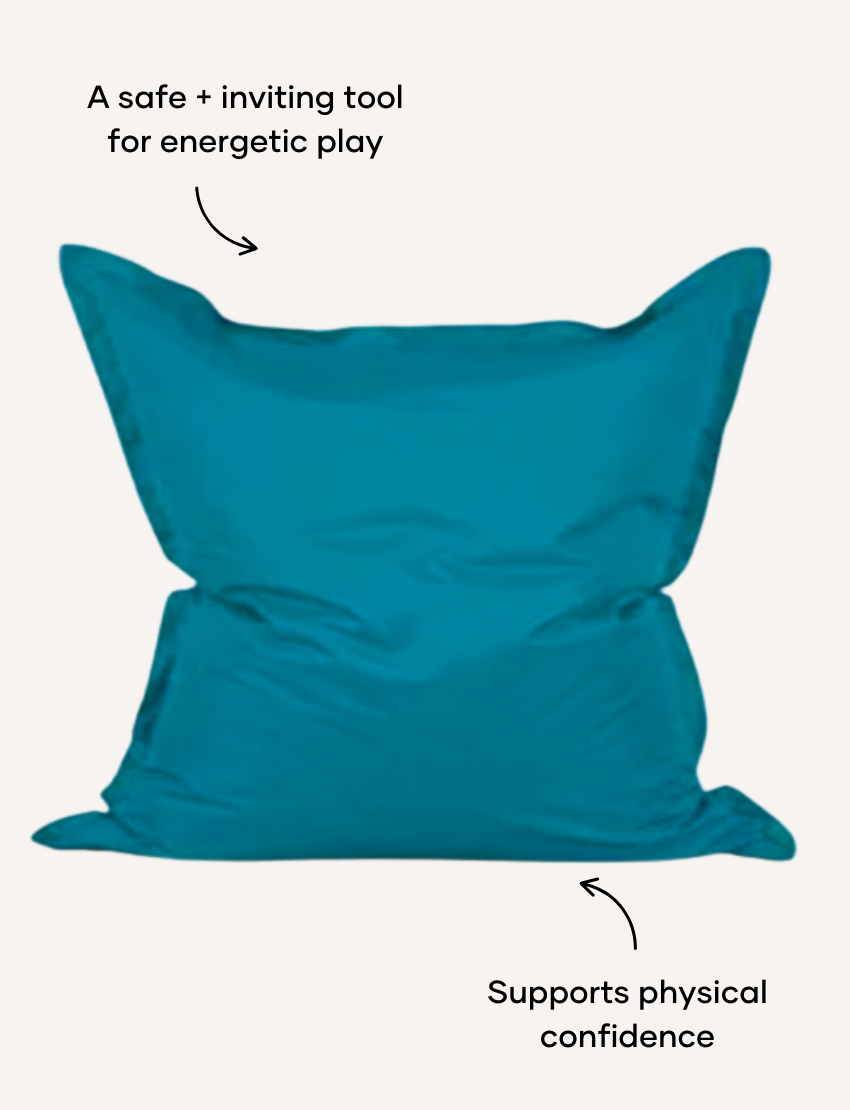
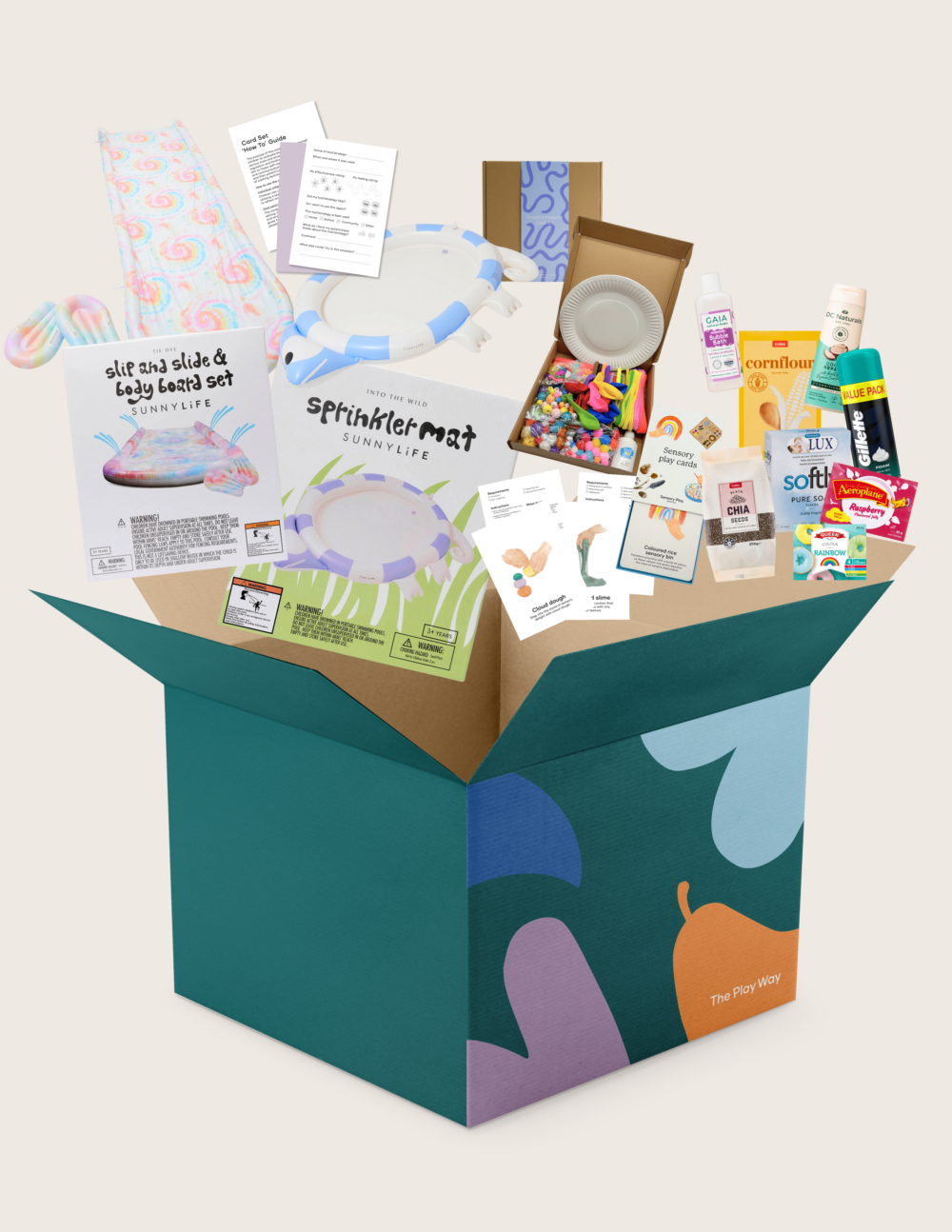
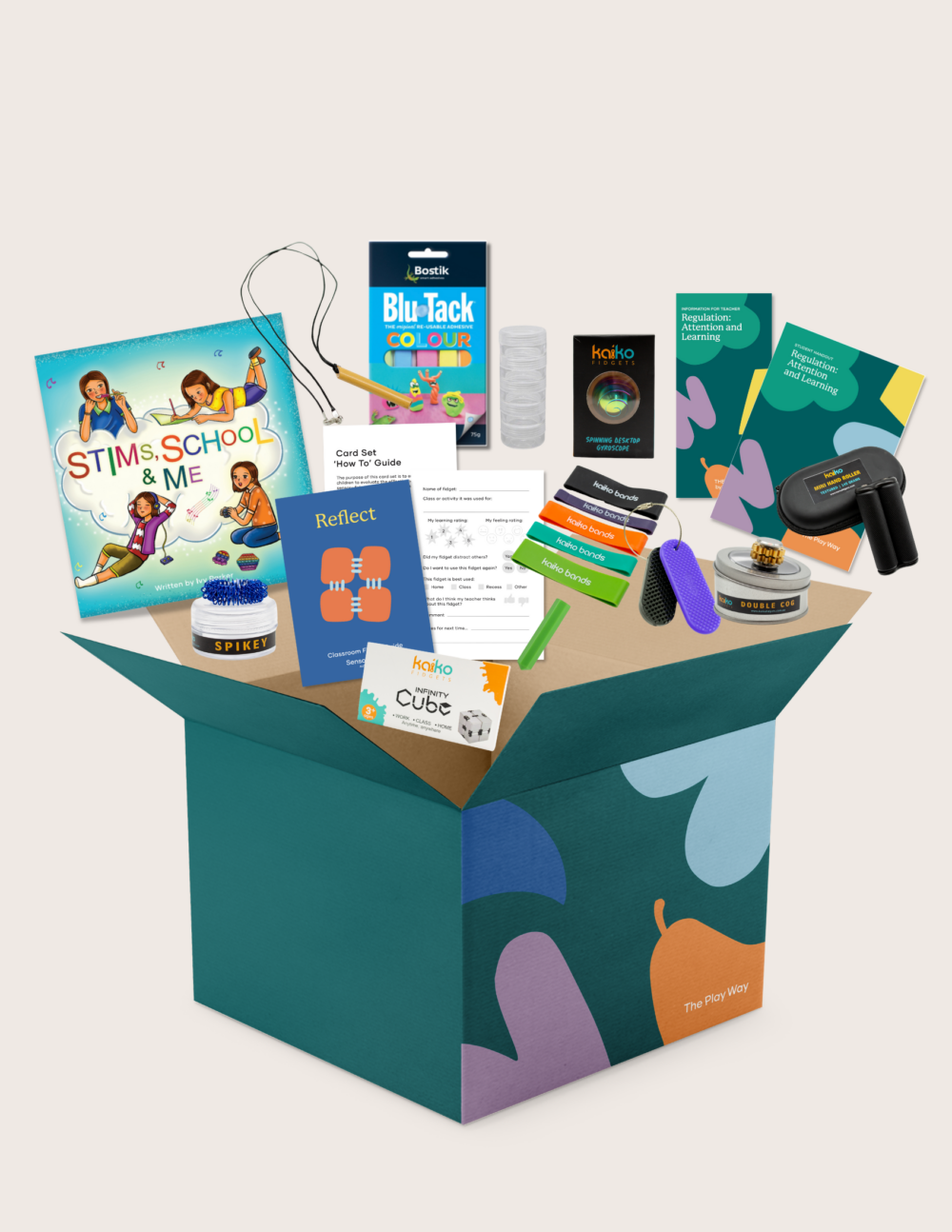
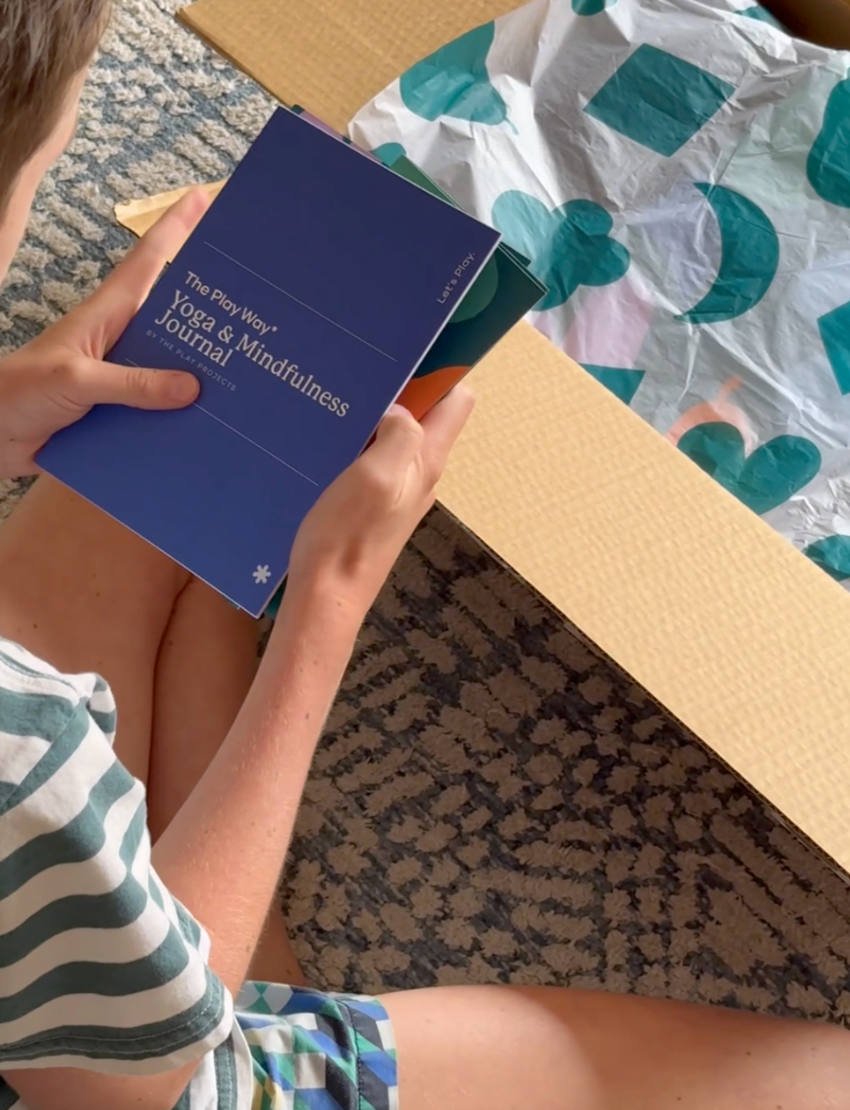
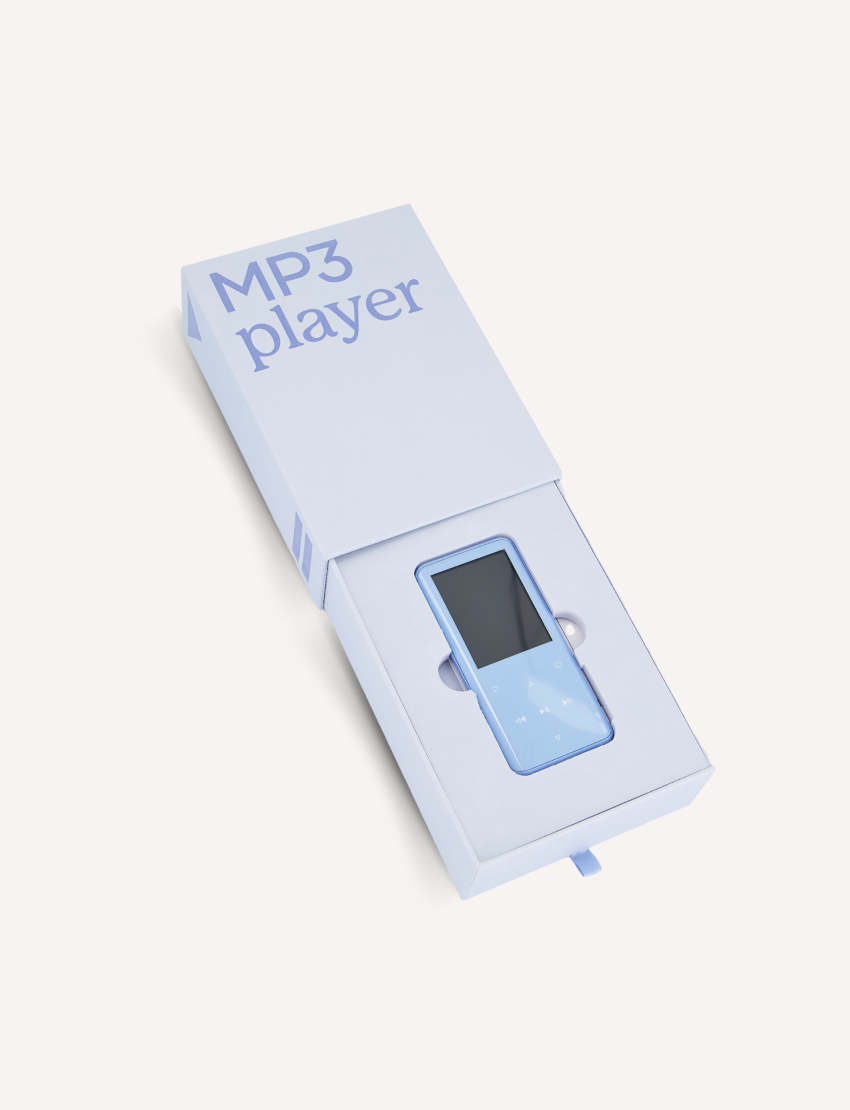
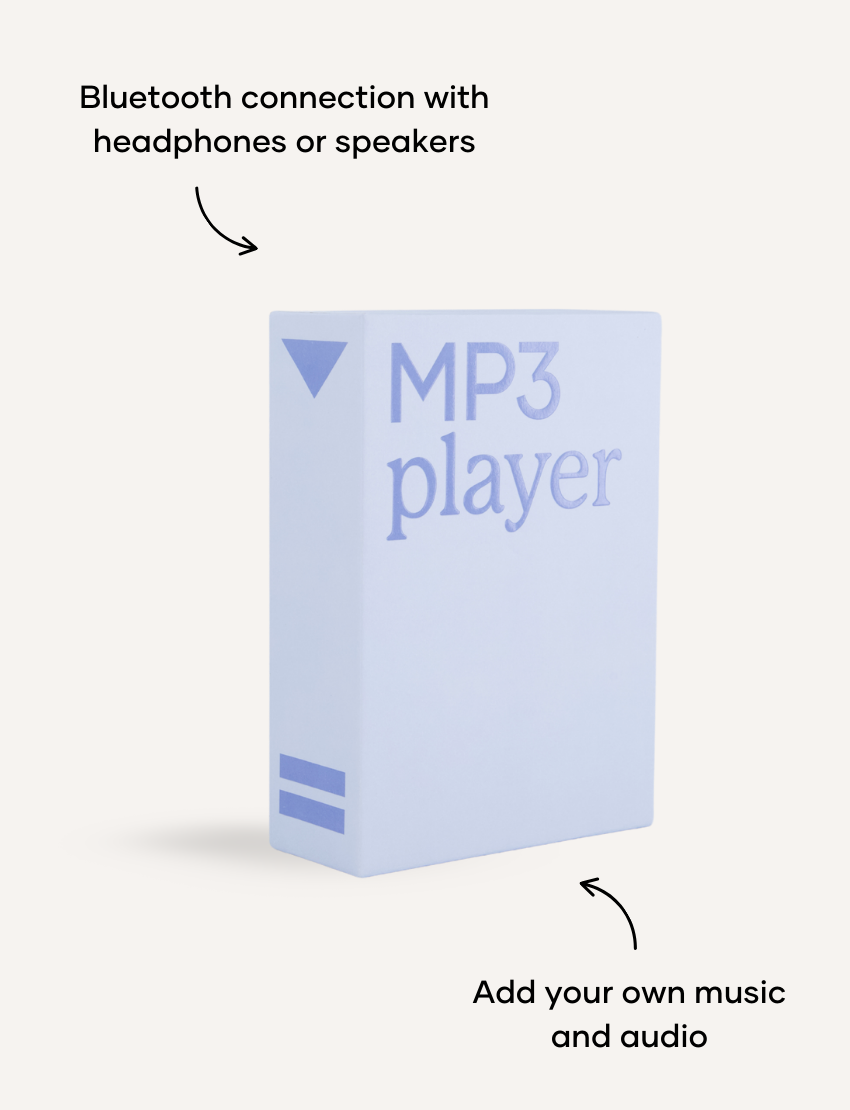
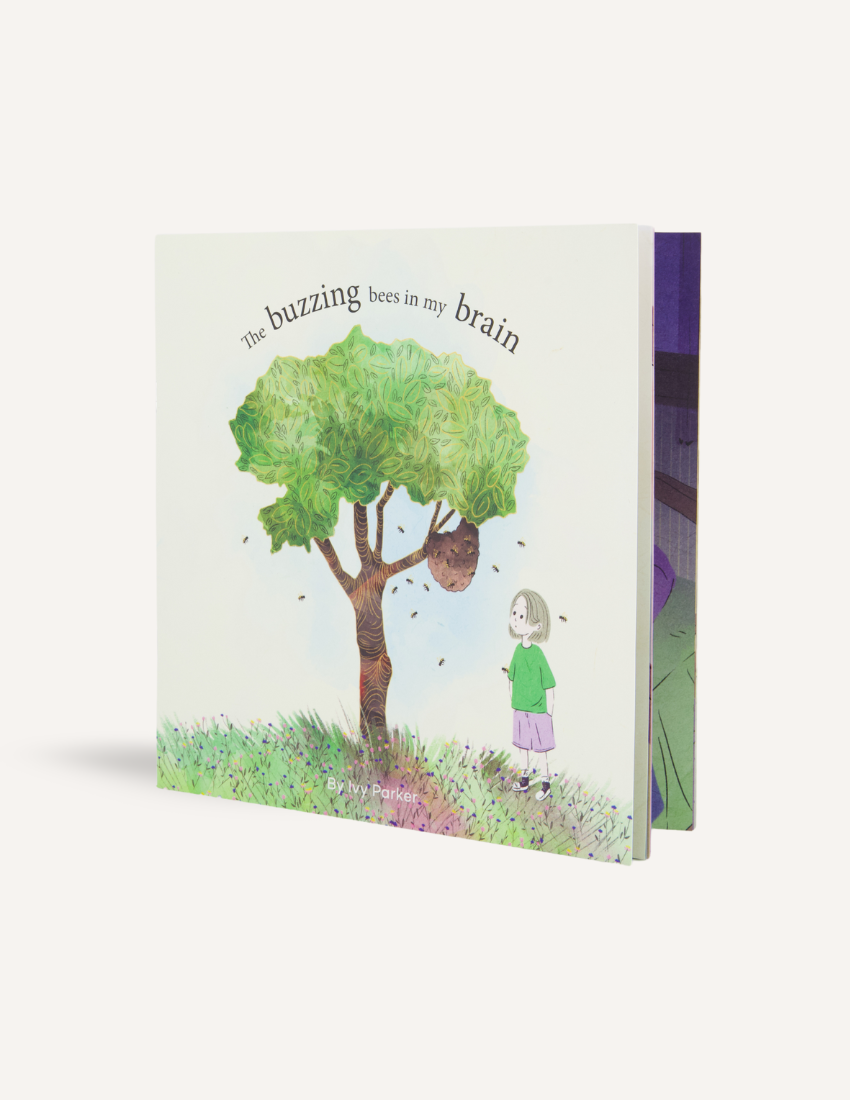
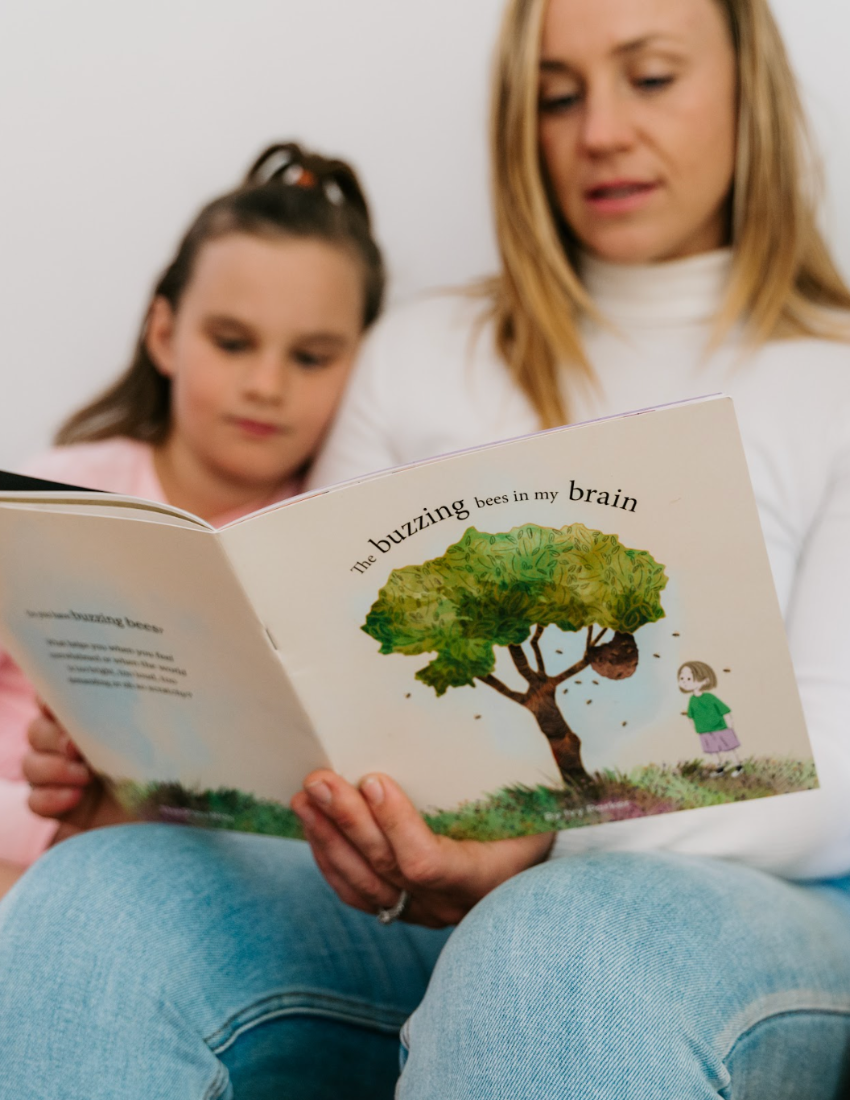
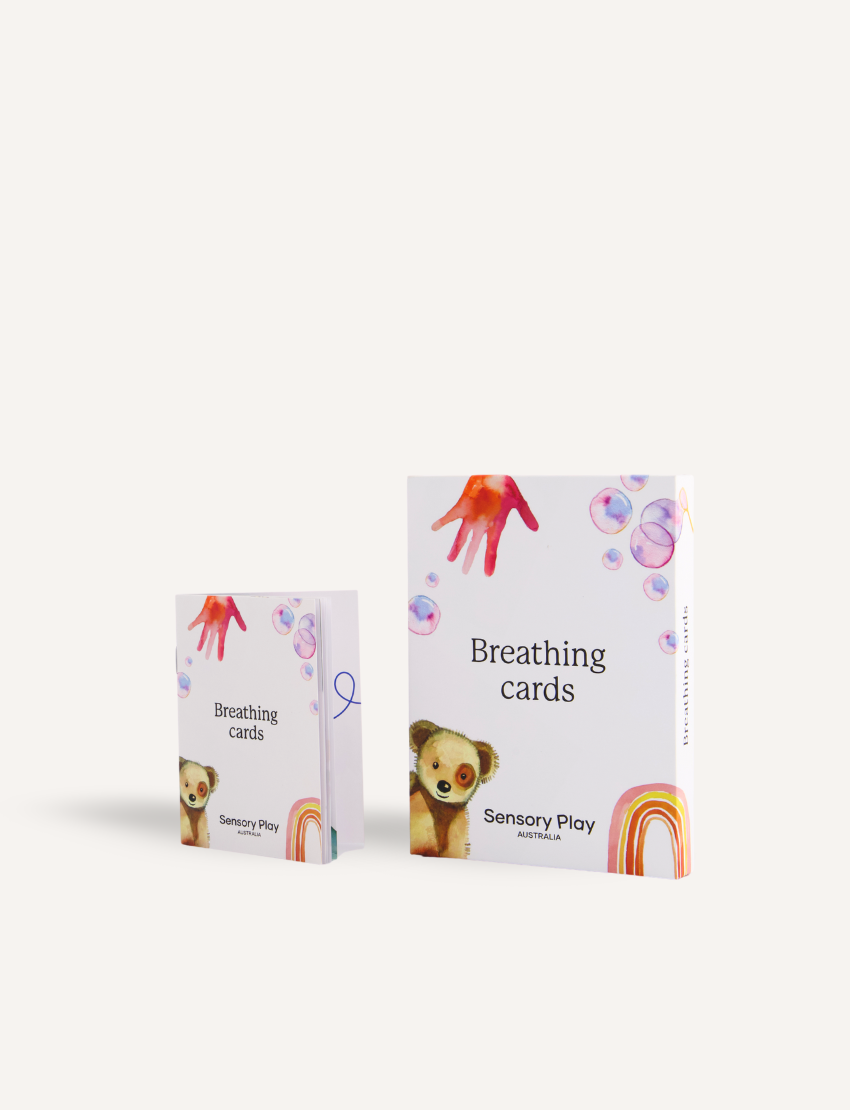
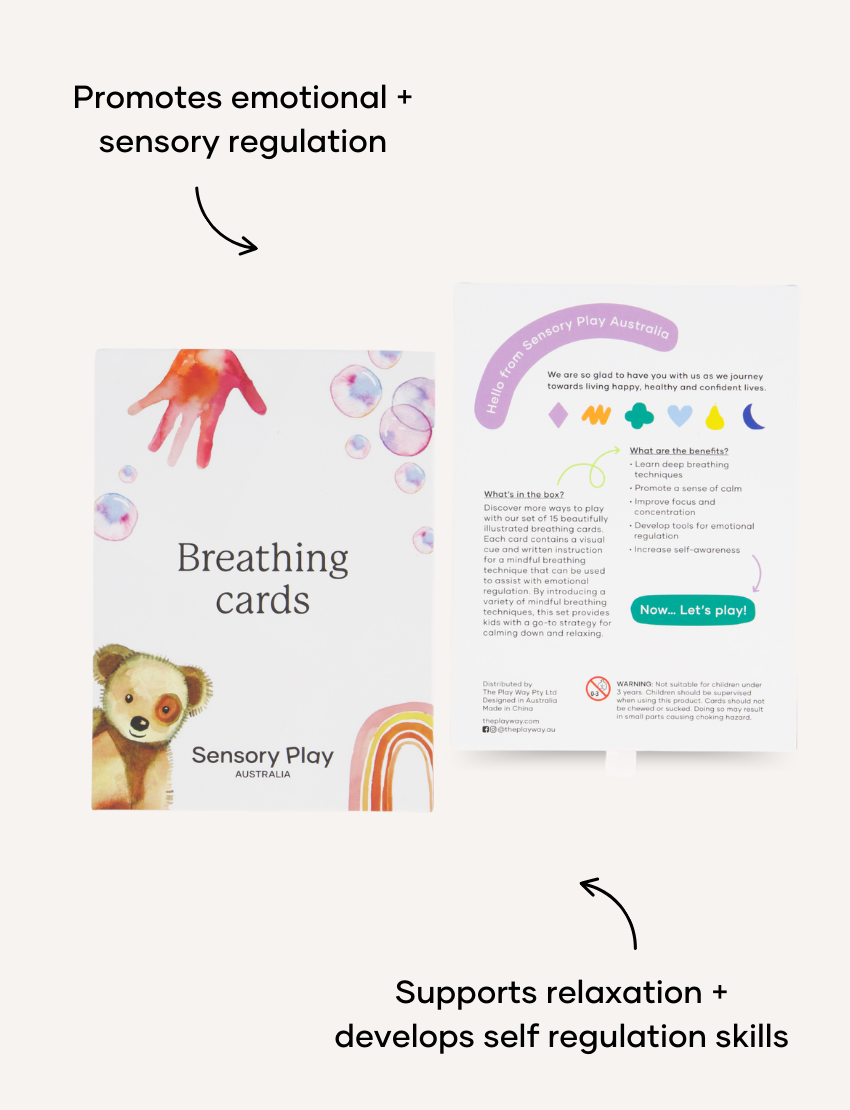
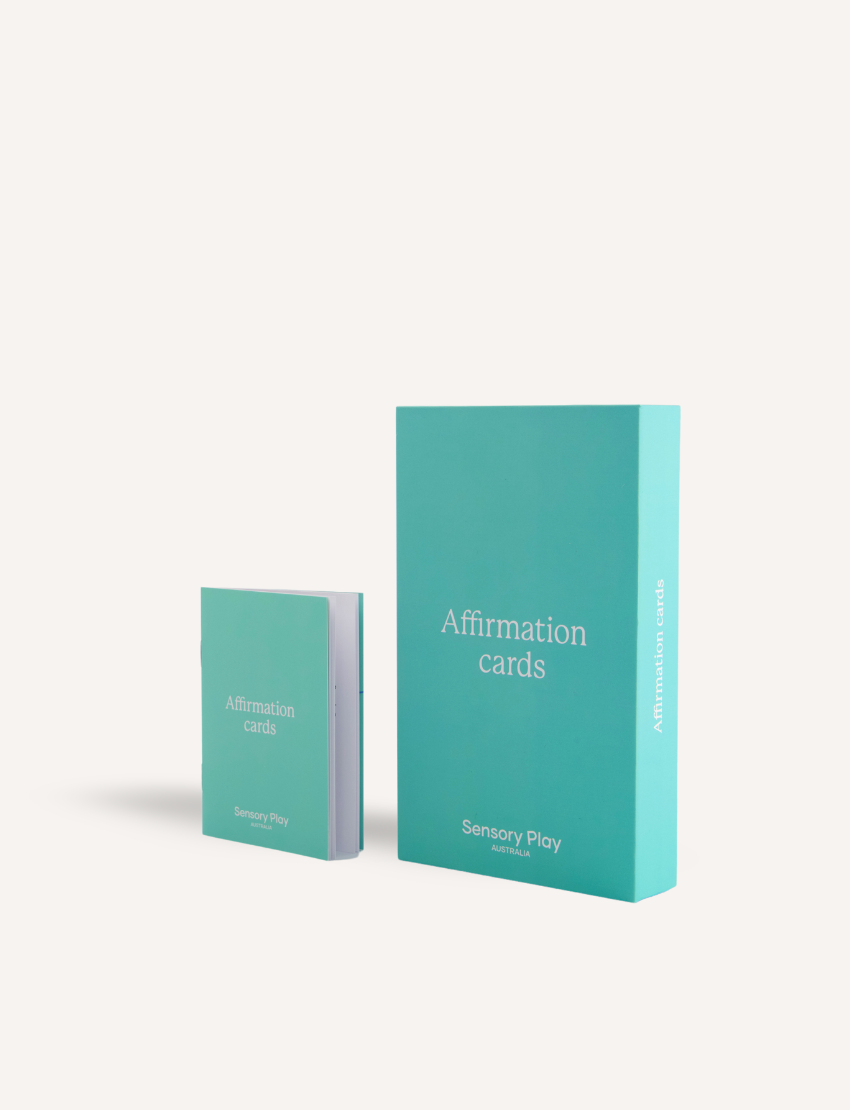
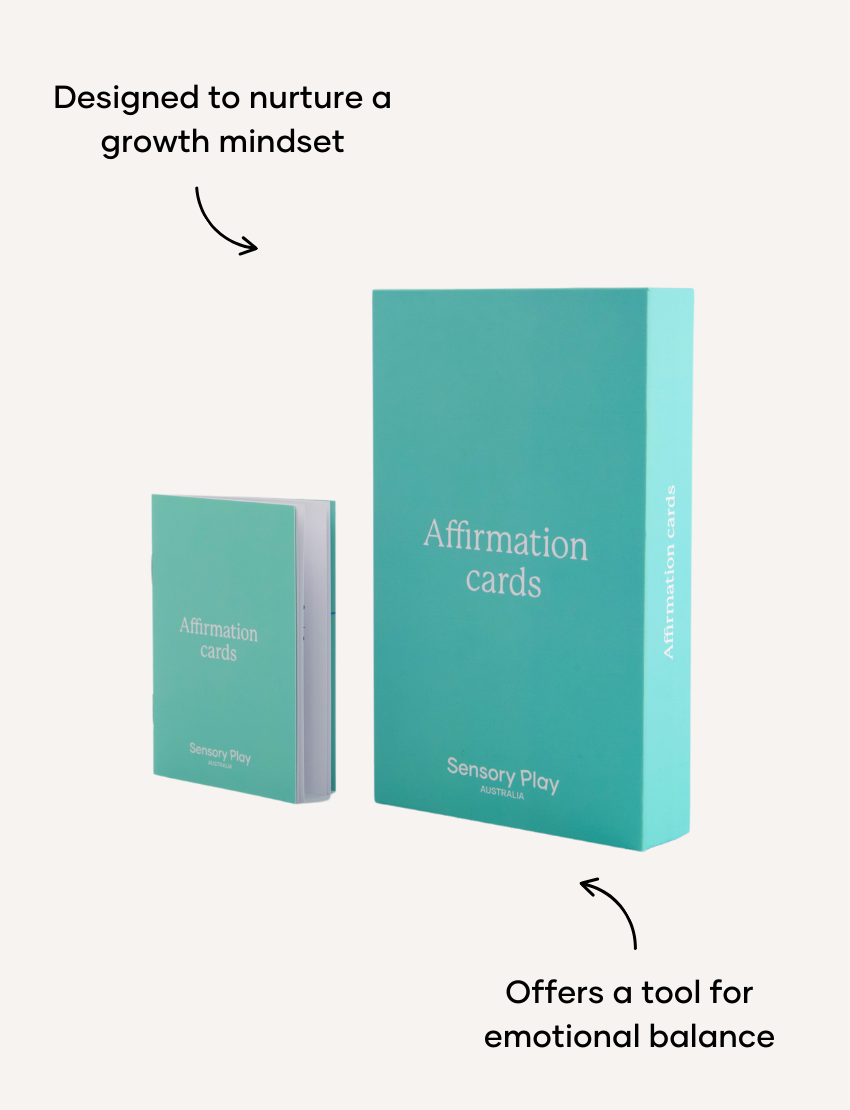
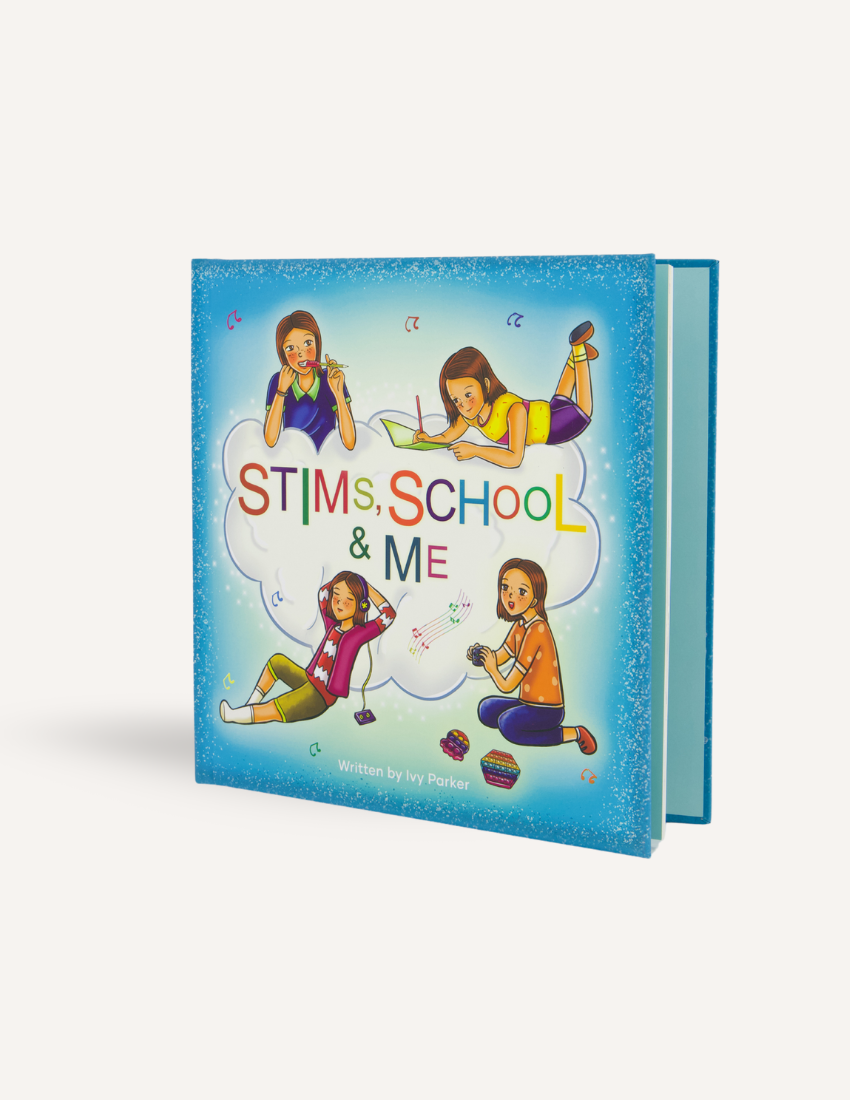
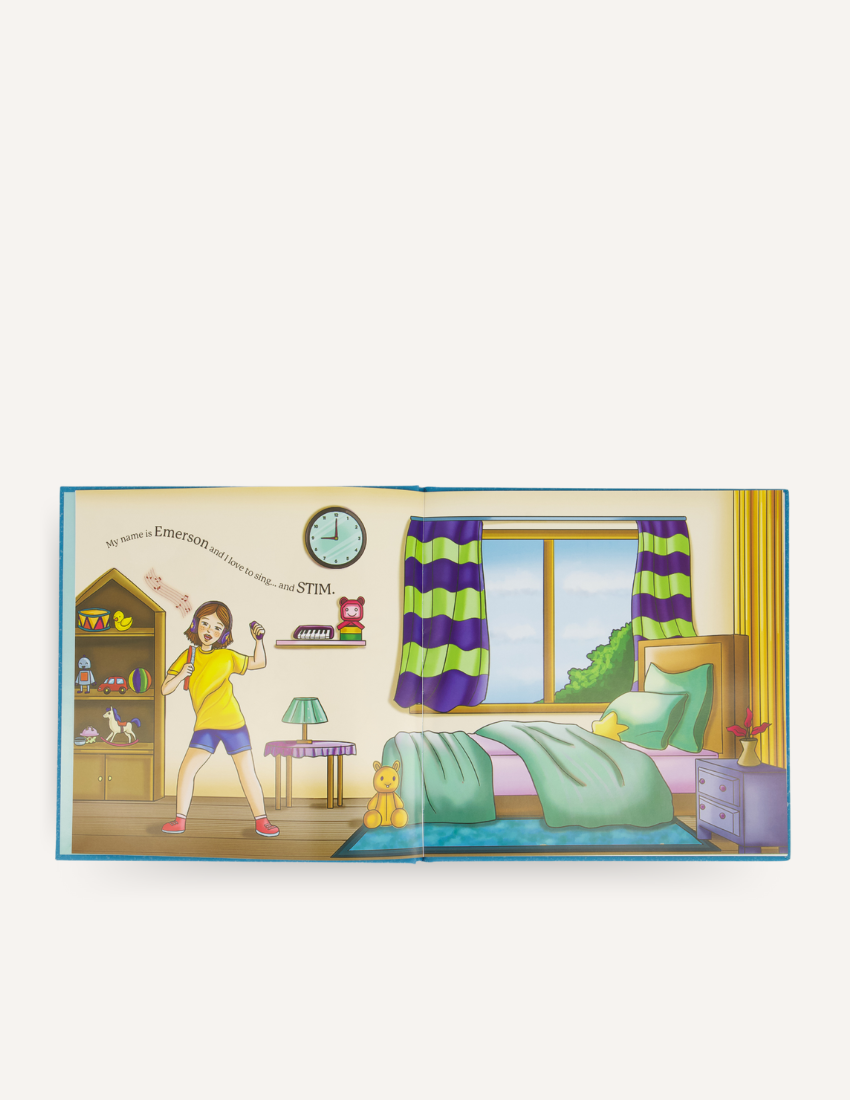
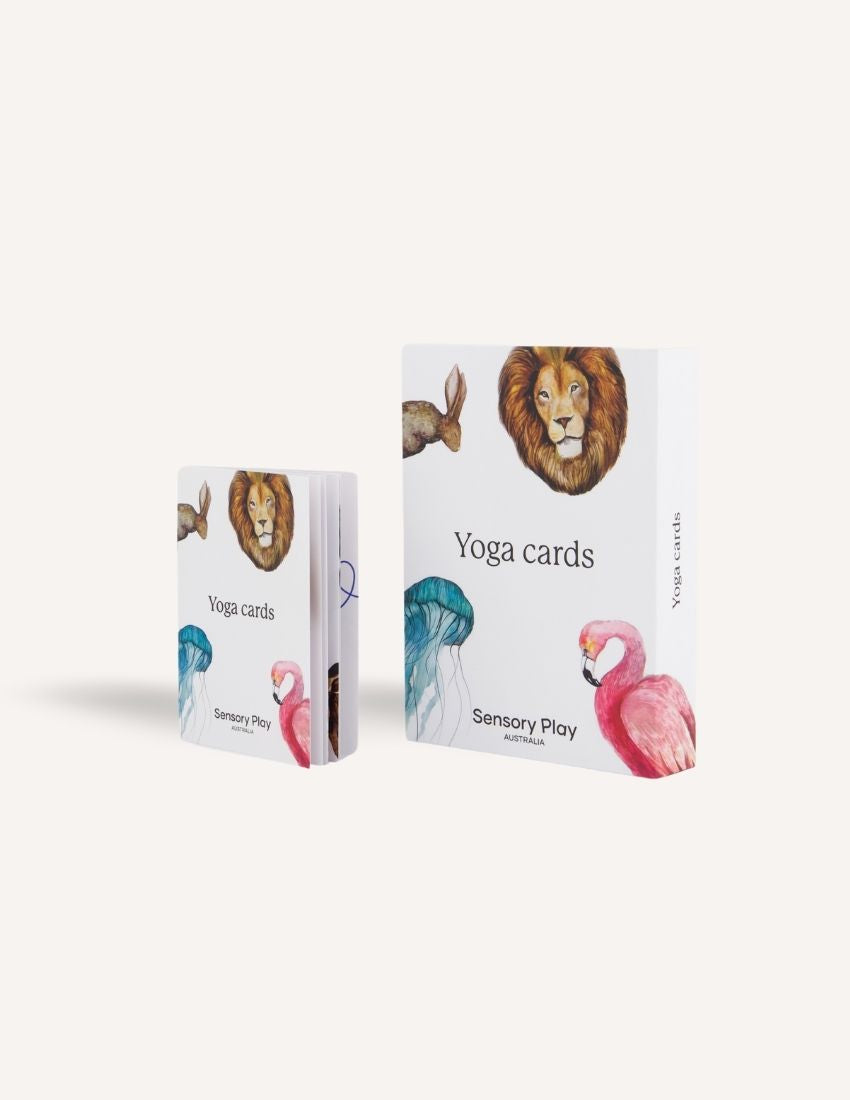
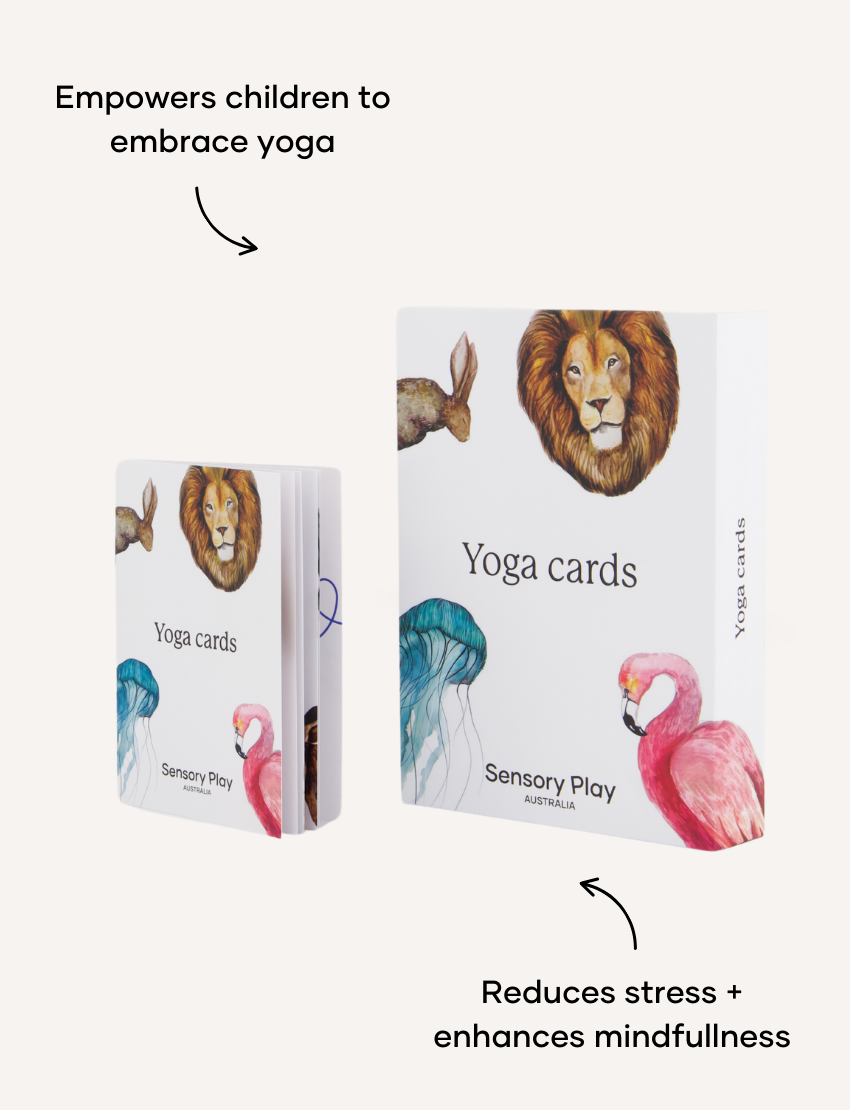
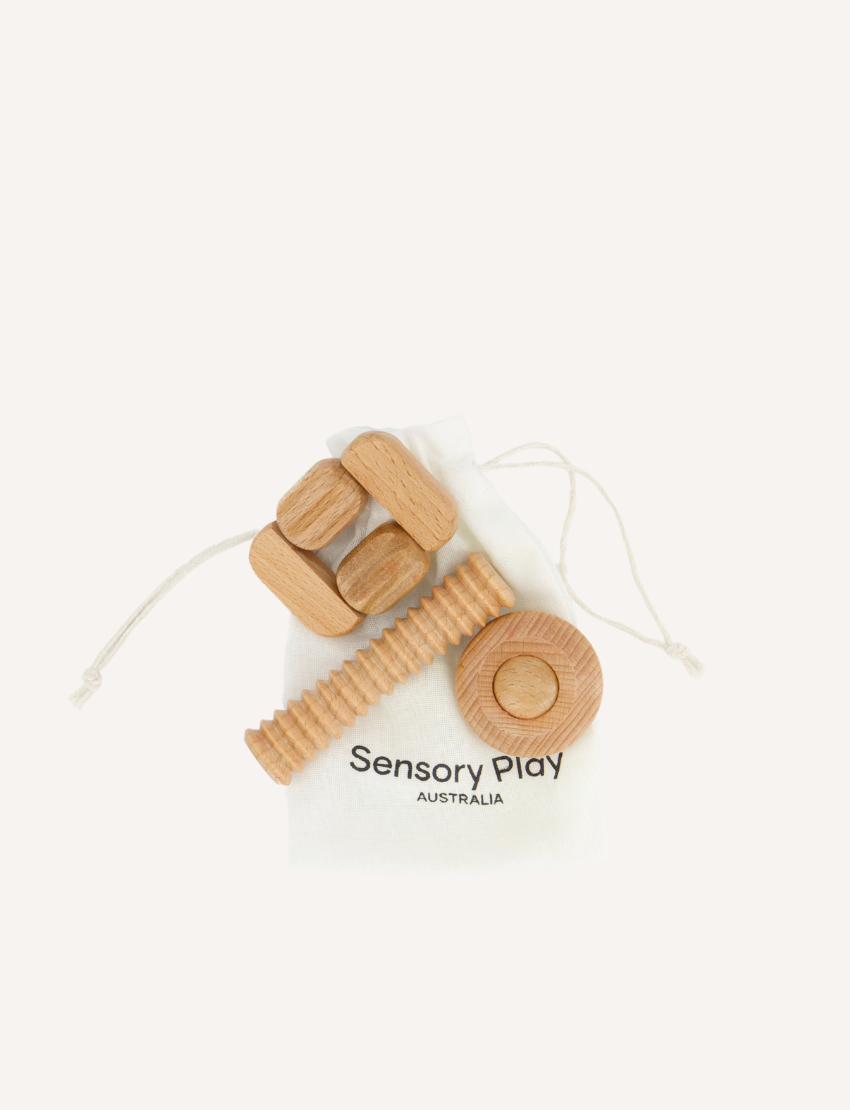
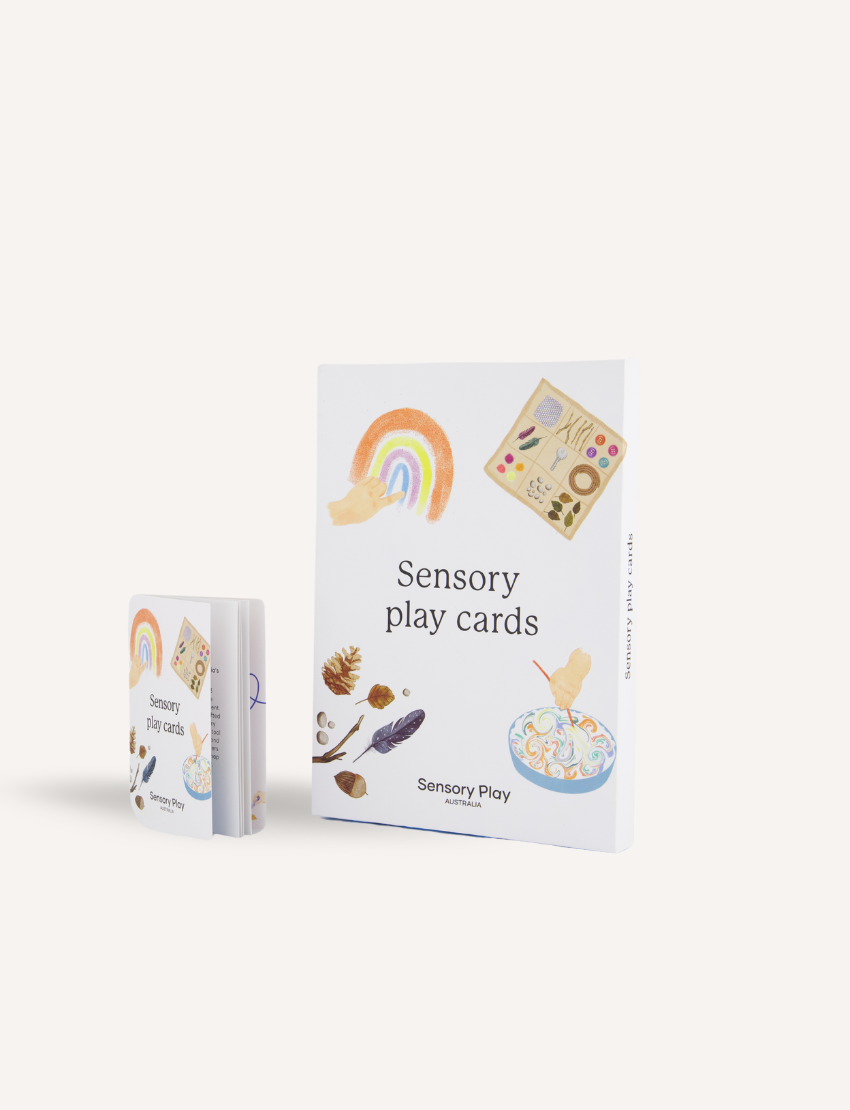
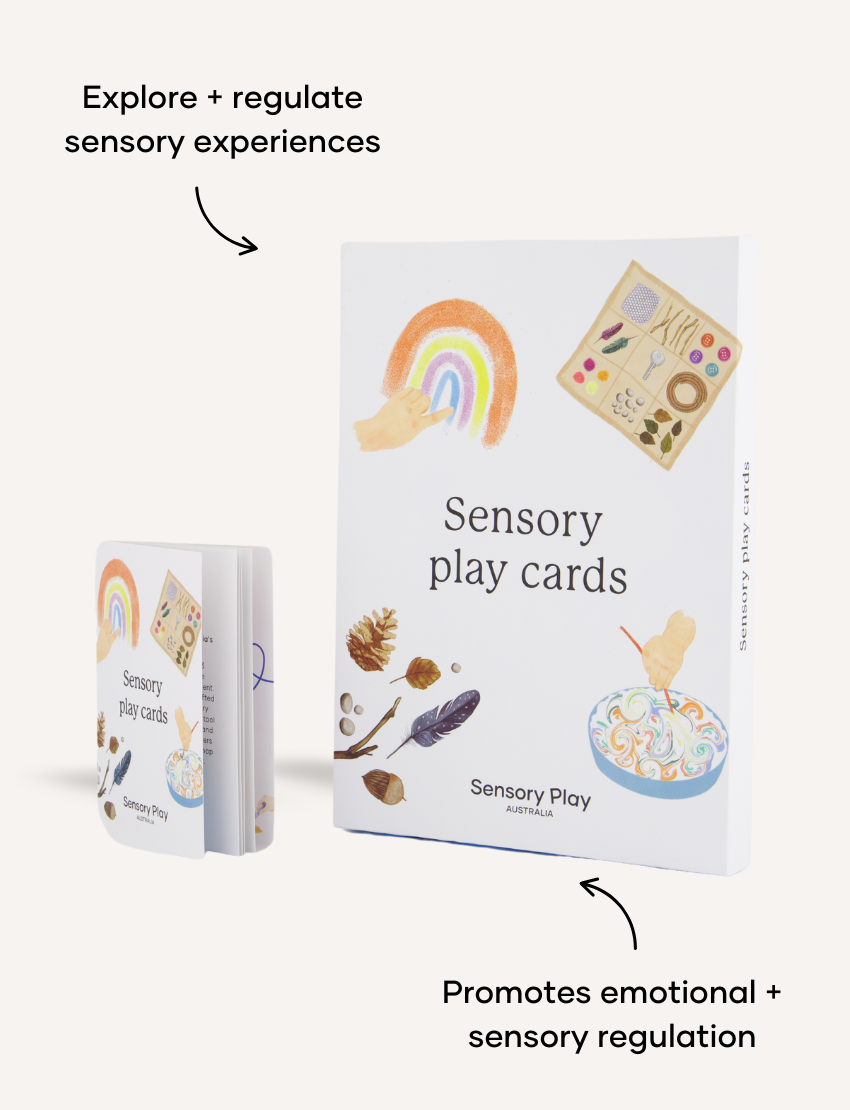
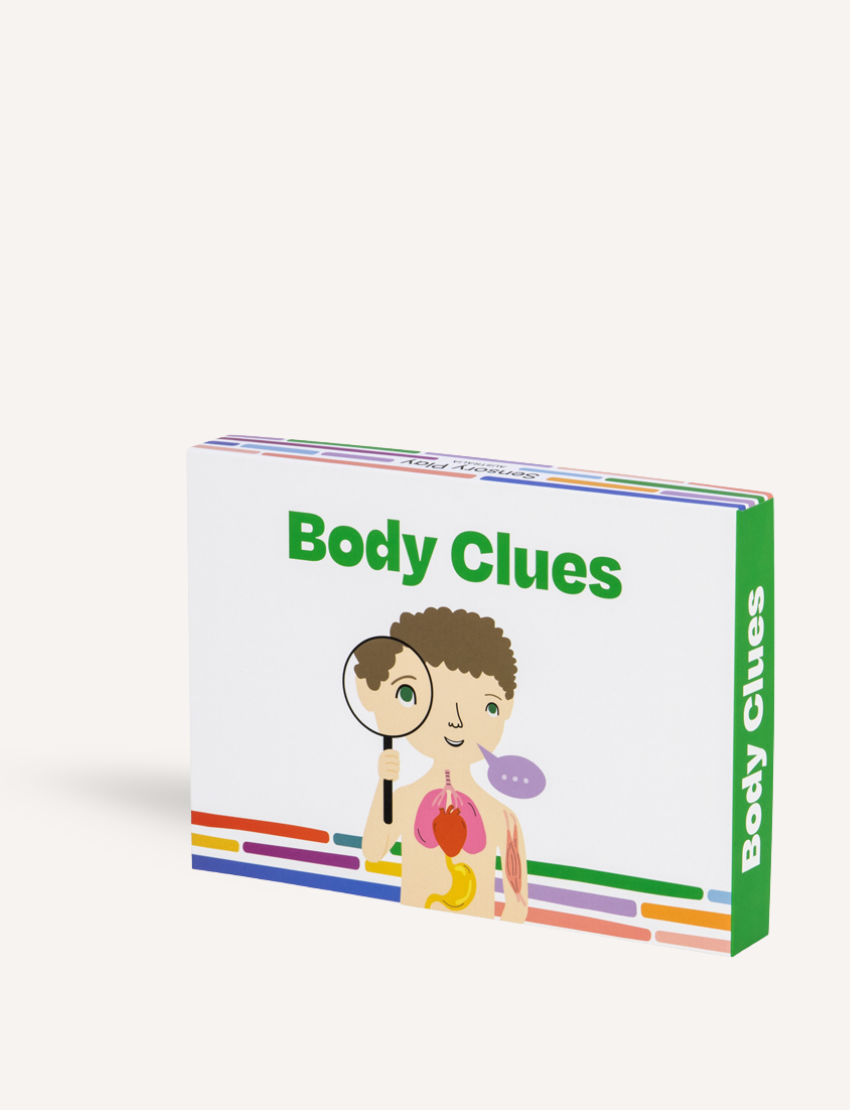
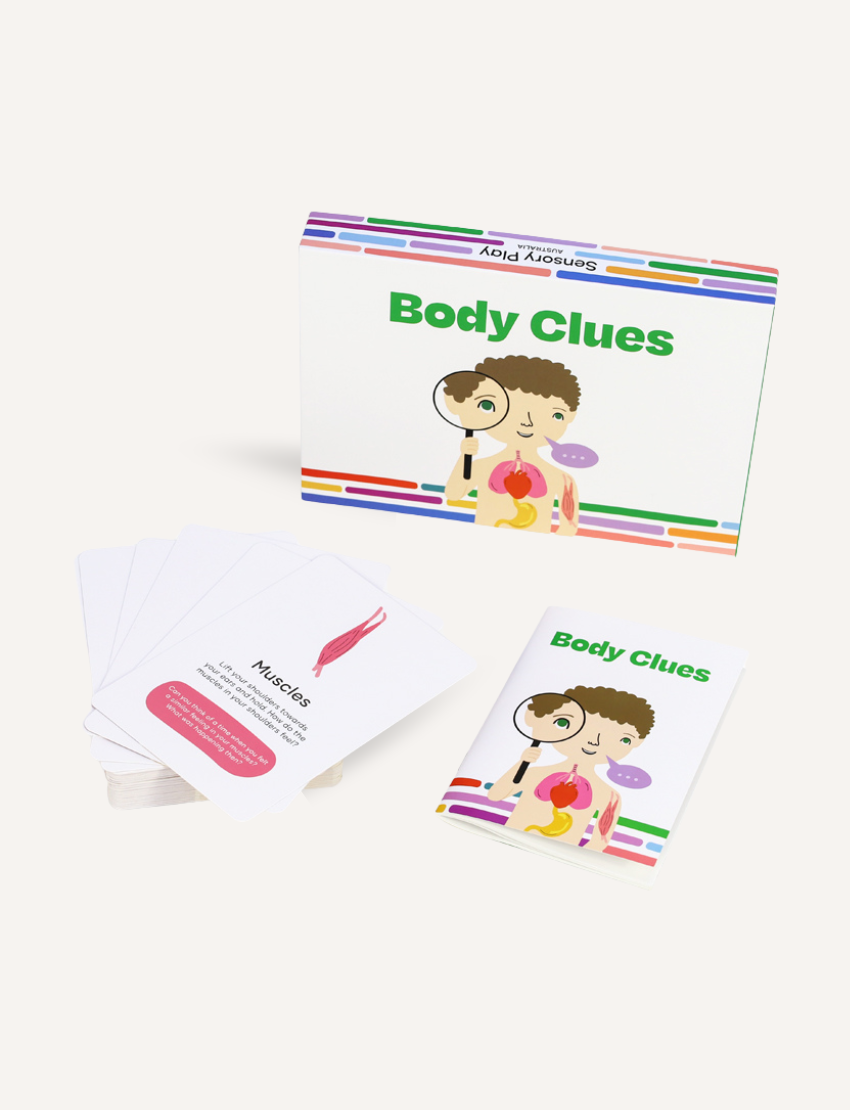
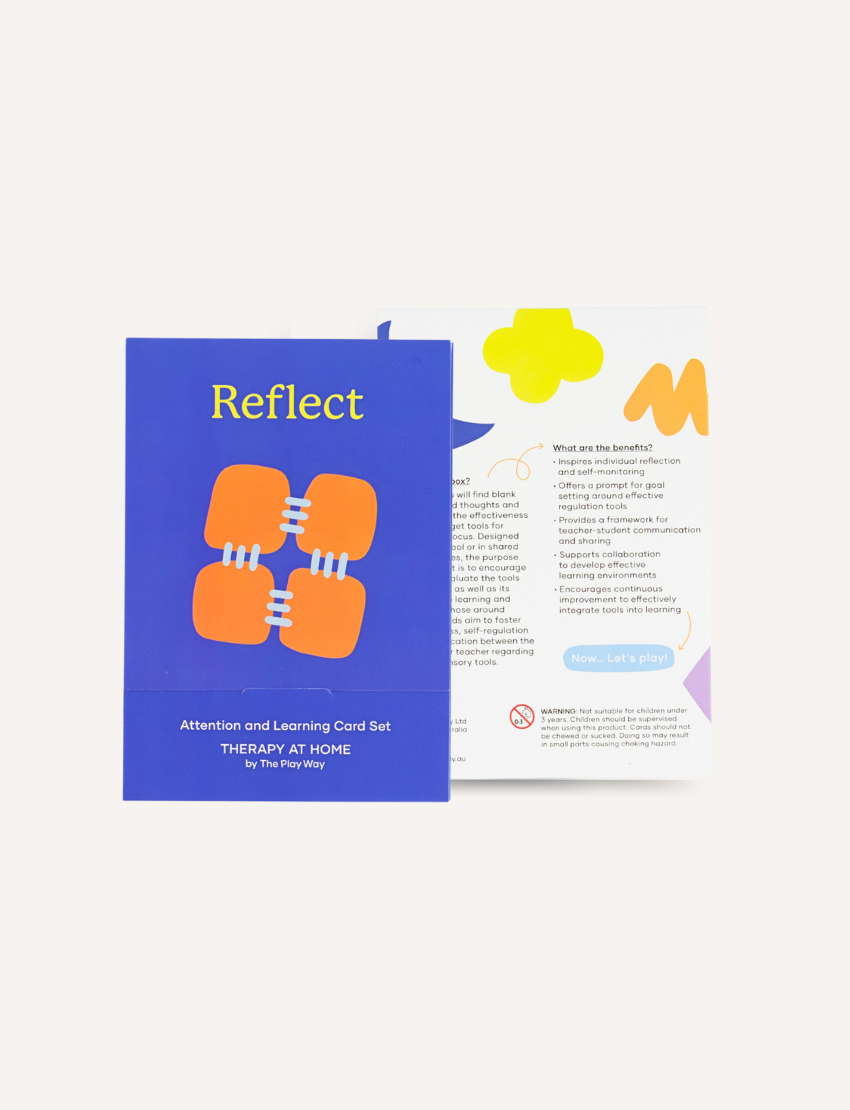
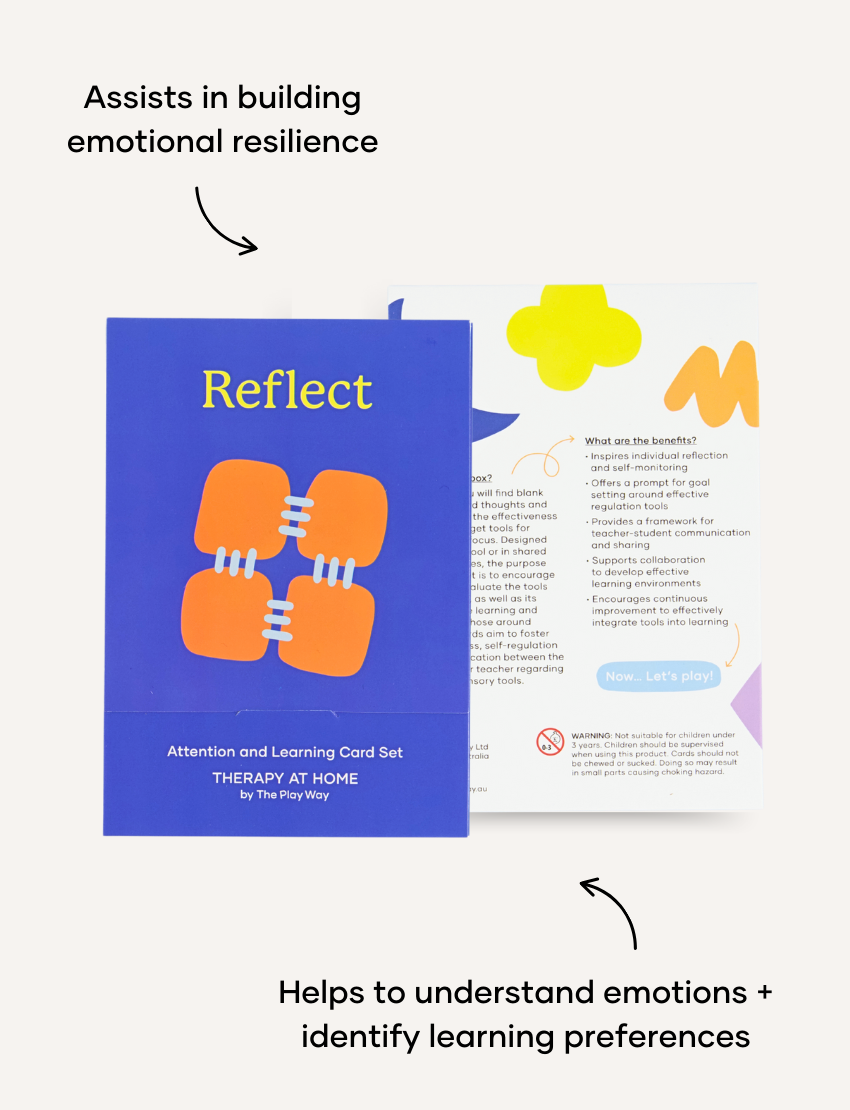
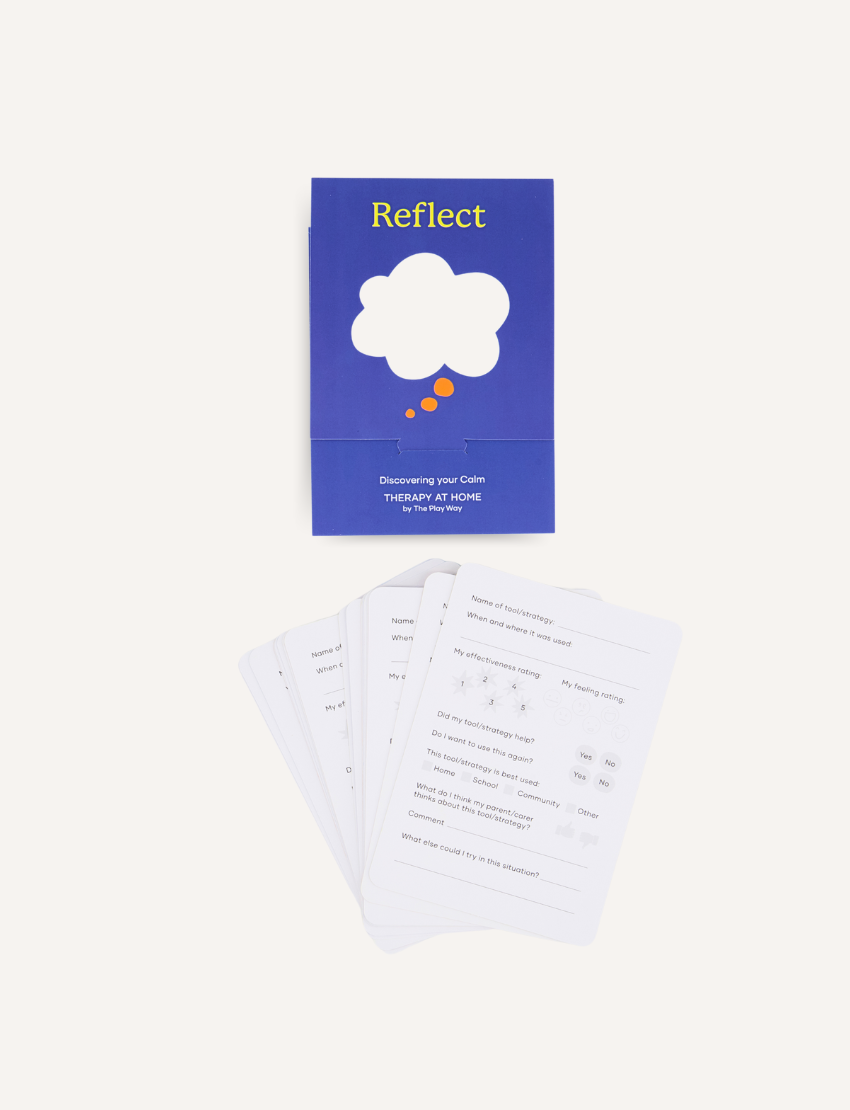
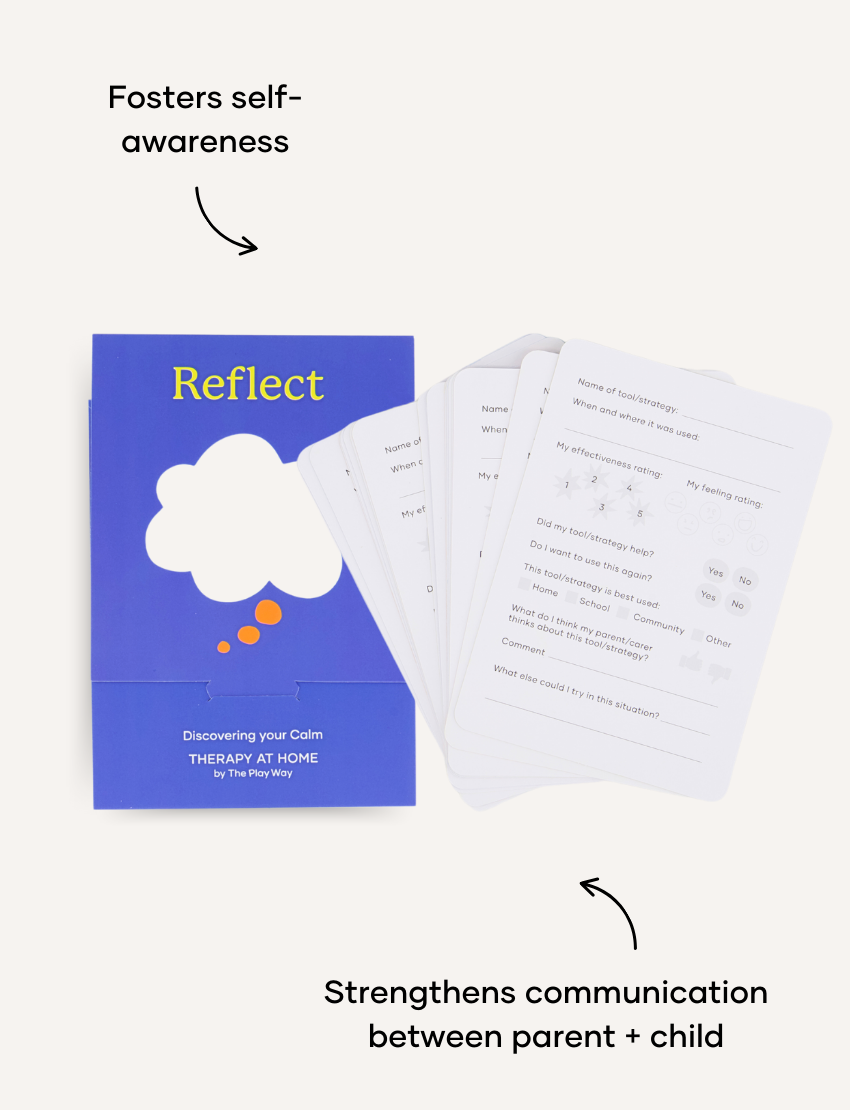
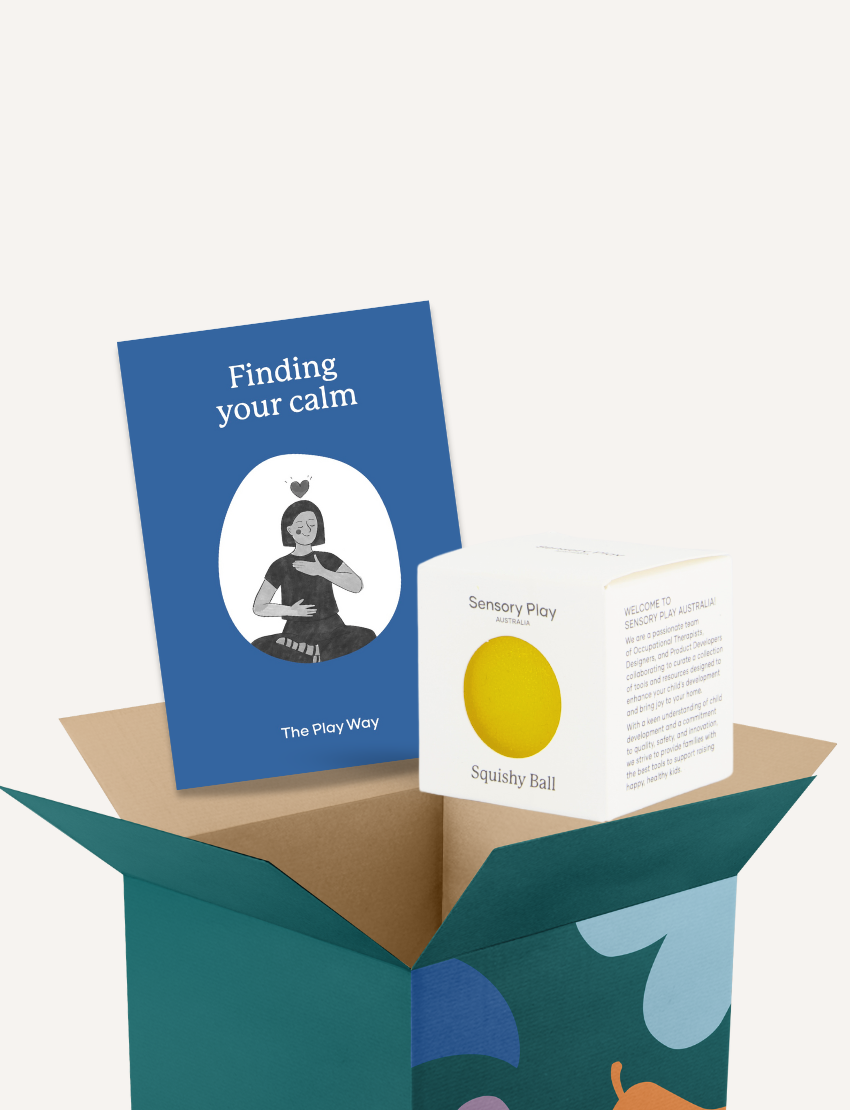
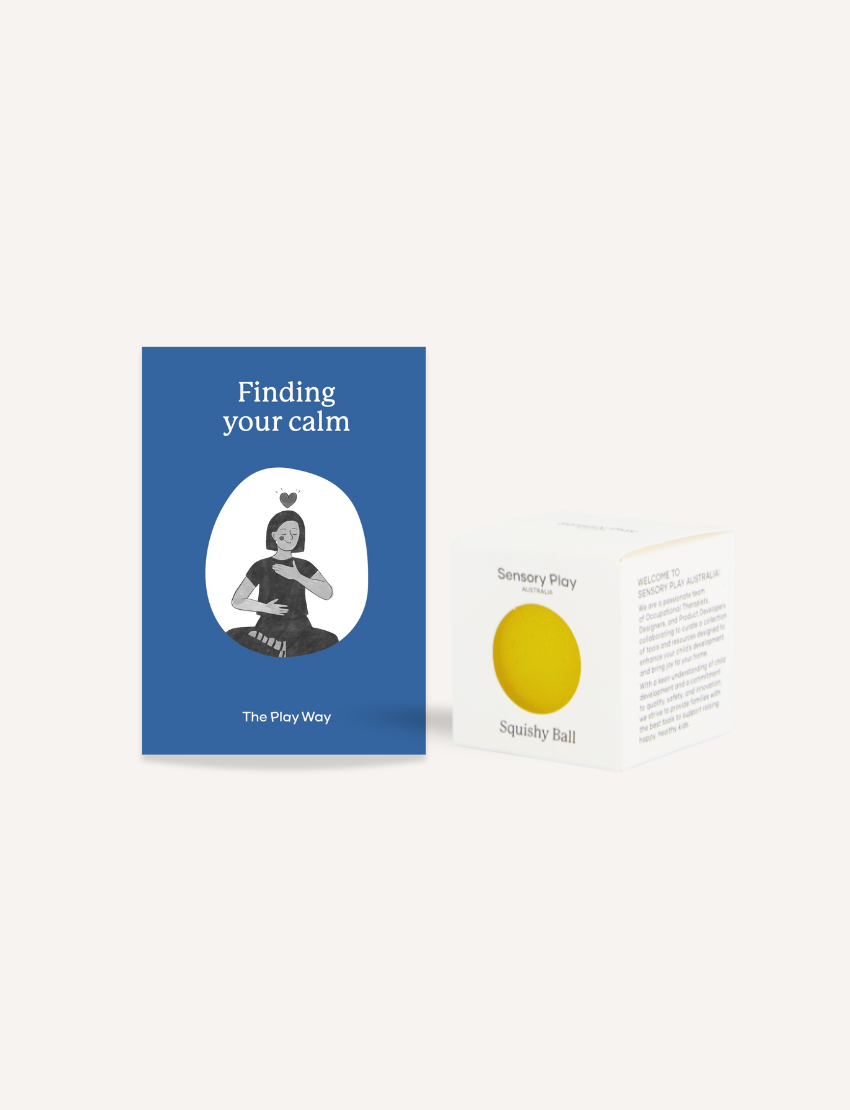
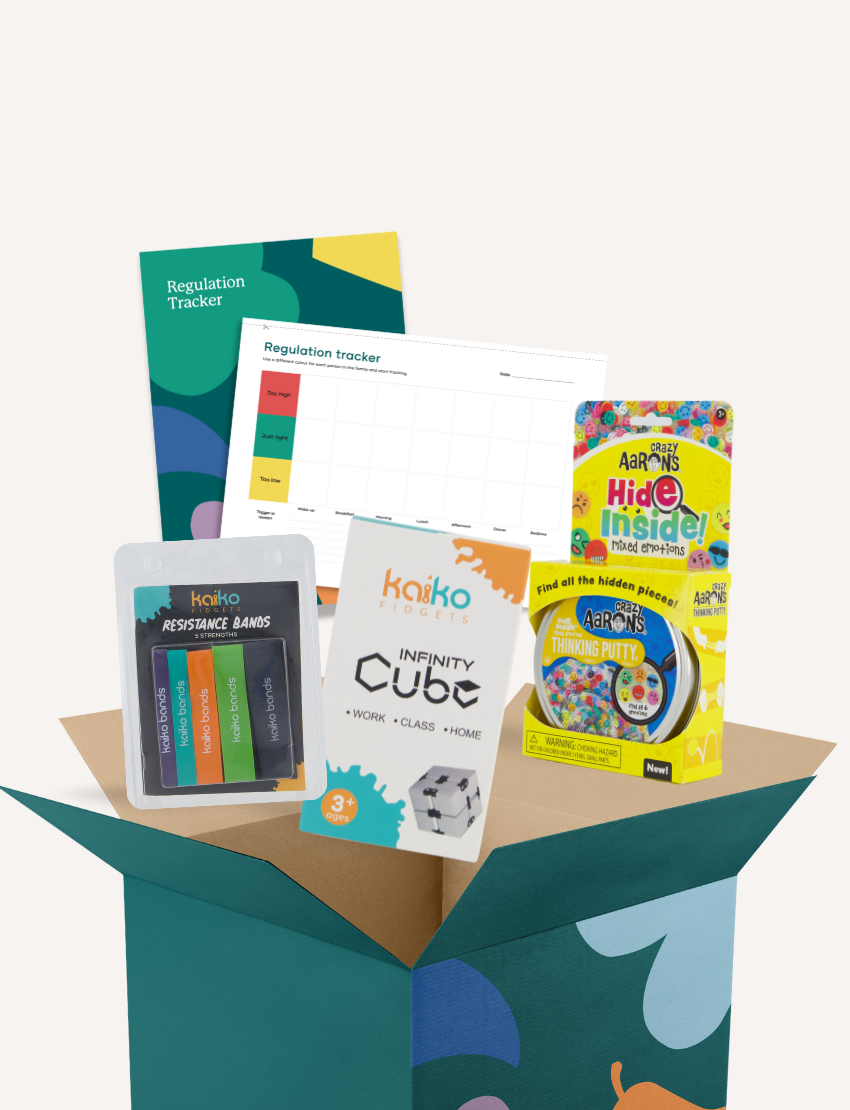
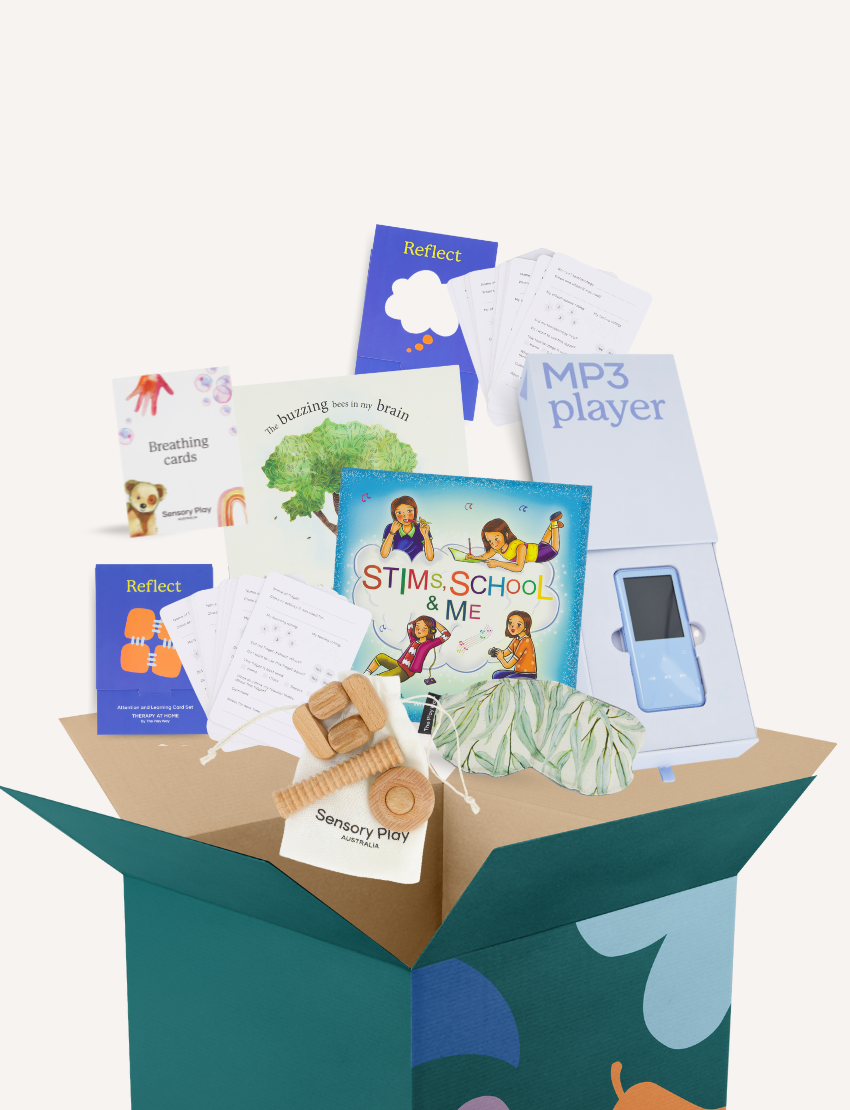
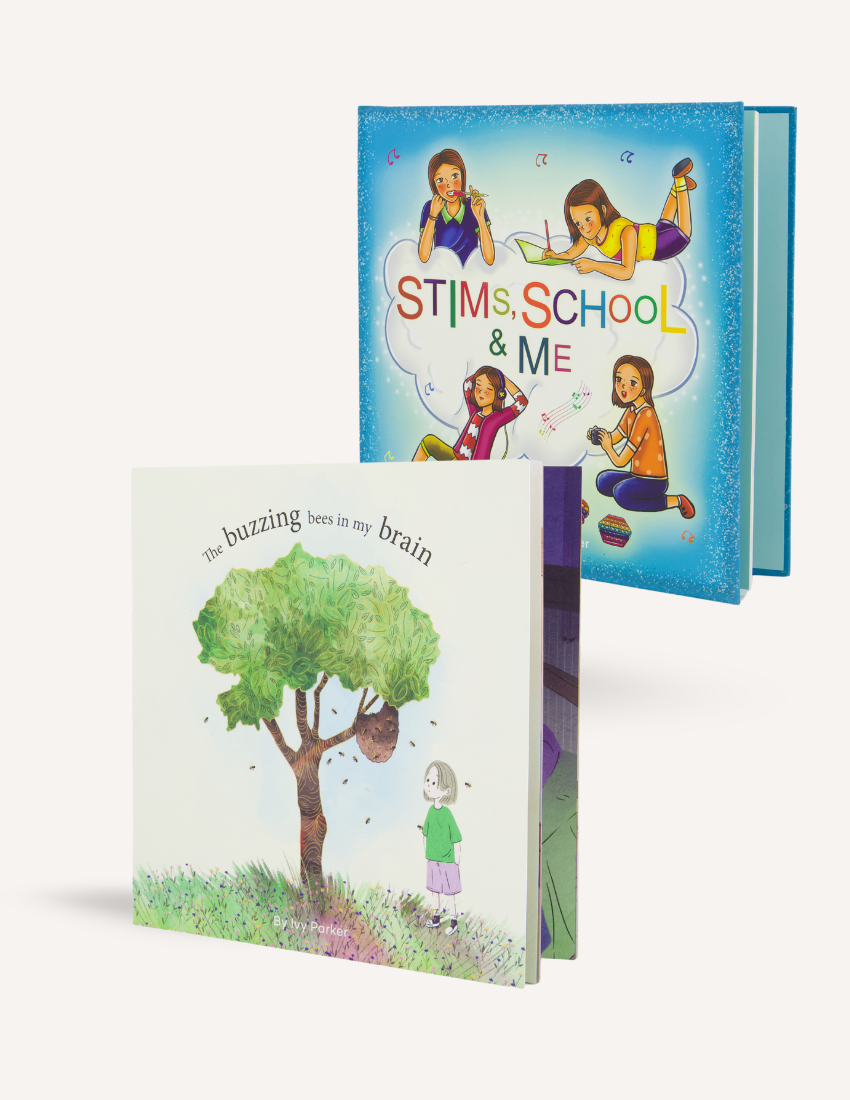
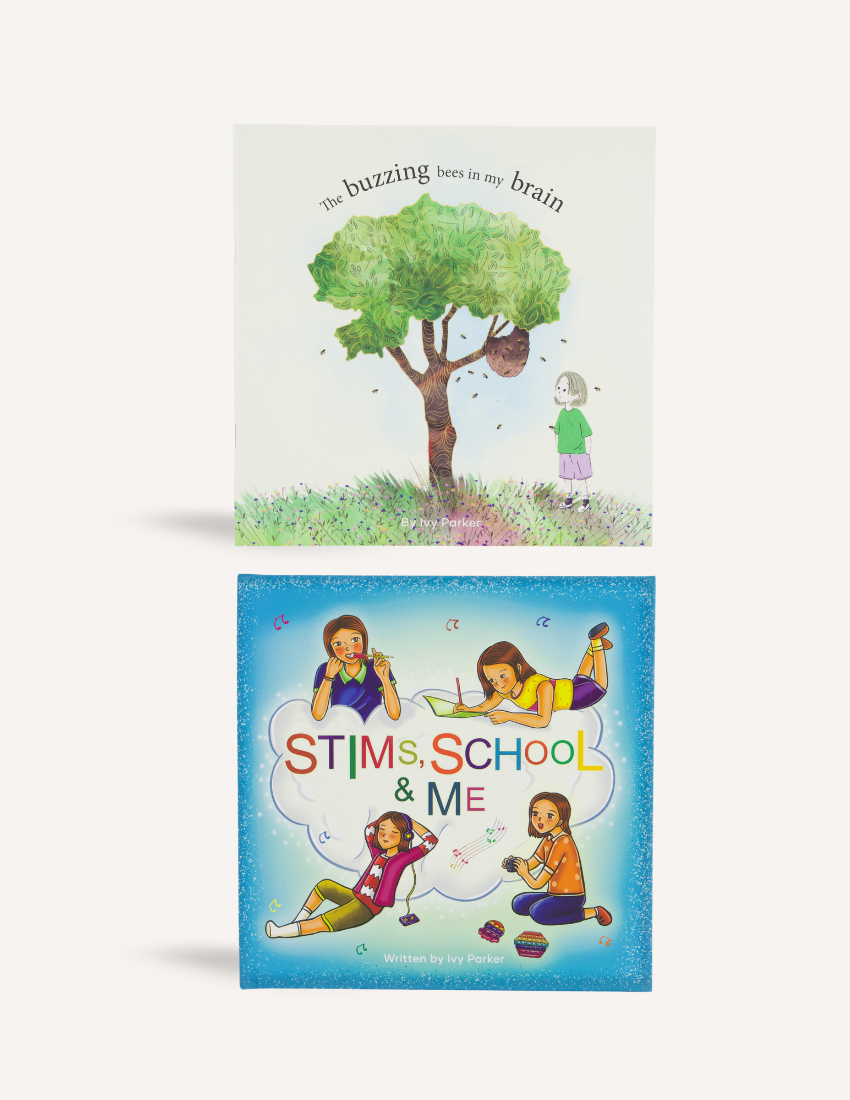
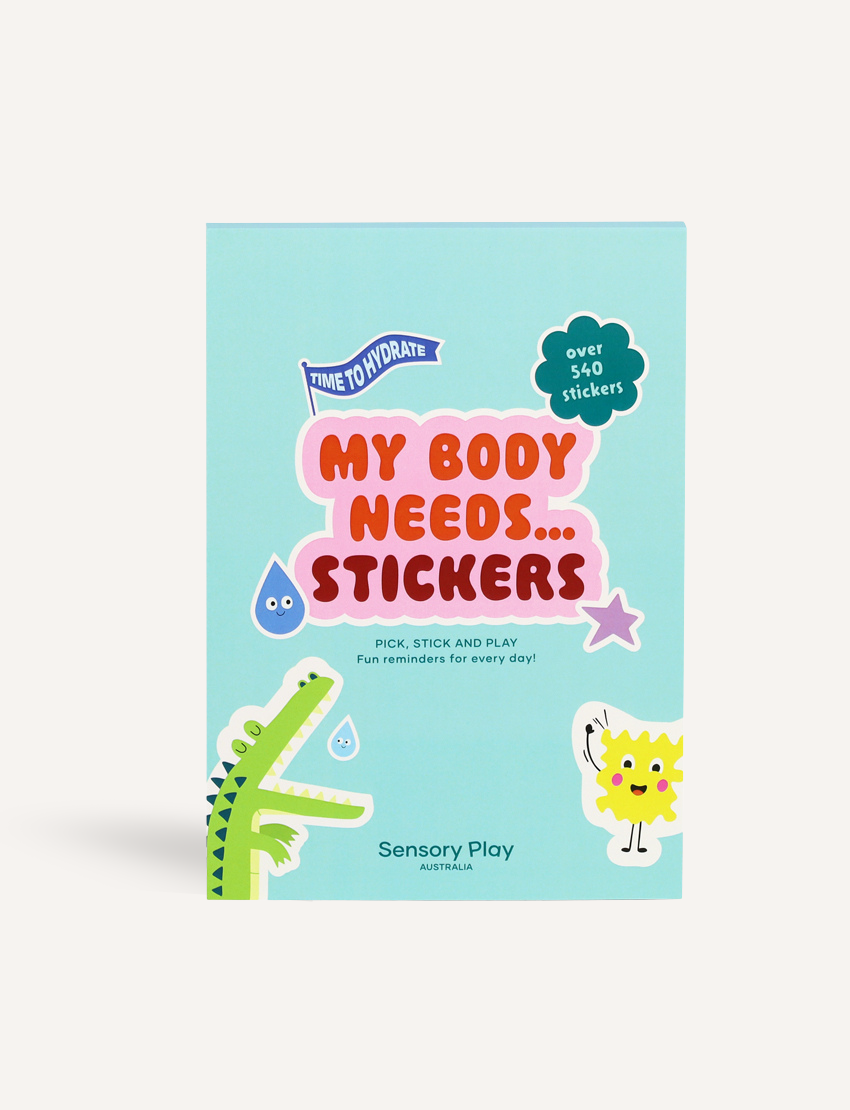
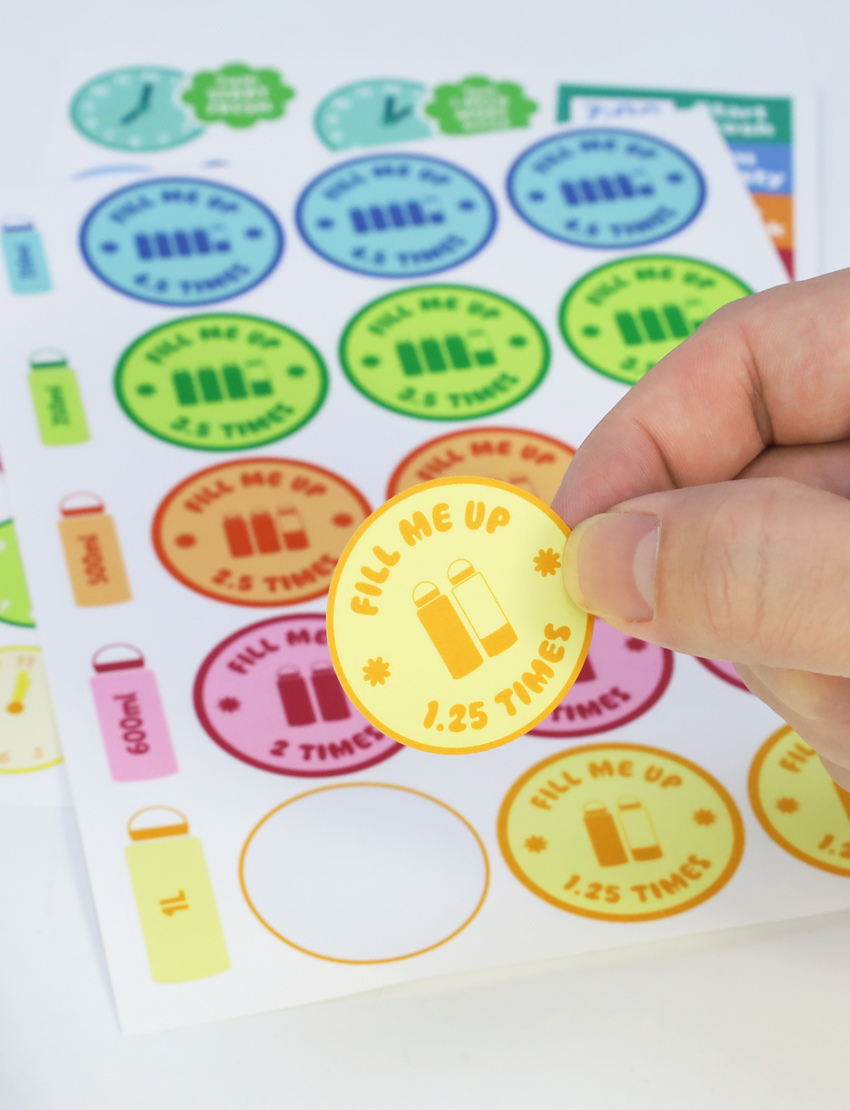
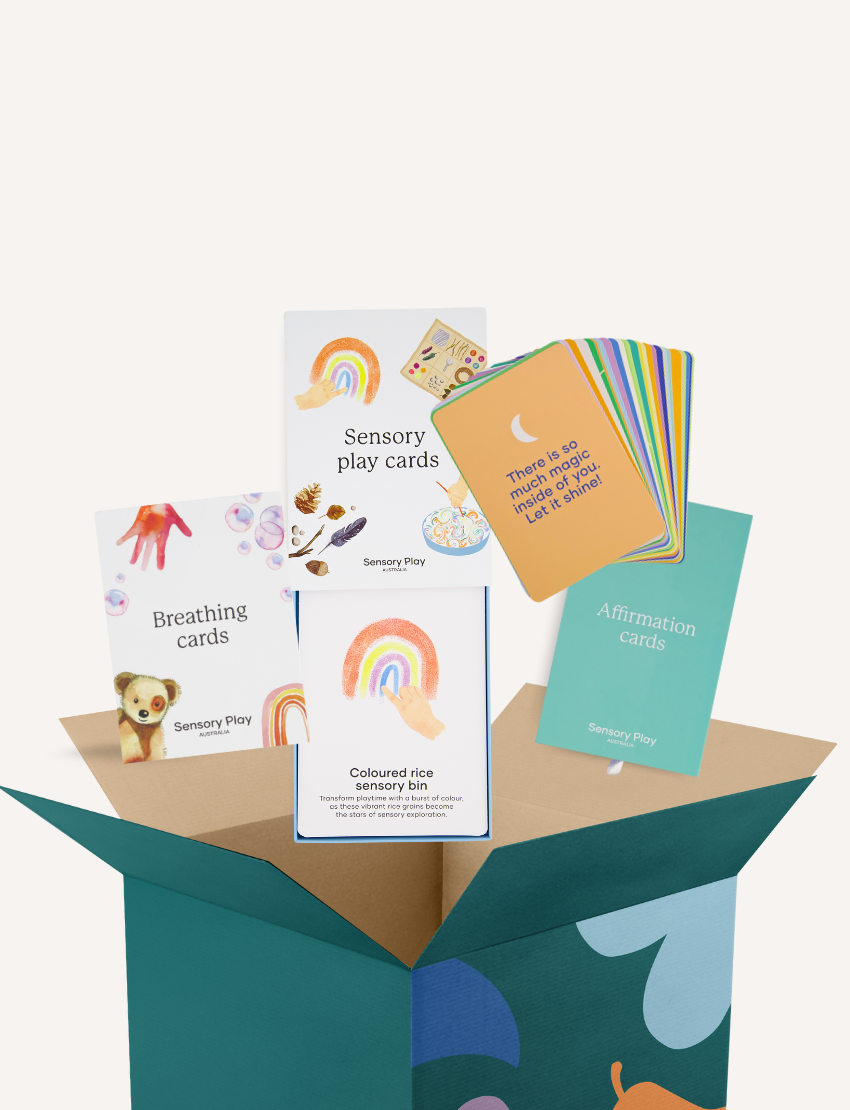
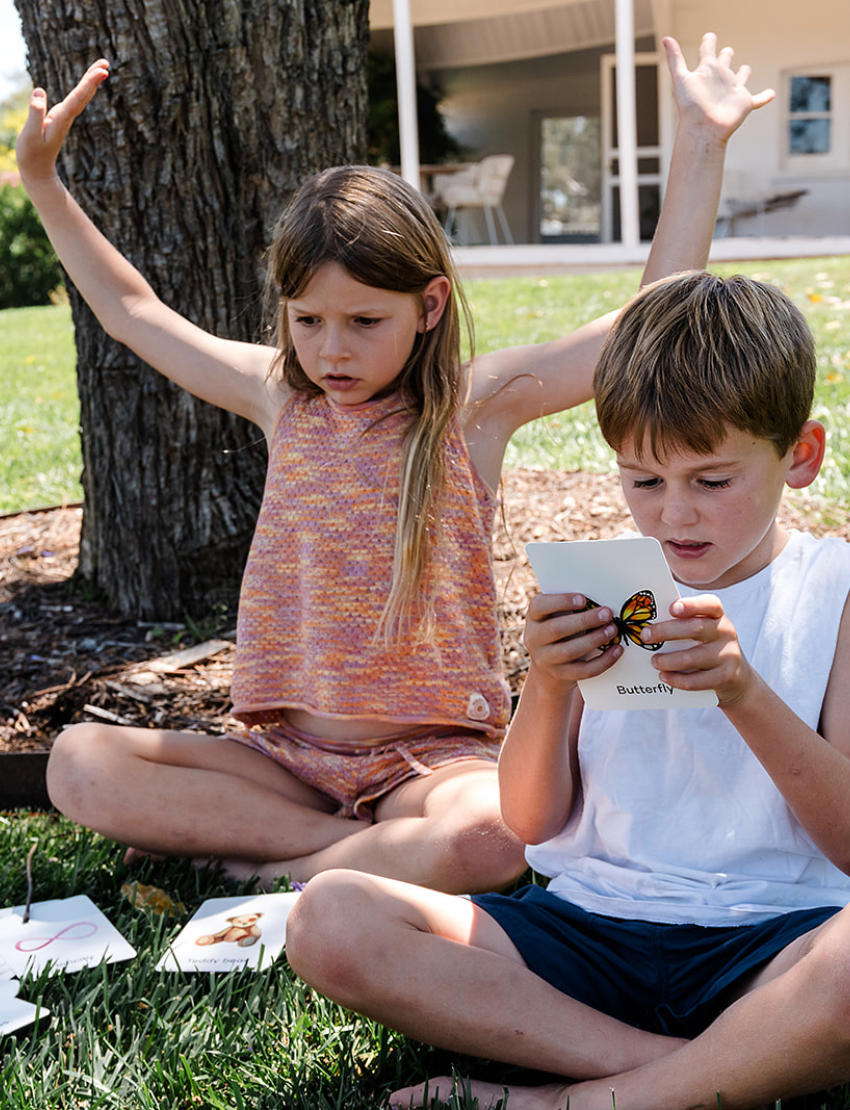
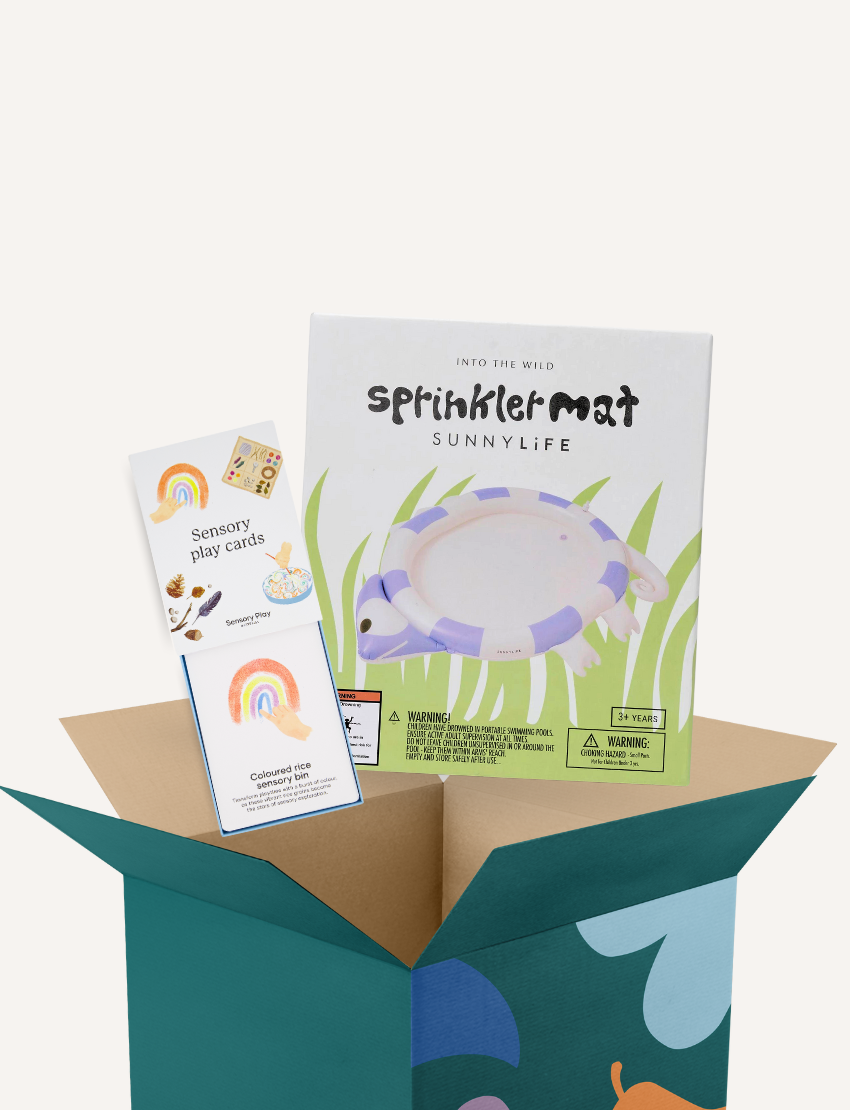
Sensory tools are everyday objects that help a child settle when their body feels too busy, too loud or too switched off. A crash mat to land on, a fidget for restless hands, breathing, yoga and sensory play cards, or a storybook that helps them understand themselves better.
Some of these get called sensory toys, some sensory tools, some fidget or calm-down toys. They are the same family of thing, and the main idea is that you explore what works best to support your child's unique sensory preferences, and help them to regulate.
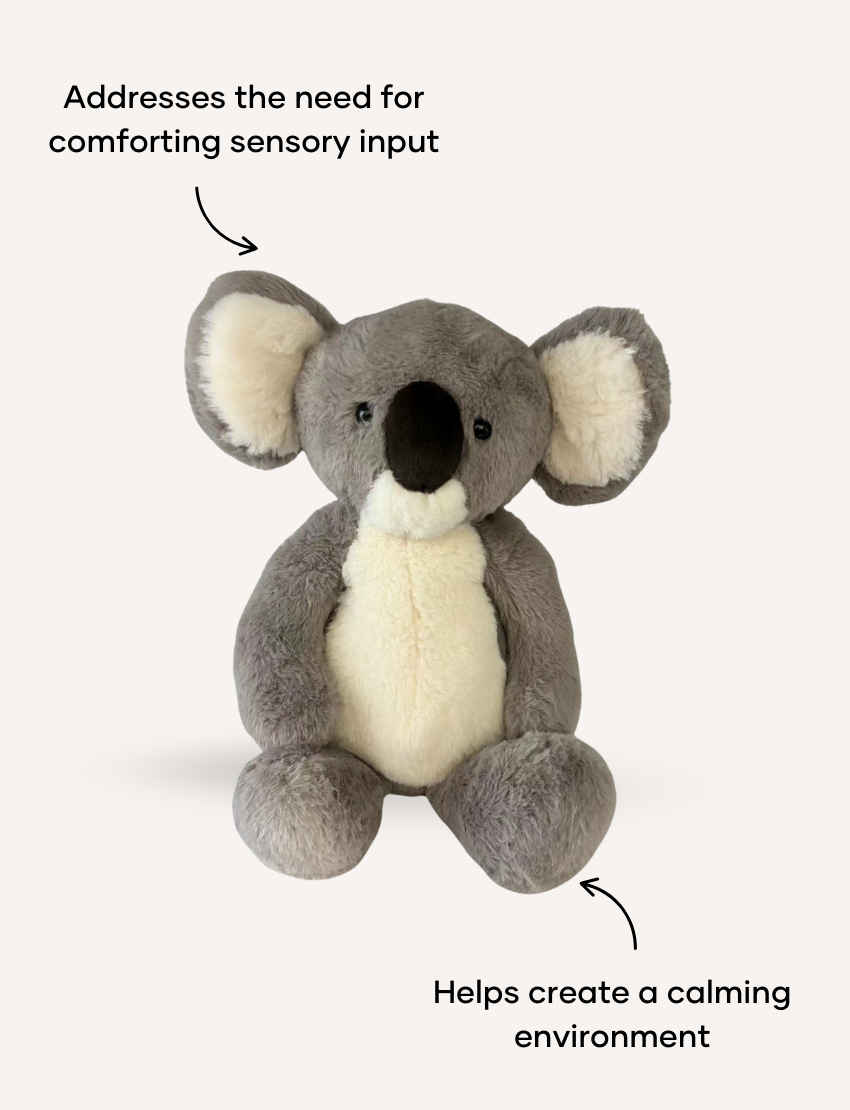
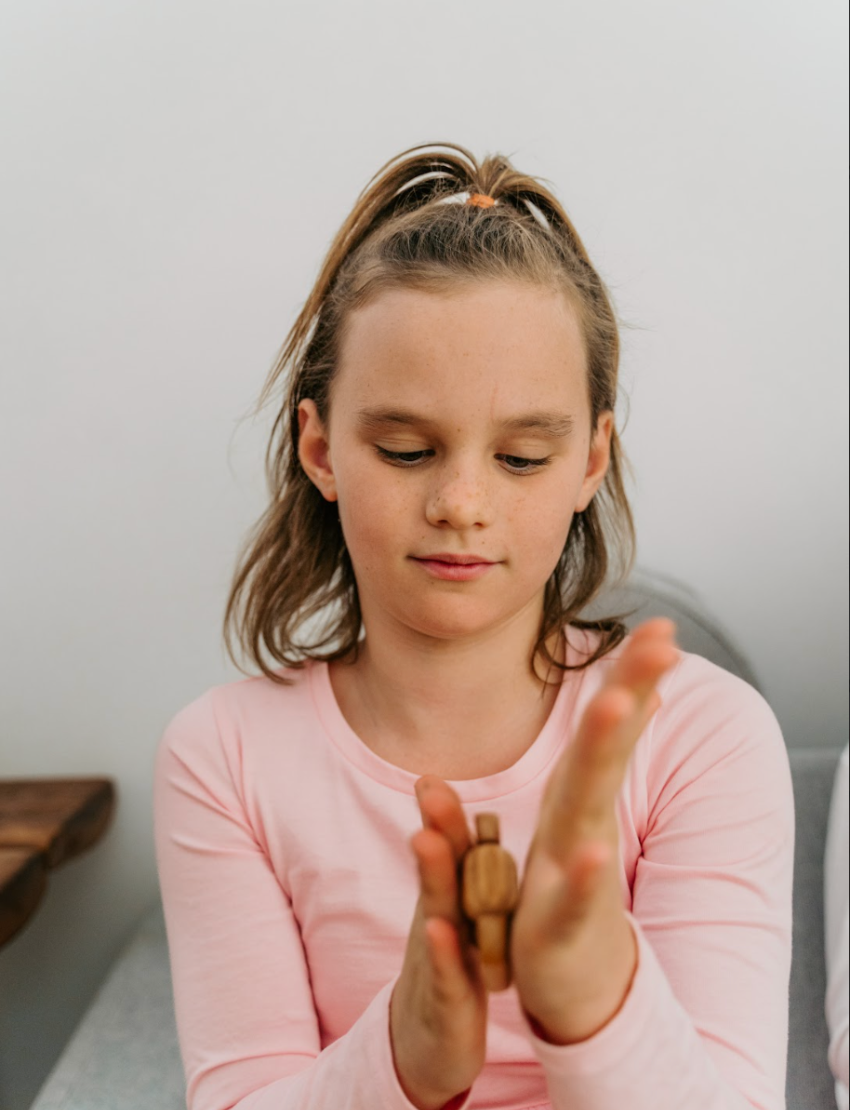
These tools give the body something clear to do, which, for most children, is easier to connect to than being told to calm down. This is why many families find reaching for a sensory regulation tool to be a play-based and effective approach.
These are starting points, not prescriptions. What settles one child does nothing for another, so try one thing and watch what happens.
A moment like this
A moment like this
A moment like this
A moment like this
A moment like this
A moment like this
A moment like this
They are similar things under two names. A sensory tool is an object that helps a child settle their body and notice what it needs, and regulation is the word for what you are helping them do.
Most of them do one of three jobs: provide heavy input for a body that needs 'more', less input for a body that's already getting 'too much', or teach them words for a feeling they cannot name or communicate yet.
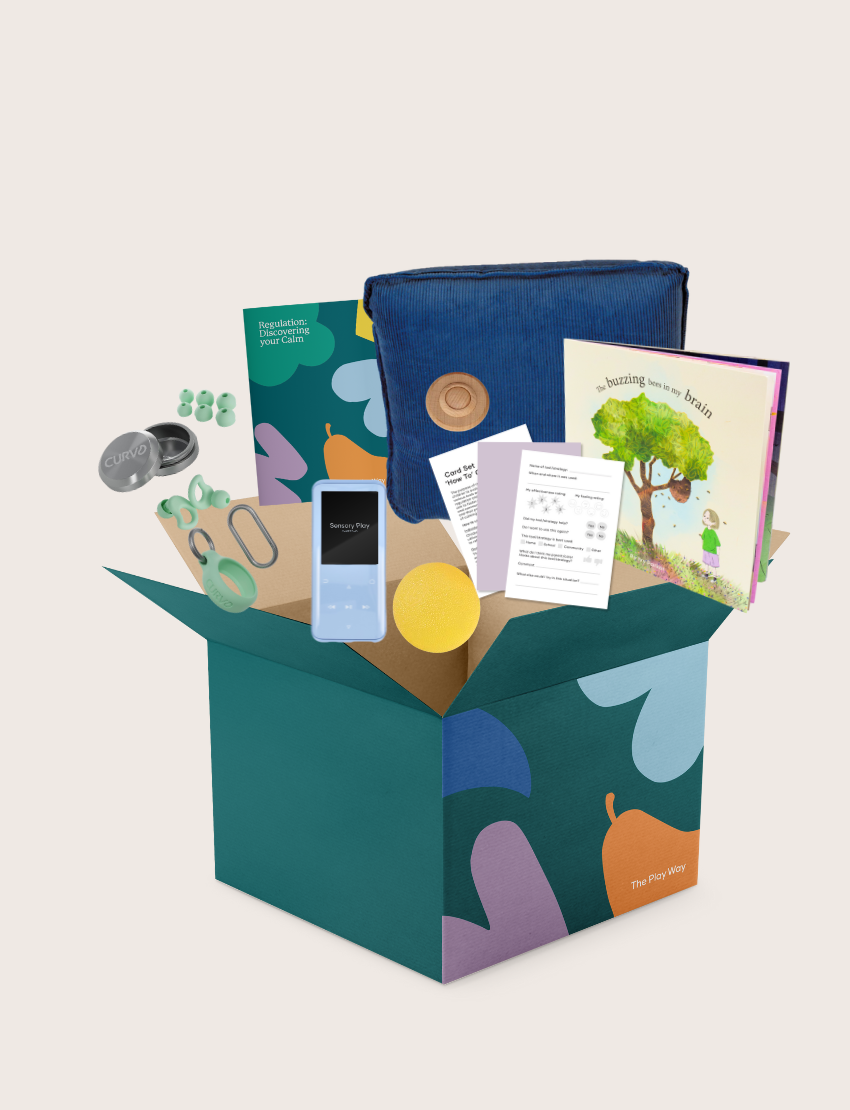
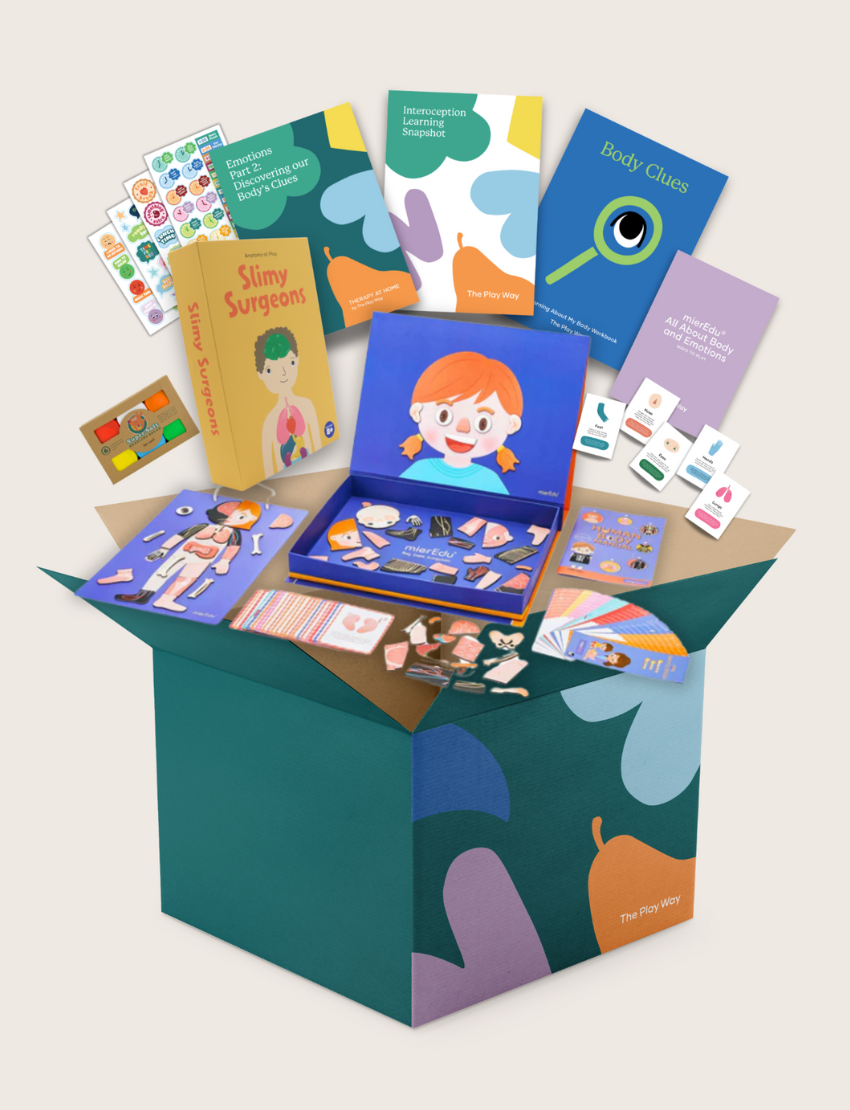
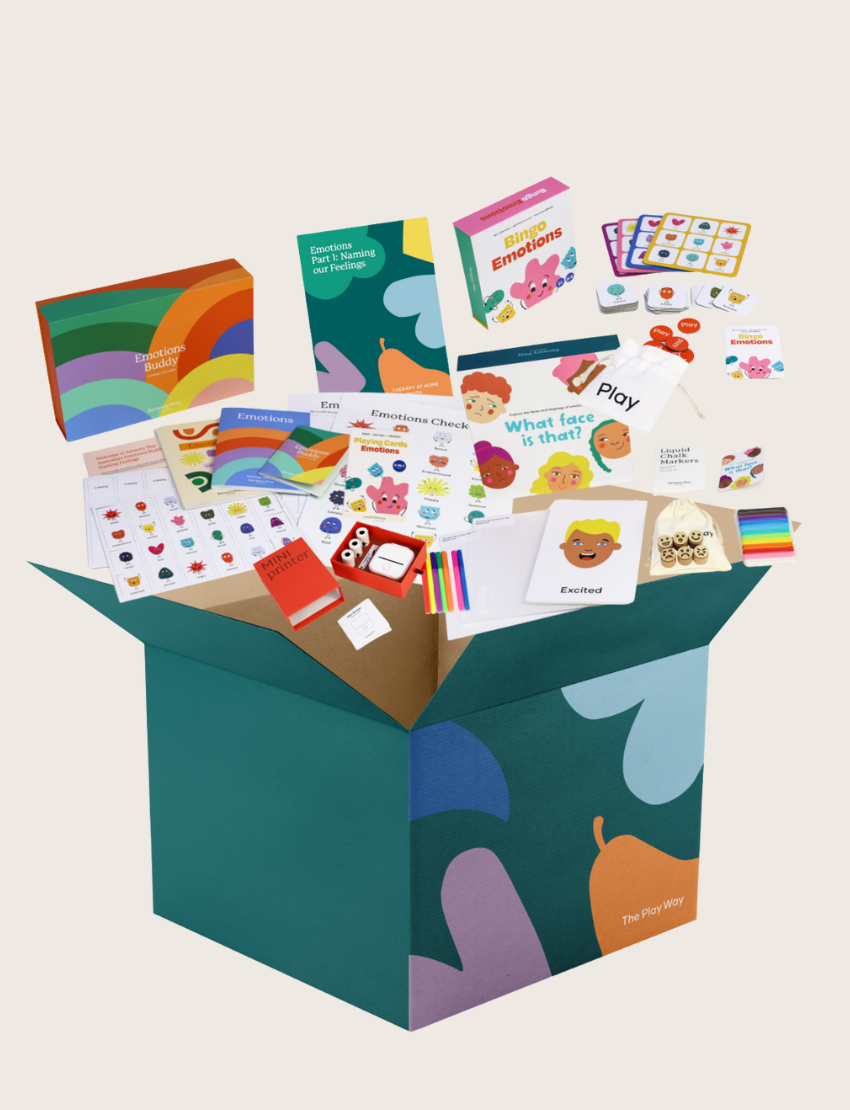
Our tools range from a single card set to a full play kit with the teaching from our therapy team to go with it, depending on how you want to approach things.
Most emotional regulation starts in the body, not in a conversation. So the activities that help are physical ones, and most of them need nothing you have to buy.
Heavy work is the one to start with: pushing a laundry basket, carrying the shopping, a bear crawl down the hallway, a long squeeze before bed.
Water helps too, so a bath, a shower, or sensory play at the sink with a few cups and a jug.
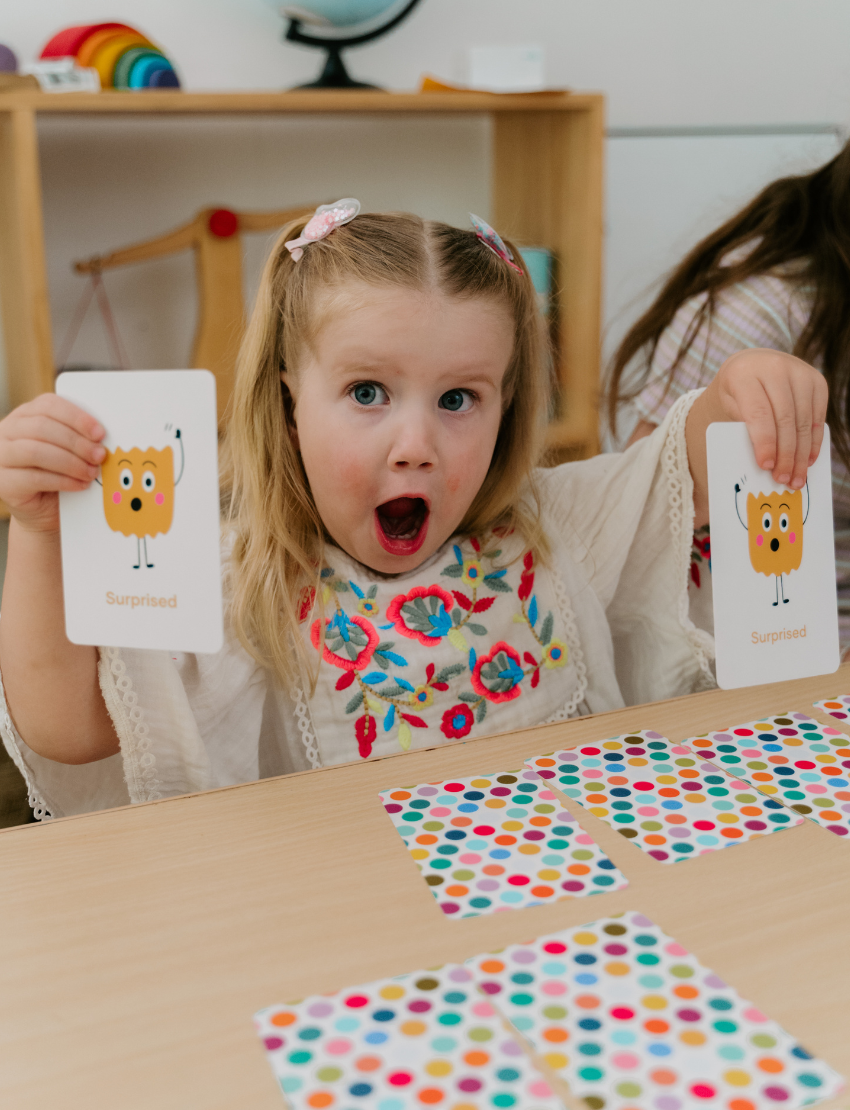
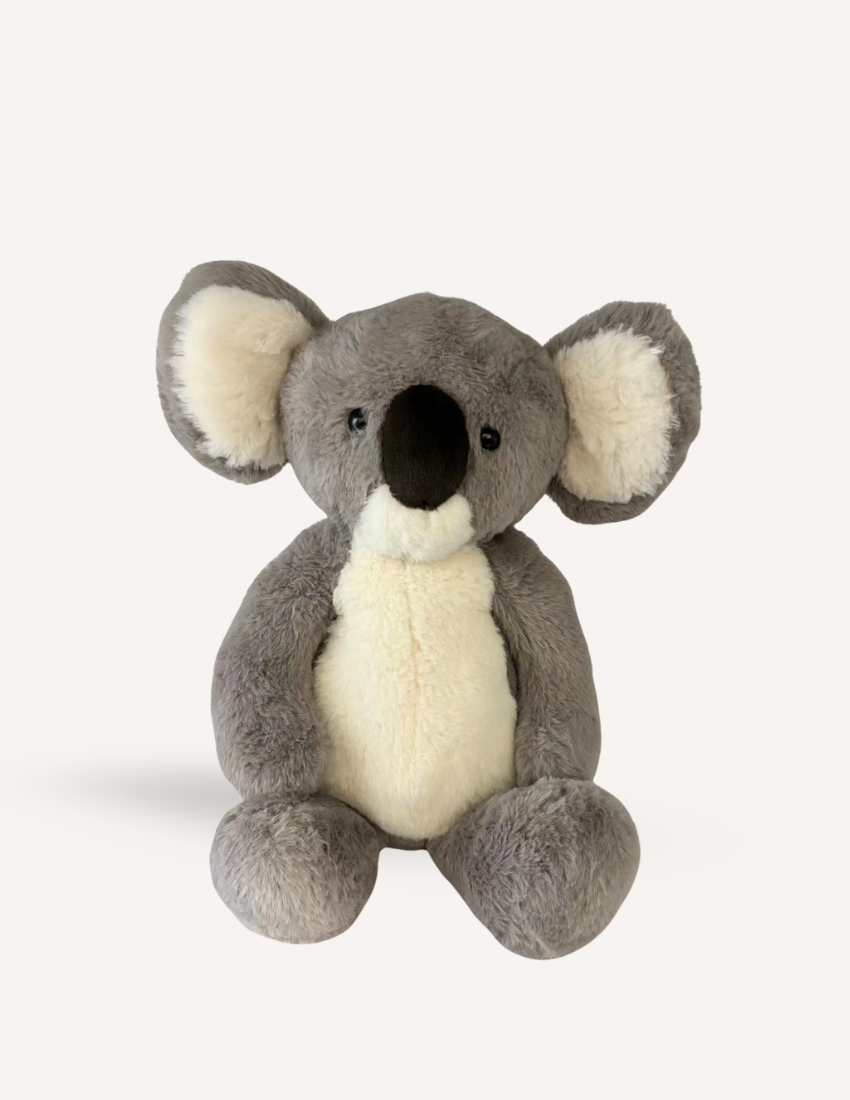
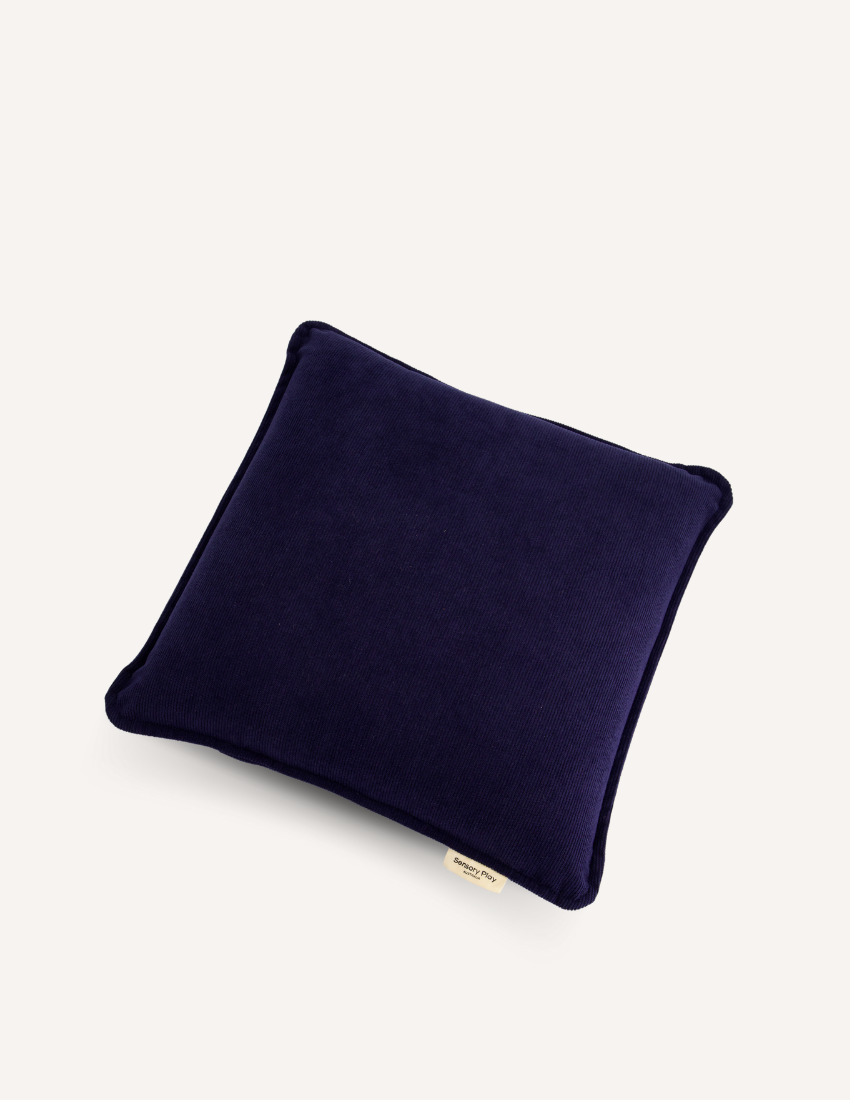
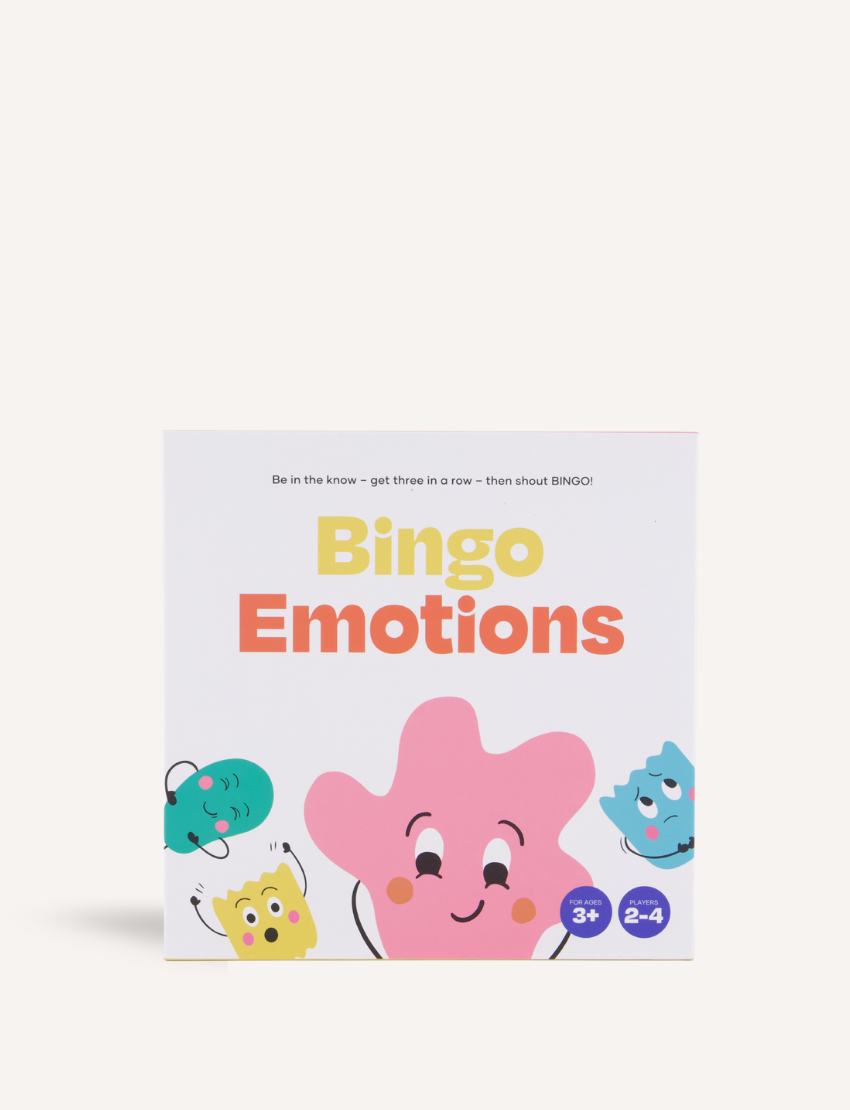
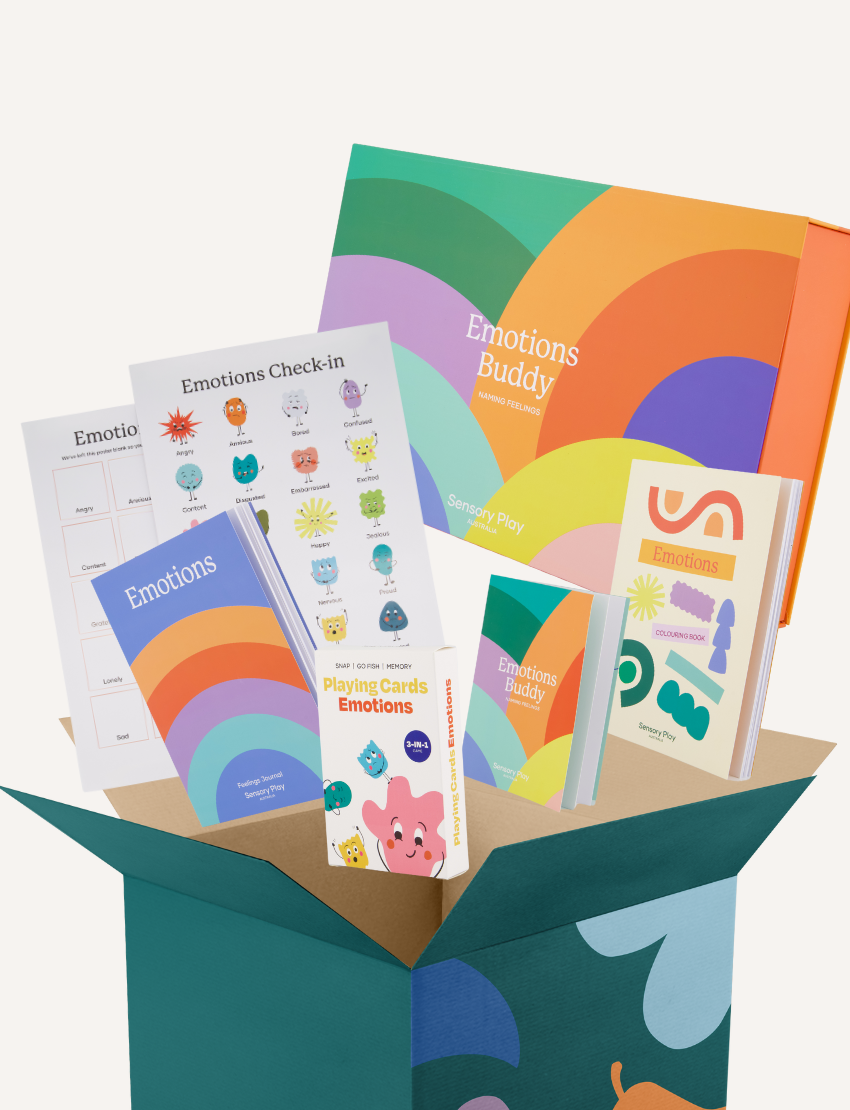
The tools like a crash mat, vibrating cushion, or our breathing cards are great places to start with regulation. And then in the calm moments where you want to build up their skills for the future, the emotions buddy is a winner for developing the language they need to communicate how they're feeling.
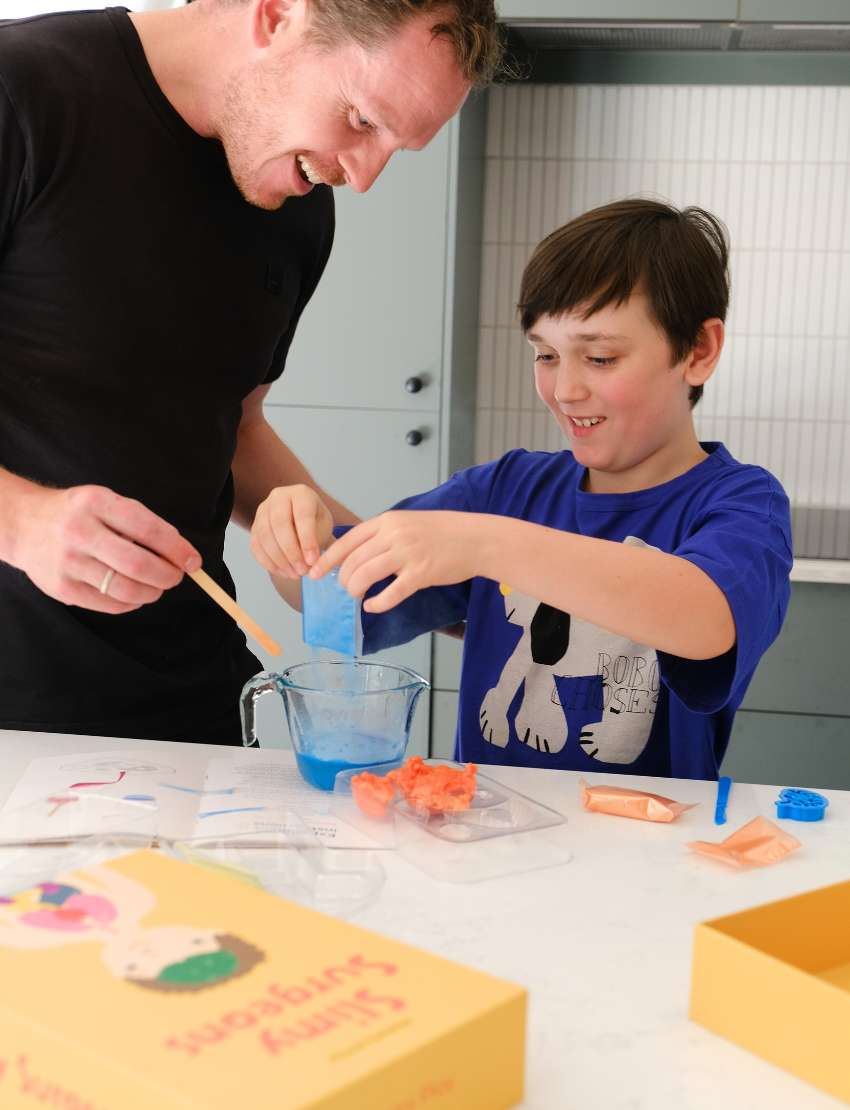
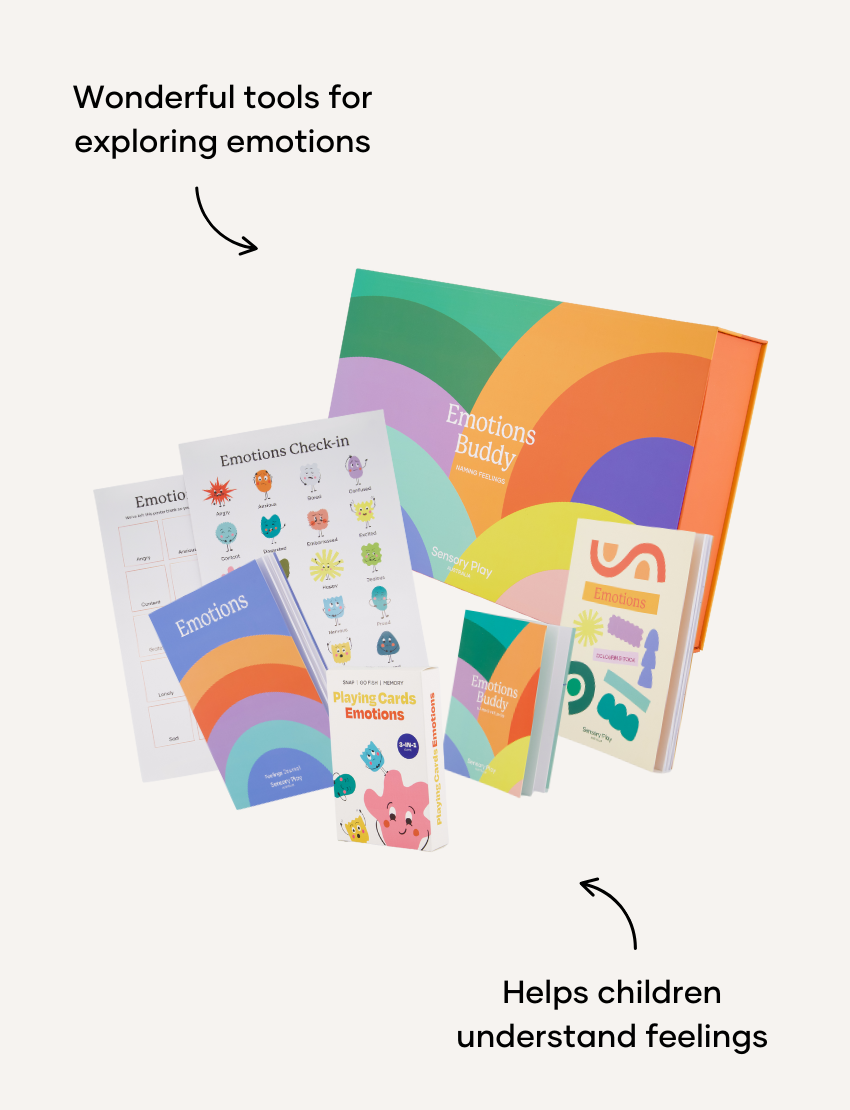
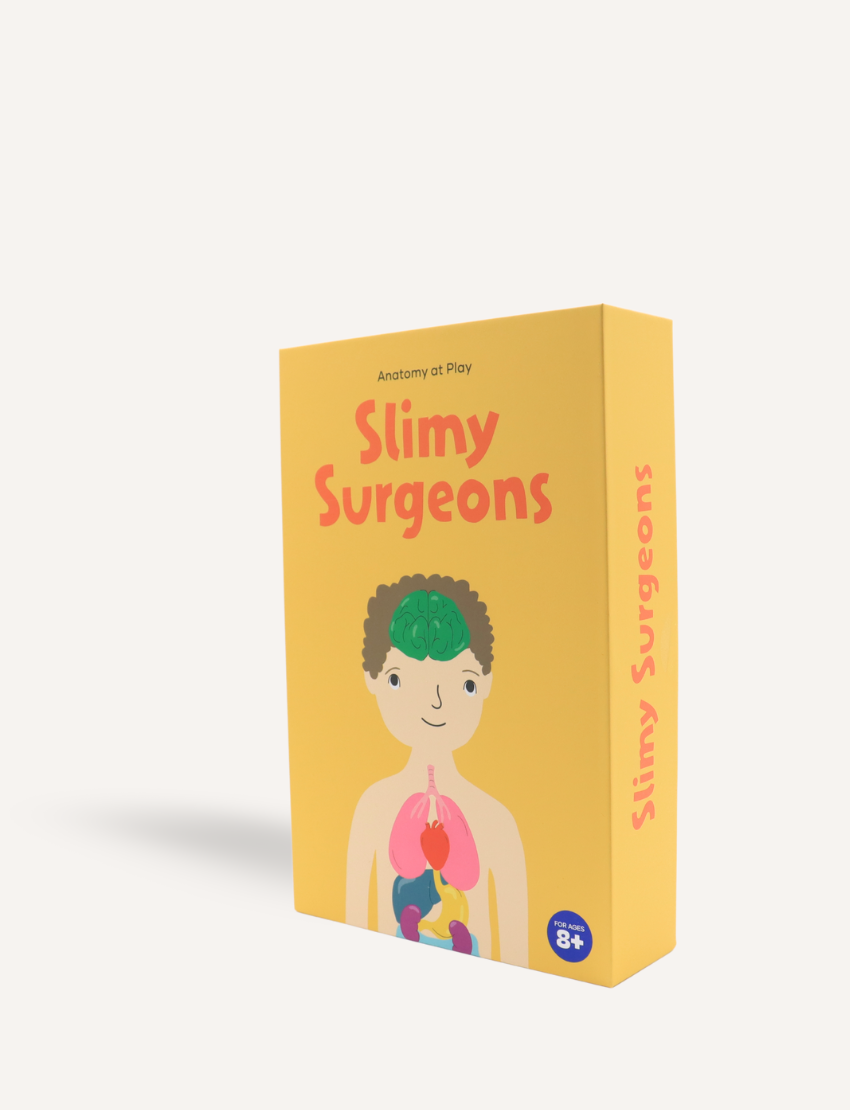
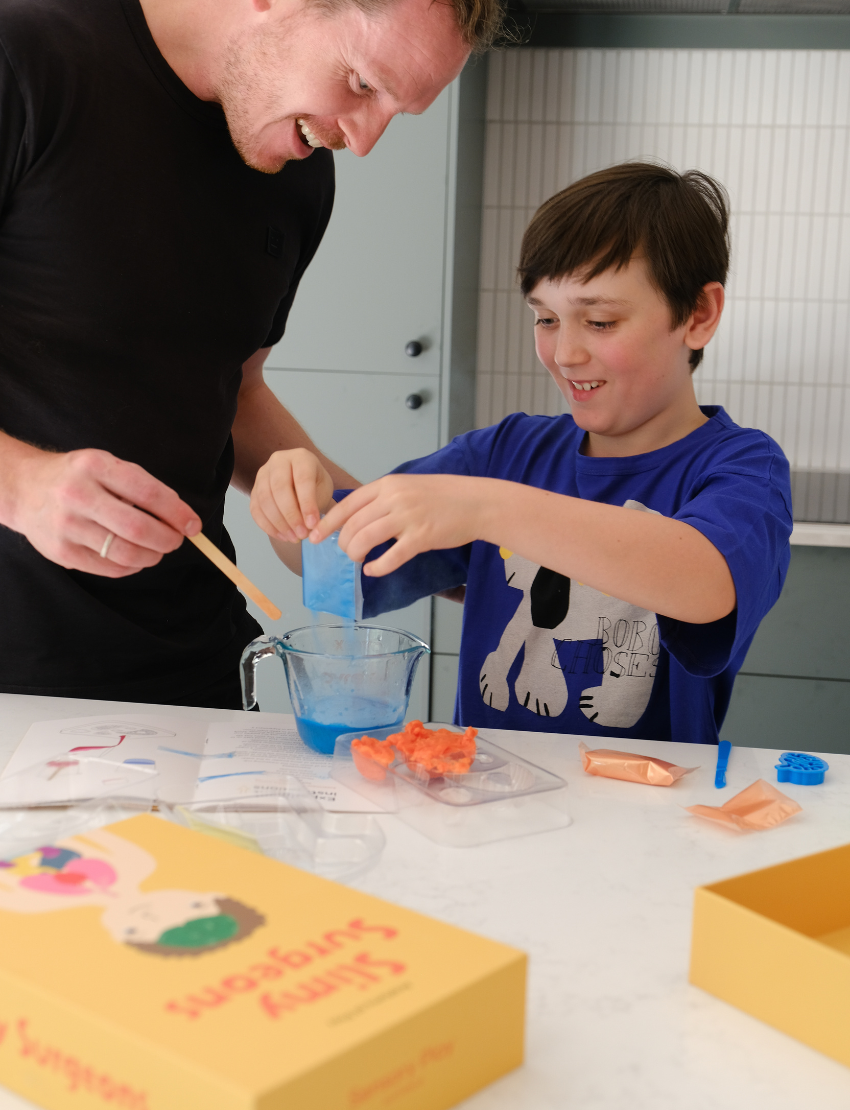
For the fully guided support, our play kits bring together videos from our therapists with printed parent guides and all the play tools delivered to your door.
In the moment, less talking and more doing. A big squeeze all over, something heavy on their lap, a dark quiet space, or pushing hard against a wall usually helps a lot more than trying to ask them questions or getting them to use their words.
Some children crash, climb and cannot stop touching things. Some go the other way and seem distant or hard to reach. These kids likely need more opportunity for action and movement.
Others hold it together all day and fall apart the moment they get home. Their cup fills faster than most, and by the time they reach you it is already overflowing. These kids need the day made quieter and softer, not heightened by more action.
Waiting lists for children's occupational therapy in Australia can run many months, and there is a lot you can do in that time.
Kait's answer to this one; you do not have to wait for permission to start helping your child. Getting onto the waitlist does not mean you sit on your hands until your turn comes around.
Ask a Therapist, our messaging support inside the Hub, is built for this too. You send a question, a voice note or a video from home, and a therapist on our team writes back. If you would rather talk it through, our one-to-one guidance packages are private sessions with Kait. Our play kits are built for this purpose also, with guided videos showing you the how, what and why alongside the tools that bring a play-based approach for your child to engage with.
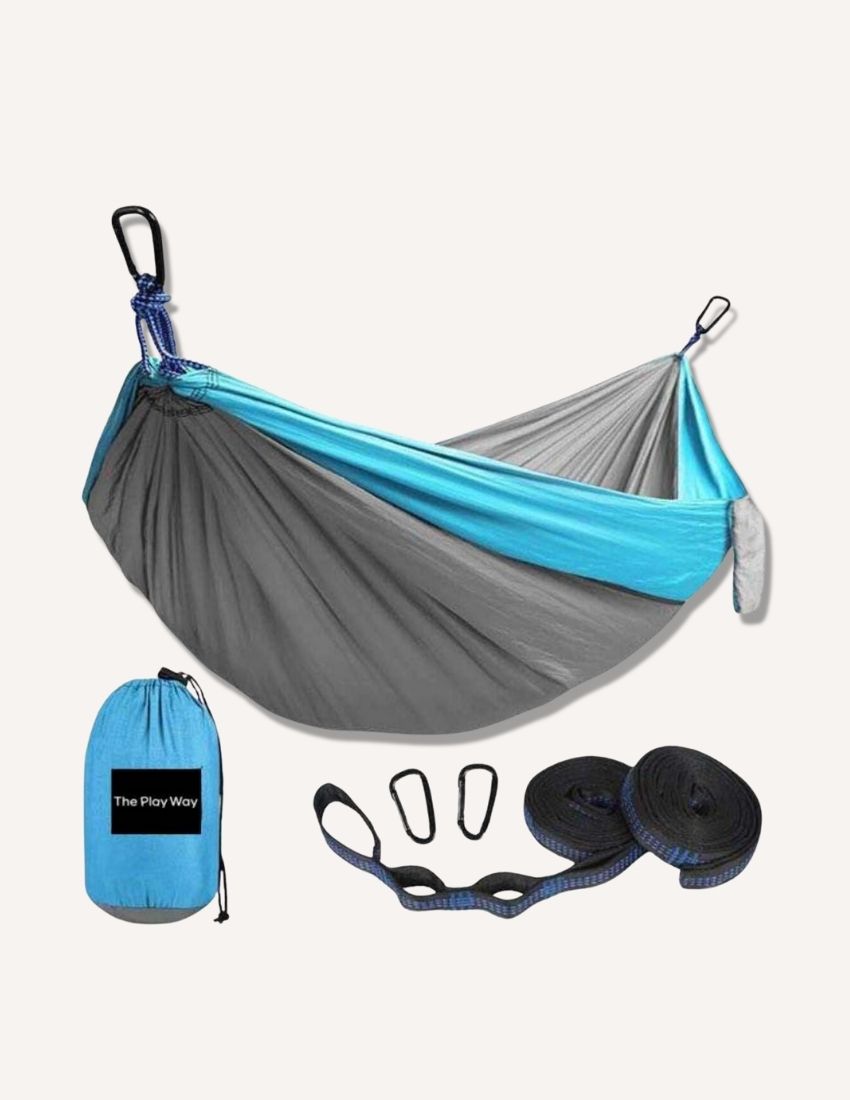
Many families of children with ADHD use them. Things a child can push against, crash into or swing on give the body a big dose of input in a short time.
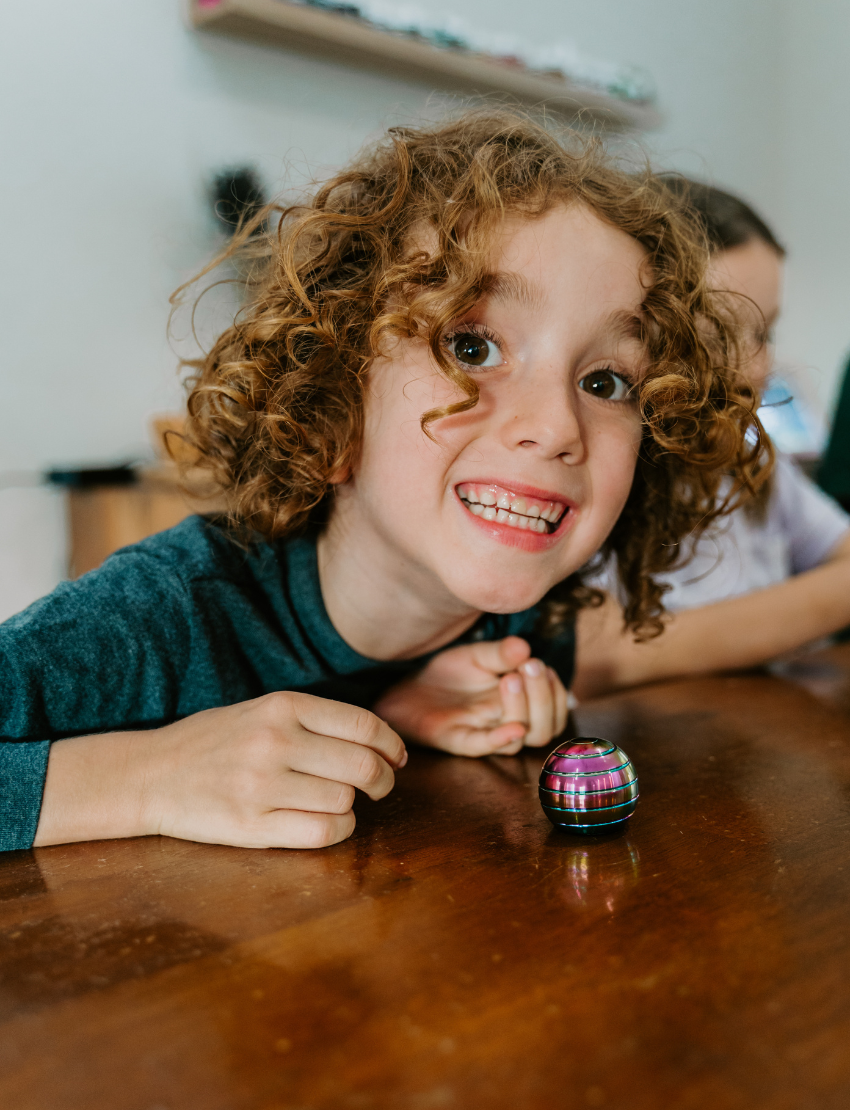
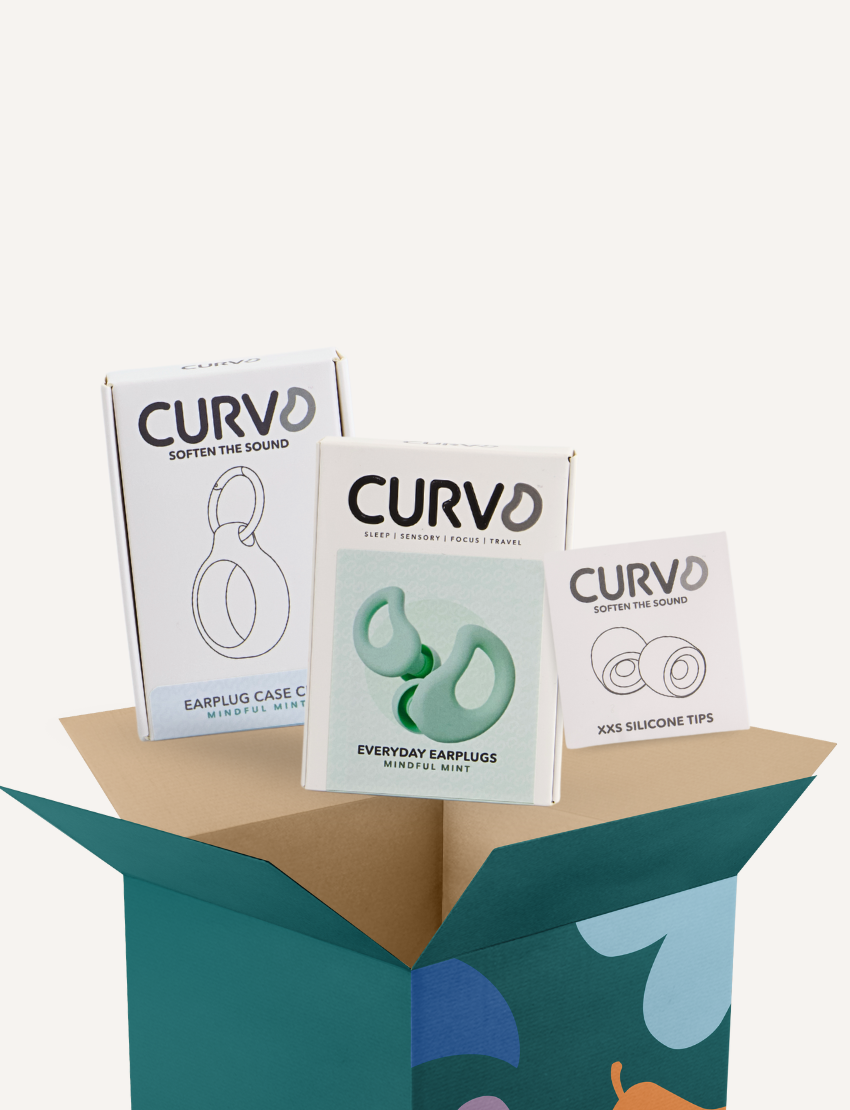
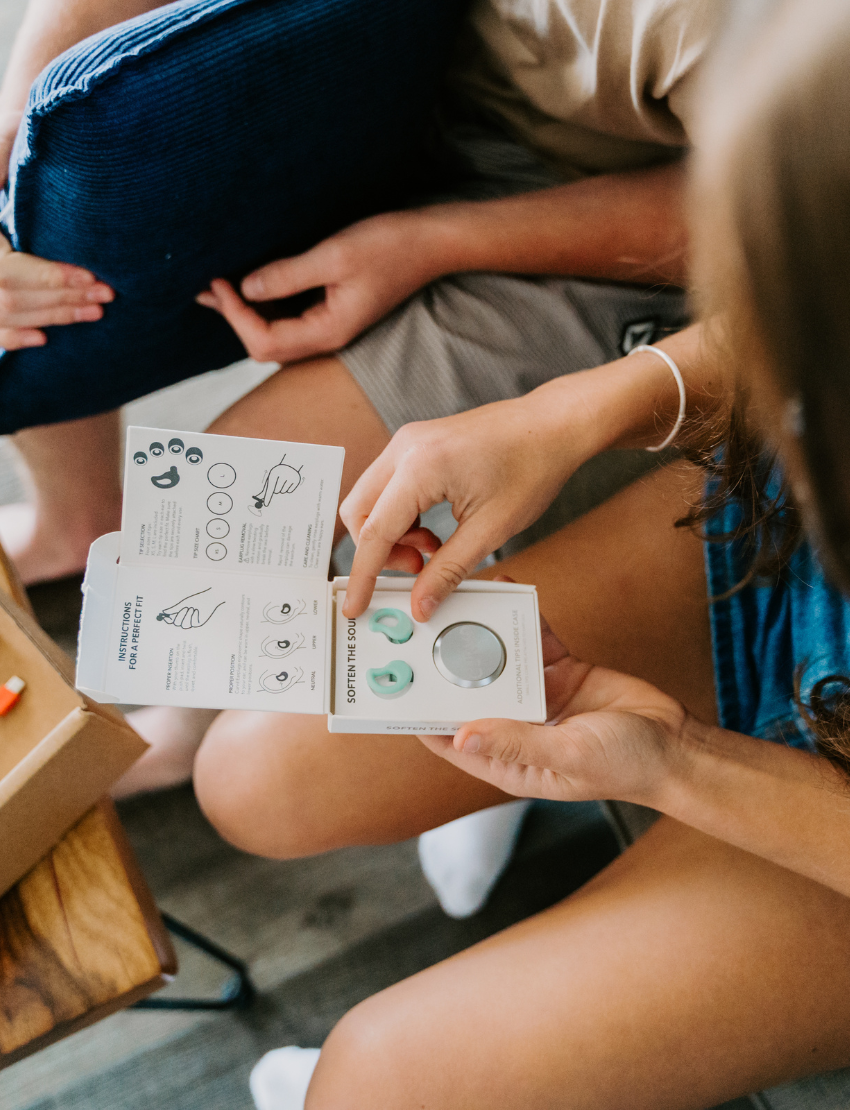
Fidgets can help during sitting-still tasks like homework. Ear plugs help the children who find a classroom or a shopping centre too loud.
Sensory needs vary a great deal from child to child, so match the tool to the moment rather than to the diagnosis. Many autistic children seek out deep pressure and heavy input, and on this page the crash mat is the tool for that. Many others are avoiding input, and for them ear plugs, a quiet corner and a breathing card set tend to land better.
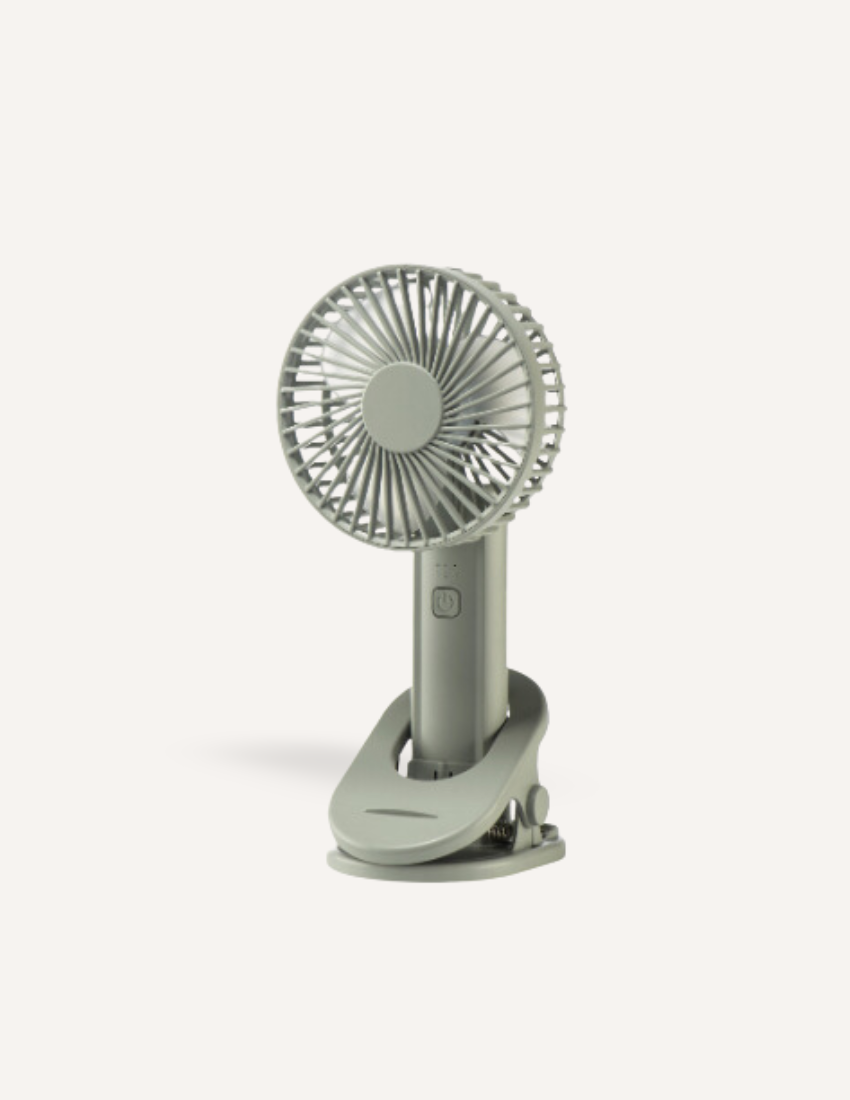
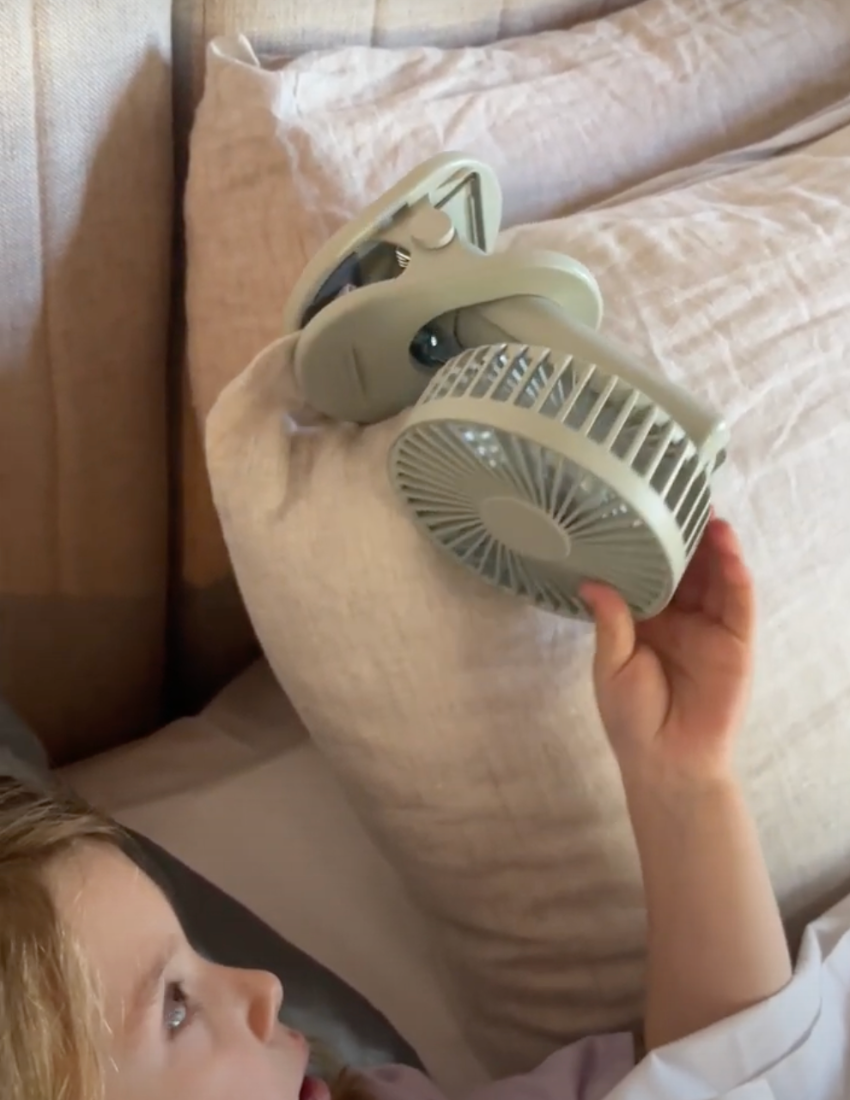
They are usually opposite problems. Bedtime needs input that settles, so that is the sleep fan, breathing cards and a calm story. The after-school hour is usually a child who has held it together all day and needs to move, so that is the crash mat and anything they can push against.
Yes. The tools on this page are chosen by our therapy team, which is Kait Cummins and a team of OTs, speech pathologists and behaviour practitioners.
Kait is an Australian occupational therapist with 20 years working with families, and the play kits are put together around the skill areas families ask us about most.
Please do not purchase sensory items from our store with the intention to claim them on NDIS. Our NDIS payment information page sets out the detail.
If you need therapist support for your child and you want to use your NDIS plan, please contact our team at ask@theplayway.com and we can direct you appropriately.
If you need an invoice for a work purchase, that is a different thing and our team can help with that - just email us.
Find out what your child needs most right now. Answer 6 quick questions and get a free personalised play plan. The one area where your child is most ready to grow, and the specific Hub programs to match.
Acknowledgement of Country
The Play Way would like to acknowledge the Yorta Yorta people who are the traditional custodians of the land on which our head office is located; where we gather, work, create and learn. We pay respect to their tribal Elders, we celebrate their continuing culture and we acknowledge the memory of their ancestors.
©2026 The Play Way All rights reserved
If you plan to claim these products/programs using NDIS funds DO NOT process this order. Once this order is confirmed there is no refund for change of mind or being unable to claim a reimbursement from the NDIS (see our returns policy for details). Almost all of the products on our website are now on the OUT list, the 12 month grace period is over, your claim will not be successful and you will likely have to repay the NDIS for misused funds.
Our Hub Members enjoy a year round discount of 30% off our store. Become a member today from $14.99/month and enjoy these perks + more. Learn more