












Find out what your child needs most right now. Answer 6 quick questions and get a free personalised play plan. The one area where your child is most ready to grow, and the specific Hub programs to match.
A moment like this
Want to be able to message a therapist and get some guidance when you're stuck or unsure what to try next?
The Play Way's Ask a Therapist is now available.
Tell us what's going on, what you've already tried, and where you feel stuck. Our therapy team read, watch or listen to what you've described, consider what they would try next, why, and recommend any relevant resources from our Hub that might help, and reply to you within one business day.
Noise, light, worry and not knowing what comes next get in the way of sleep for a lot of children. Start with whichever one sounds most like your nights.
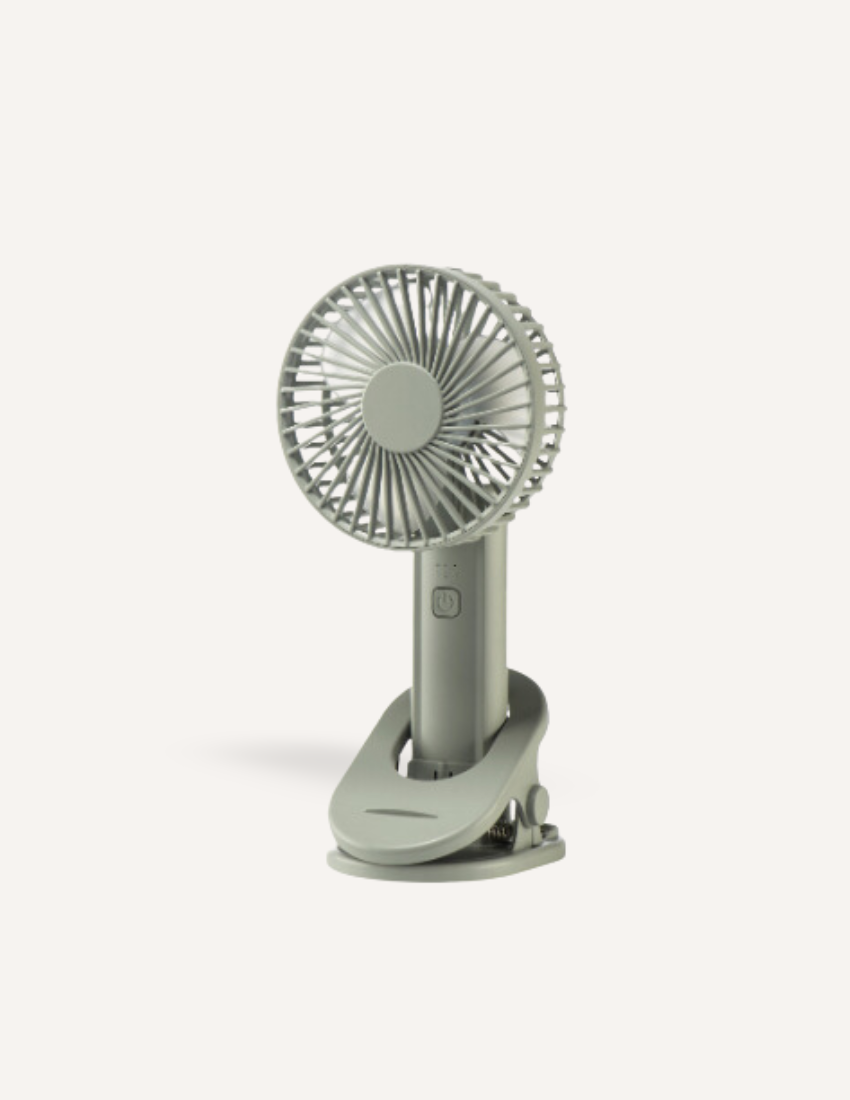
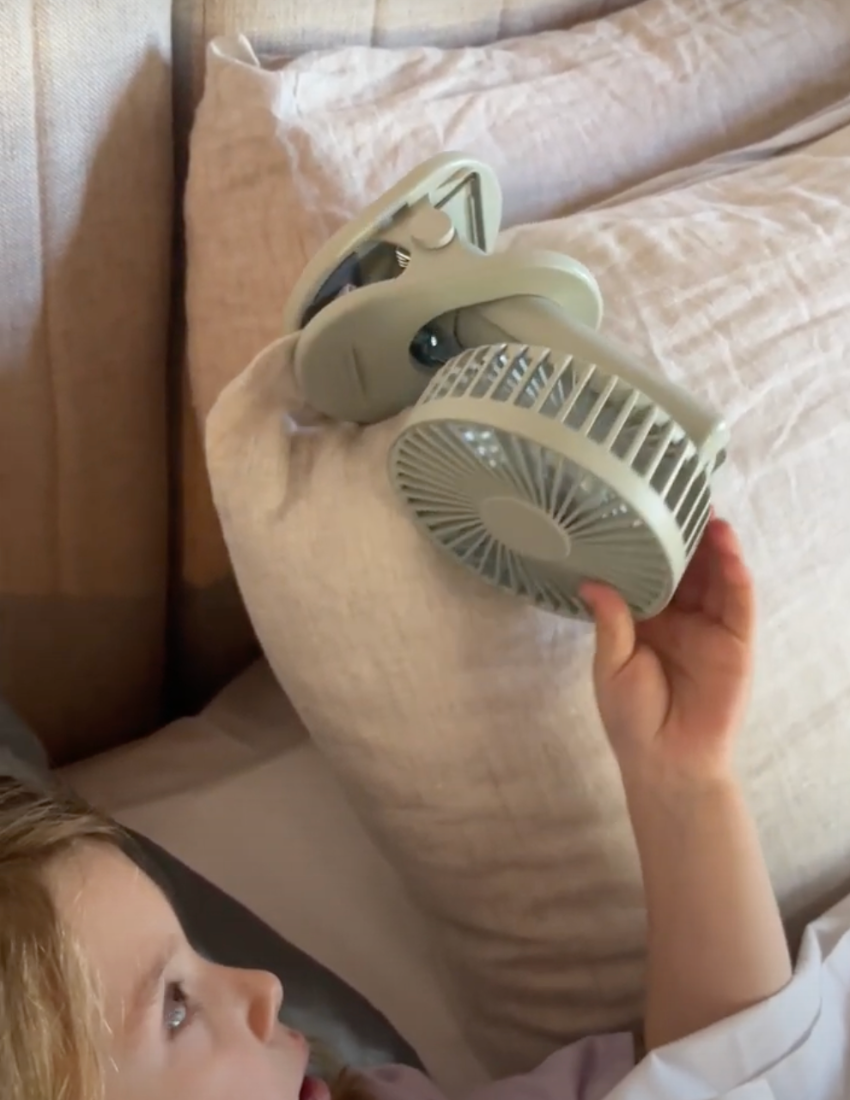
Before you change anything about the routine, it is worth ruling out the things a routine cannot fix. Watch how your child breathes while they are asleep. Mouth breathing, snoring, or pauses in their breathing are all worth mentioning to your GP. Then the room, because it is the easiest thing to change. Most children settle better somewhere dark and cool than somewhere warm and dimly lit, and bedding they can actually tolerate matters more than how it looks, so a heavier blanket for the child who likes the weight, or a fan for the one who runs hot. And you can also explore the 4 things our Play Kit and tools work on; noise, light, worry, or the routine itself.
The quality matters just as much as the hours, and that is the part most advice skips. What our therapy team keeps coming back to is whether a child is reaching deep sleep at all, because that is where the repair work happens. A child can be in bed for eleven hours and still wake up as though they have not slept. Our Sleep program inside the Hub covers all of this including the hours of sleep a child is recommended at each age bracket.
Work backwards rather than picking a time. Decide when they have to be up, count back the hours they need, then add however long it actually takes them to fall asleep, which for a lot of children is longer than their parents expect. Earlier tends to beat later, and the same time every night is great if you can do that. Teenagers are the hard case, because their body clock pushes them later while school still starts early, so something has to give somewhere. Our Sleep Buddy routine magnets let your child create the order for their bedtime routine and see it for themselves, which removes the argument and puts it on the board in pictures they can follow.
Start with the body before the behaviour. Frequent waking and restless nights, the kind where they end up sideways across the bed with the blankets on the floor, can come from an ear that keeps getting infected, or from a child whose balance system is easily unsettled. Our therapy team rules those out first, and that is a conversation with your GP rather than something to work out on your own. Then the simple things. The room temperature. A child who runs hot needs a fan more than a heavier blanket, and a child who likes the weight needs the opposite. Some children settle better tucked in firmly to get that extra bit of pressure. A fan running all night also keeps the sound of the house steady. These things all add up and then best thing you can do is explore and be curious.
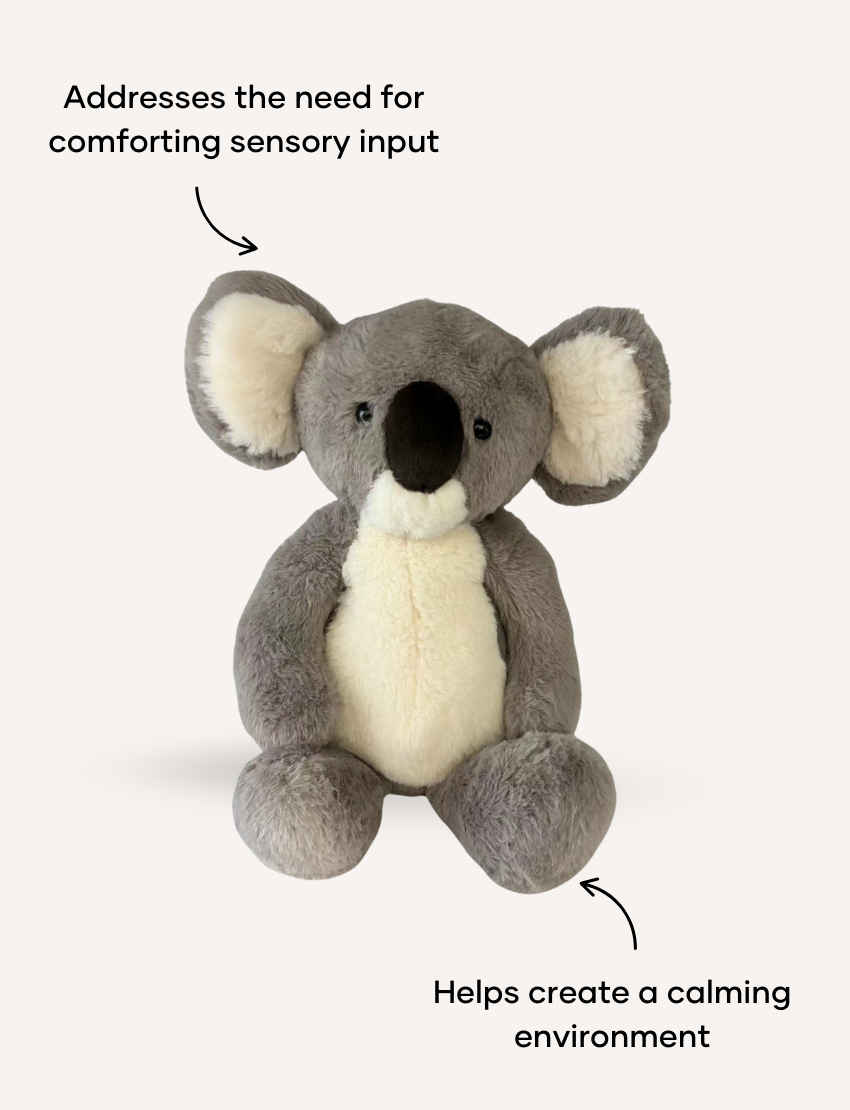
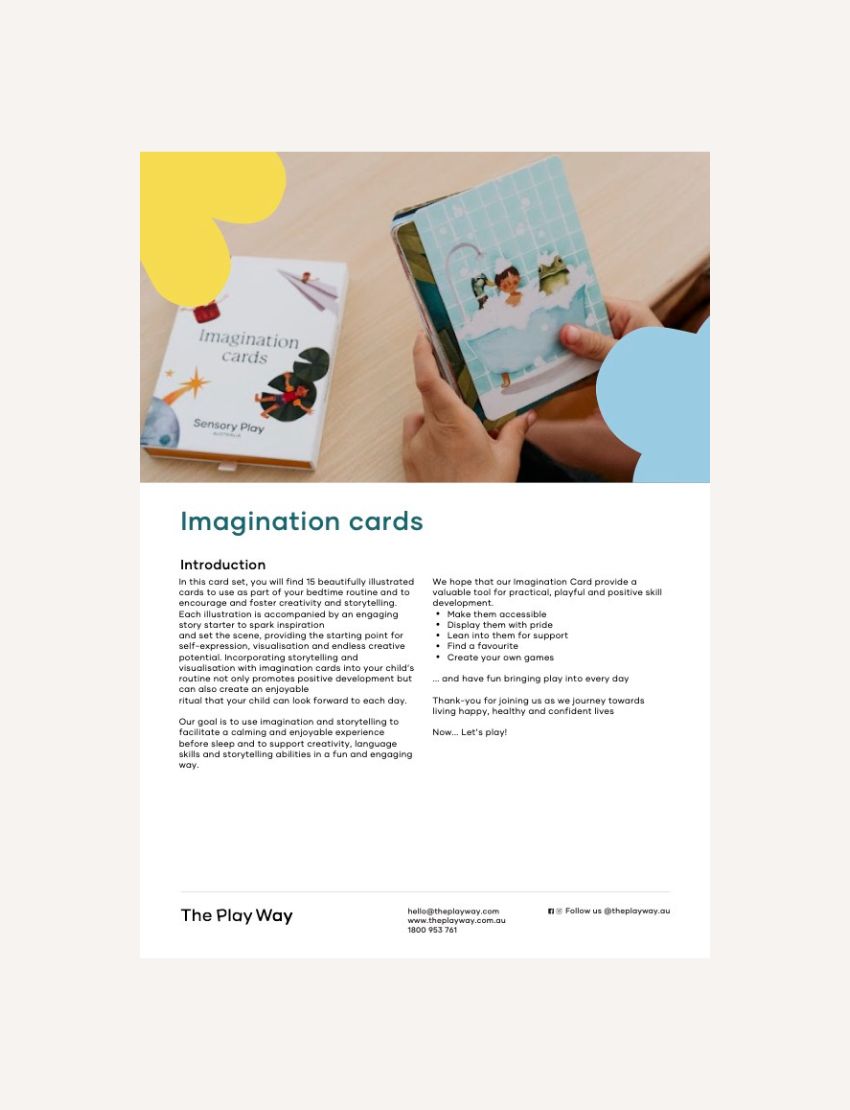
It depends which part of bedtime is the hard part, and our kits are built around different challenges. The Sleep Storytime Kit is for winding down with a story: Finley's bedtime story, the story starter cards and a magnesium spray. The Sleep Set is for comfort and the room: the oil rollers, the magnesium spray and a silk pillowcase and eye mask. The Sleep Buddy is for the routine side of it, with a magnetic planner, a story, a journal and a night light. The Sleep Play Kit is the largest, with eleven tools, and it is the one to start with if you do not yet know which part is the problem.
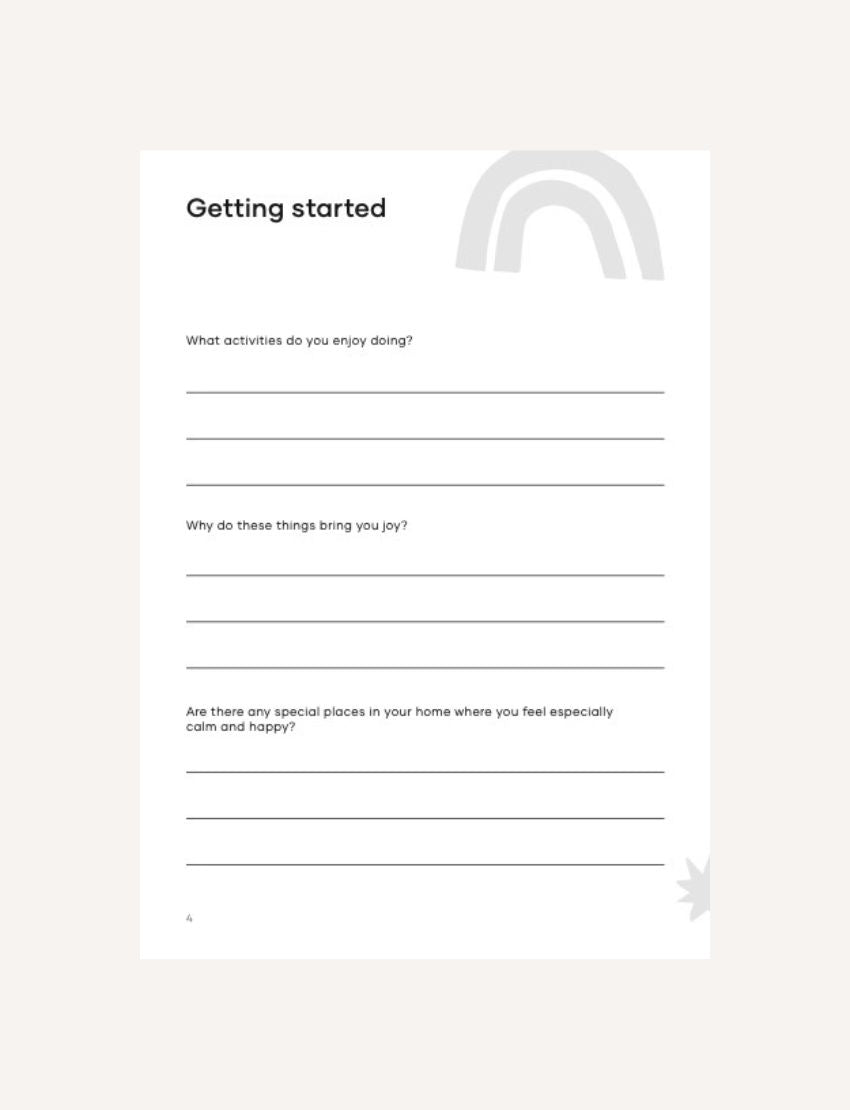
Working out what is causing the friction is a good place to start. Do they need to get more energy out before the wind down? Do they have big worries that need to be worked through? Our Sleep journal has prompts for rating the day and writing down what is still bothering them, which gets the worry out before the light goes off and the Sleep Buddy routine magnets help you design the wind down routine together. There is no right length for every family, and it helps to find out what’s working well, and what’s causing the challenges for your particular child and develop a wind down that works for them, and you.