

Find out what your child needs most right now. Answer 6 quick questions and get a free personalised play plan. The one area where your child is most ready to grow, and the specific Hub programs to match.
Fine Motor Skills
Play kits
The Play Way
Play Kit
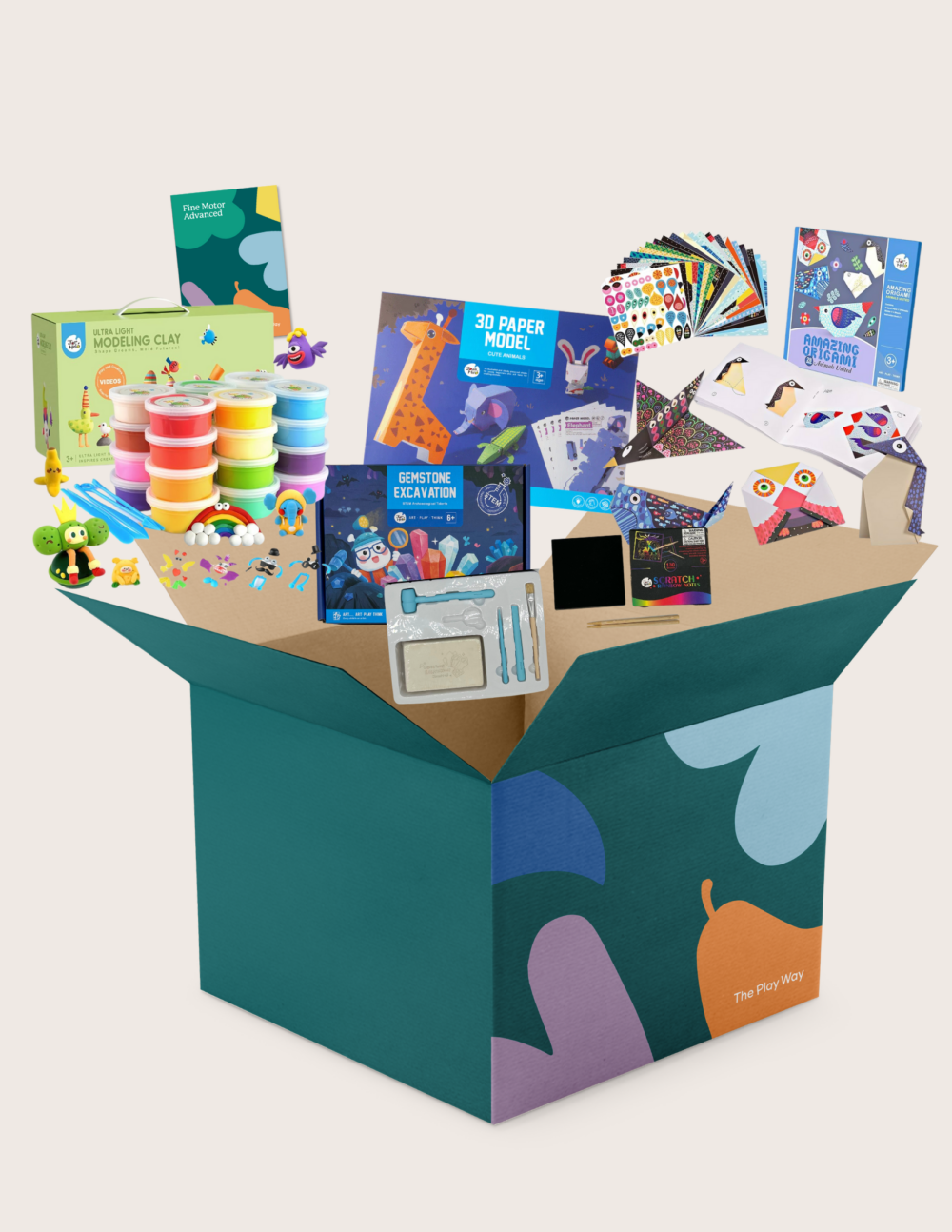
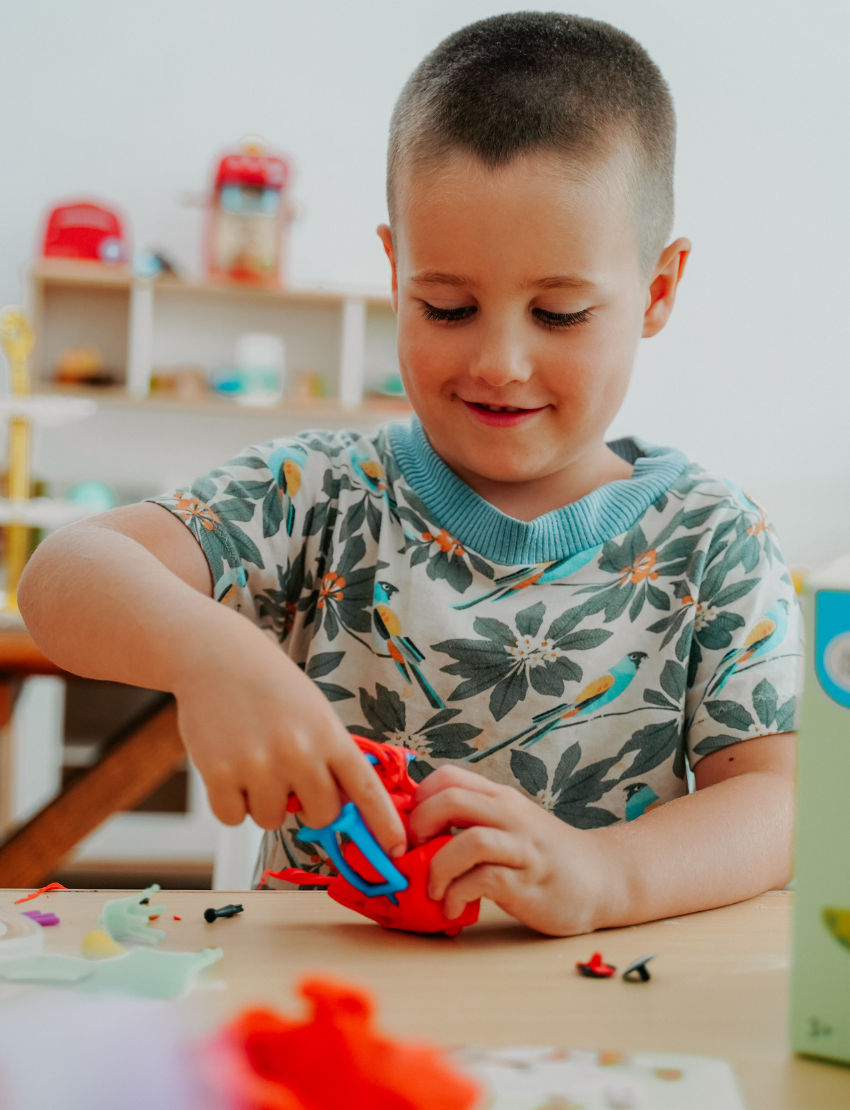
Fine Motor Thinking Hands Play Kit
Regular price
$59.00
Sale price
$59.00
Regular price
$0.00
Unit price
The Play Way
Play Kit
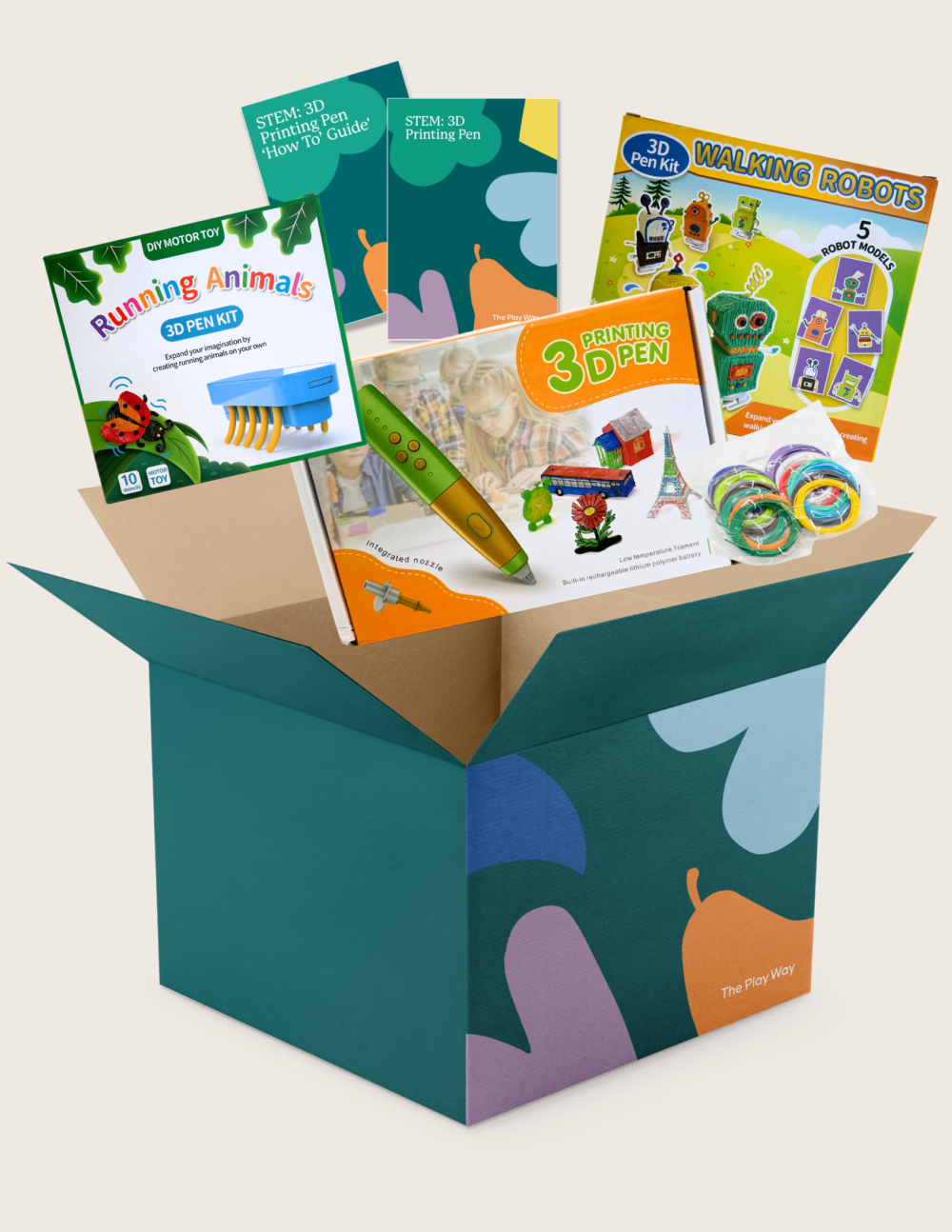
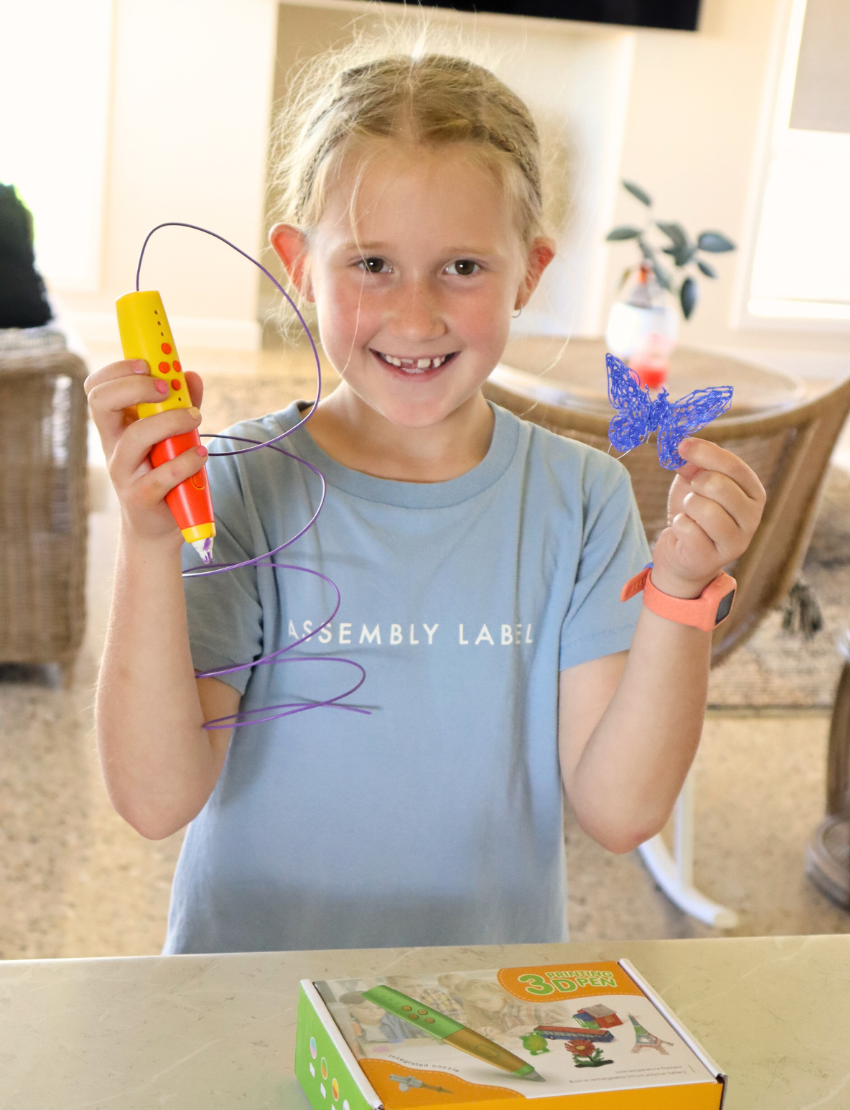
3D Printing Pen Play Kit
Regular price
$65.00
Sale price
$65.00
Regular price
$0.00
Unit price
The Play Way
Play Kit
Fine Motor Steady Fingers Play Kit
Regular price
$59.00
Sale price
$59.00
Regular price
$0.00
Unit price
The Play Way
Play Kit
Fine Motor Whole Hands Play Kit
Regular price
$59.00
Sale price
$59.00
Regular price
$0.00
Unit price
The Play Way
Play Kit
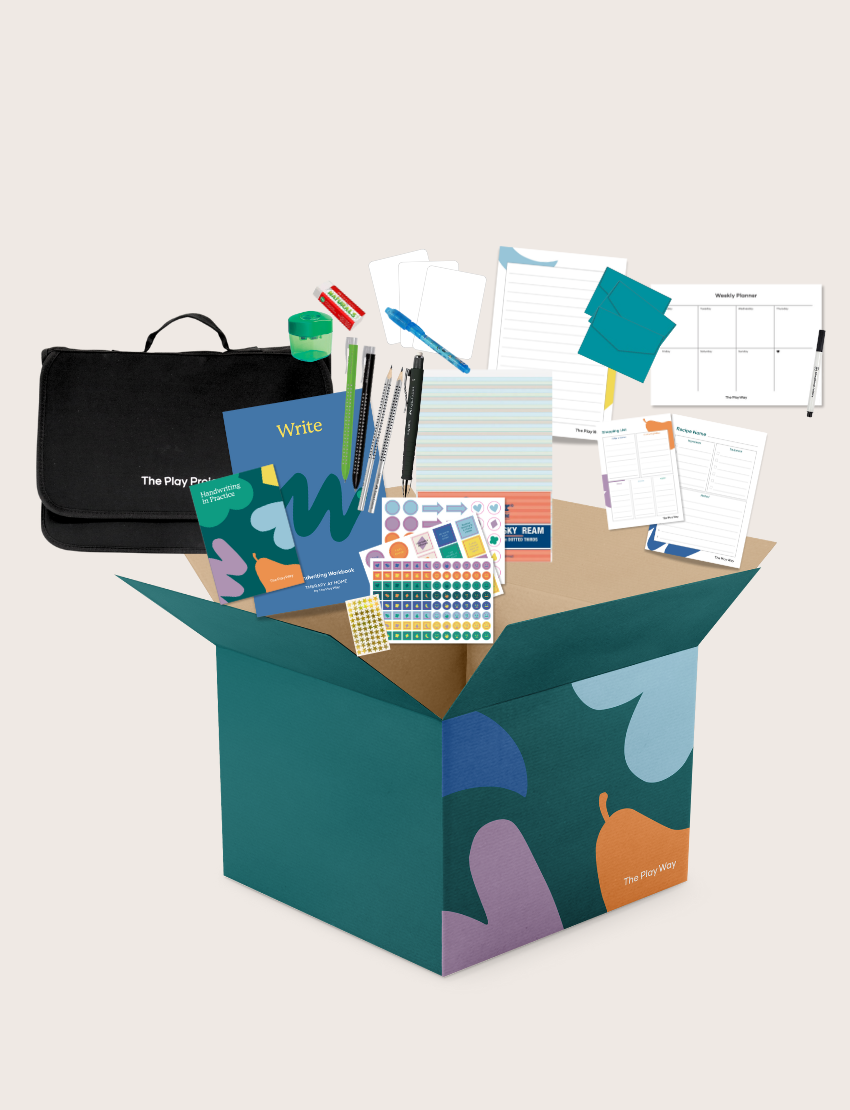
Handwriting in Practice Play Kit
Regular price
$79.00
Sale price
$79.00
Regular price
$0.00
Unit price
All Products


The Play Way
Fine Motor Practice: Art Kit
Regular price
$94.00
Sale price
$94.00
Regular price
$0.00
Unit price

The Play Way
Fine Motor Skills Masterclass
Regular price
$49.00
Sale price
$49.00
Regular price
$0.00
Unit price


The Play Way
Fine Motor Practice: Playdough Kit
Regular price
$49.00
Sale price
$49.00
Regular price
$0.00
Unit price


The Play Way
Fine Motor Practice: Gardening and Handwriting Kit
Regular price
$79.00
Sale price
$79.00
Regular price
$0.00
Unit price


The Play Way
Fine-Motor Practice: Puzzle and Craft Kit
Regular price
$74.00
Sale price
$74.00
Regular price
$0.00
Unit price


The Play Way
Fine Motor Practice: Puzzle and Dough Kit
Regular price
$64.00
Sale price
$64.00
Regular price
$0.00
Unit price


Tiger Tribe
Jet Racers - Bullseye
Regular price
$19.20
Sale price
$19.20
Regular price
$24.00
Unit price
Sort by
- Featured
- Most relevant
- Best selling
- Alphabetically, A-Z
- Alphabetically, Z-A
- Price, low to high
- Price, high to low
- Date, old to new
- Date, new to old
Recently Viewed Products
Fine Motor Skills
Frequently asked questions
What are fine motor skills?
The small, controlled movements the hands and fingers make. Picking something up between a finger and a thumb, holding a pencil, threading a bead, turning a page, using scissors, doing up a button or a zip.
What is a pincer grip?
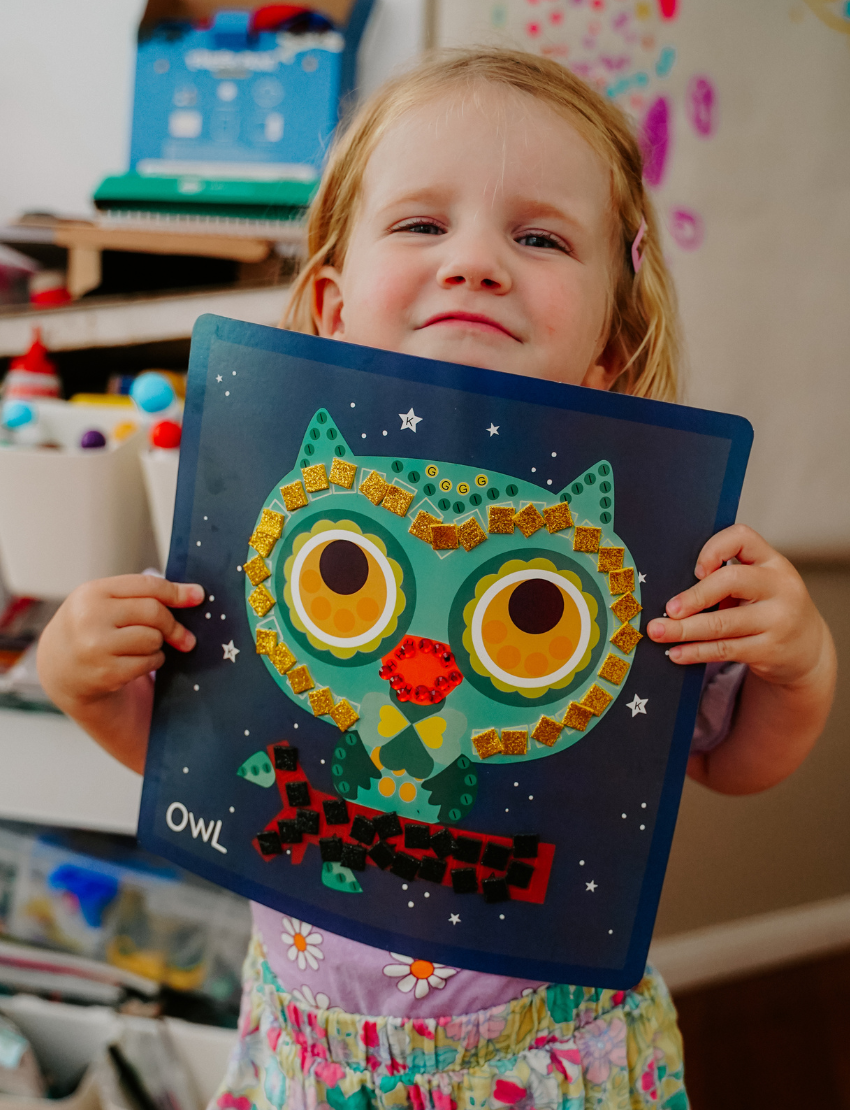
Holding something between the tip of the thumb and the tip of the index finger. It is the grip a child uses to pick up a single sultana, and it is the same grip they will later use to hold a pencil. Our Steady Fingers kit is built around it: peeling a sticker, twisting off a lid, pouring coloured sand into a narrow vessel. All of it asks for the same pinch.
What is the difference between fine motor and gross motor skills?
Fine motor is the hands. Gross motor is the whole body, so running, jumping, climbing, balancing, catching. They are not separate jobs, because a child needs a steady core before the hands can do anything exact, which is why our play kits work a lot on strength and why the gross motor and handwriting kits overlap with this one.
What goes in a fine motor kit?
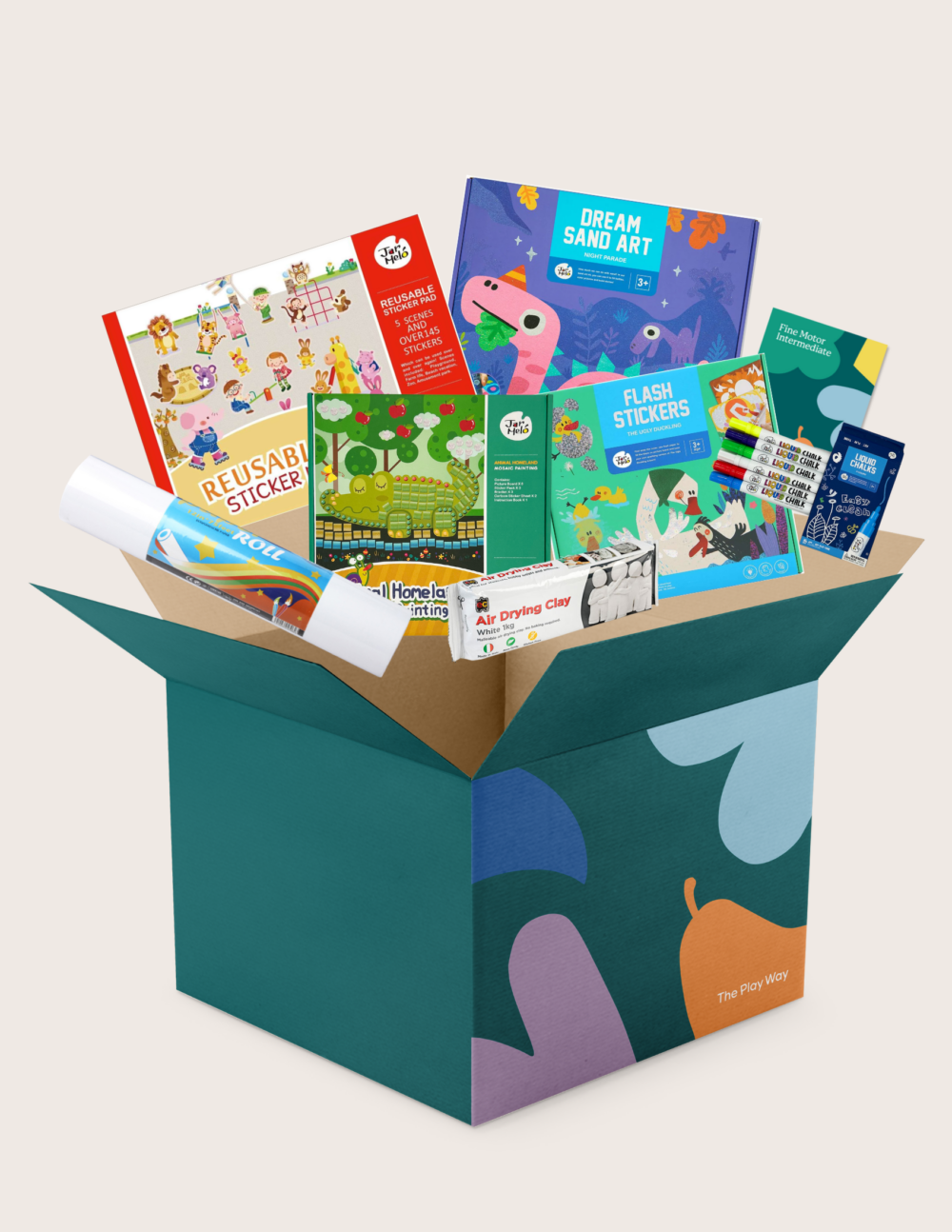
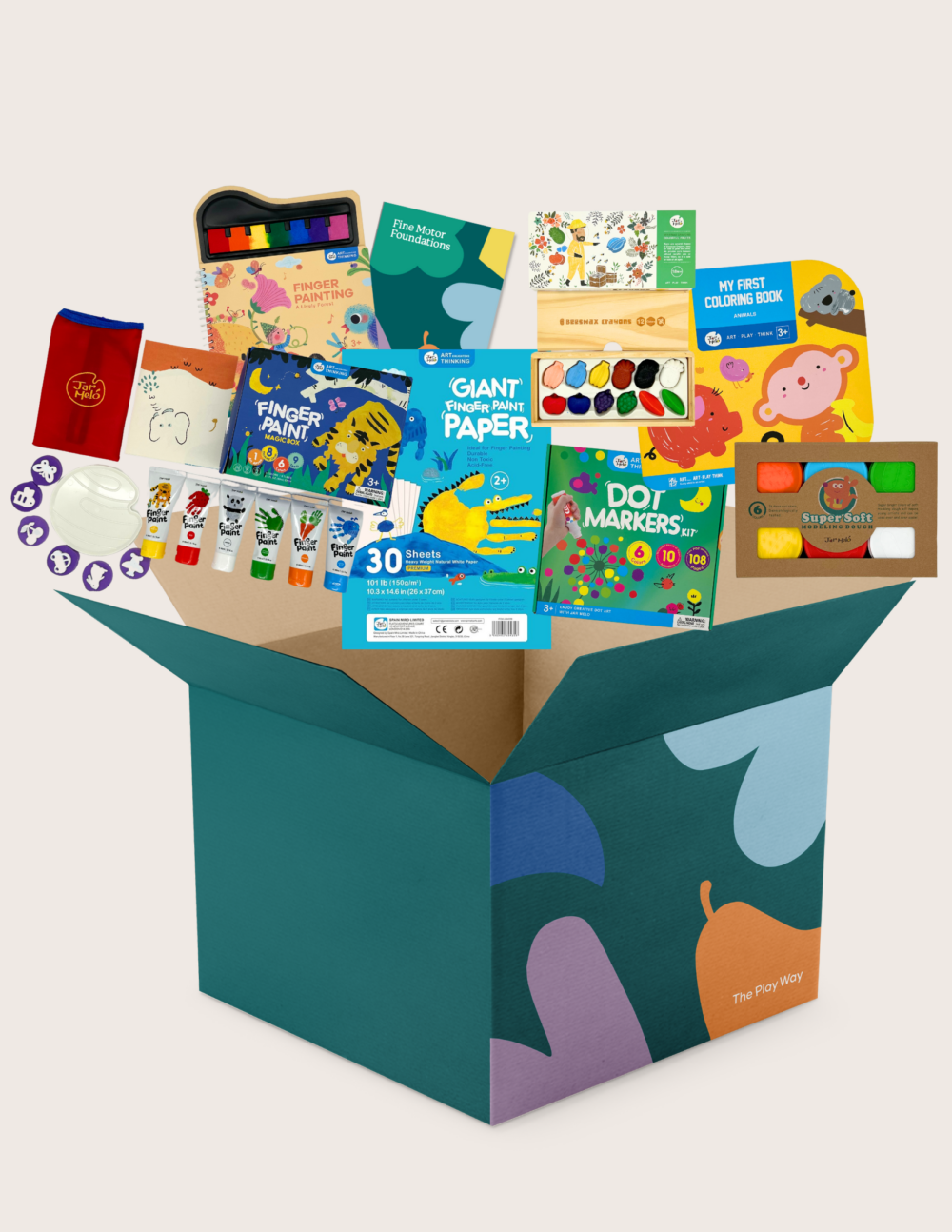
It depends which stage it is for, and ours differ on purpose. Whole Hands has chunky crayons, dot markers and five projects with everything already in the box. Steady Fingers has five projects that ask for a pinch and a careful placement. Thinking Hands has modelling clay, 3D paper models, origami, scratch art and a plaster block with gemstones buried in it, and every project takes a while on purpose.
How can I help my child's fine motor skills at home?
Give the hands a reason to work and something to show at the end of it. Dough, threading, peeling, pouring, twisting lids and tearing paper all work on the same muscles. Start from what your child already enjoys doing with their hands, and make that slightly harder as they build their skills. Then introduce new challenges once they have their confidence.

