Find out what your child needs most right now. Answer 6 quick questions and get a free personalised play plan. The one area where your child is most ready to grow, and the specific Hub programs to match.
A moment like this
Want to be able to message a therapist and get some guidance when you're stuck or unsure what to try next?
The Play Way's Ask a Therapist is now available.
Tell us what's going on, what you've already tried, and where you feel stuck. Our therapy team read, watch or listen to what you've described, consider what they would try next, why, and recommend any relevant resources from our Hub that might help, and reply to you within one business day.
A feeling a child cannot name is a feeling they cannot ask for help with. Most of what is here gives them the words to match their feelings while they are calm enough to learn them, rather than in the middle of a meltdown.
Also, underneath words are signals from the body. A racing heart, a tight chest, a stomach that growls. A child who can catch what their body is doing often gets a chance to say something before it gets too big. So these work at both ends: noticing what the body is doing, and having a name for it.
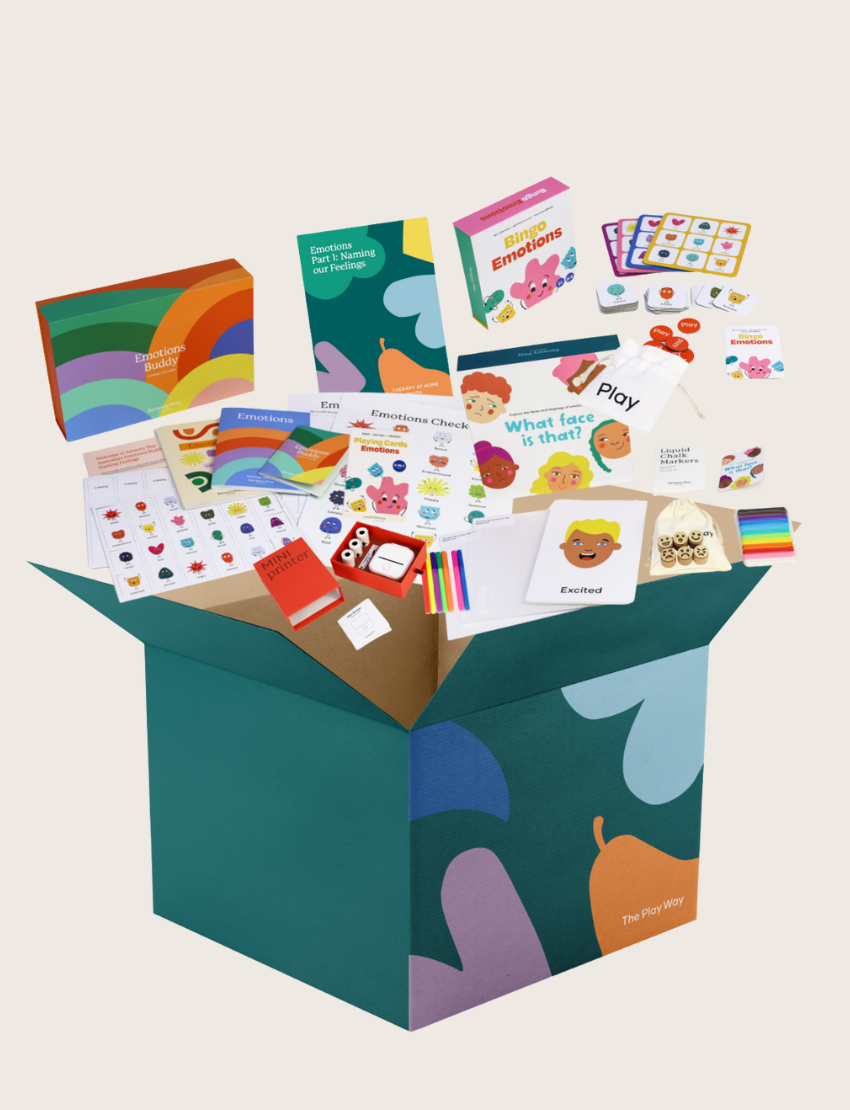
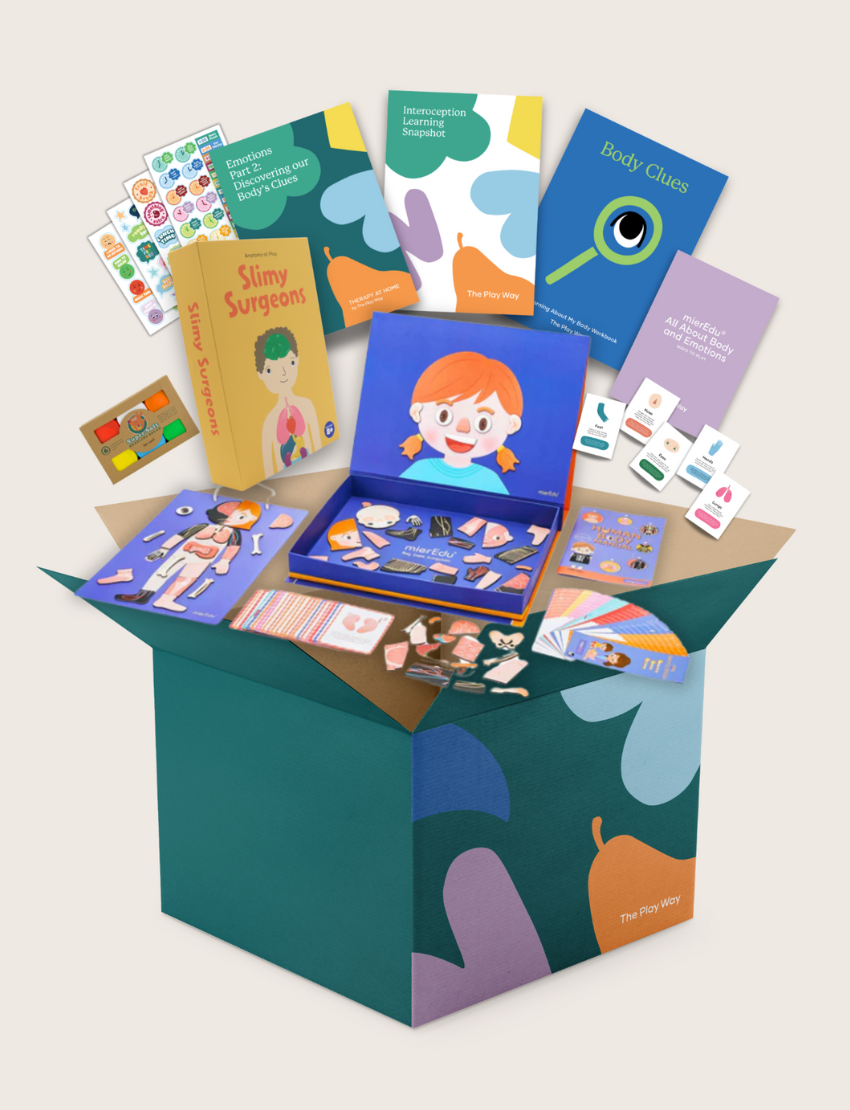
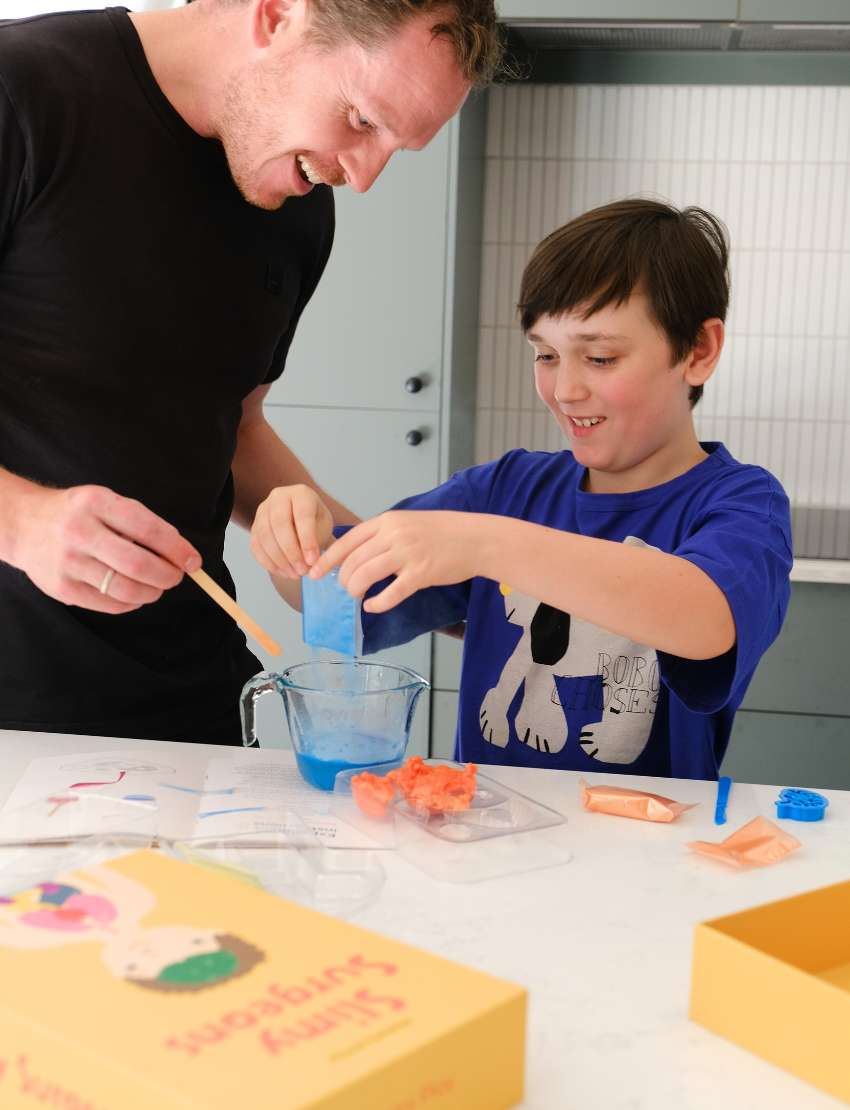
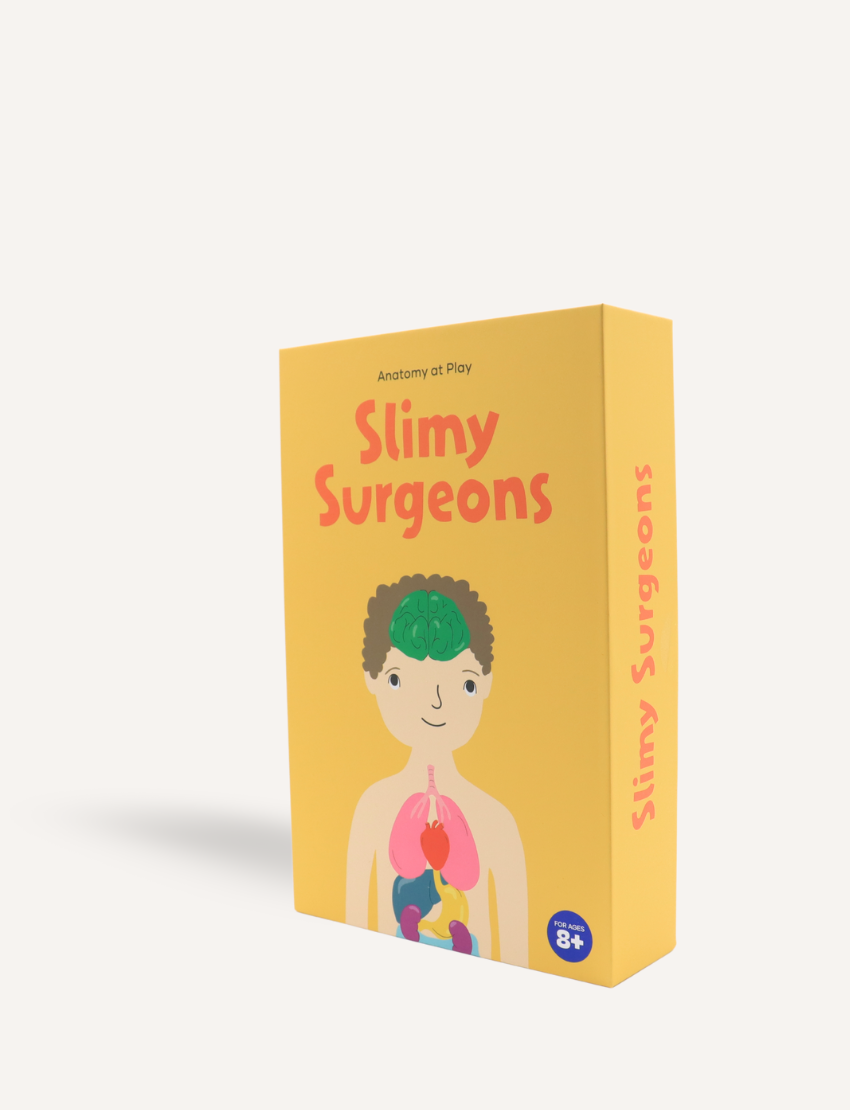
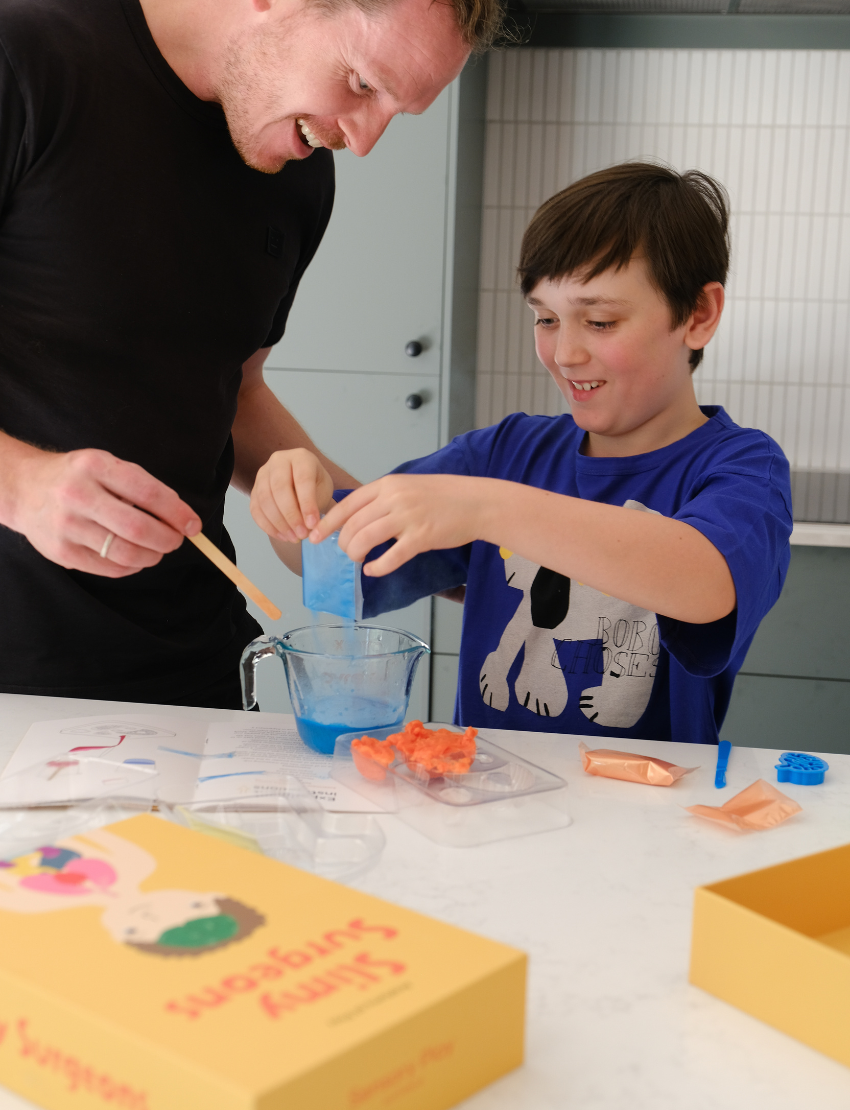
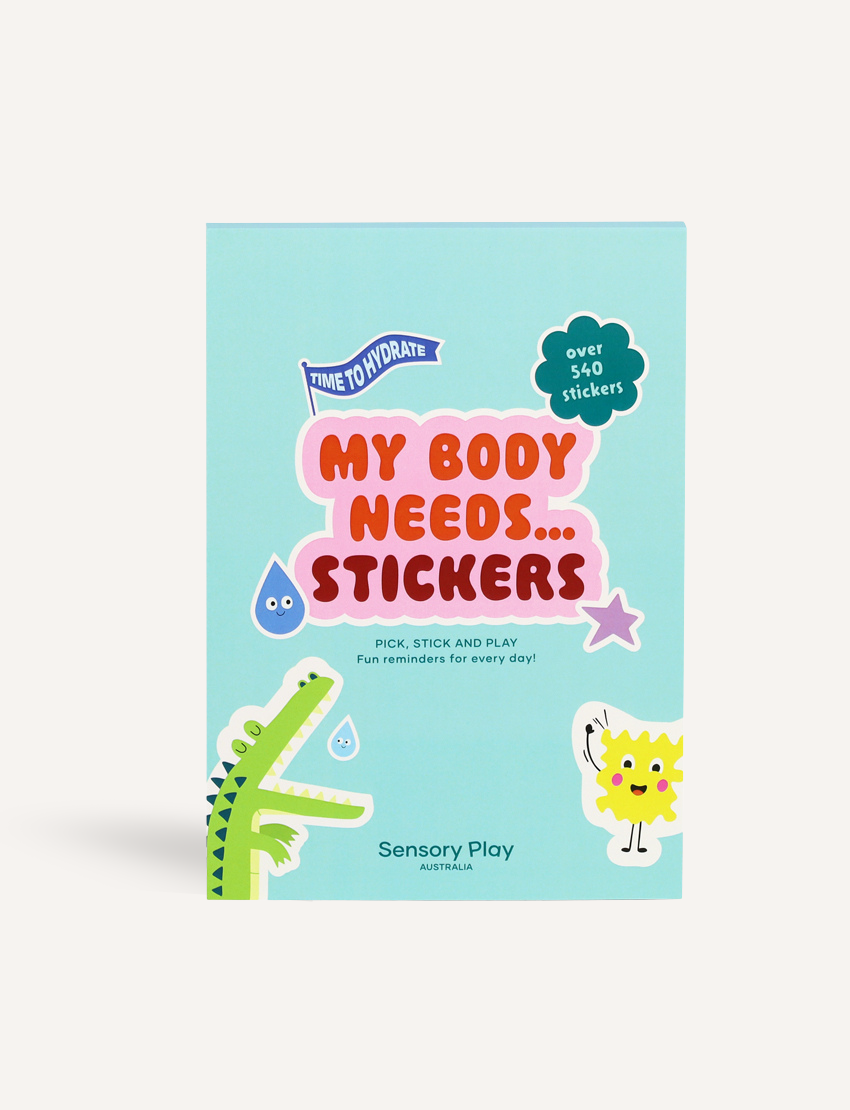
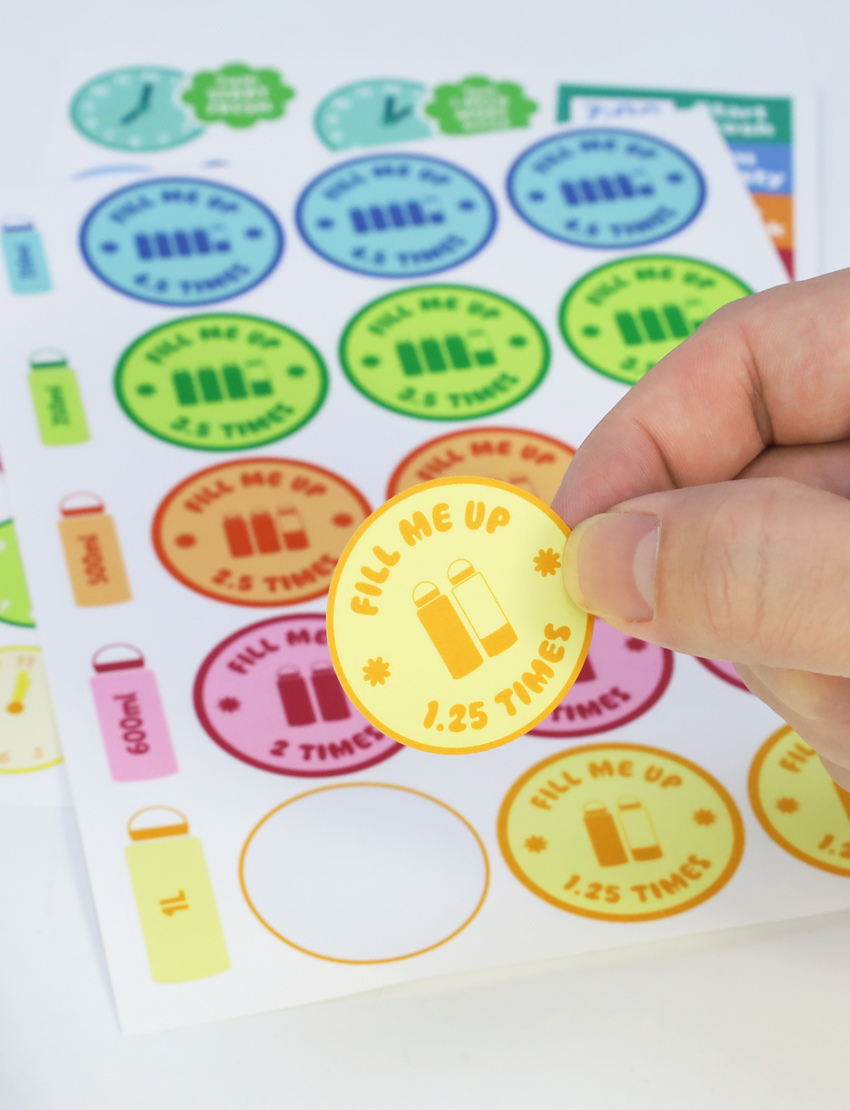
There are games for two or more players, card sets, a bath memory game, a sticker book, a workbook, a magnetic body puzzle, a slime kit for building organs, and two play kits with the tools and teaching from our therapy team.
If your child can show you loud and clear that something is wrong but cannot tell you what, even afterwards, start with naming feelings. If they can tell you afterwards but cannot catch it before it gets too big, start with body clues.
Every child shows big feelings in their own way, so these are places to start exploring what supports your child, through the power of play.
A moment like this
A moment like this
A moment like this
A moment like this
A moment like this
A moment like this
A moment like this
Start when they’re calm and regulated, and use play. Nobody learns a new word in the middle of a meltdown, so the practice has to happen in the calm moments. Name feelings out loud as they happen, including your own, and give them more than just happy, sad and angry to choose from. A game does a lot of this work for you, because a child who can’t engage in listening to learn will likely get a lot from a play-based approach.
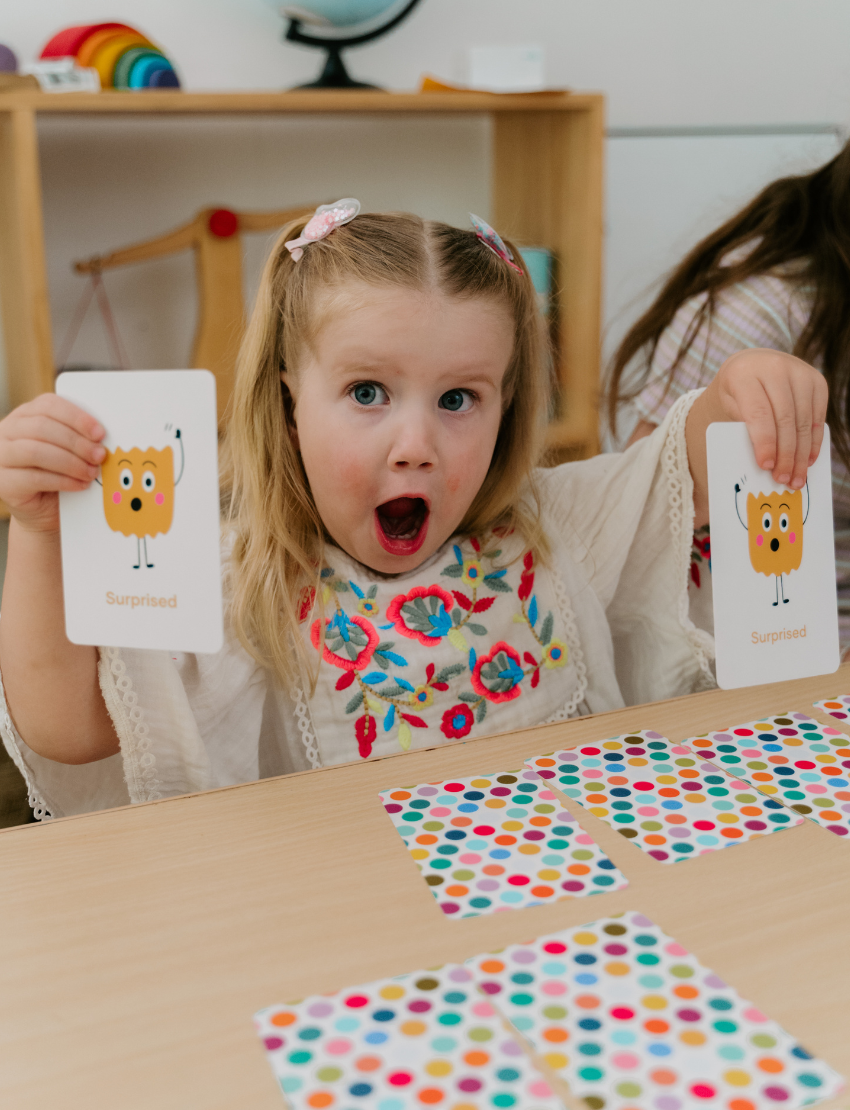
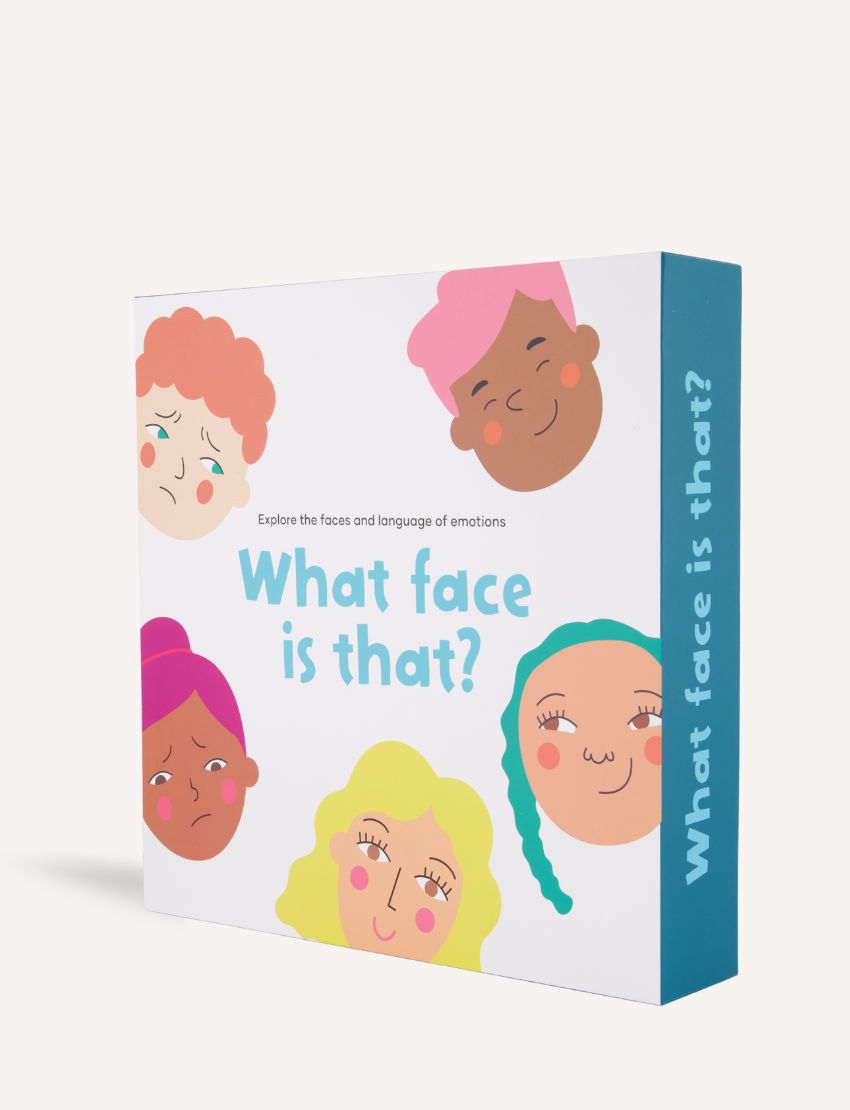
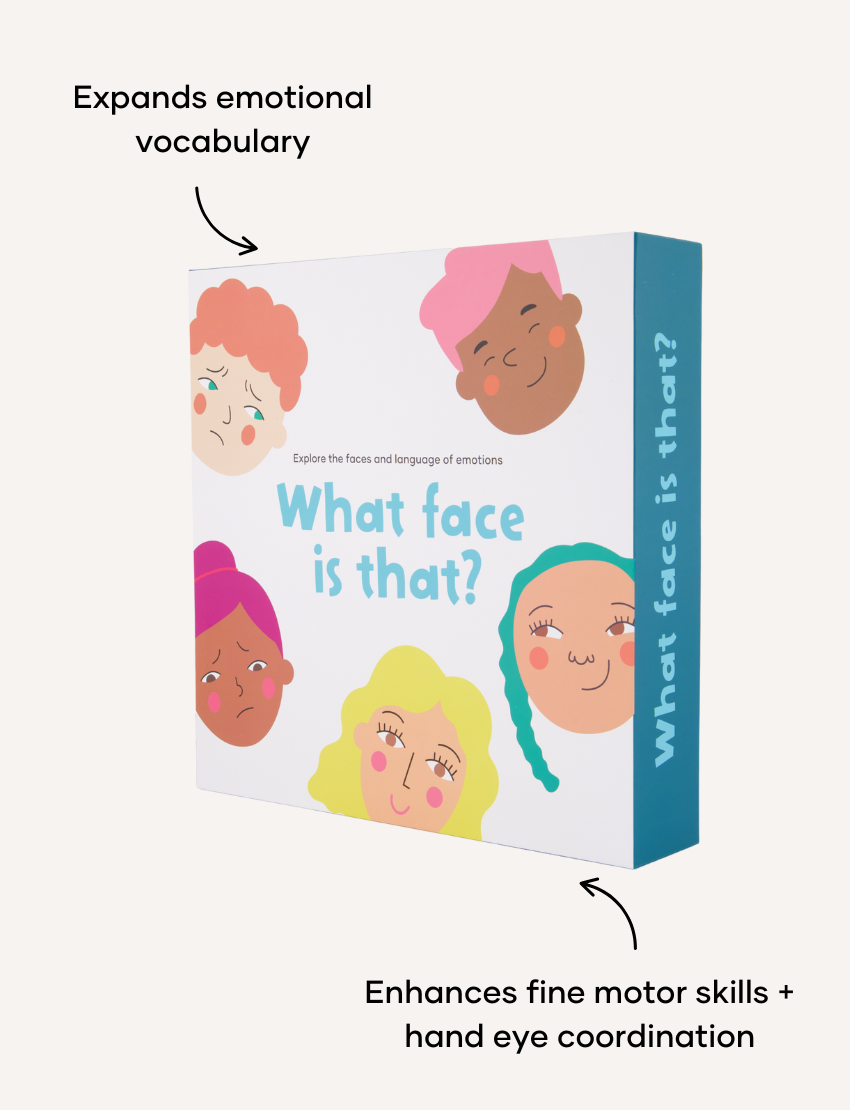
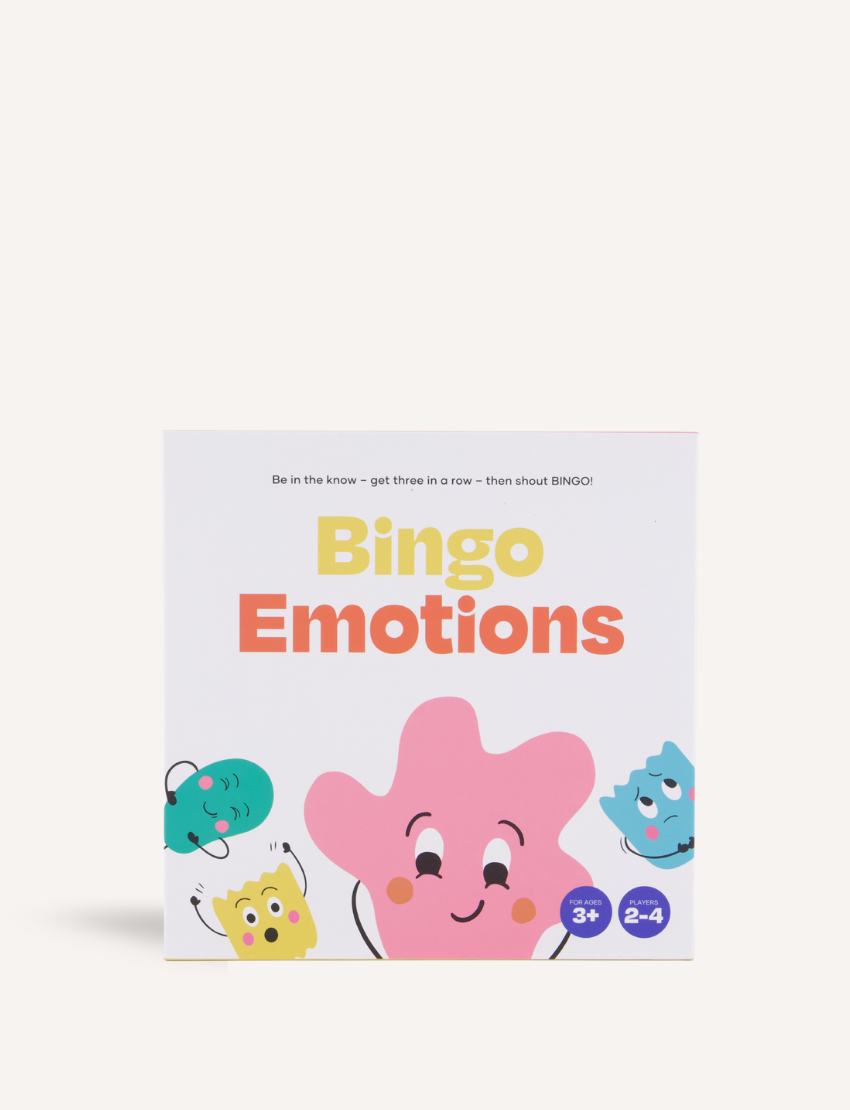
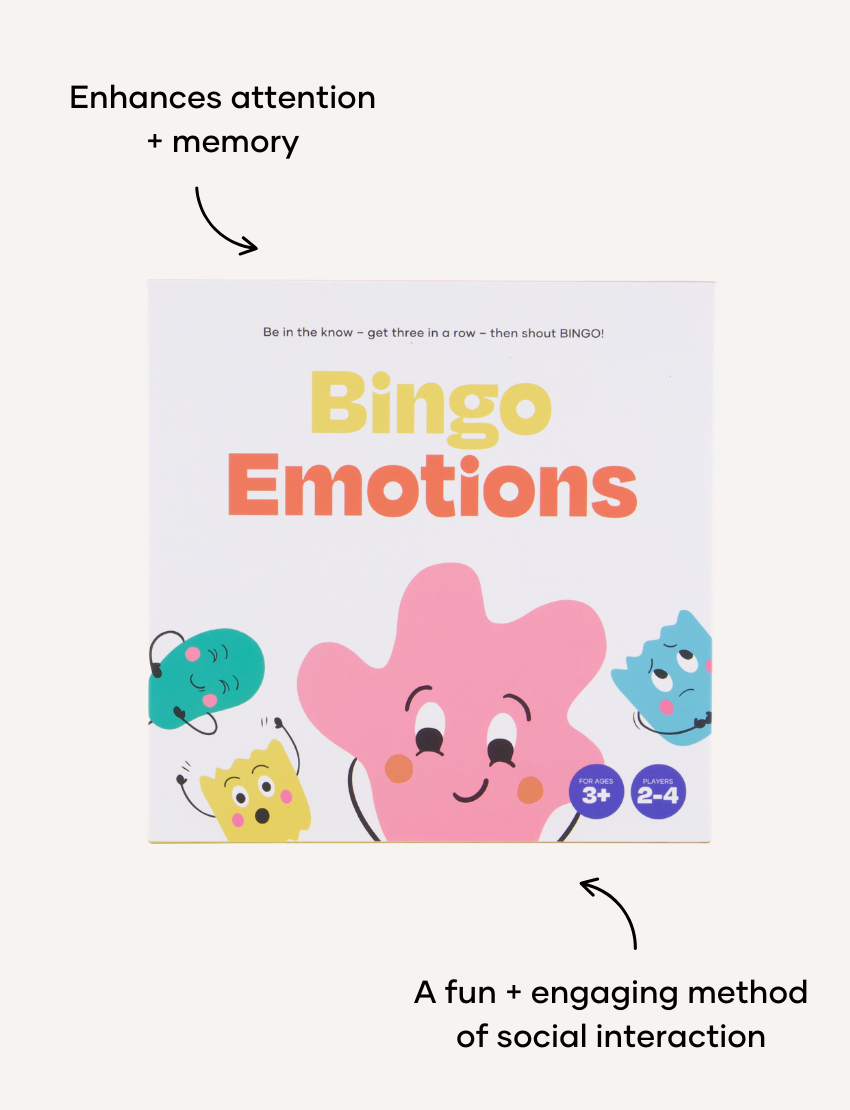
Face matching is a fun place to start, because a picture is simpler than a word. What face is that? and the emotions bingo both work that way, and both take two or more players. Bath memory suits a younger child, or one who talks more easily when they don’t feel like there’s any pressure to learn something, or win a game against others.
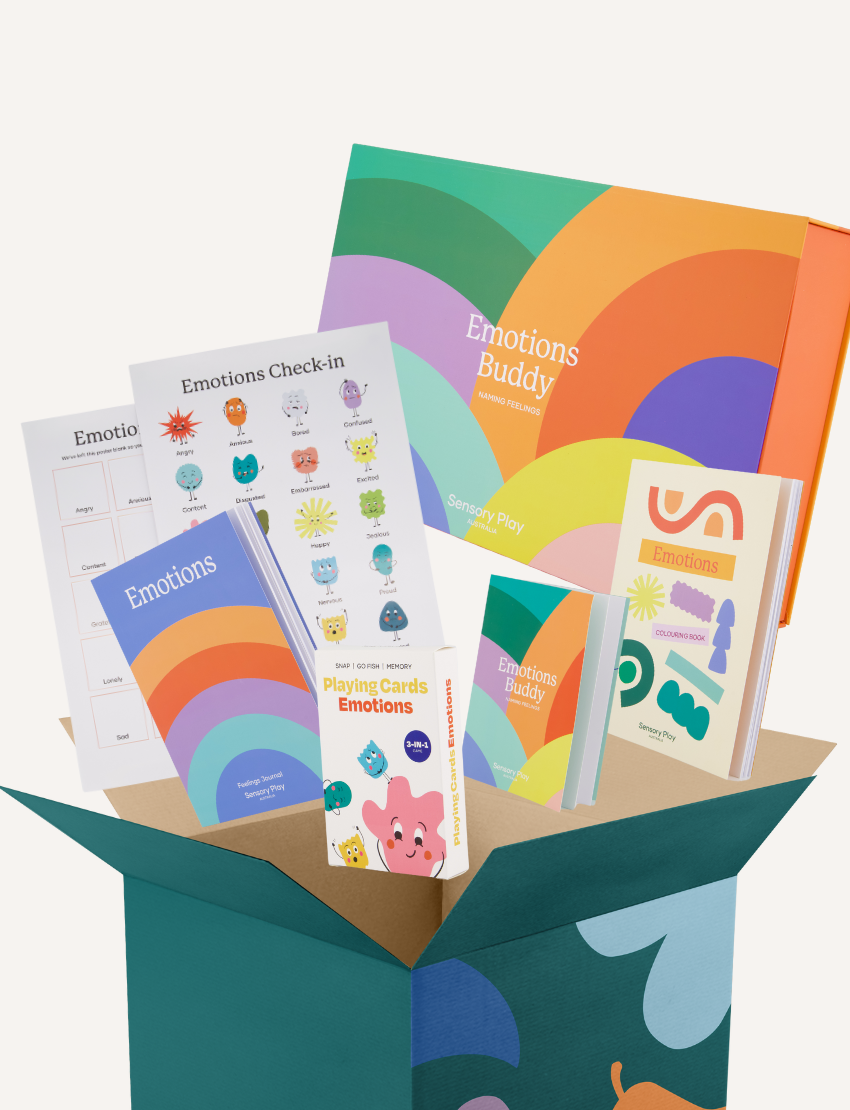
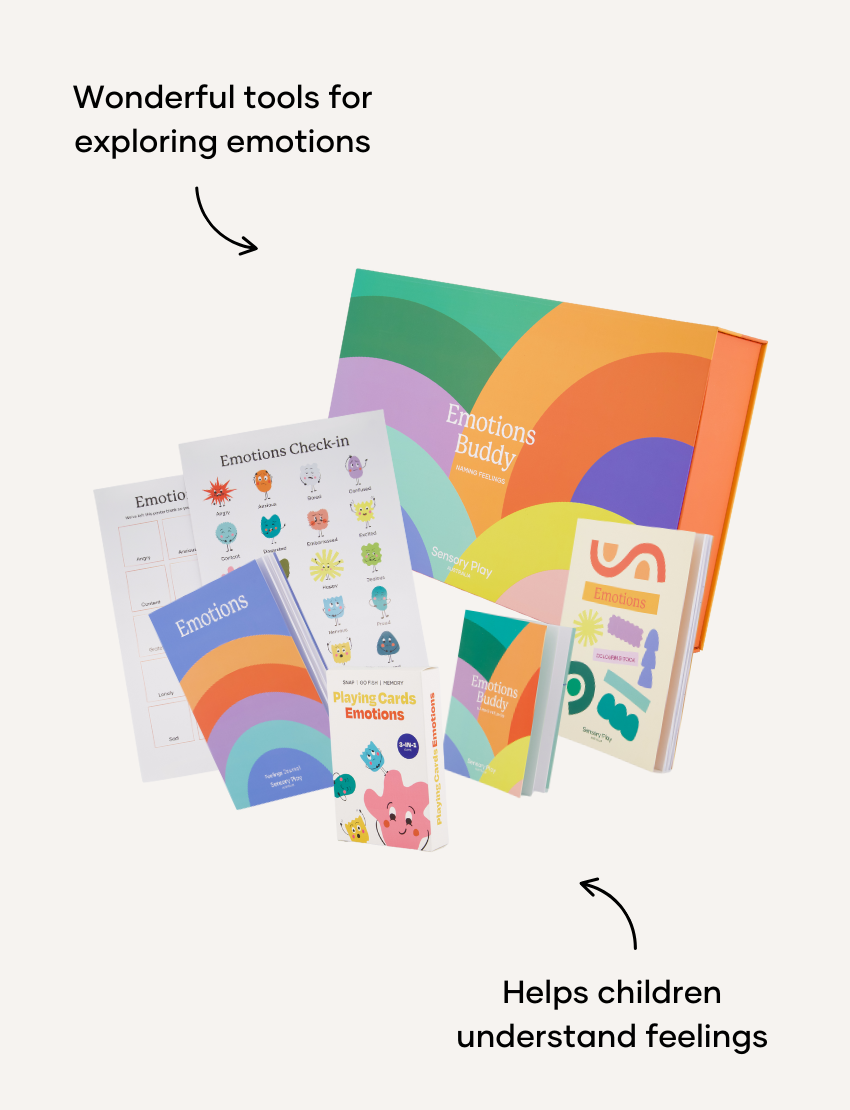
The Emotions Buddy goes further than a single game. Twenty core emotions sit inside it, with activities for exploring and talking about each one, for ages three to twelve.
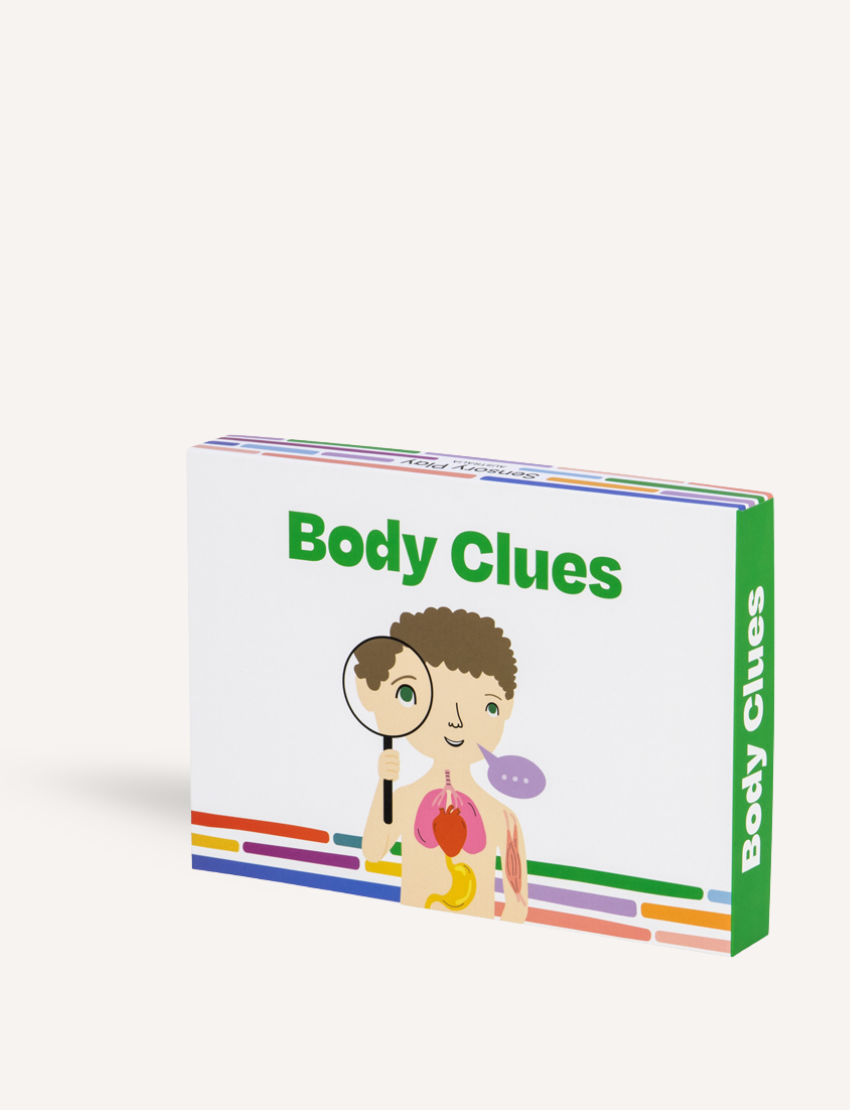
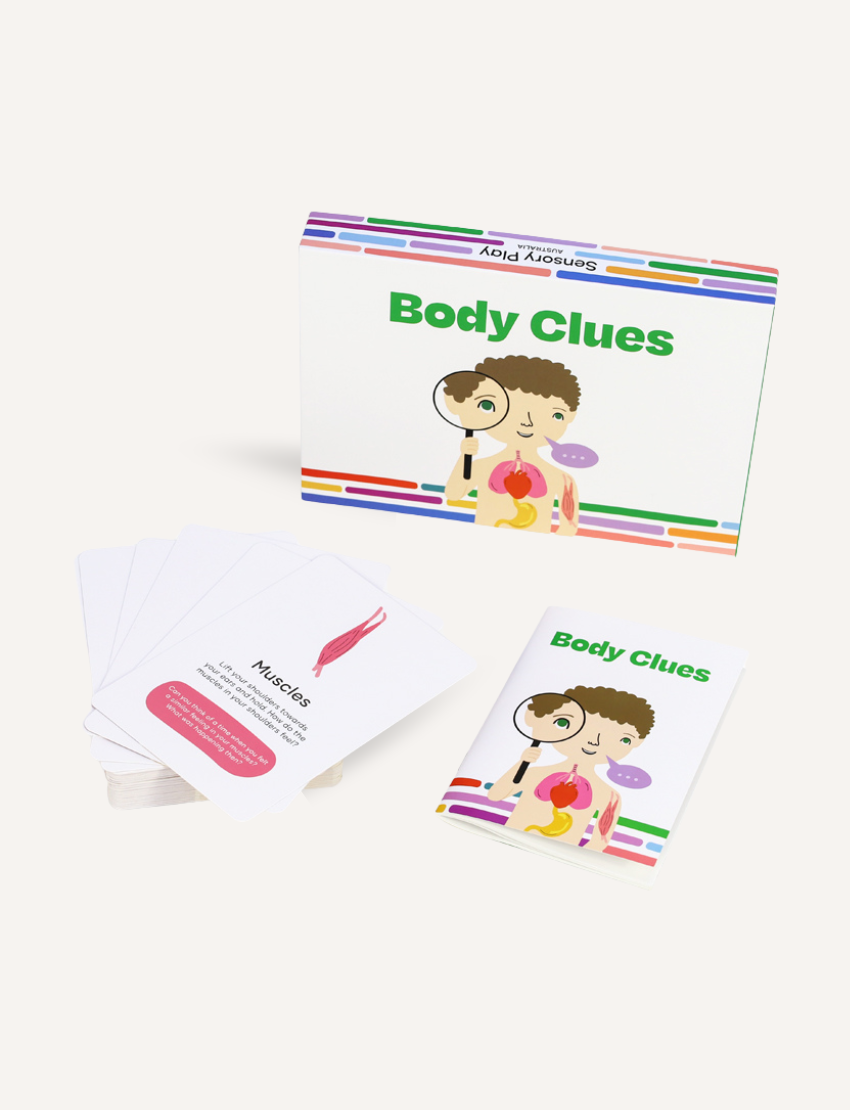
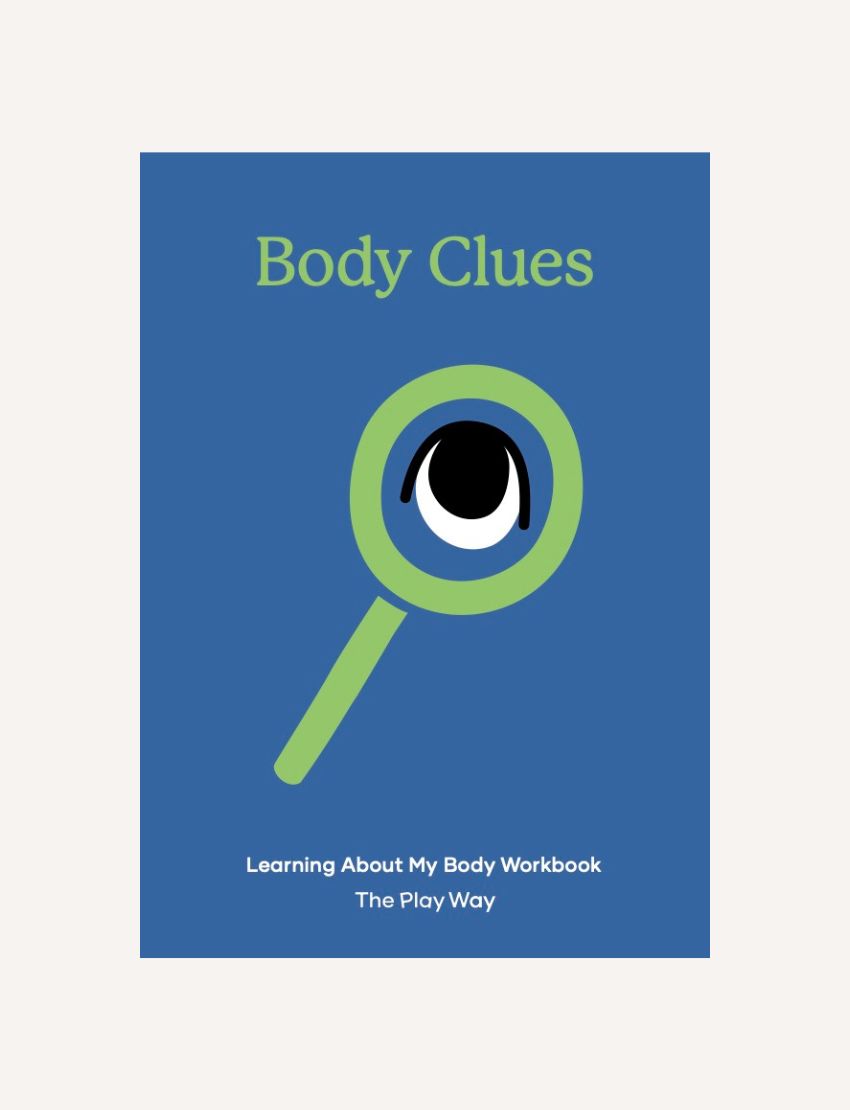
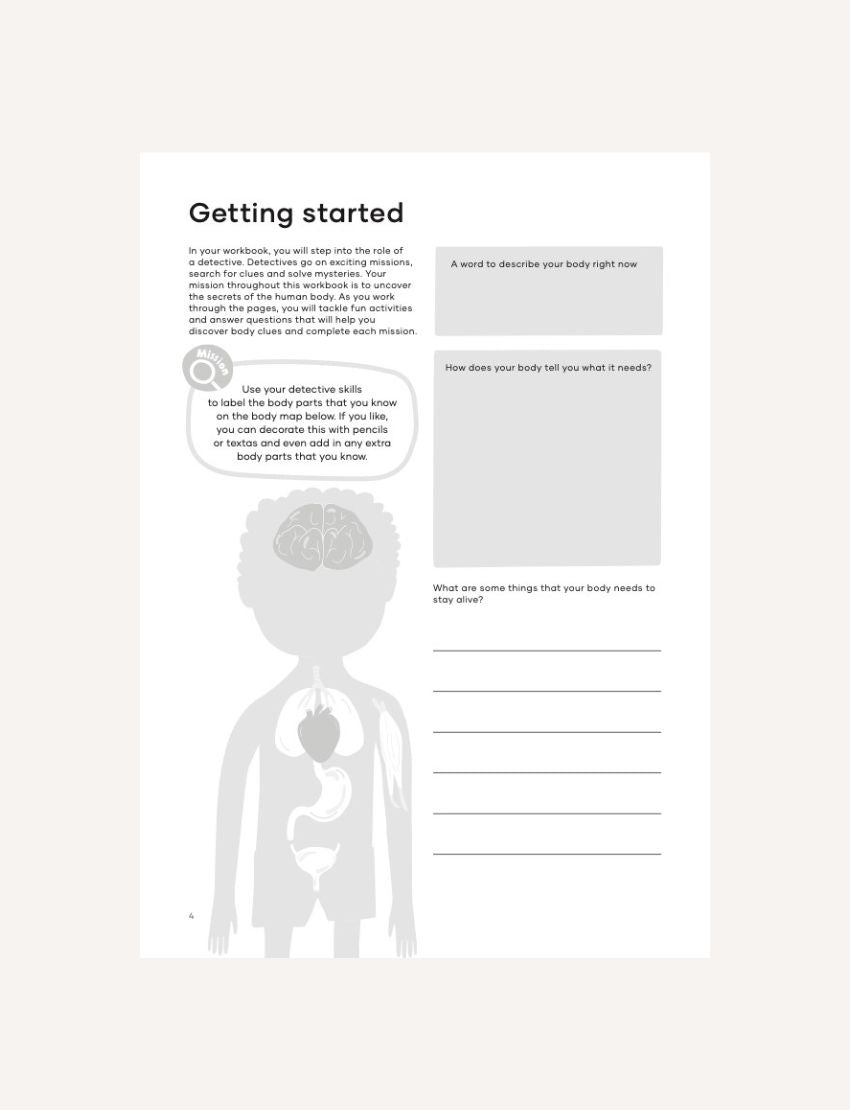
The two play kits go further again. Naming Feelings works through games, faces and photographs. Body Clues works on reading the signals the body is sending. Both carry the tools and the teaching from our therapy team, so you get the how and the why alongside the games.
Roughly around age two to three for the big ones: happy, sad, angry and scared. More subtle feelings like frustrated, embarrassed or disappointed usually come a bit later, and some children need them explicitly taught rather than simply picking them up along the way. Our sets run from about two up to twelve depending on the developmental stage of the child, so start with pictures and matching at the younger end, and move to naming and reflecting as they grow.
Take the talking out of it. A child who goes quiet under a direct question might be able to point at a card, match a face, or put a sticker on instead. Sitting side by side with a game usually gets further than sitting opposite them and asking lots of questions. Play, play, play and let the tools and your presence and connection do the work is our recommended approach.
The signals a body sends before a feeling has a name. A racing heart, a tight chest, a stomach that growls, hands that will not stay still. A child who learns to catch those clues often gets a chance to say something before it gets too big to handle. When a child can’t identify their body clues early enough, that’s when you might see things built up and exploding. It is the step underneath naming feelings, and for some children identifying these clues is a real challenge that our body clues play kit walks you through the process of understanding and supporting.
Find out what your child needs most right now. Answer 6 quick questions and get a free personalised play plan. The one area where your child is most ready to grow, and the specific Hub programs to match.
Acknowledgement of Country
The Play Way would like to acknowledge the Yorta Yorta people who are the traditional custodians of the land on which our head office is located; where we gather, work, create and learn. We pay respect to their tribal Elders, we celebrate their continuing culture and we acknowledge the memory of their ancestors.
©2026 The Play Way All rights reserved
If you plan to claim these products/programs using NDIS funds DO NOT process this order. Once this order is confirmed there is no refund for change of mind or being unable to claim a reimbursement from the NDIS (see our returns policy for details). Almost all of the products on our website are now on the OUT list, the 12 month grace period is over, your claim will not be successful and you will likely have to repay the NDIS for misused funds.
Our Hub Members enjoy a year round discount of 30% off our store. Become a member today from $14.99/month and enjoy these perks + more. Learn more