

Find out what your child needs most right now. Answer 6 quick questions and get a free personalised play plan. The one area where your child is most ready to grow, and the specific Hub programs to match.
Language
Play kits
The Play Way
Play Kit
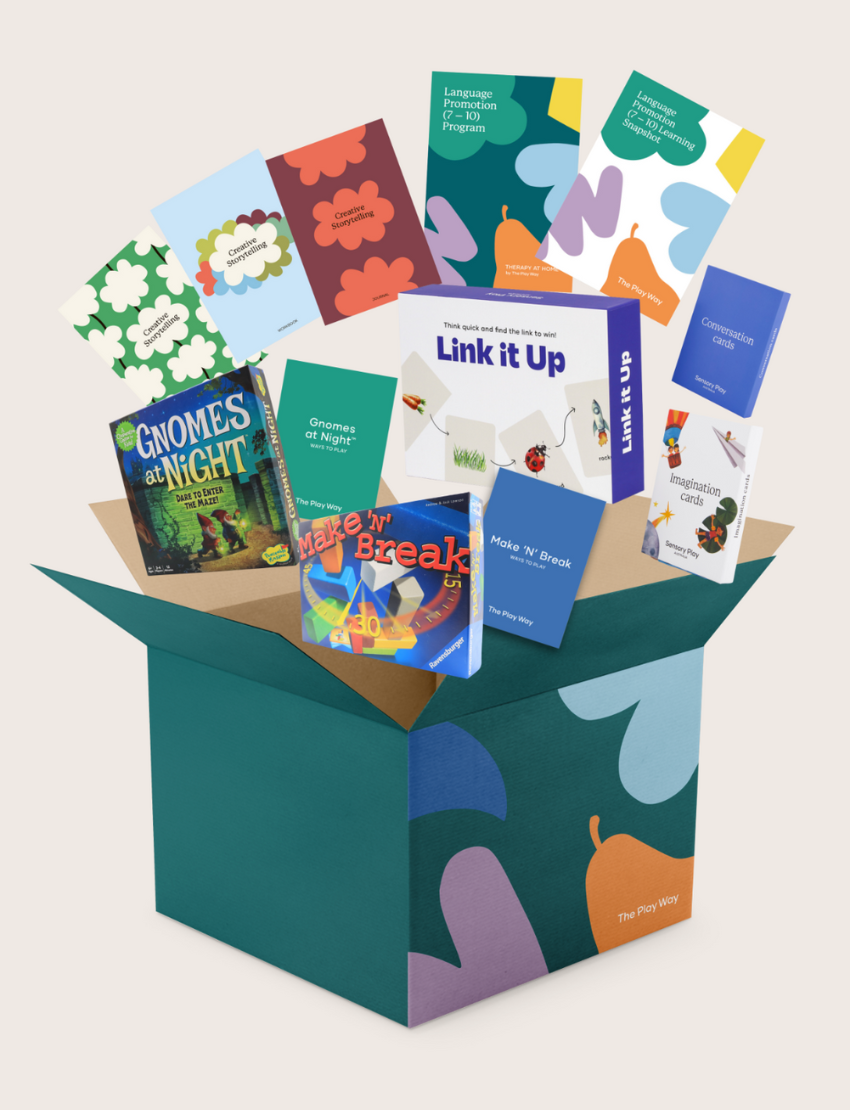
Language and Conversation Play Kit
Regular price
$149.00
Sale price
$149.00
Regular price
$0.00
Unit price
The Play Way
Play Kit
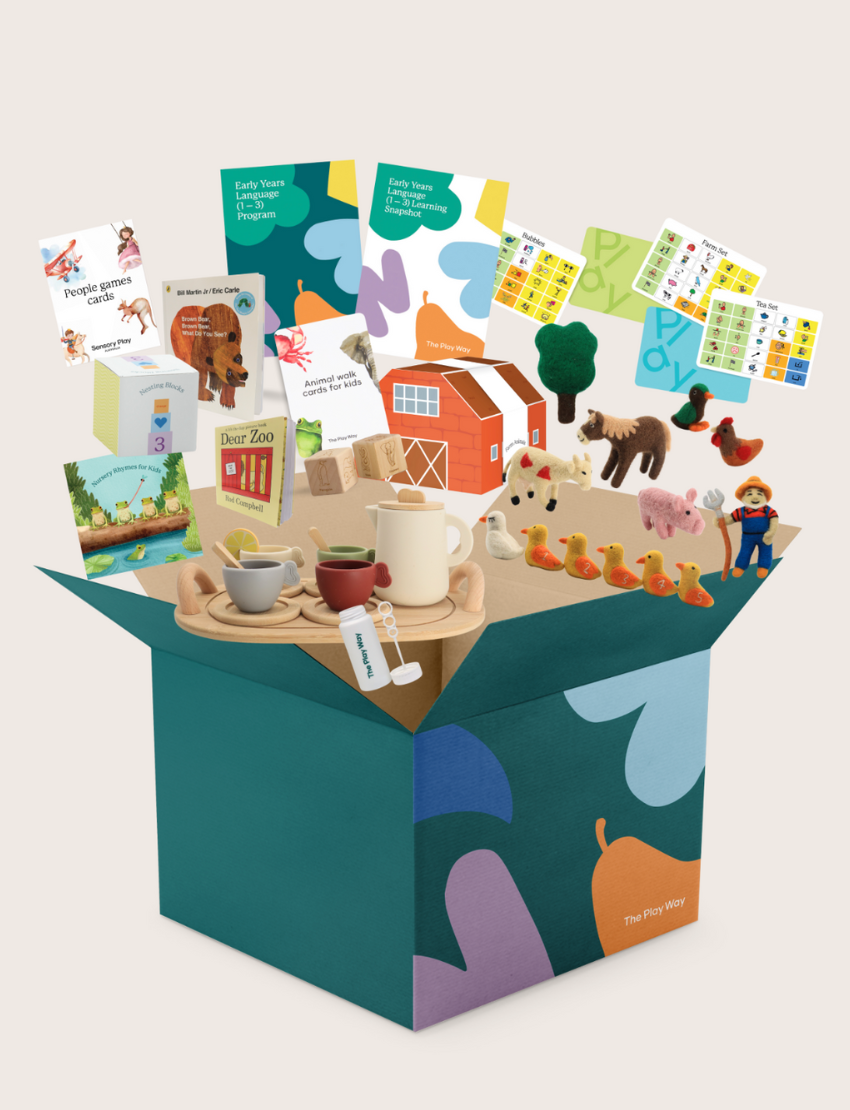
Early Years Language Play Kit
Regular price
$197.00
Sale price
$197.00
Regular price
$0.00
Unit price
The Play Way
Play Kit
Sounds and Rhymes Play Kit
Regular price
$149.00
Sale price
$149.00
Regular price
$0.00
Unit price
All Products
Sensory Play Australia
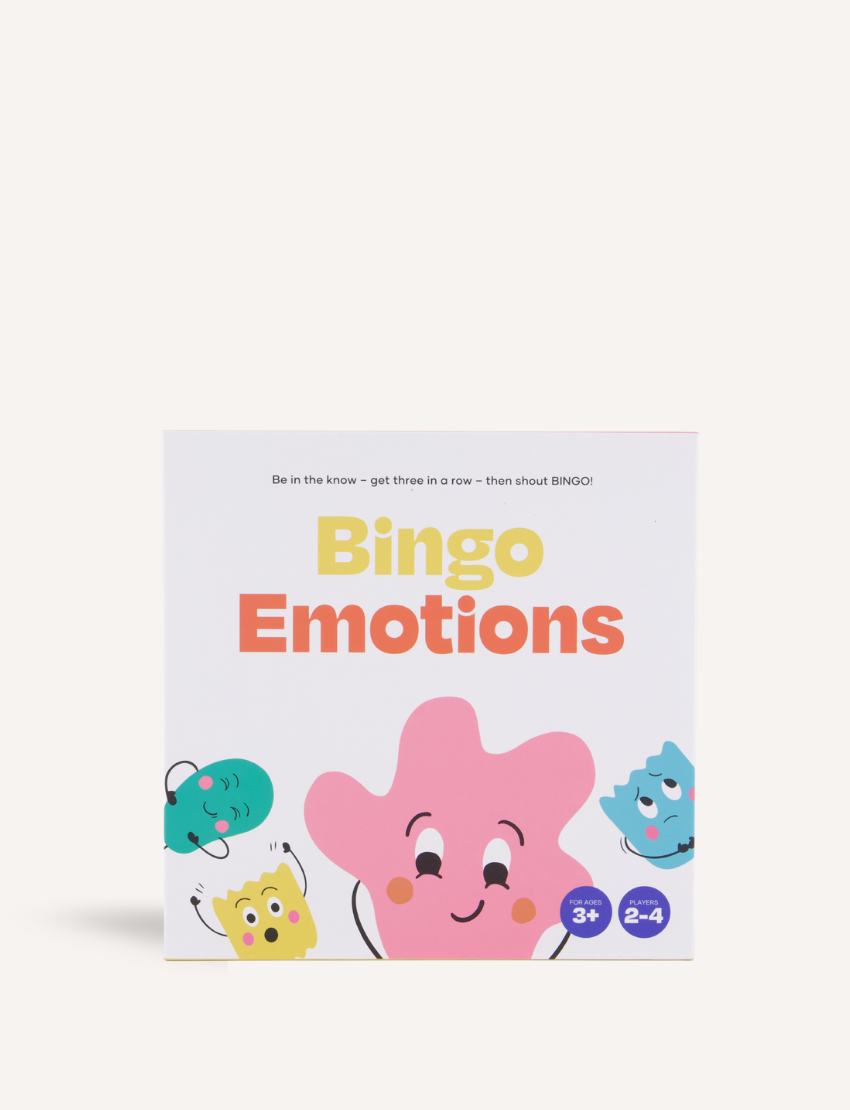
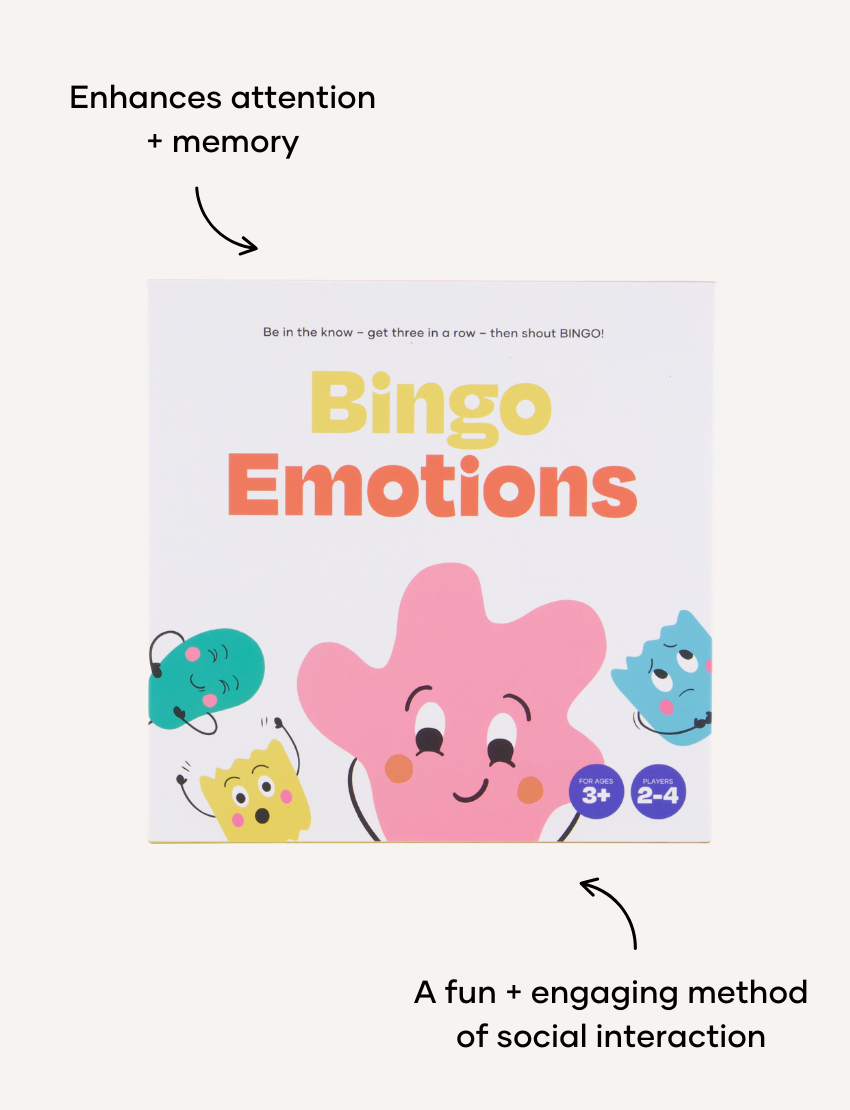
Bingo Emotions Game
Regular price
$19.50
Sale price
$19.50
Regular price
$39.00
Unit price
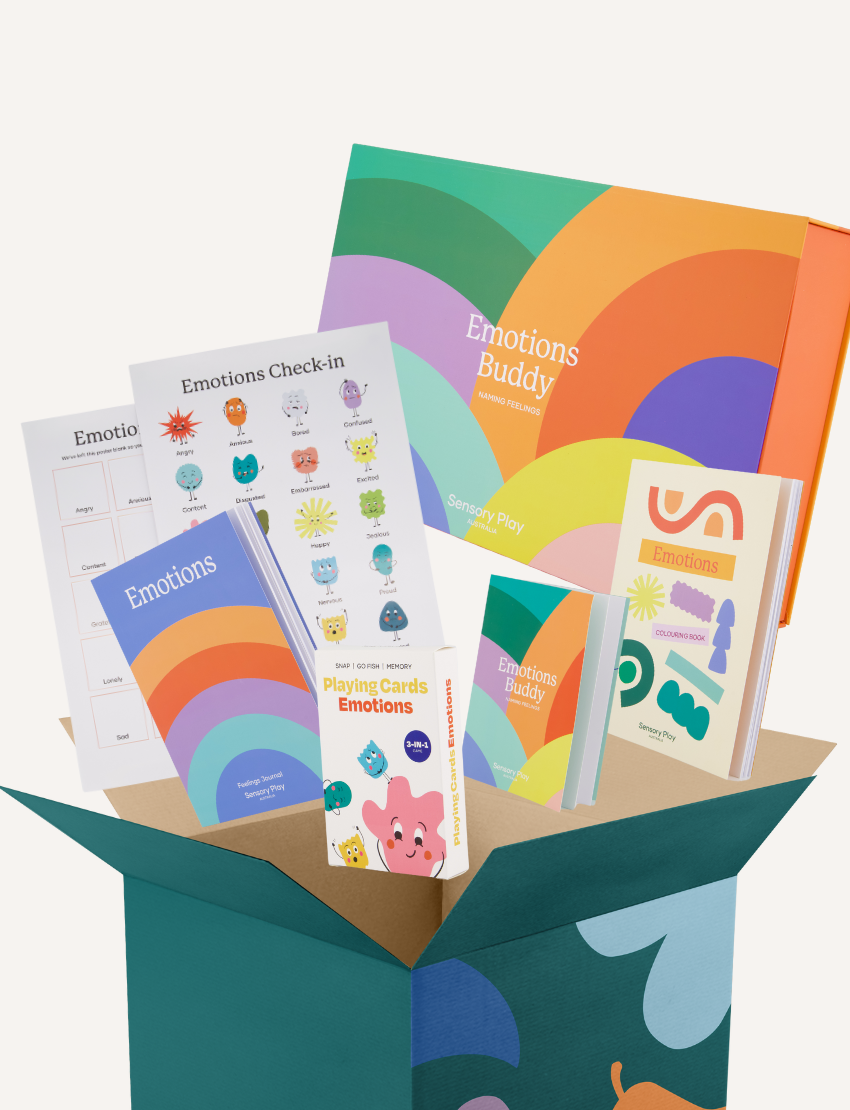
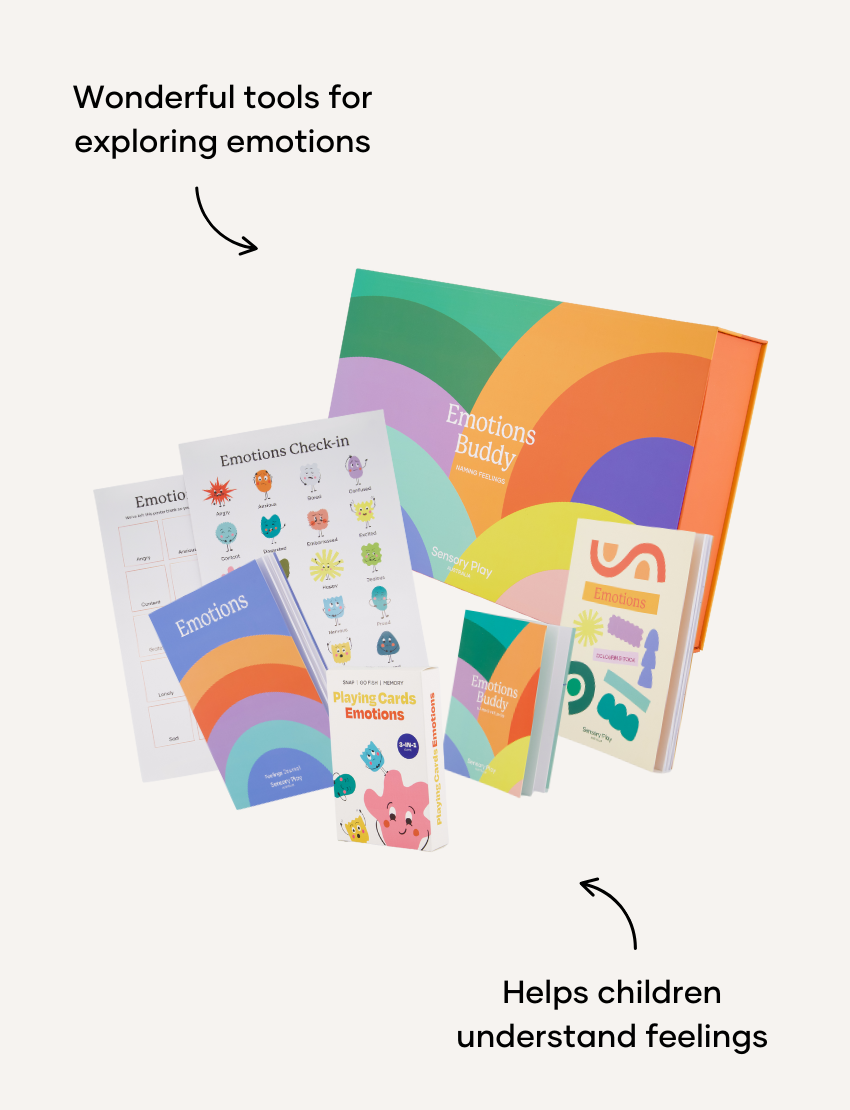
Sensory Play Australia
Emotions Buddy Naming Feelings Set
Regular price
$34.50
Sale price
$34.50
Regular price
$69.00
Unit price
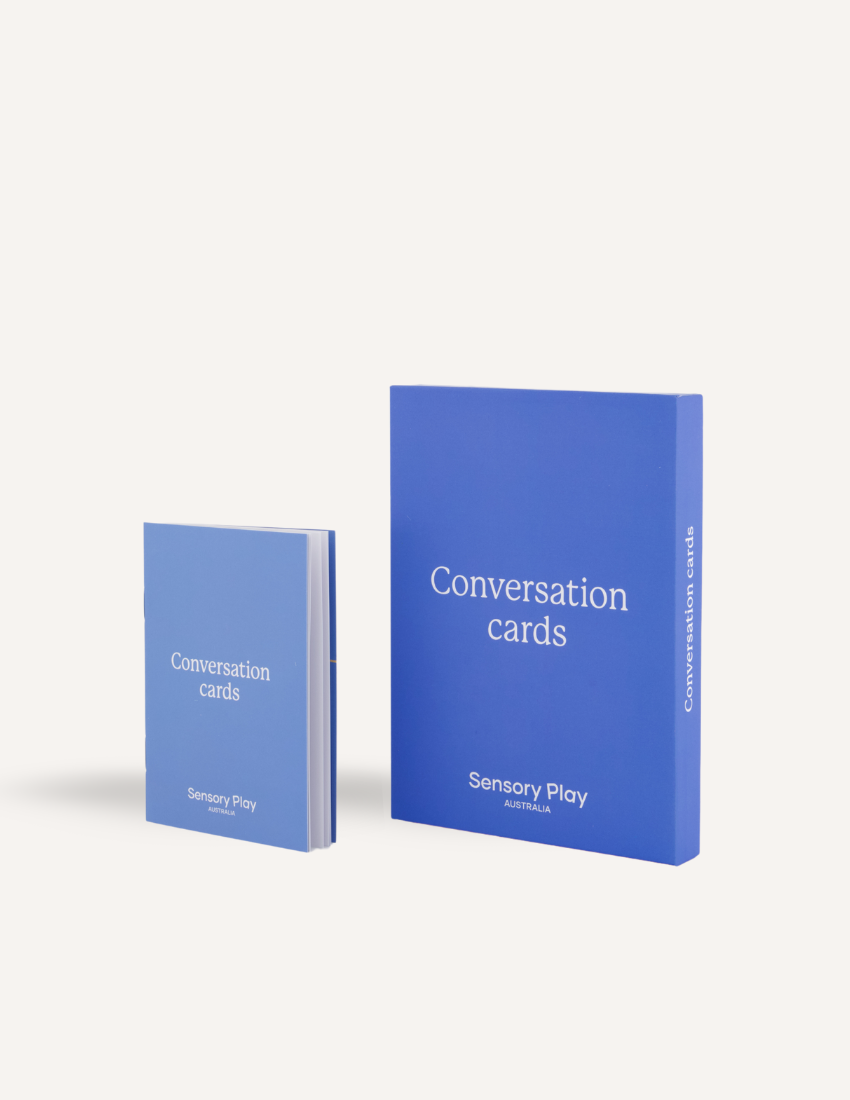
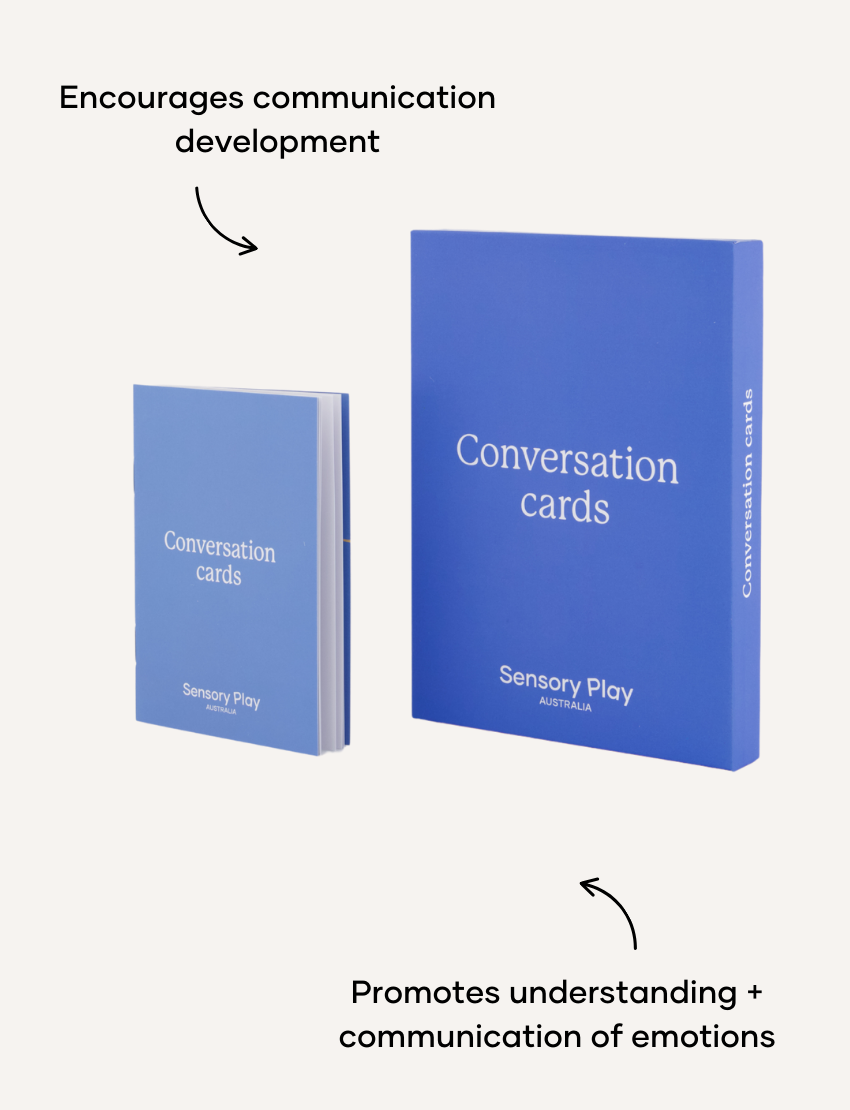
Sensory Play Australia
Conversation Cards Set in Box
Regular price
$12.00
Sale price
$12.00
Regular price
$24.00
Unit price
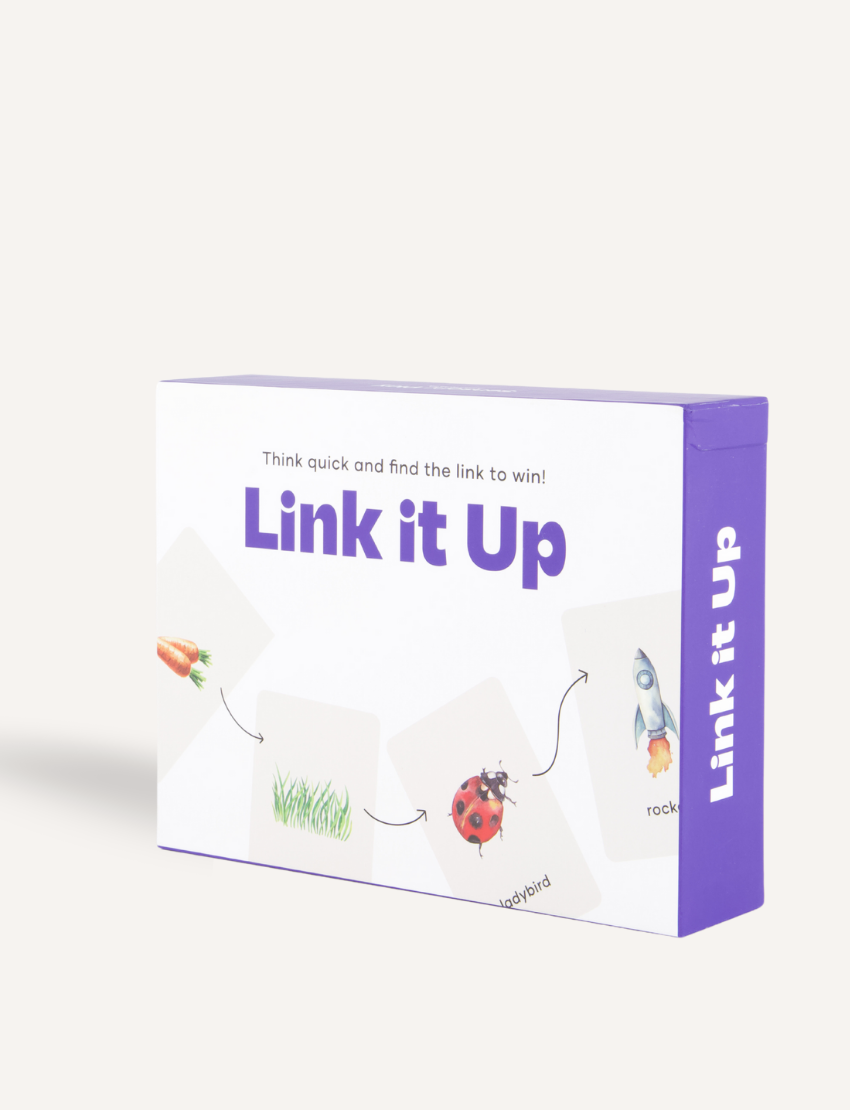
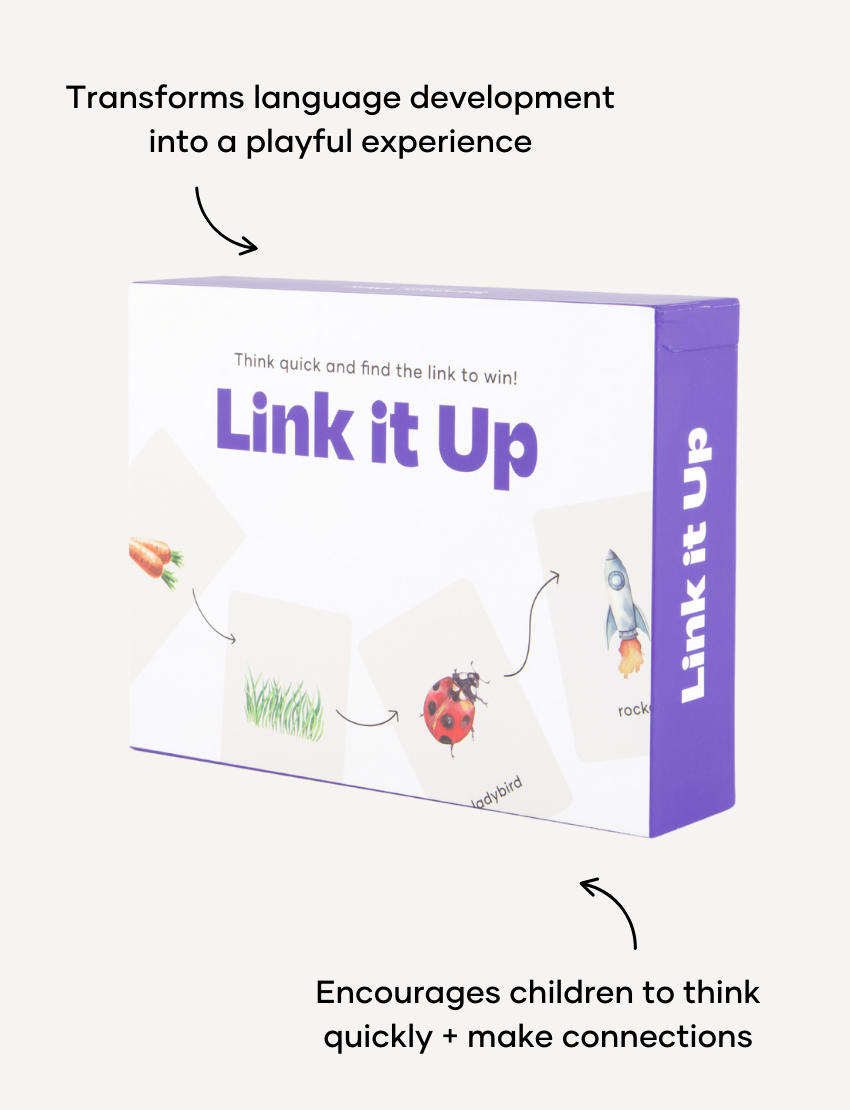
Sensory Play Australia
Link it Up Game
Regular price
$17.00
Sale price
$17.00
Regular price
$34.00
Unit price
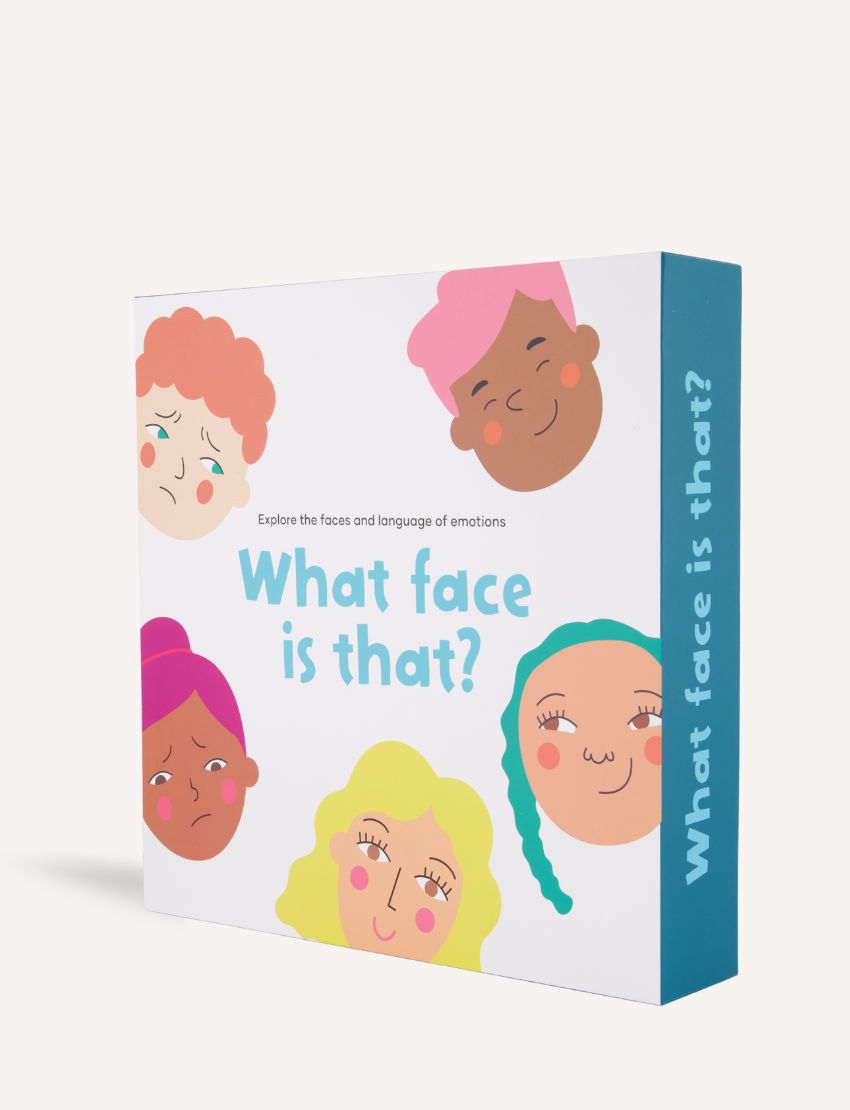
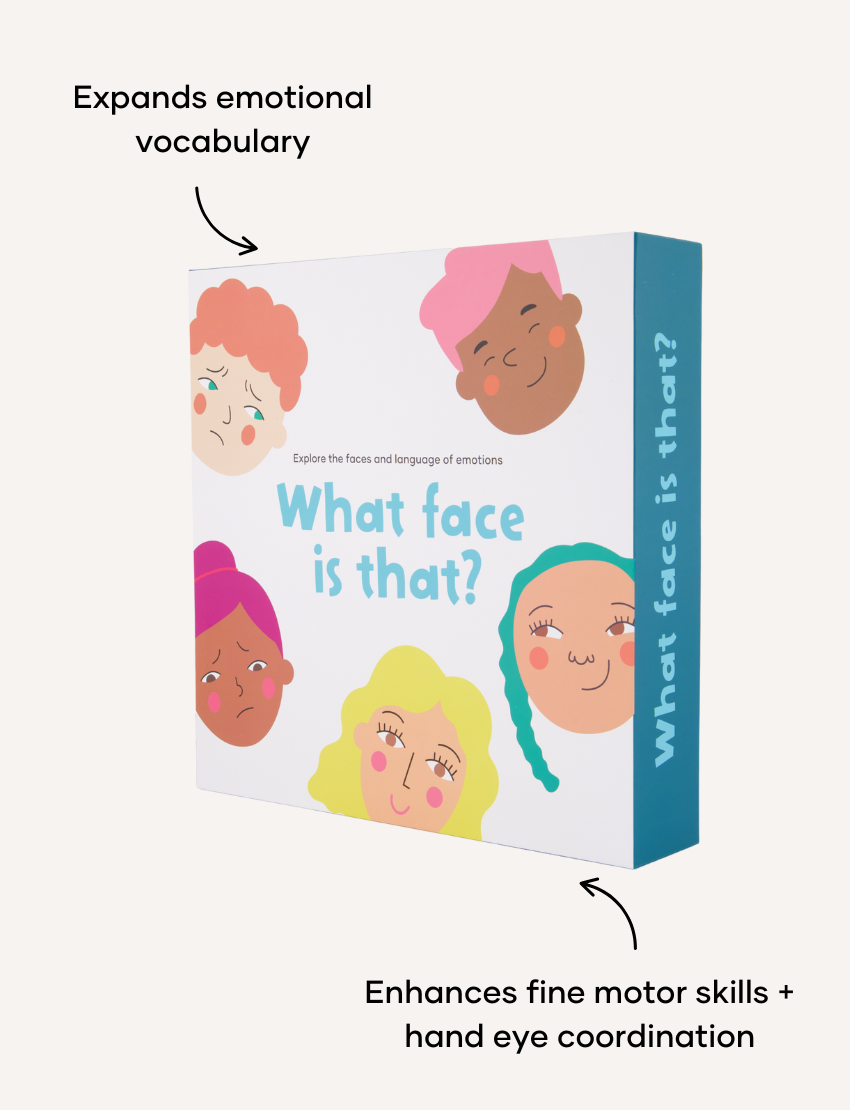
Sensory Play Australia
What face is that? Game
Regular price
$27.00
Sale price
$27.00
Regular price
$54.00
Unit price
Sensory Play Australia
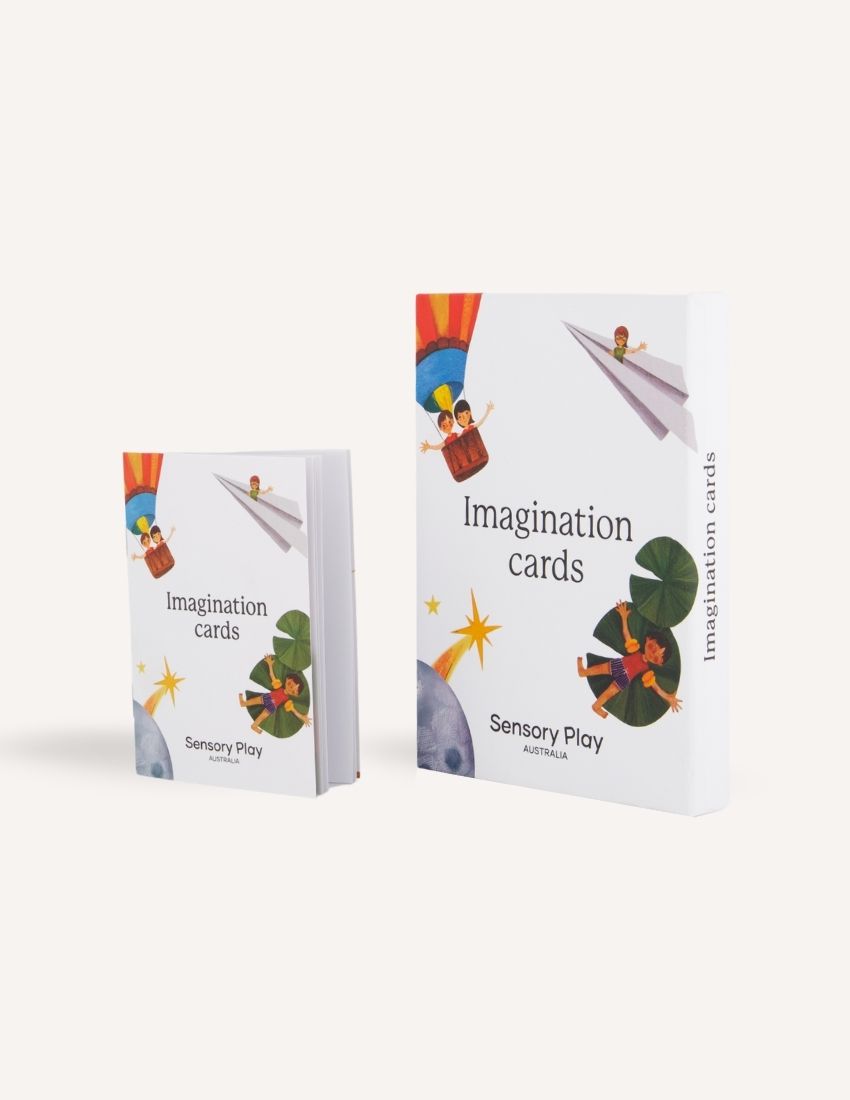
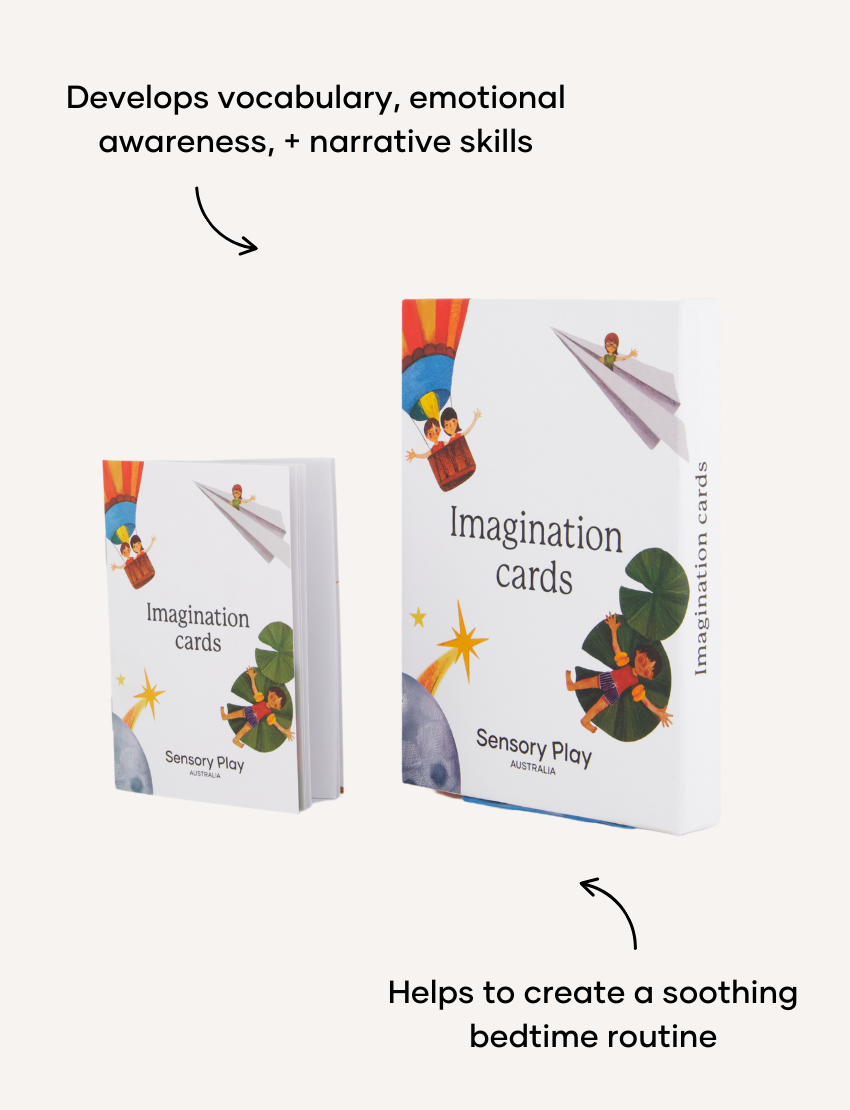
Imagination Cards Set in Box
Regular price
$12.00
Sale price
$12.00
Regular price
$24.00
Unit price
Sensory Play Australia
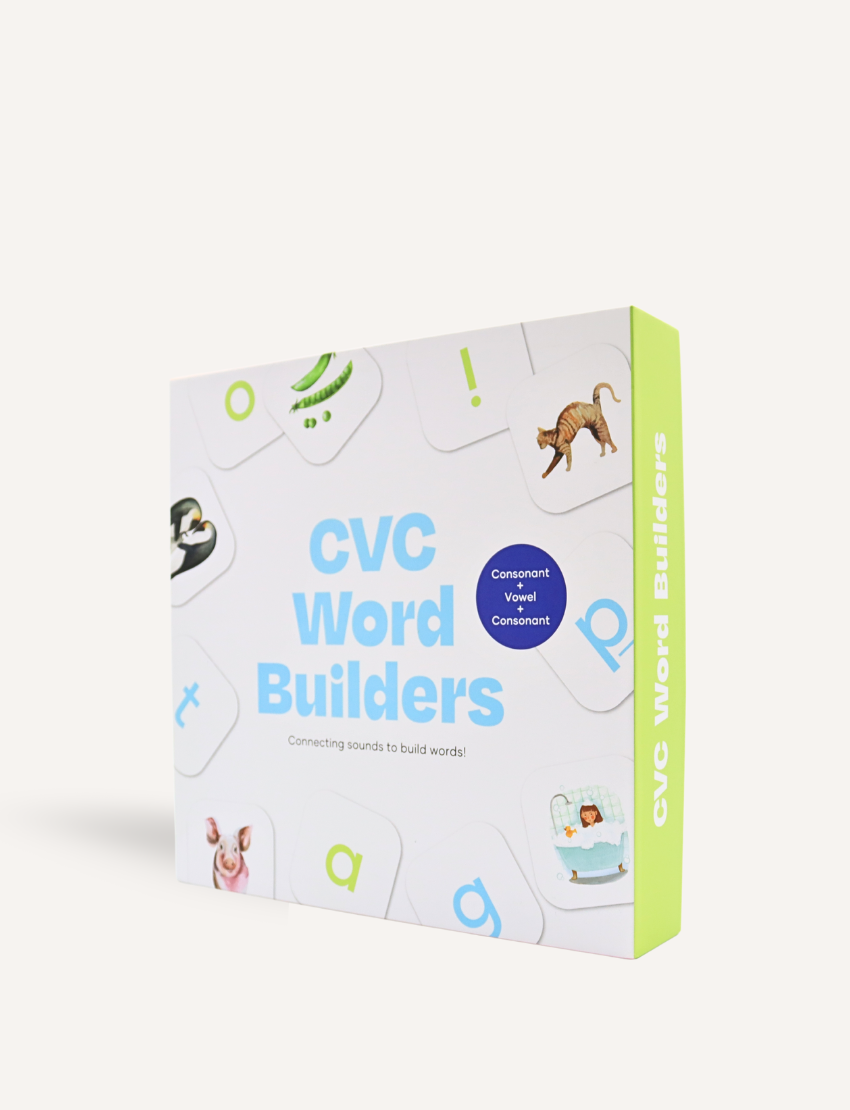
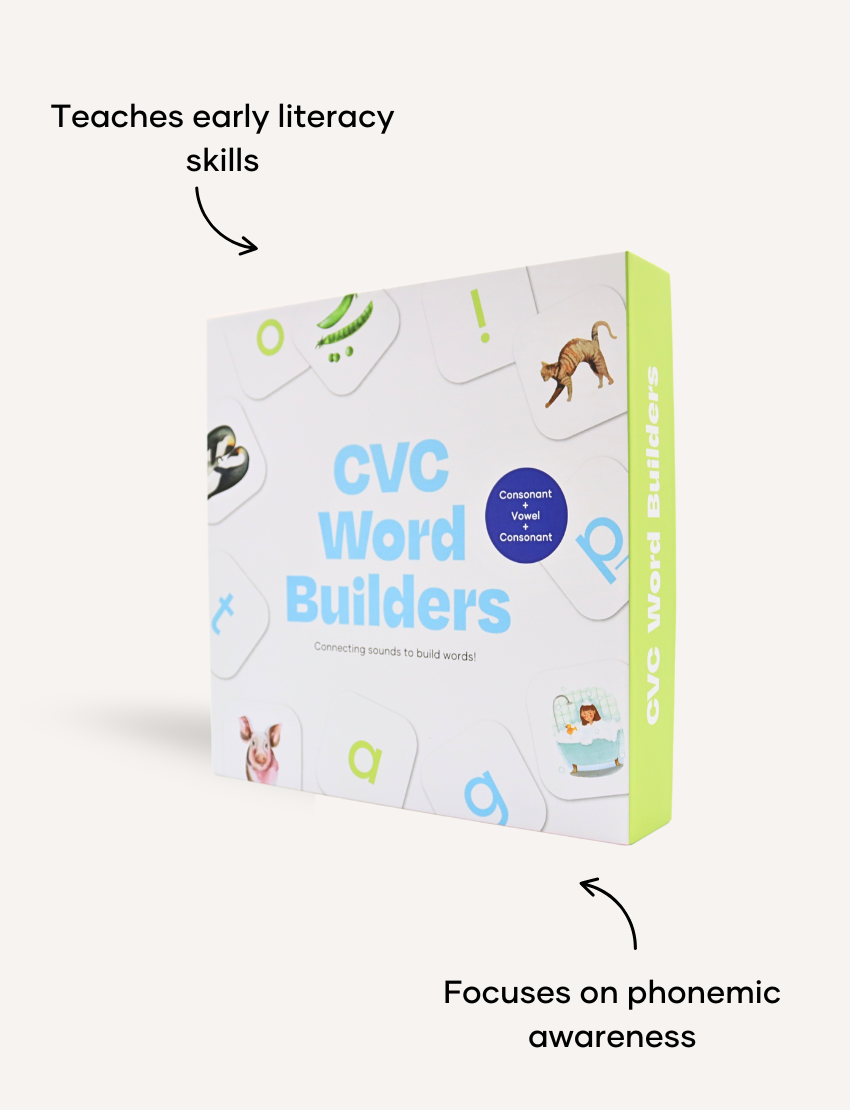
CVC Word Builders Game
Regular price
$37.00
Sale price
$37.00
Regular price
$74.00
Unit price
Sensory Play Australia
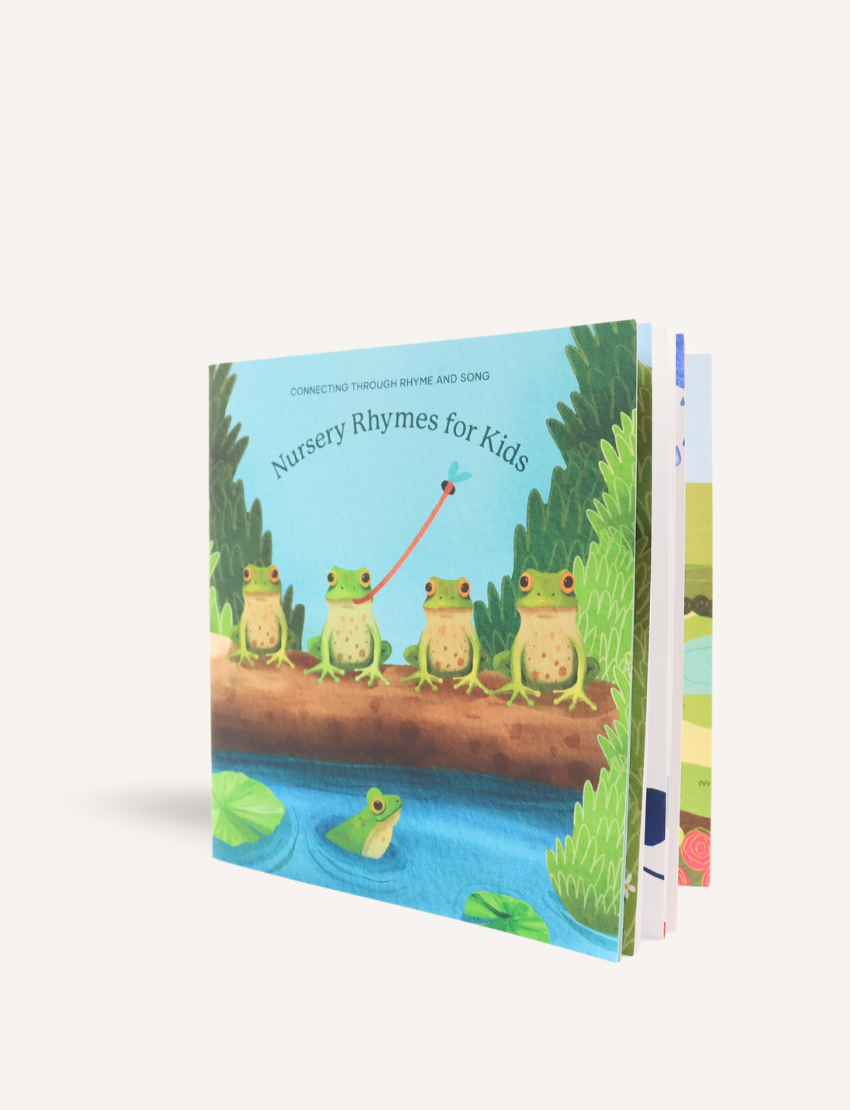
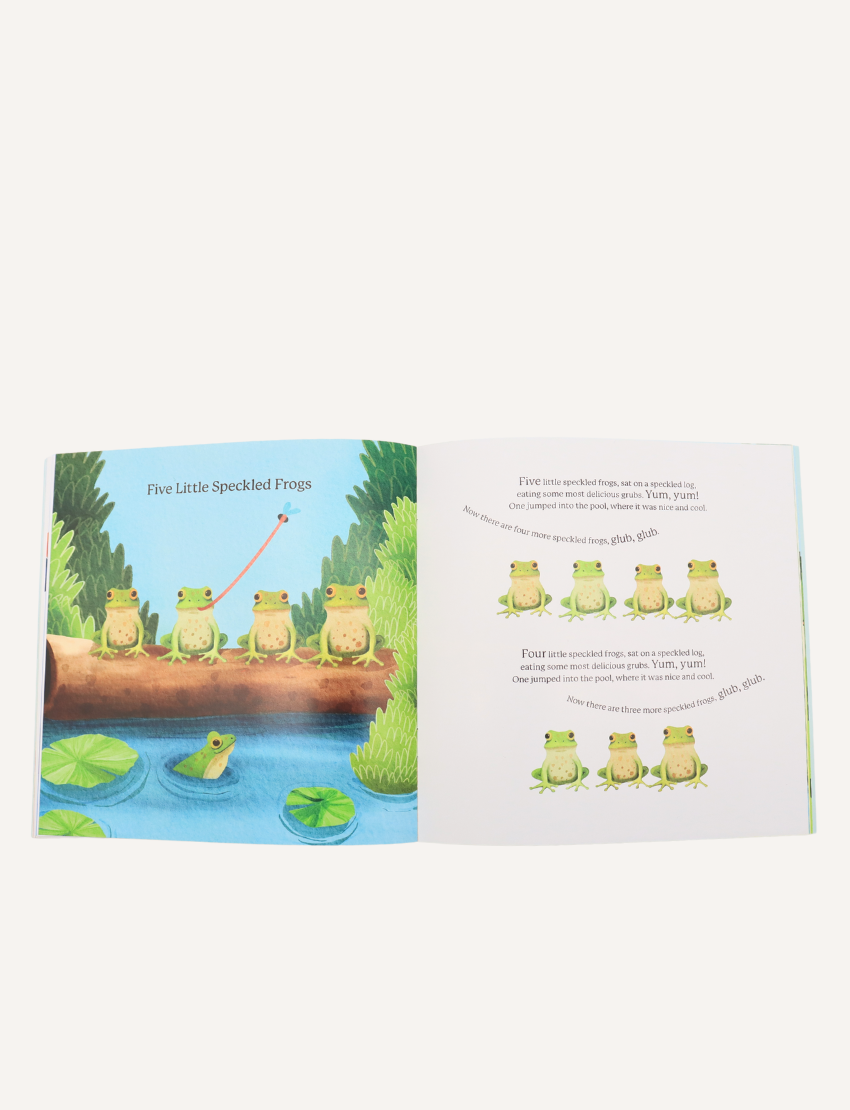
Nursery Rhymes for Kids Storybook
Regular price
$9.50
Sale price
$9.50
Regular price
$19.00
Unit price
The Play Way
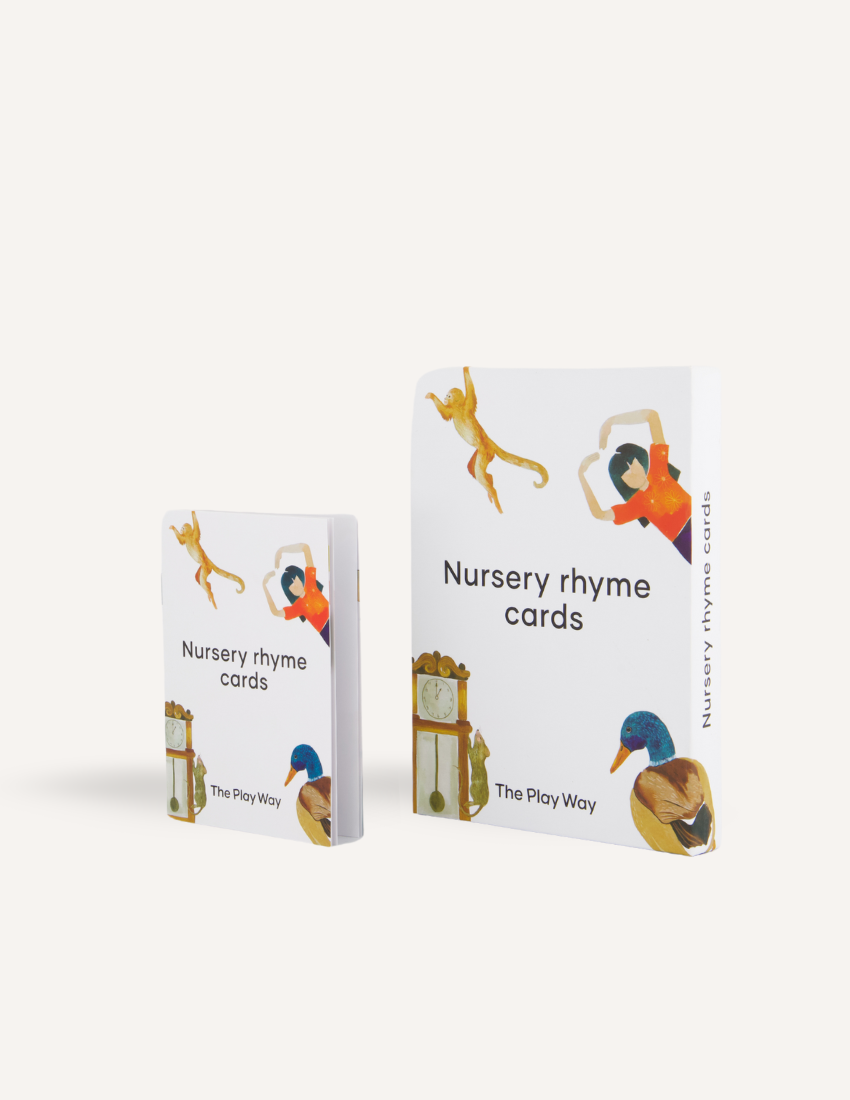
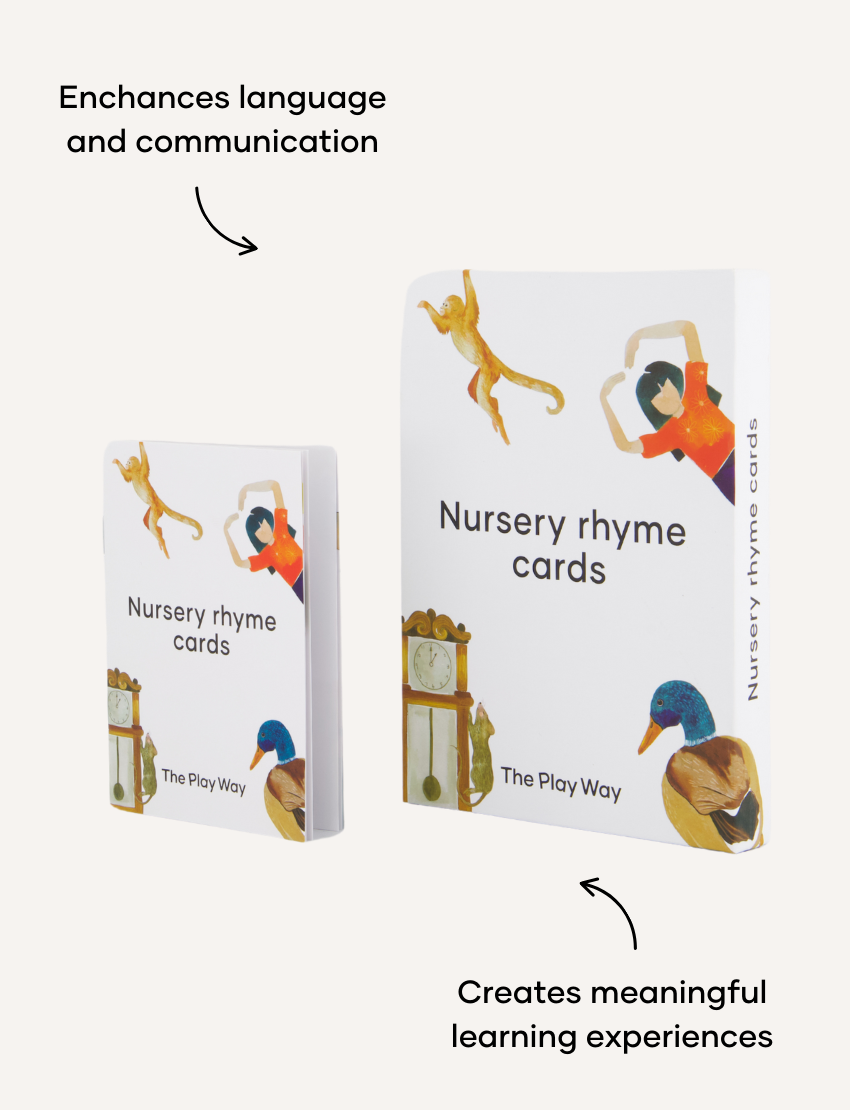
Nursery Rhyme Card Set
Regular price
$24.00
Sale price
$24.00
Regular price
$0.00
Unit price
Sensory Play Australia
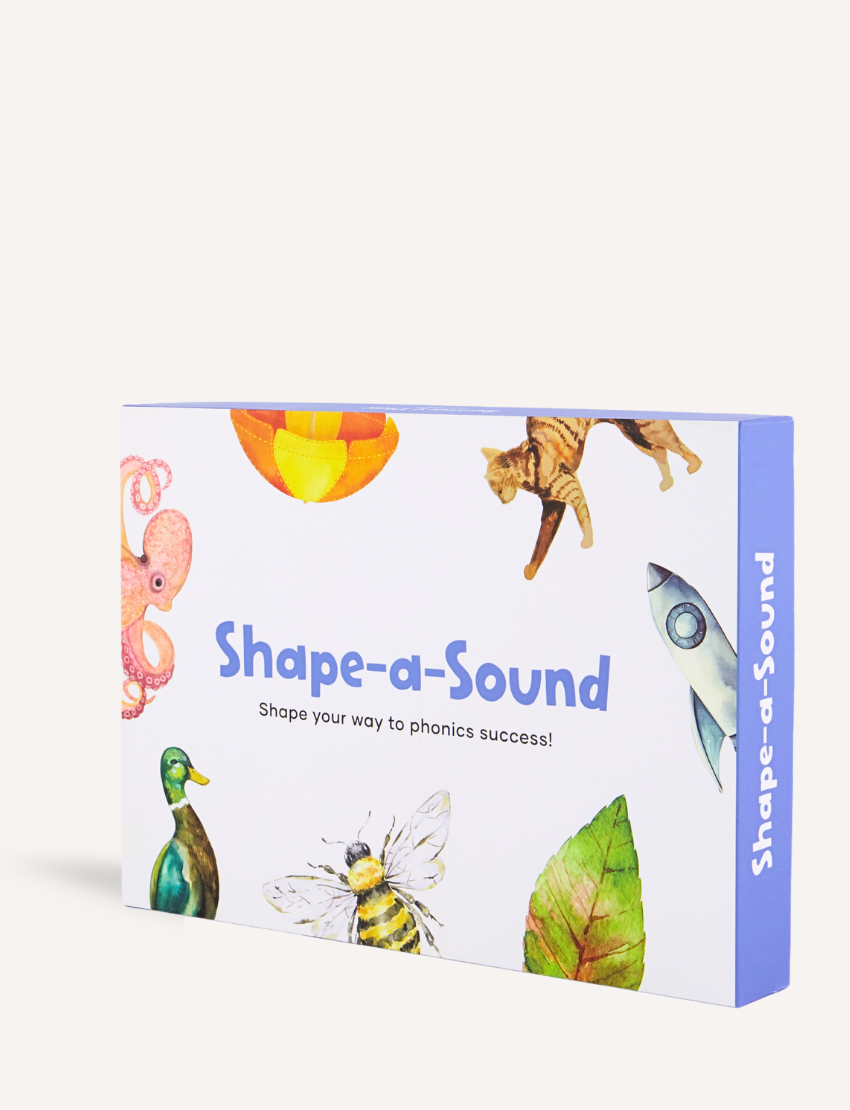
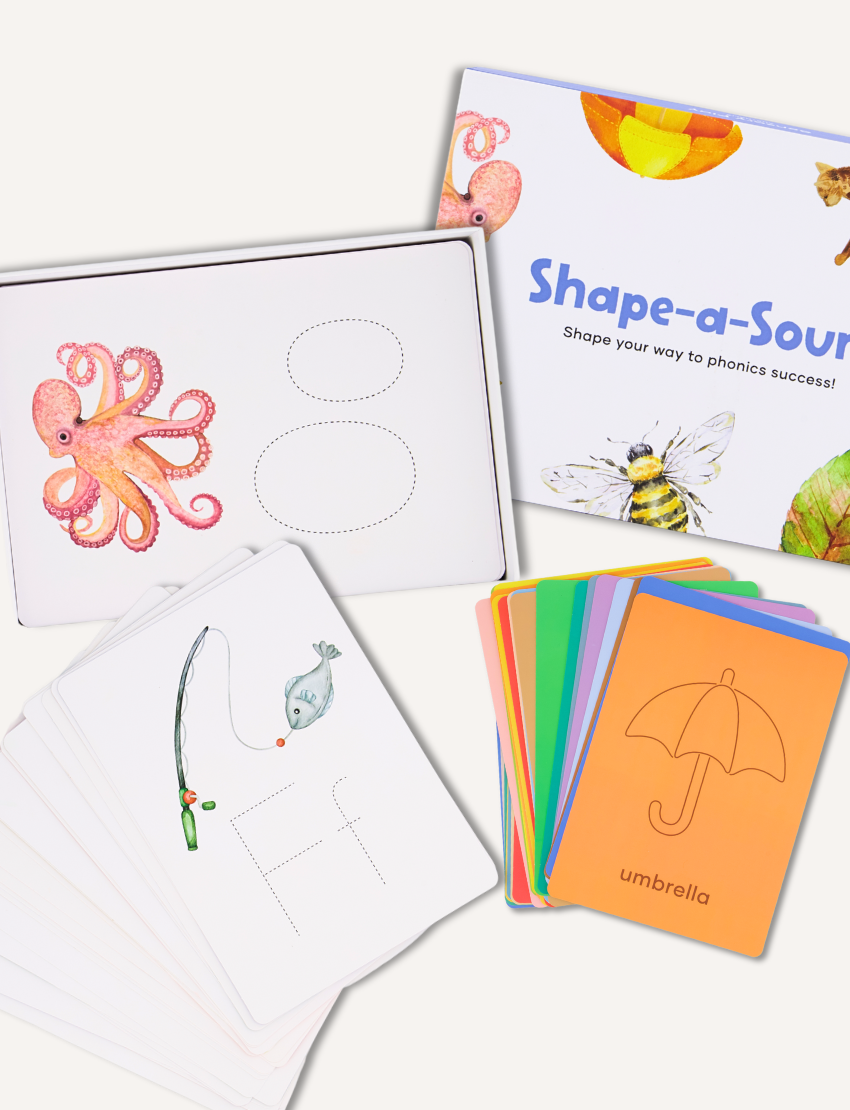
Shape-a-Sound Game
Regular price
$17.00
Sale price
$17.00
Regular price
$34.00
Unit price
Sensory Play Australia
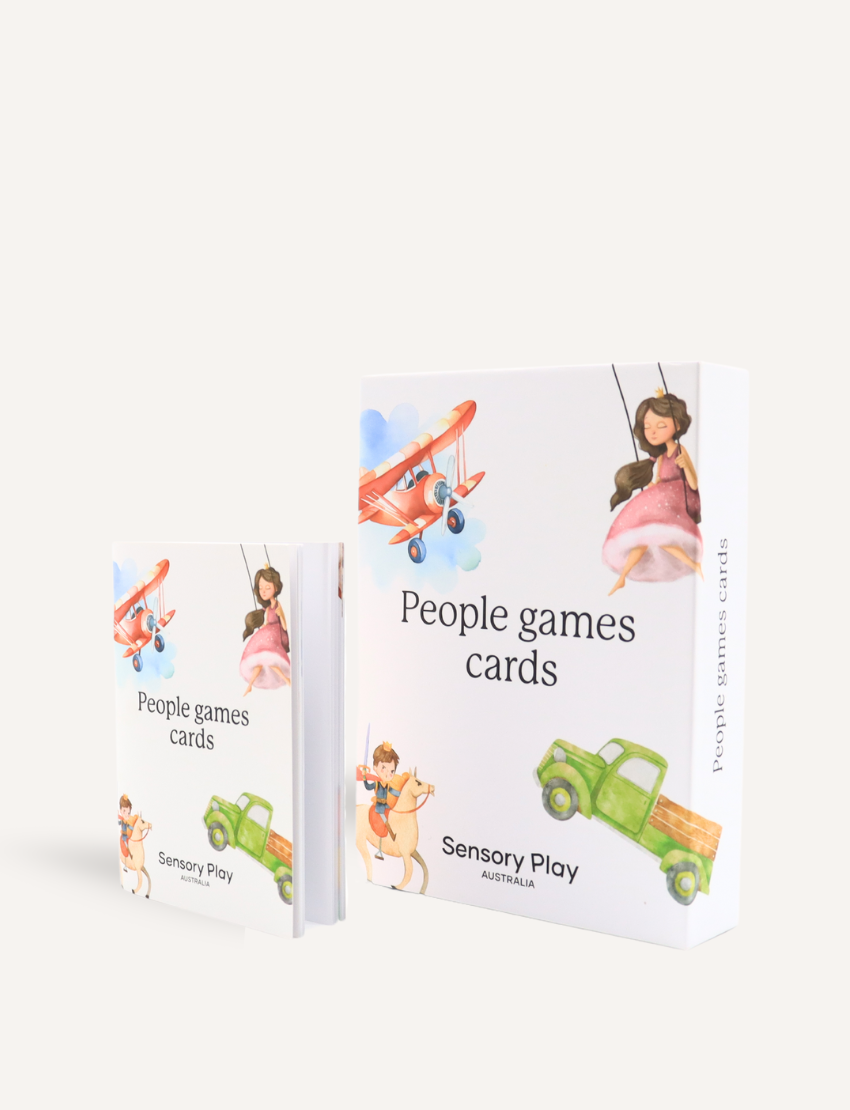
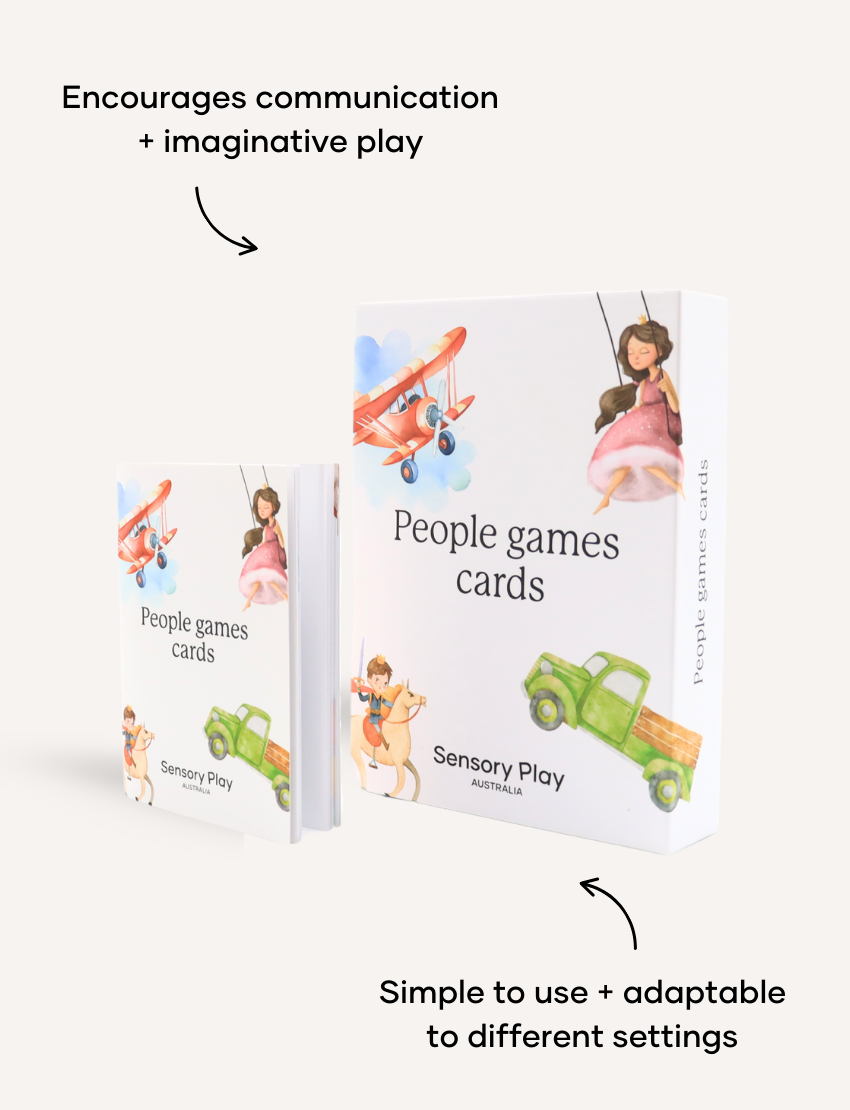
People Games Cards Set
Regular price
$14.50
Sale price
$14.50
Regular price
$29.00
Unit price
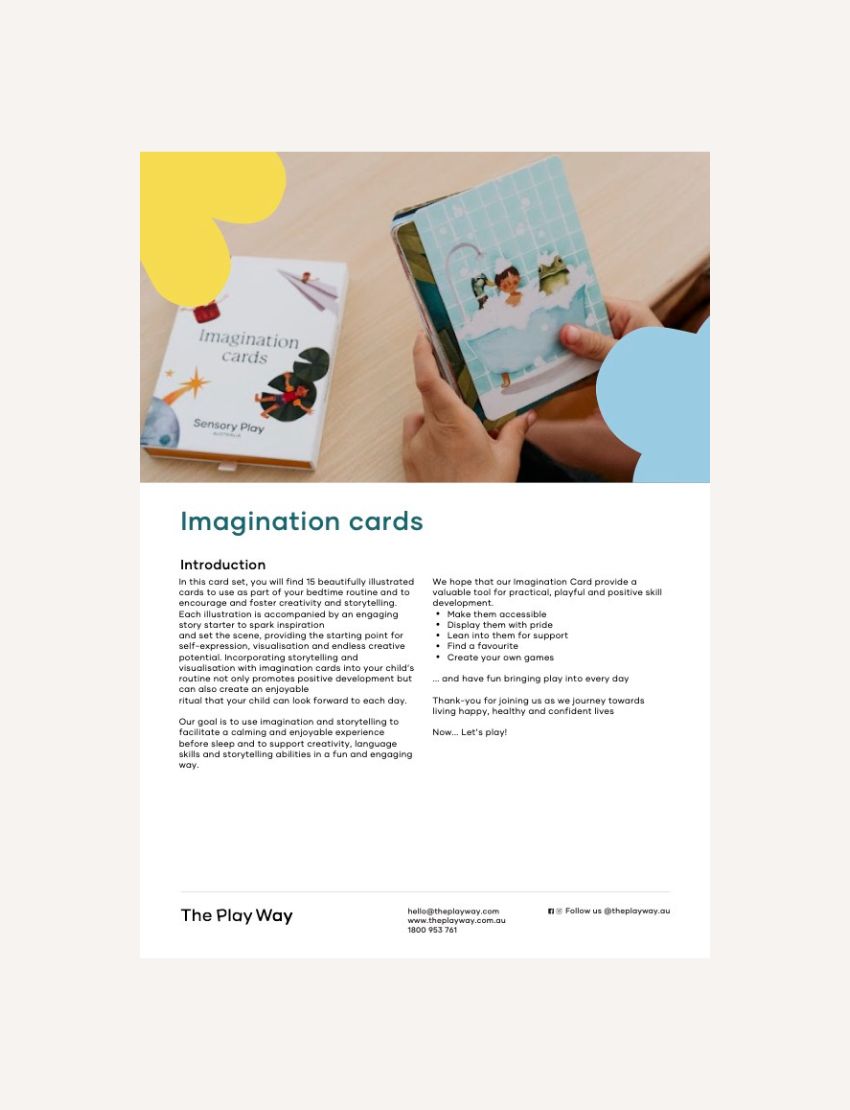
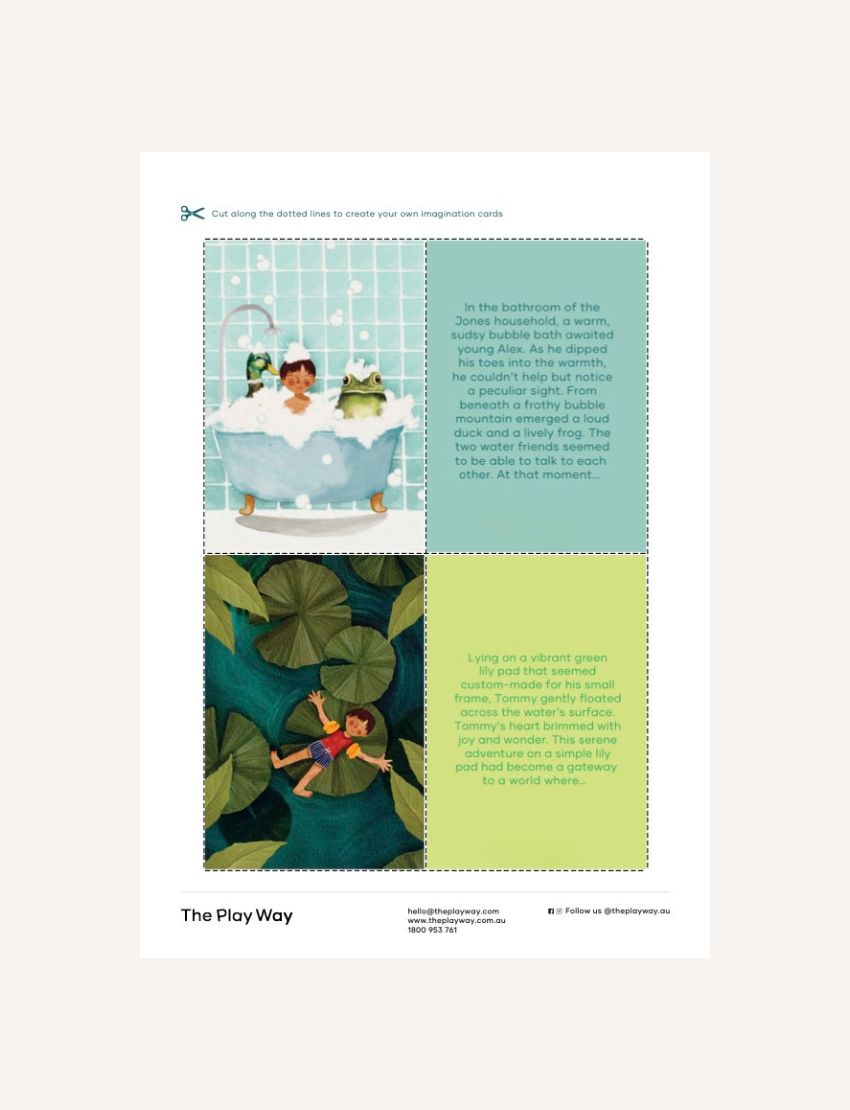
The Play Way
Imagination Cards Digital Resource
Regular price
$10.00
Sale price
$10.00
Regular price
$0.00
Unit price
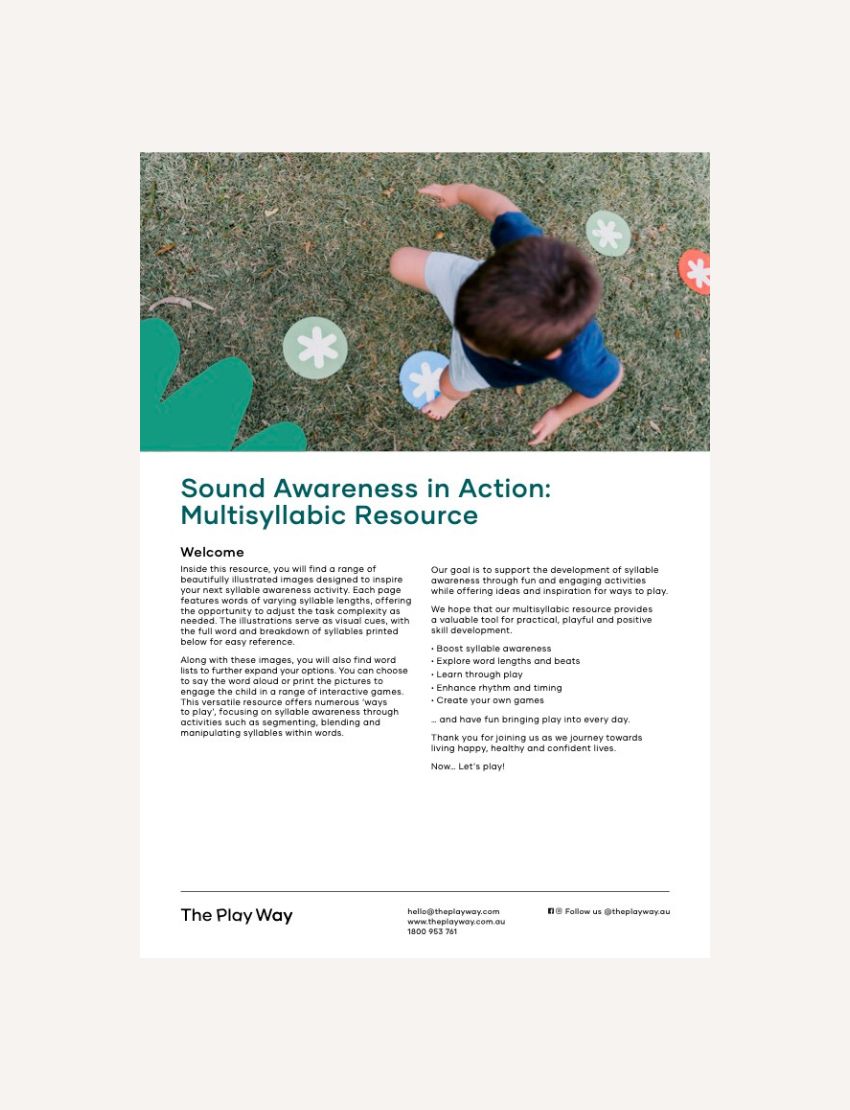
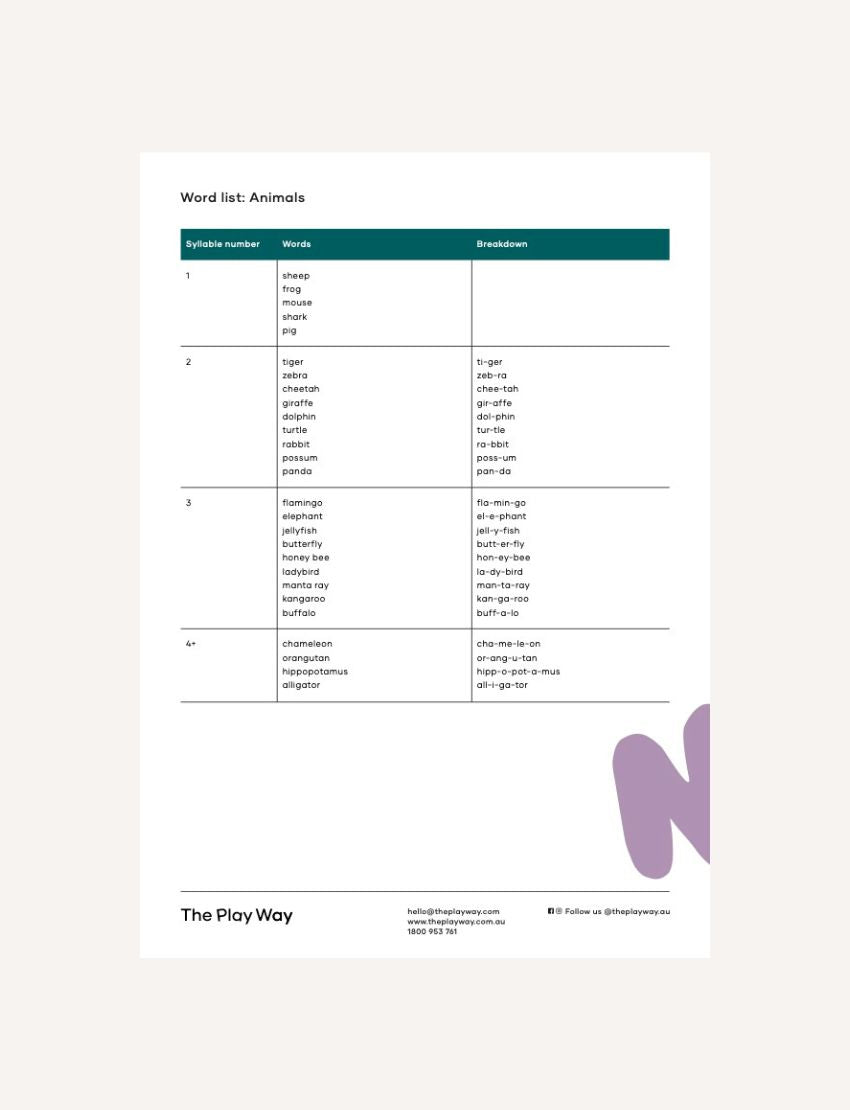
The Play Way
Multisyllabic Cards Digital Resource
Regular price
$12.00
Sale price
$12.00
Regular price
$0.00
Unit price
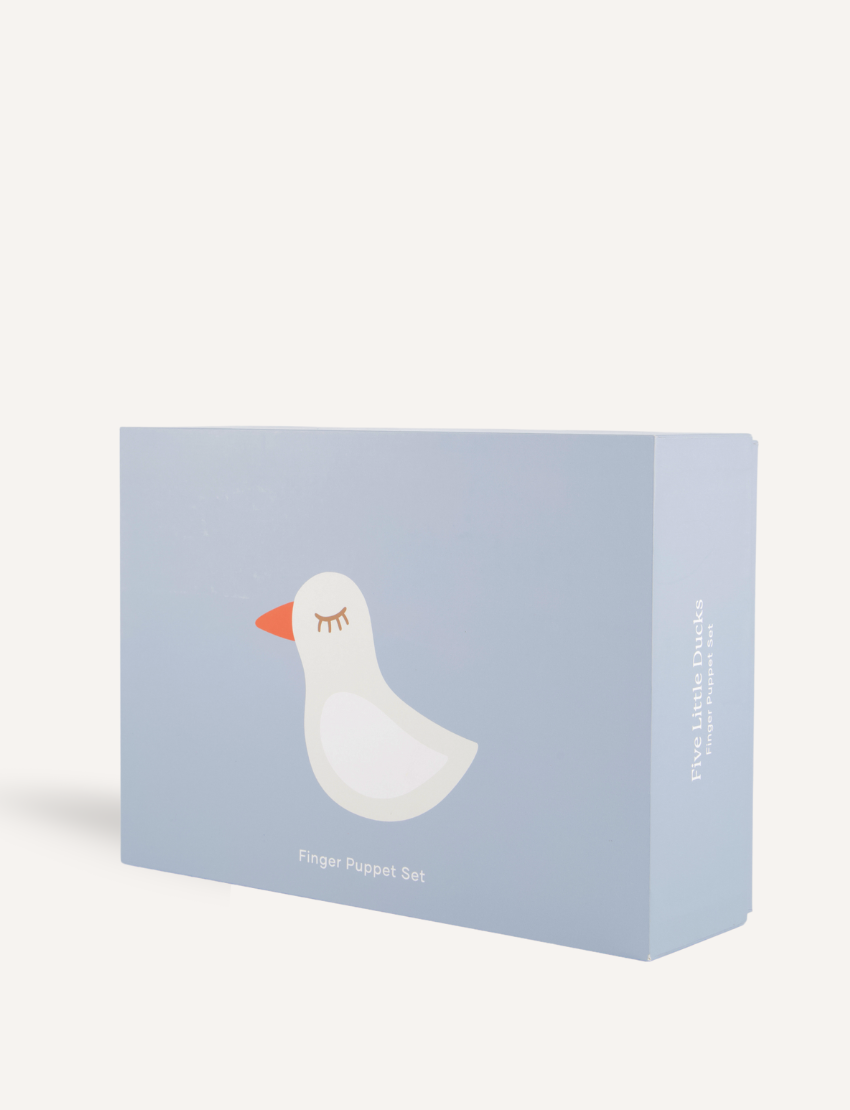
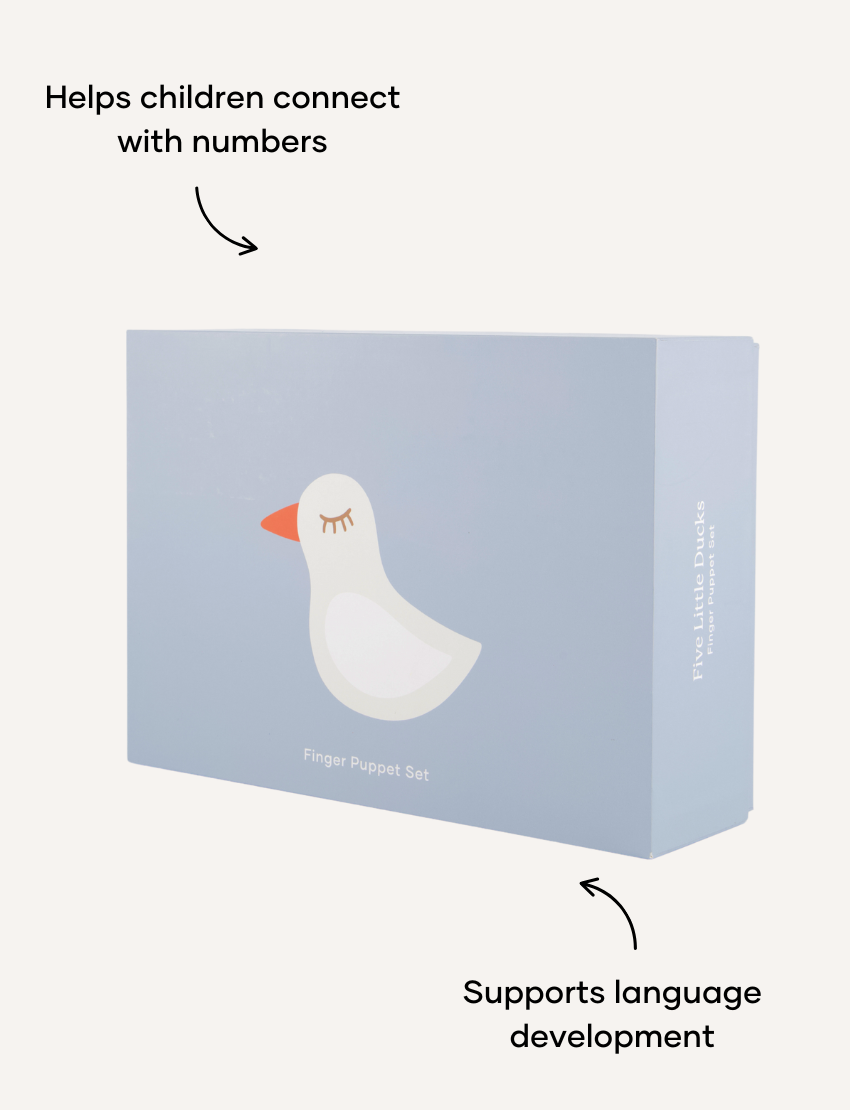
Sensory Play Australia
Five Little Ducks Finger Puppet Set
Regular price
$24.50
Sale price
$24.50
Regular price
$49.00
Unit price
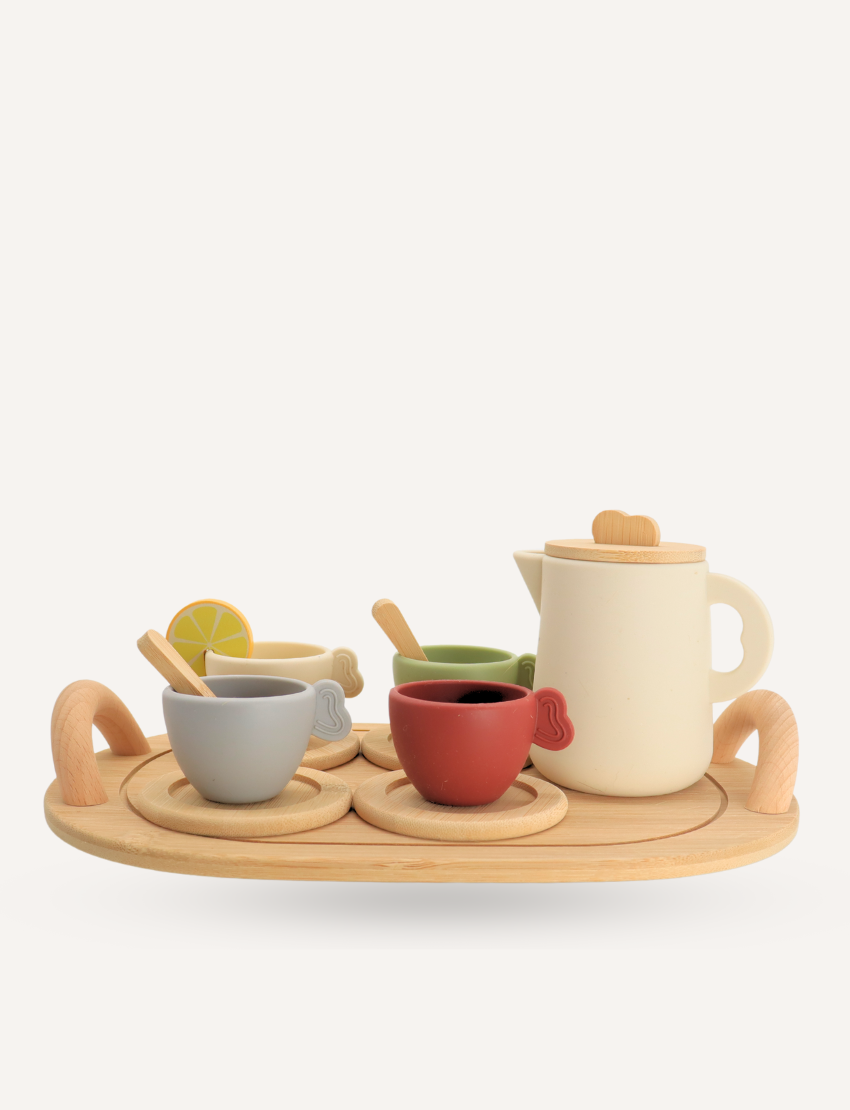
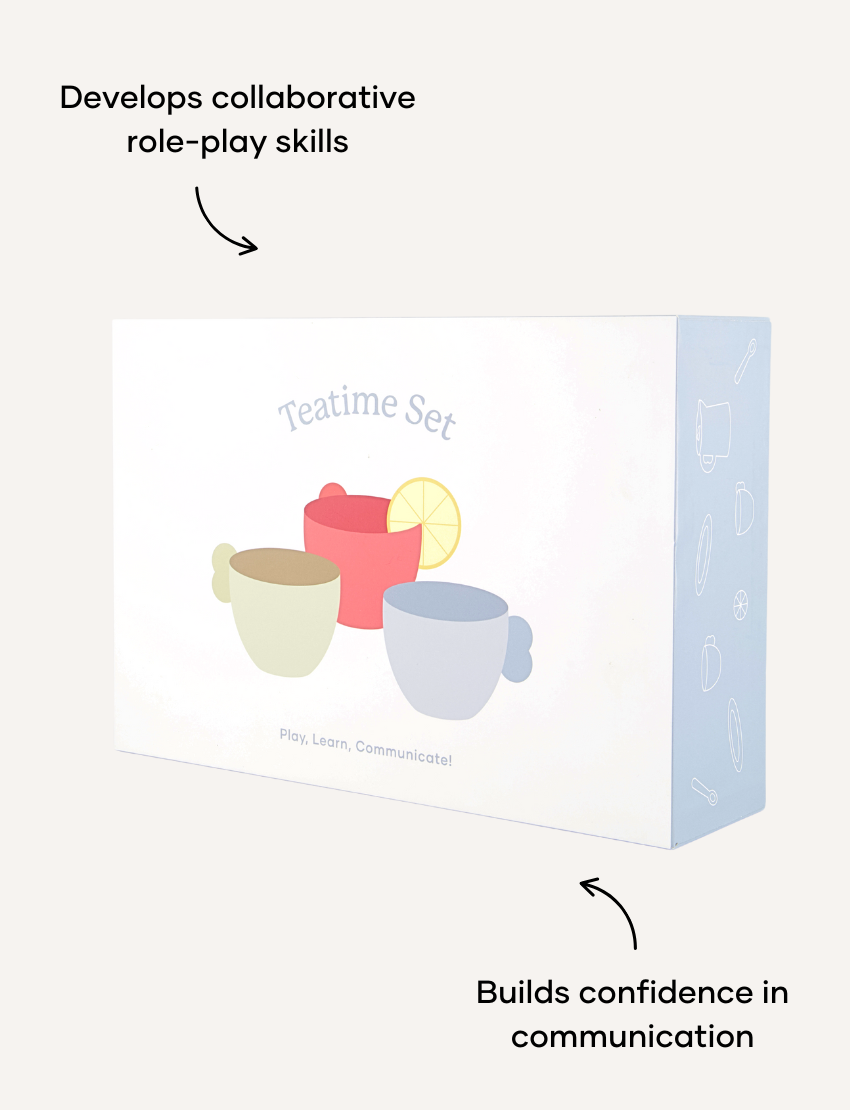
Sensory Play Australia
Teatime Set
Regular price
$34.50
Sale price
$34.50
Regular price
$69.00
Unit price


Peaceable Kingdom
Gnomes at Night Game
Regular price
$31.20
Sale price
$31.20
Regular price
$39.00
Unit price
Sensory Play Australia
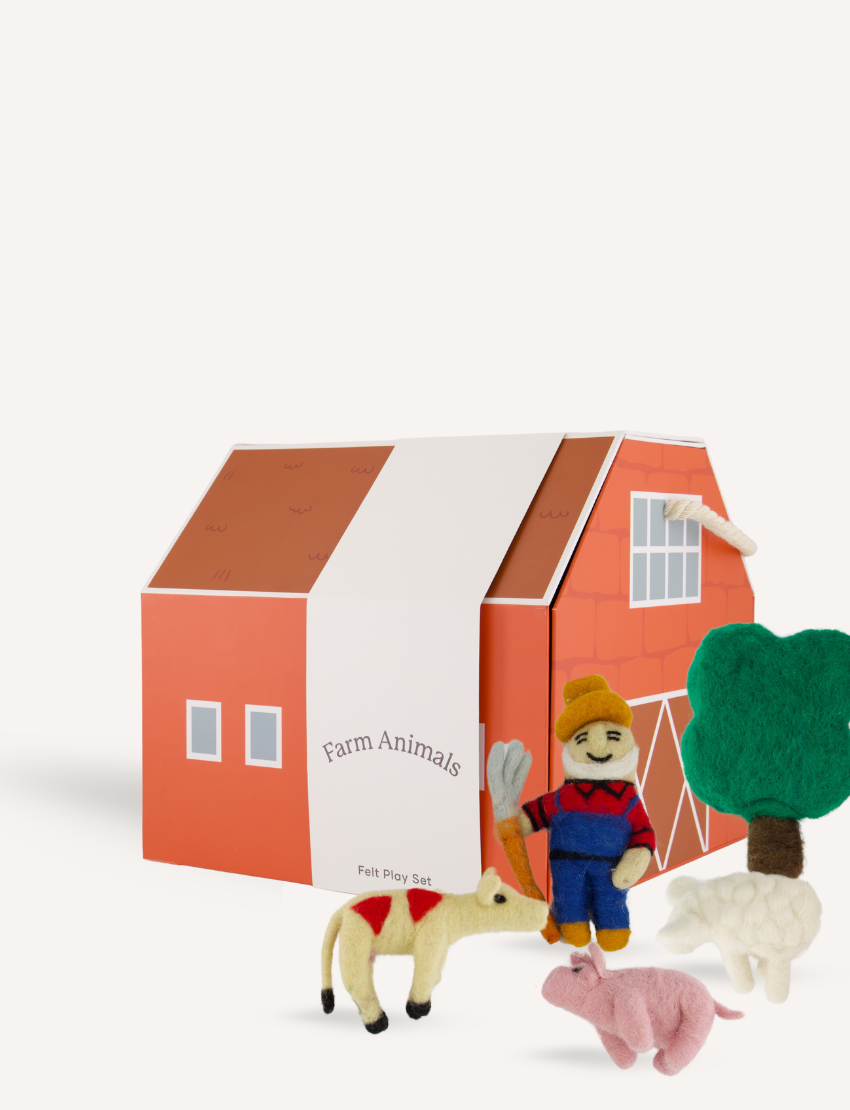
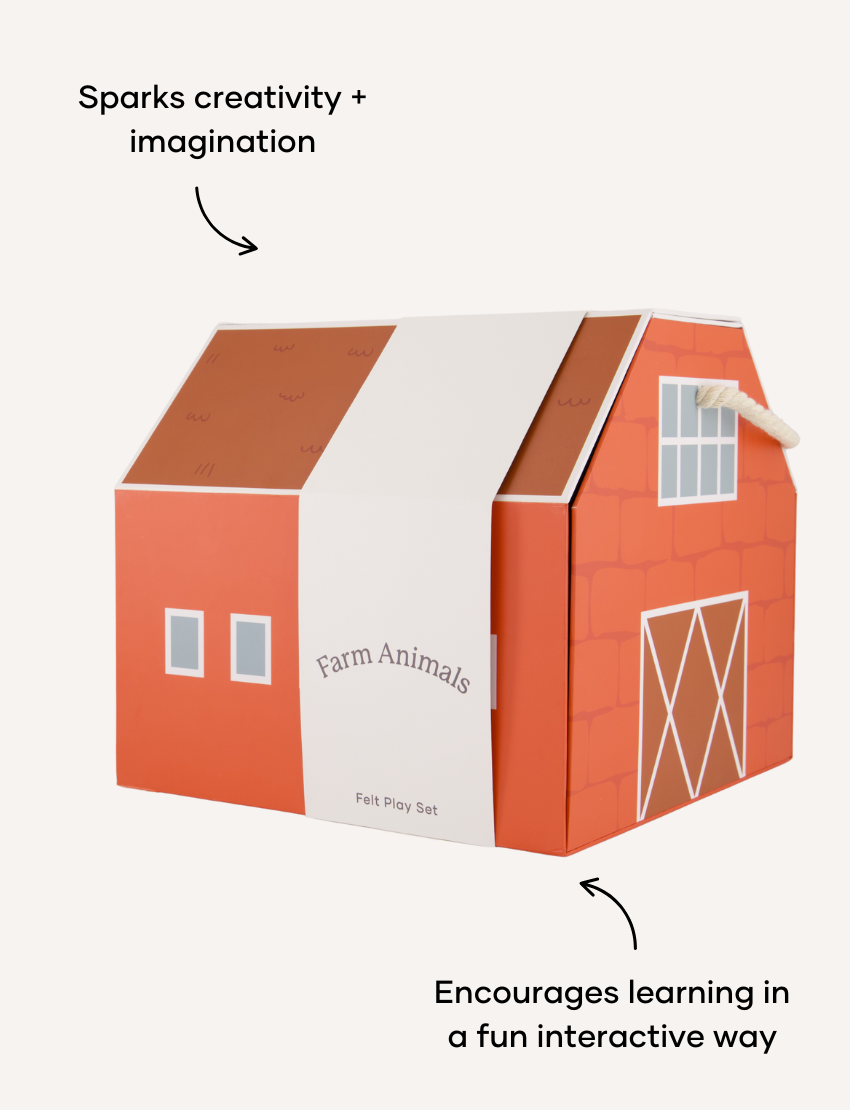
Farm Animals Felt Play Set
Regular price
$59.50
Sale price
$59.50
Regular price
$119.00
Unit price


Cheatwell
Eye Spy With My Little Eye Game
Regular price
$35.20
Sale price
$35.20
Regular price
$44.00
Unit price
The Play Way
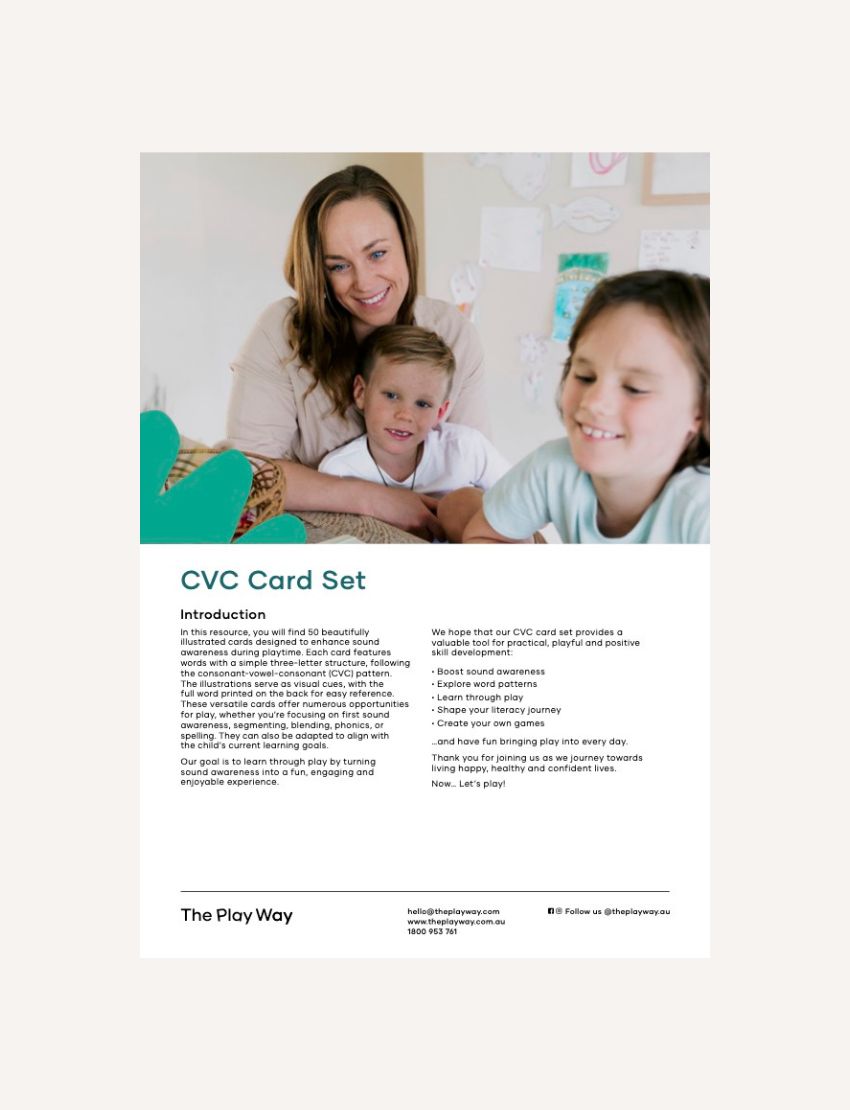
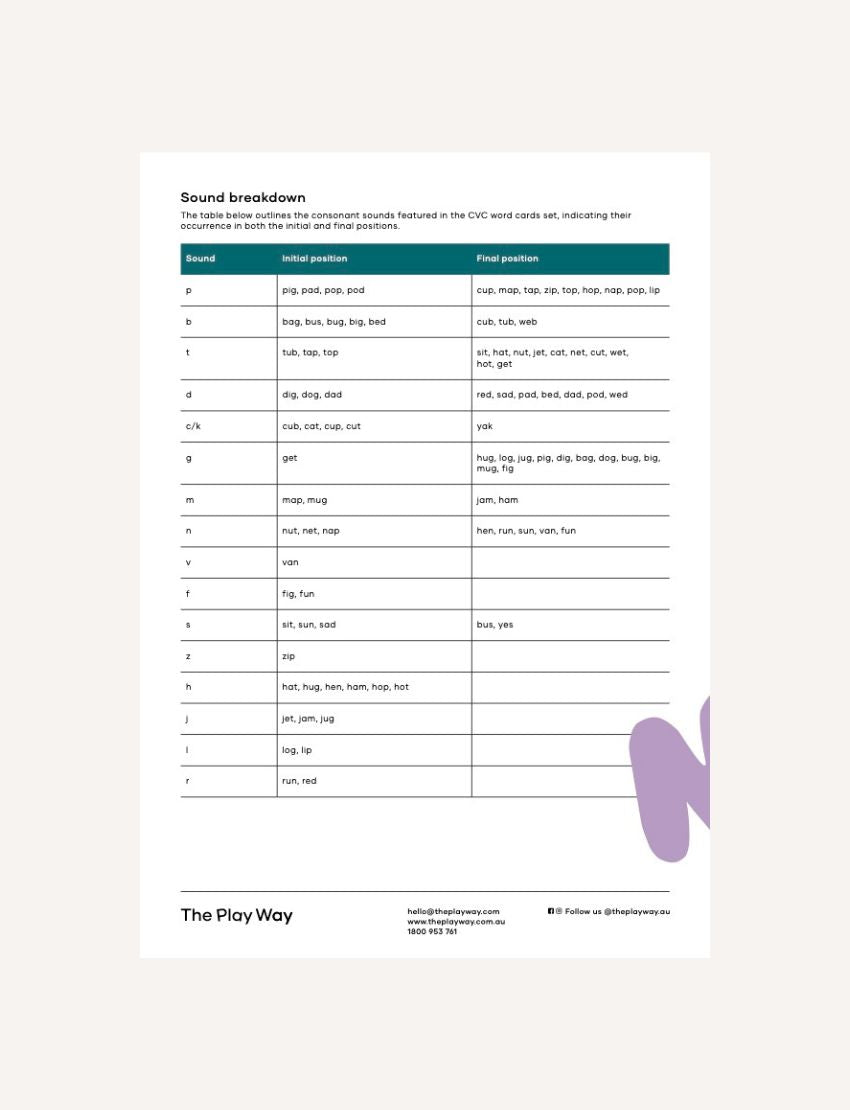
CVC Cards Digital Resource
Regular price
$12.00
Sale price
$12.00
Regular price
$0.00
Unit price
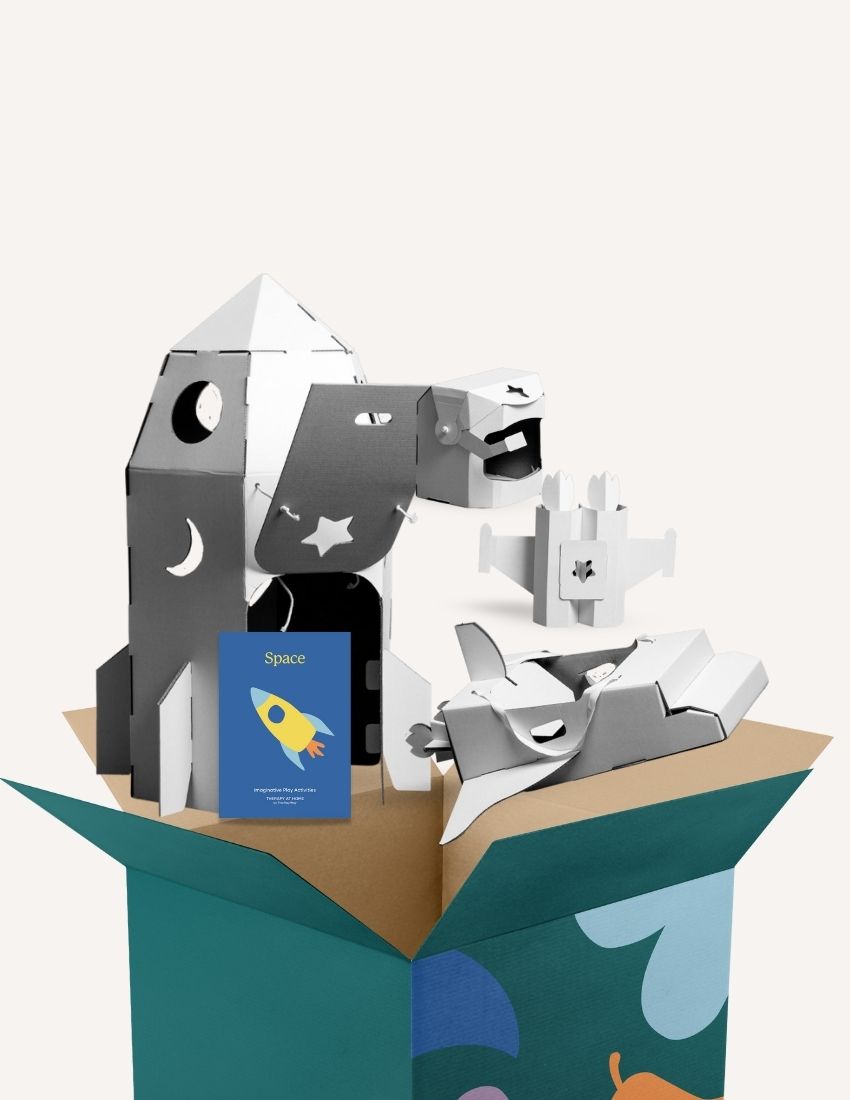
Les Petite Artistes
Les Petite Artistes Space Kit
Regular price
$42.00
Sale price
$42.00
Regular price
$84.00
Unit price


Orchard Toys
Slimy Rhymes Game
Regular price
$23.20
Sale price
$23.20
Regular price
$29.00
Unit price
Sensory Play Australia
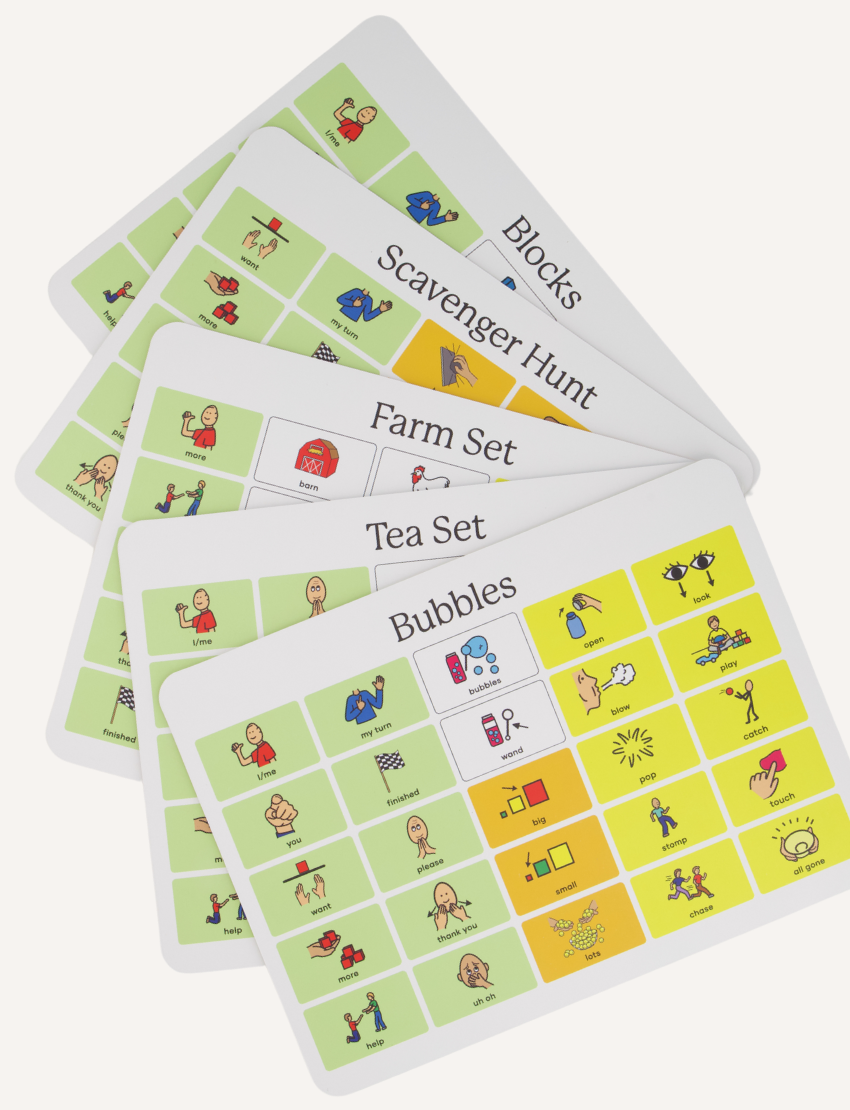
ALD Play Boards
Regular price
$24.50
Sale price
$24.50
Regular price
$49.00
Unit price
Les Petite Artistes
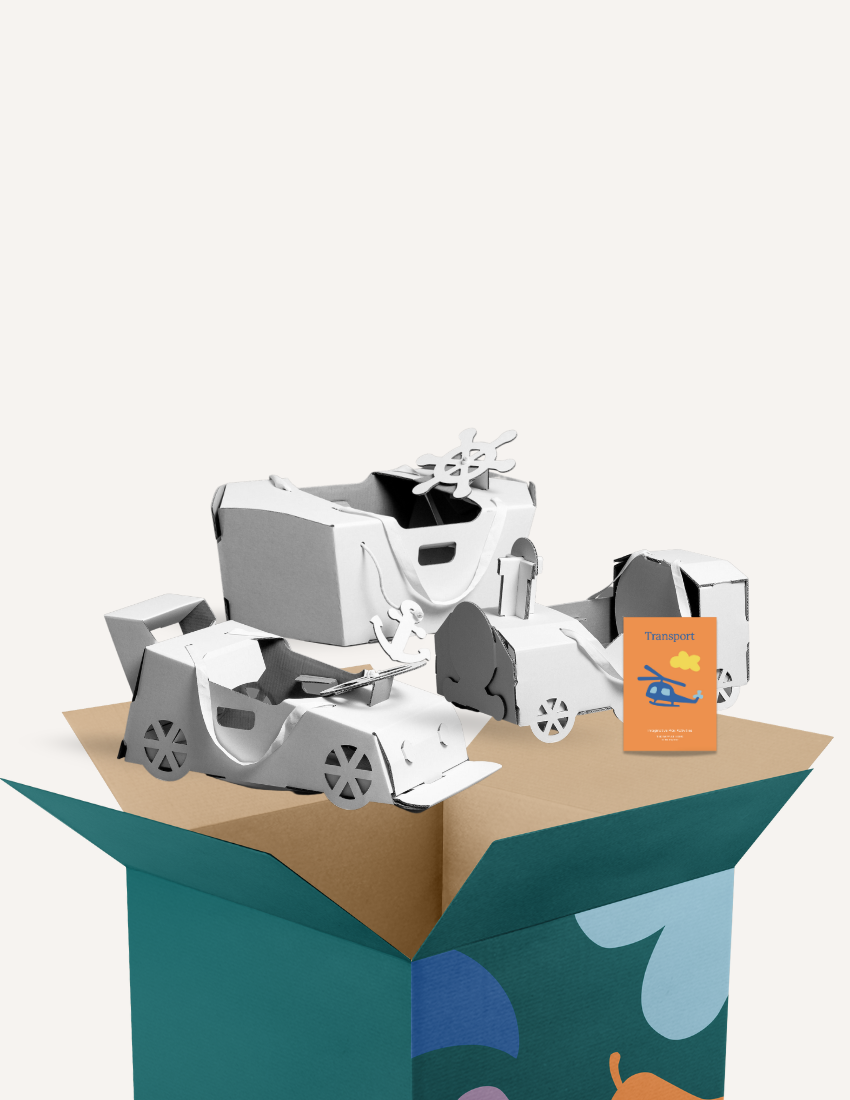
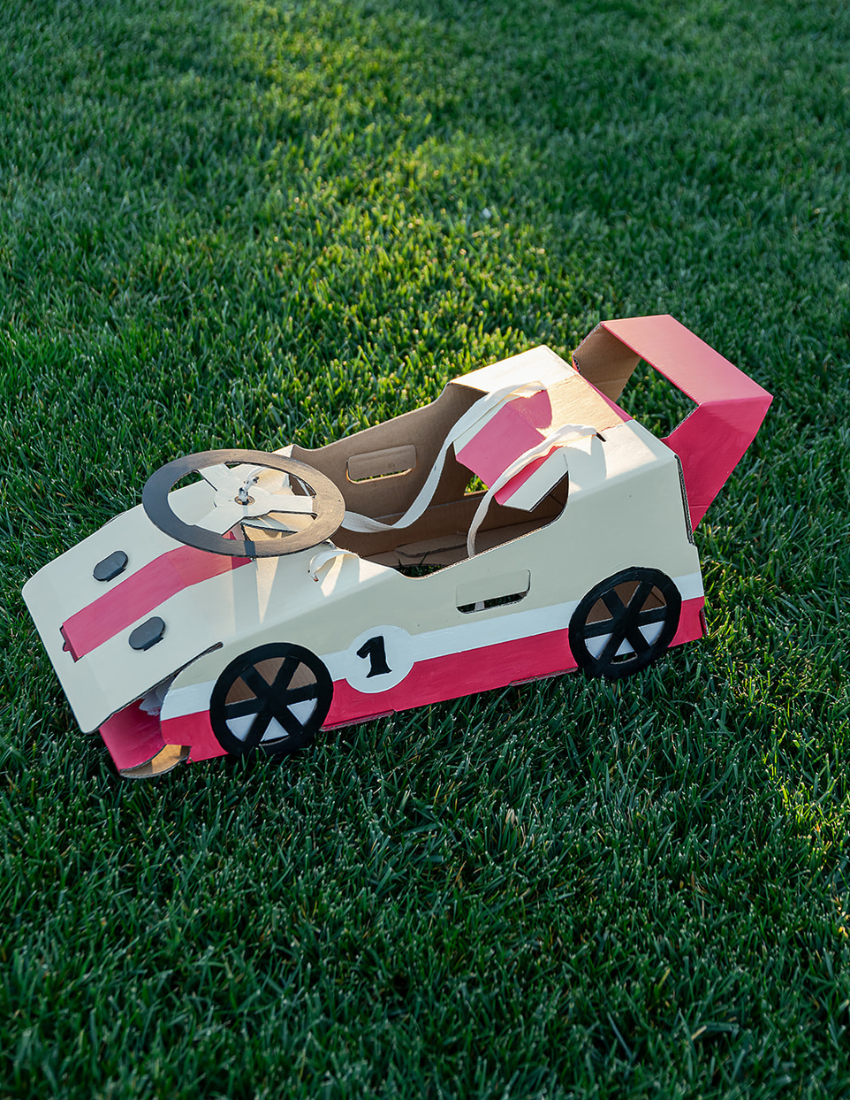
Les Petite Artistes Transport Kit
Regular price
$42.00
Sale price
$42.00
Regular price
$84.00
Unit price
Sensory Play Australia
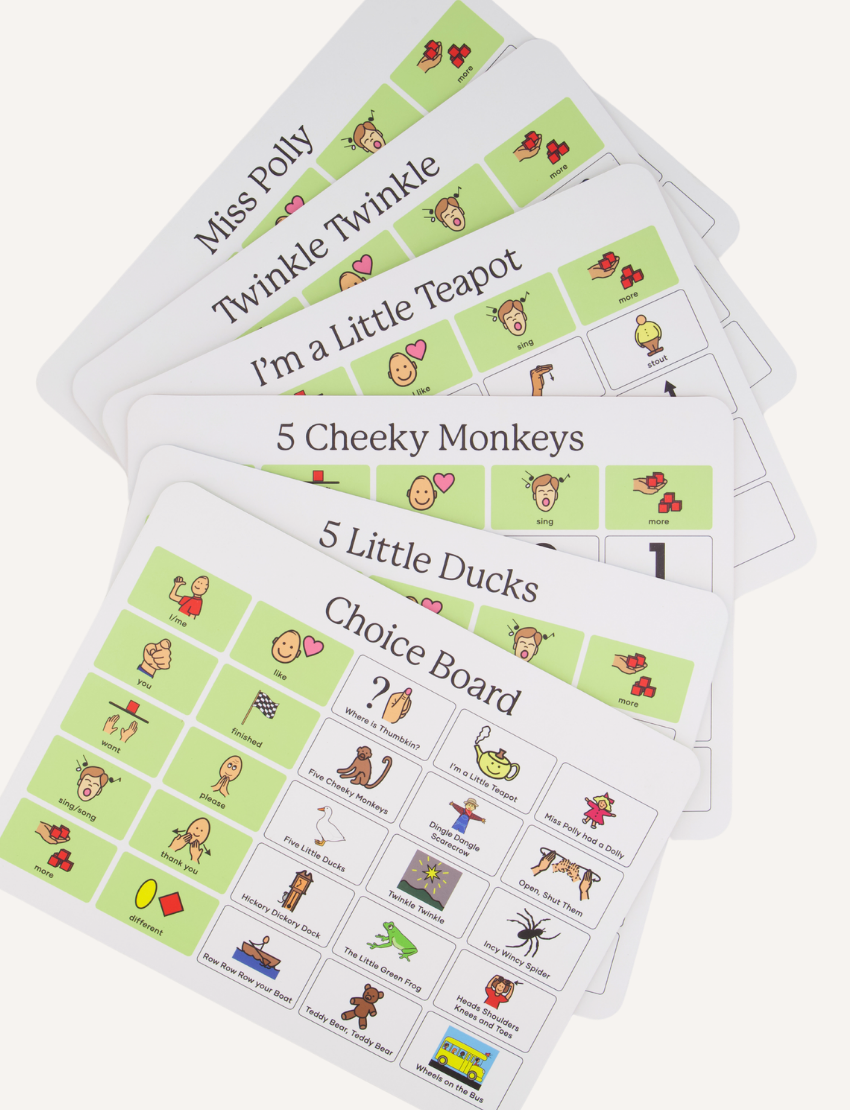
ALD Song Boards
Regular price
$24.50
Sale price
$24.50
Regular price
$49.00
Unit price
Les Petite Artistes
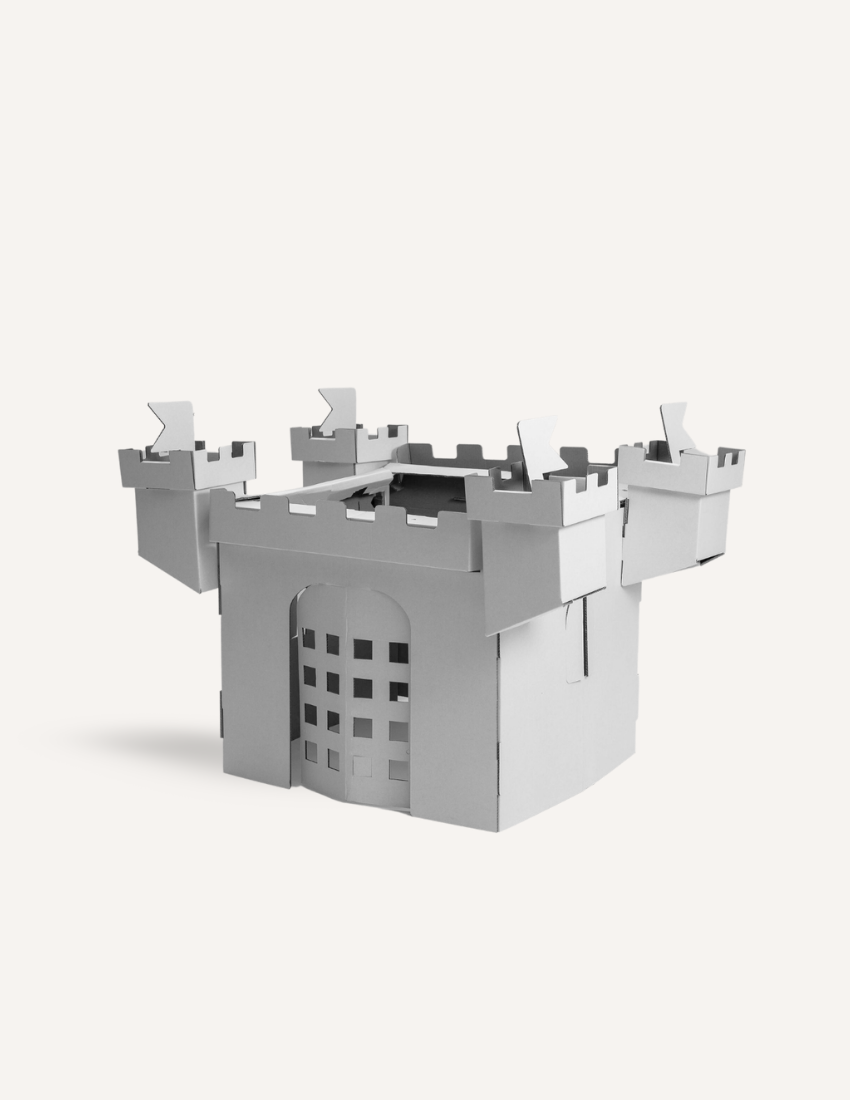
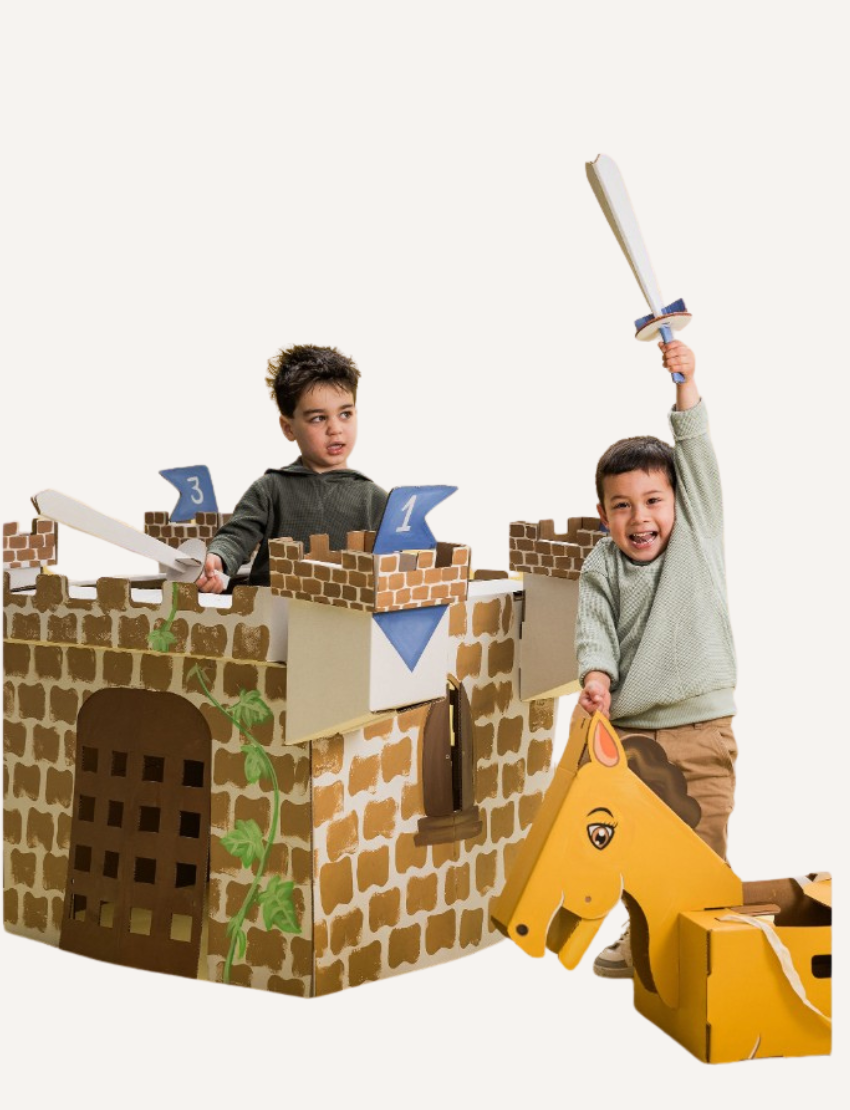
Castle House
Regular price
$34.50
Sale price
$34.50
Regular price
$69.00
Unit price
Les Petite Artistes
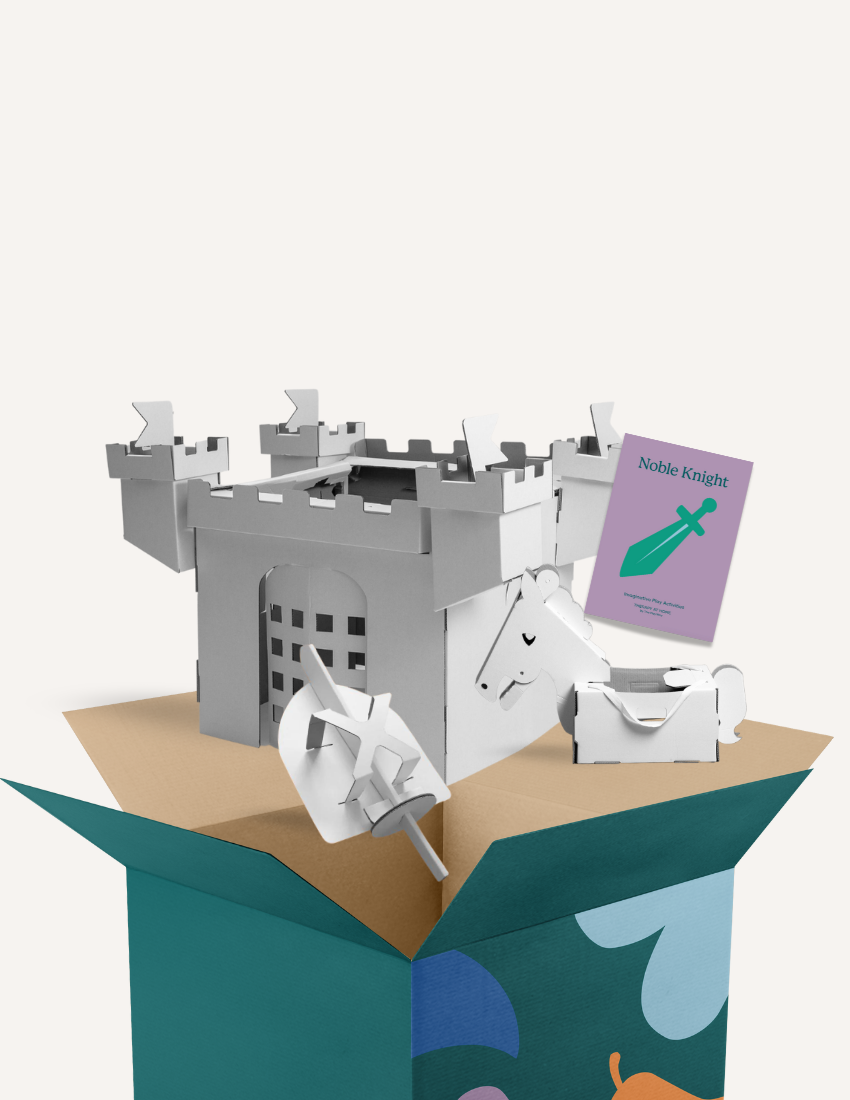
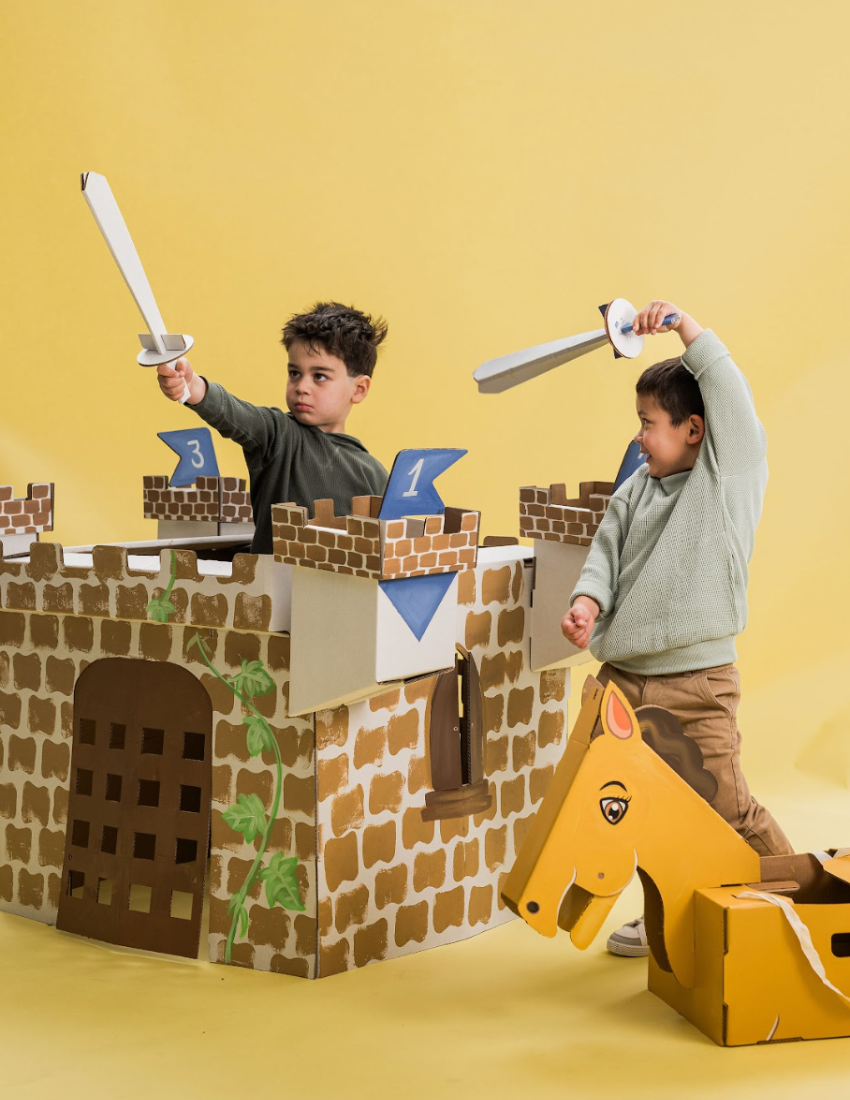
Les Petite Artistes Noble Knight Kit
Regular price
$42.00
Sale price
$42.00
Regular price
$84.00
Unit price
Sort by
- Featured
- Most relevant
- Best selling
- Alphabetically, A-Z
- Alphabetically, Z-A
- Price, low to high
- Price, high to low
- Date, old to new
- Date, new to old
Recently Viewed Products
Language
Frequently asked questions
Is my child a late talker?
That is not something to work out from a list on the internet, and it is worth asking somebody who can tell you properly. What helps is writing down what you are seeing before you go, because that is what makes the appointment useful. How many words they have, and whether new ones are still arriving. Whether they use words to ask for something or only to name things. Whether they copy you. Whether they can follow a simple instruction without you pointing. And whether it is only the words that seem behind, or the pointing and the play and the looking at you as well. A speech pathologist is the person who can tell you what that adds up to.
How can I help my child talk at home?
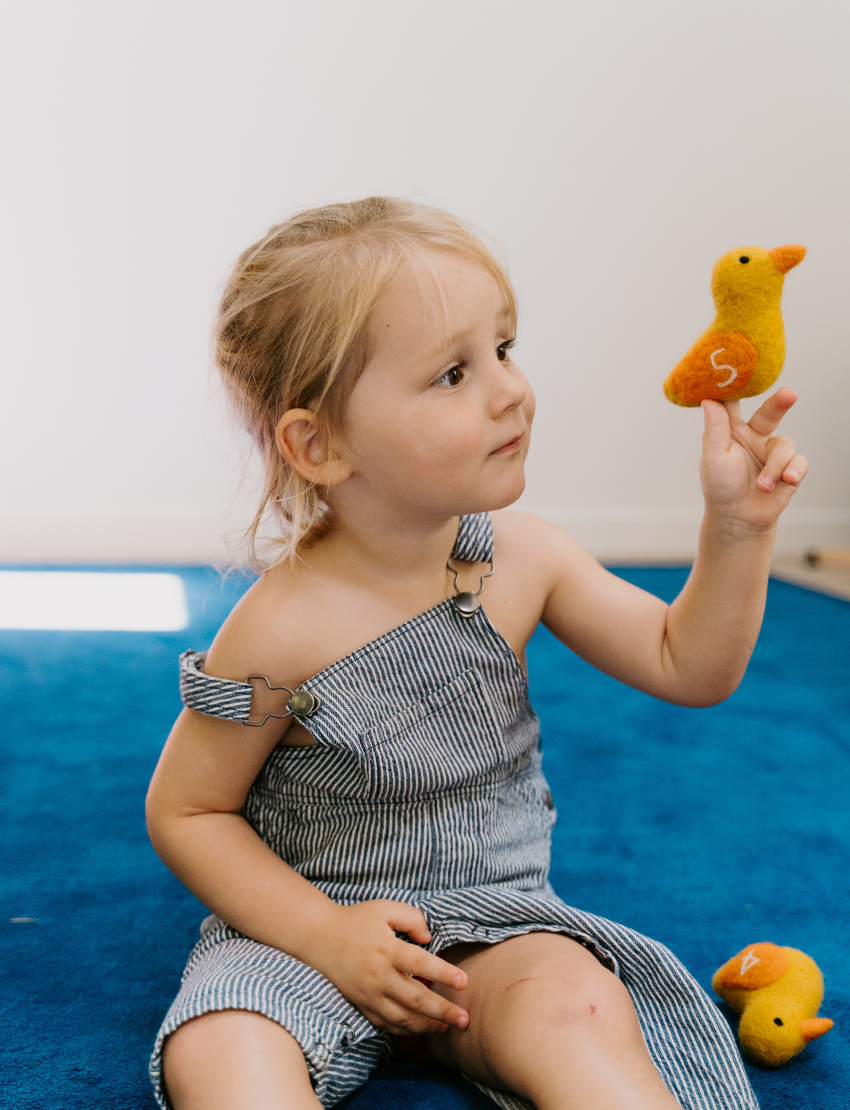
Leave gaps. The most useful thing you can do is set up a moment where your child needs you, and then wait. Our Early Years Language kit is built entirely out of that idea. Everything in the box has a waiting gap in it on purpose: a lid nobody can get off on their own, a tea party that needs someone to pour, five ducks that go missing one at a time. Your child gets a reason to communicate, and a second or two of silence from you is what lets them take it. Pause before the last word of a song they know. Put the thing they want where they can see it and not reach it and watch how they communicate. Offer two things rather than asking an open question. And try not to finish the sentence for them, which is the hardest part of all of it.
What if my child has no words yet?
Give them a way to show you in the meantime, because waiting for words is not the only option. Our ALD boards put a picture symbol beside each word, so language becomes something your child can point at instead of say. The song boards do the same with Five Little Ducks and Twinkle Twinkle, so you can point while you sing and they can join in long before they can say the words. Our speech pathologists use the boards alongside everything else rather than instead of it.
Why do rhymes and songs come up so much?
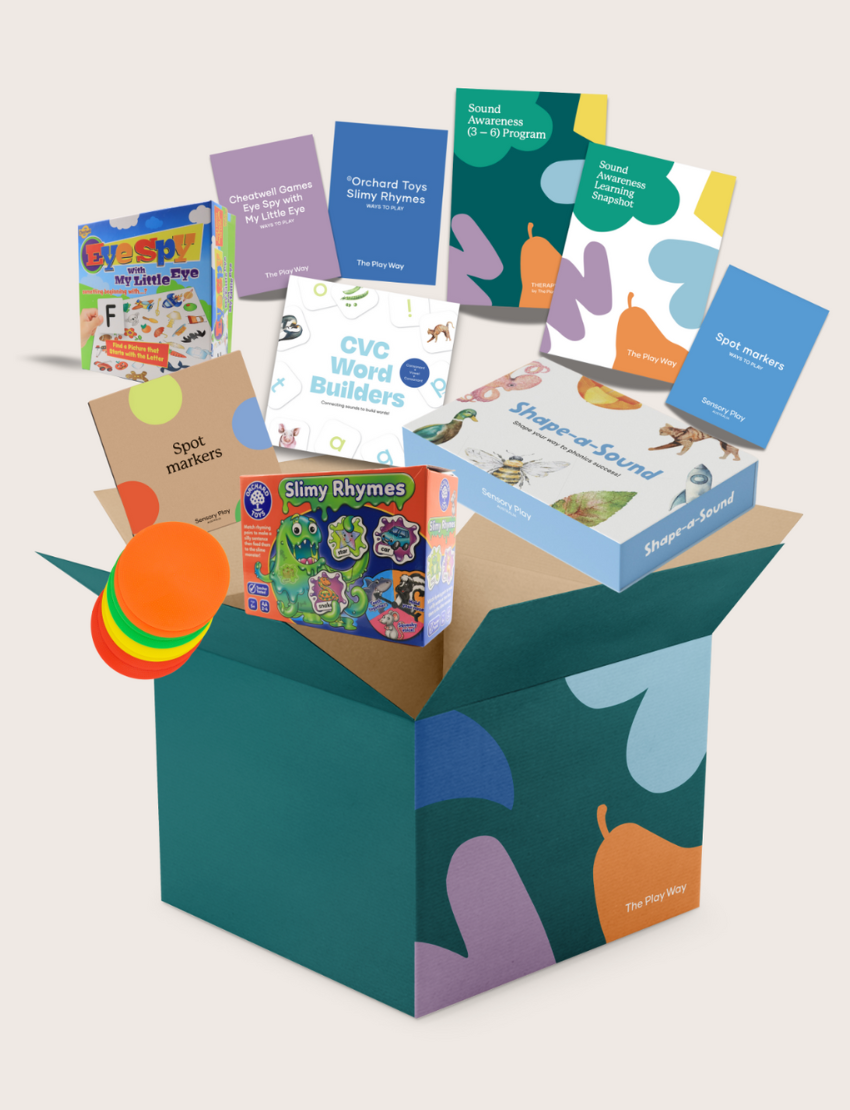
Two reasons, and they are different. A song your child already knows has a predictable gap in it, which is the easiest place in the world for a first word to land. Pause before “little star” often enough and you will hear it. The other reason is about reading, later on. Before anyone can read a word they have to hear that it is made of parts, and rhyme is how most children first notice that. Our Sounds and Rhymes kit works on it through silly sentences, rhyming pairs and hopping one sound at a time across the floor. Your child does not need to know a single letter to start.
Which language play kit should I start with?
By where your child is up to rather than by their age, although our speech pathologists did build them with rough ages in mind. Early Years Language is the first, made for roughly one to three, and you start there if your child can make it very clear when they are cross or delighted but cannot yet tell you what they want in words. Sounds and Rhymes is the second, made for roughly three to six, and you start there if your child talks easily and is heading towards reading. Language and Conversation is the third, made for roughly seven to ten, and you start there if your child talks plenty and still cannot get the message across, or cannot yet tell a story somebody else can follow. If you are not sure, email us at ask@theplayway.com and we will help you choose.

