

Find out what your child needs most right now. Answer 6 quick questions and get a free personalised play plan. The one area where your child is most ready to grow, and the specific Hub programs to match.
Feeding & Mealtimes
Play kits
The Play Way
Play Kit
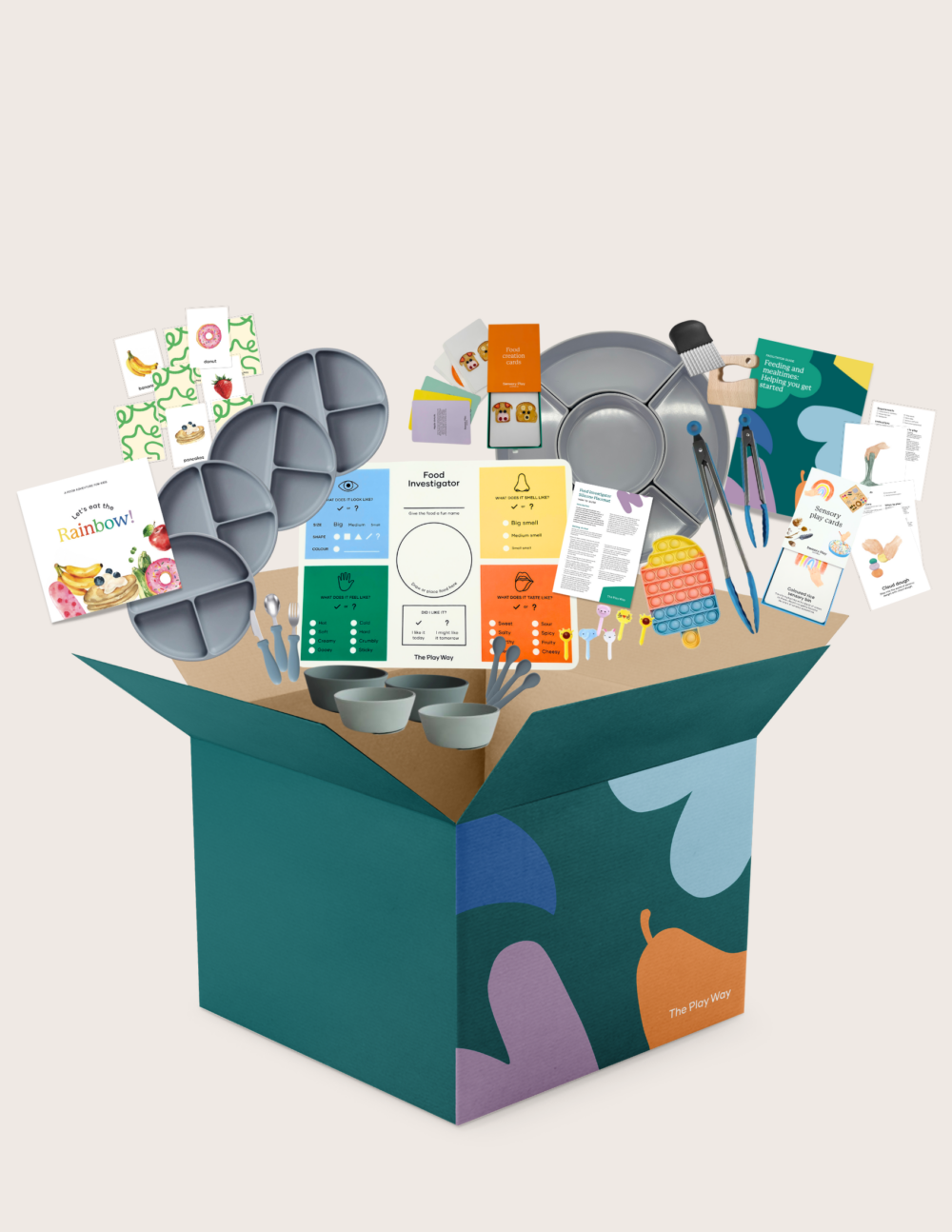
Feeding and Mealtimes Play Kit
Regular price
$197.00
Sale price
$197.00
Regular price
$0.00
Unit price
The Play Way
Play Kit
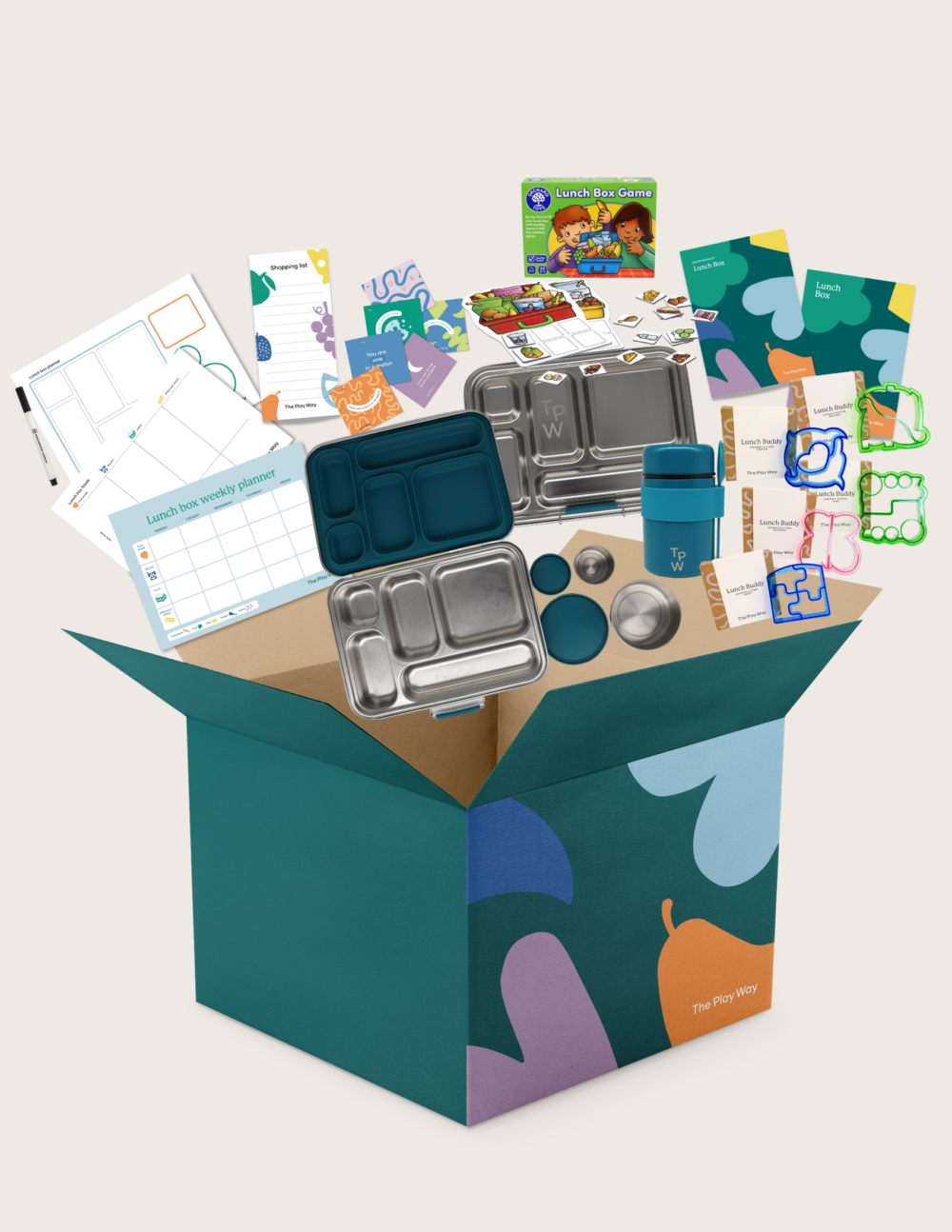
Lunch Box Skills Play Kit
Regular price
$149.00
Sale price
$149.00
Regular price
$0.00
Unit price
All Products
The Play Way
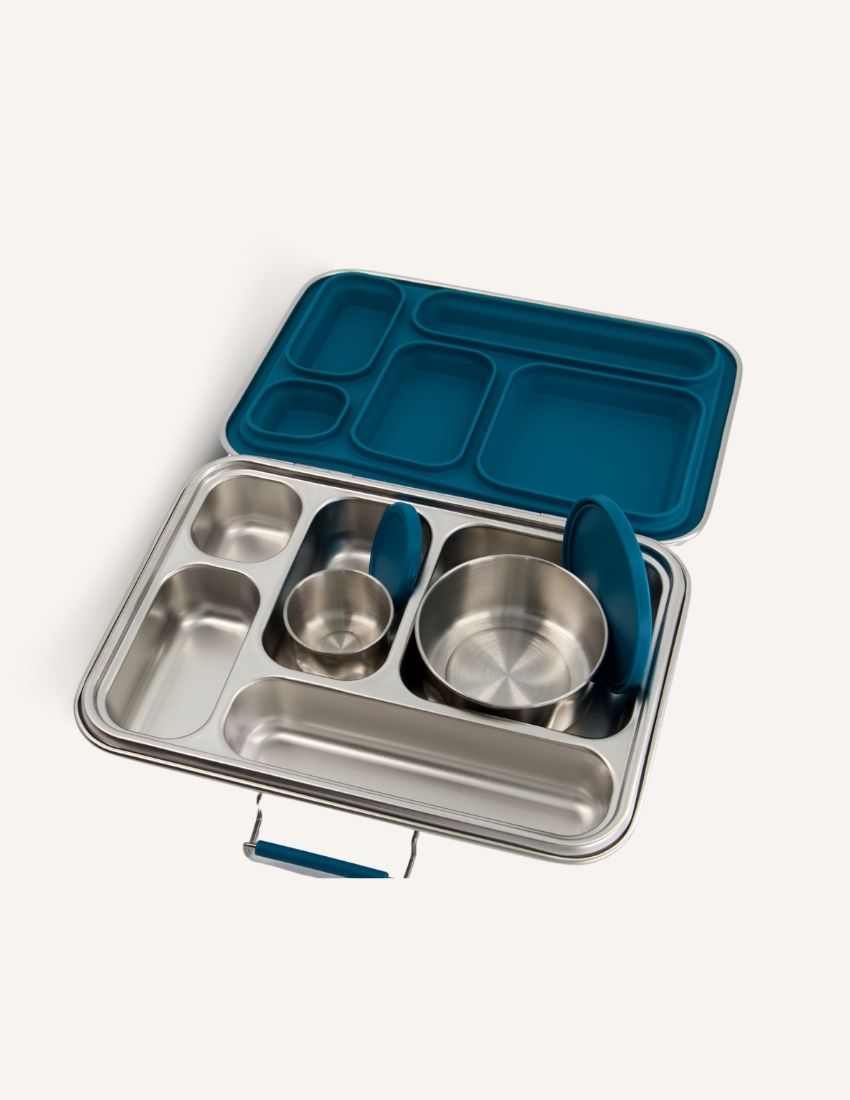
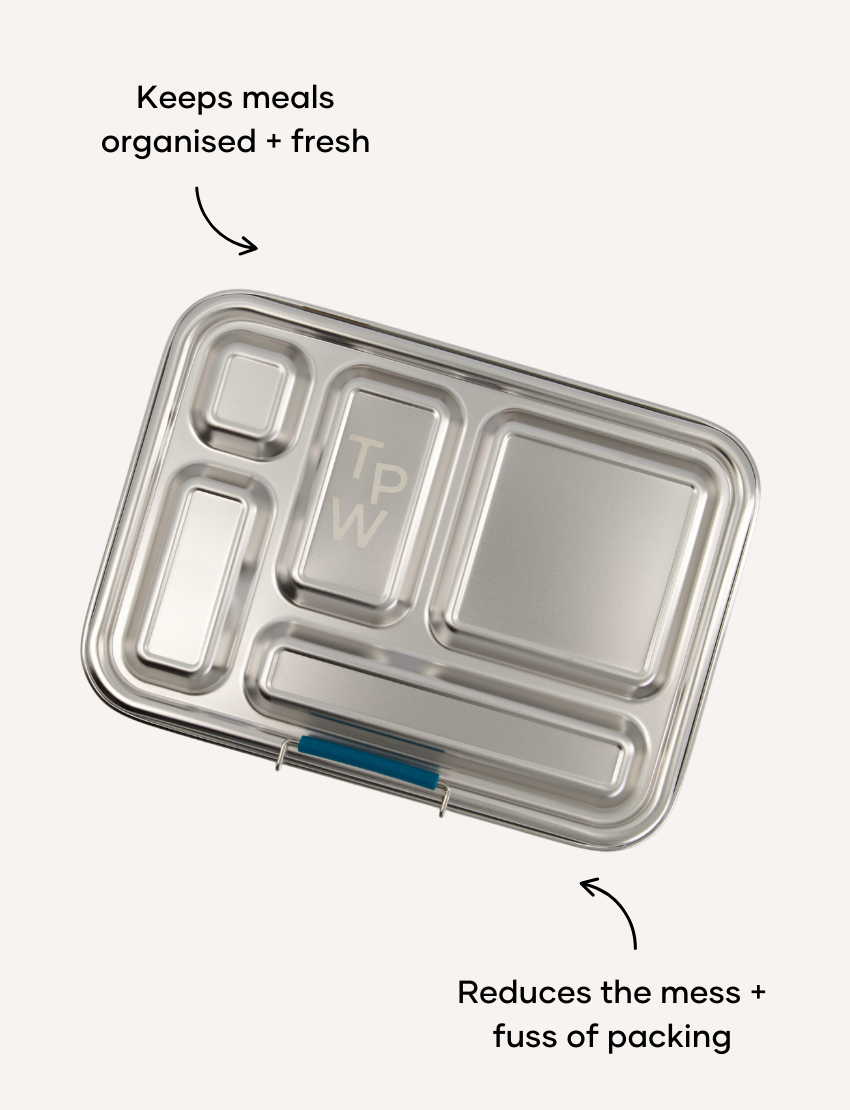
Lunch Buddy Bento Set
Regular price
$79.00
Sale price
$79.00
Regular price
$0.00
Unit price
Sensory Play Australia
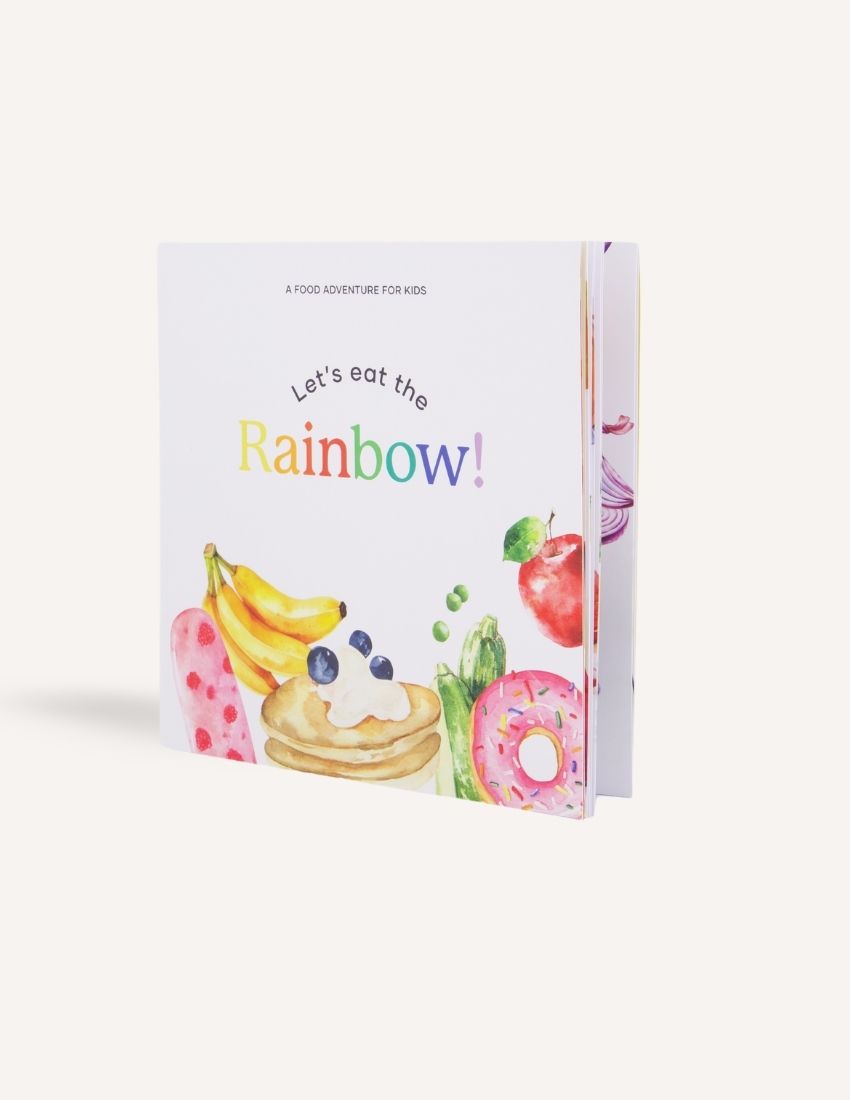
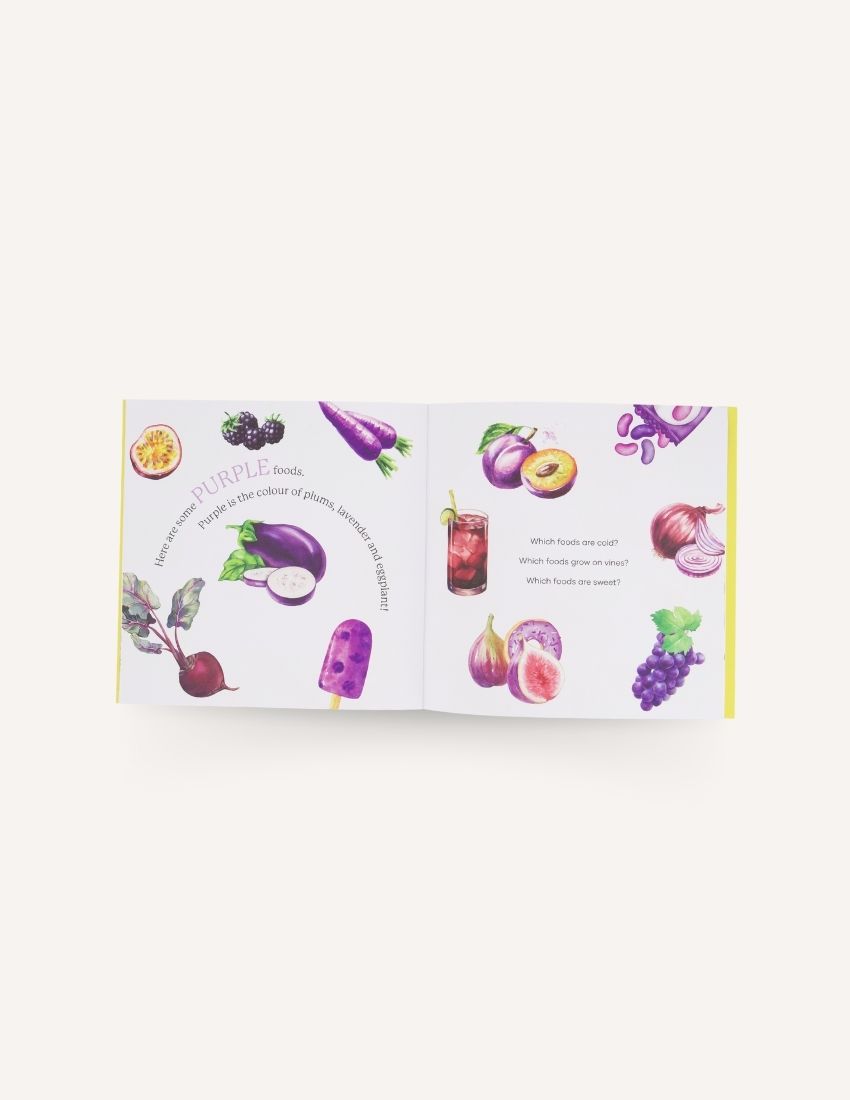
Let's Eat the Rainbow Storybook
Regular price
$9.50
Sale price
$9.50
Regular price
$19.00
Unit price
Sensory Play Australia
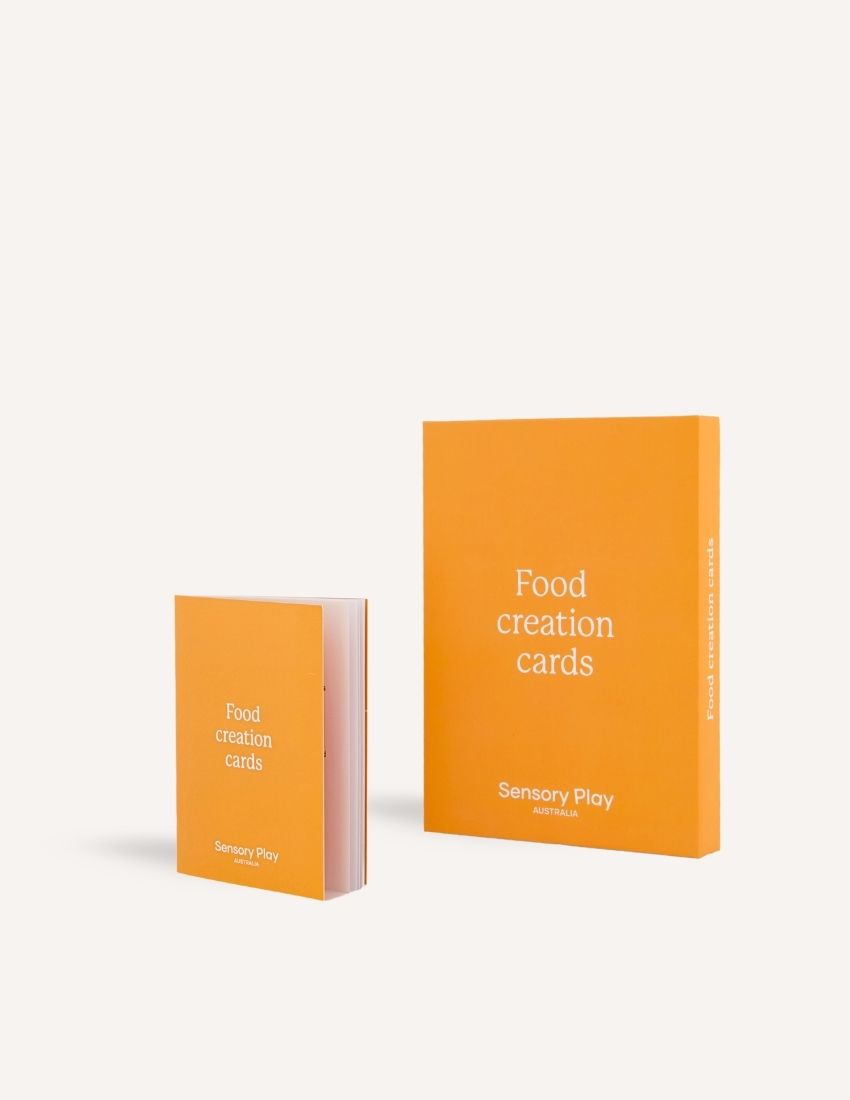
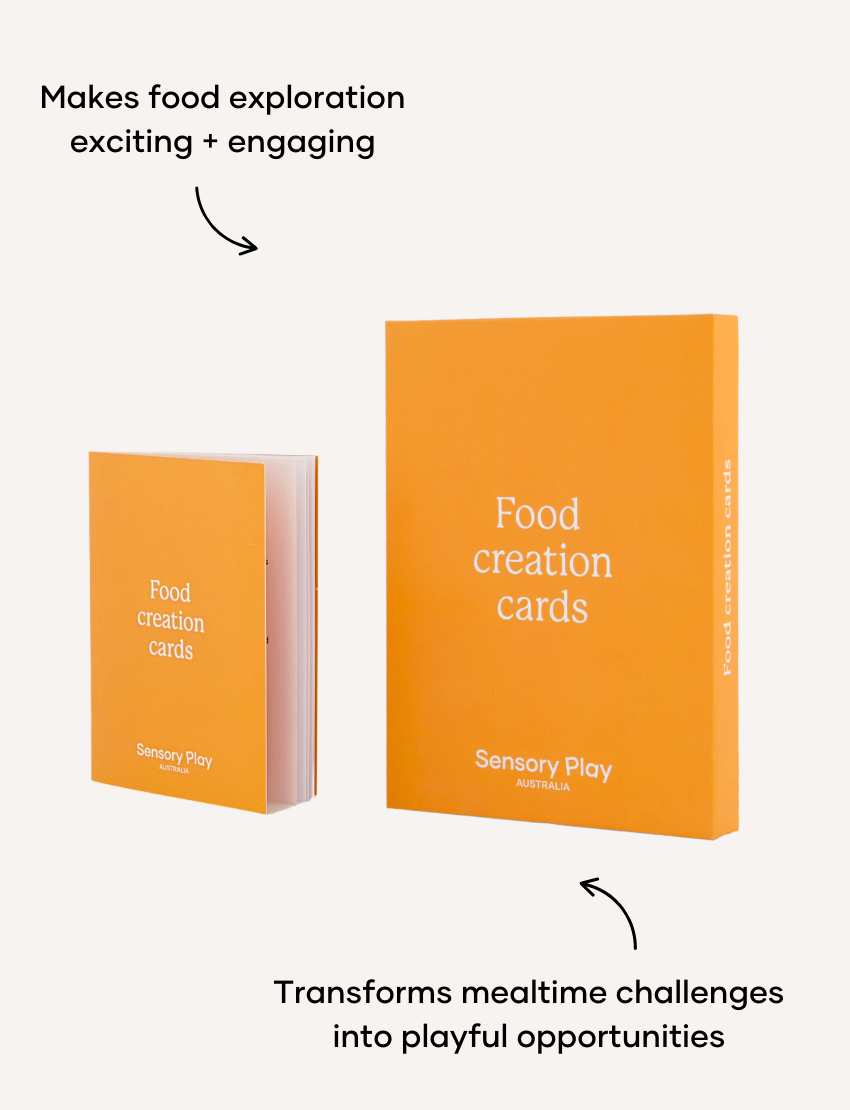
Food Creation Card Set
Regular price
$12.00
Sale price
$12.00
Regular price
$24.00
Unit price
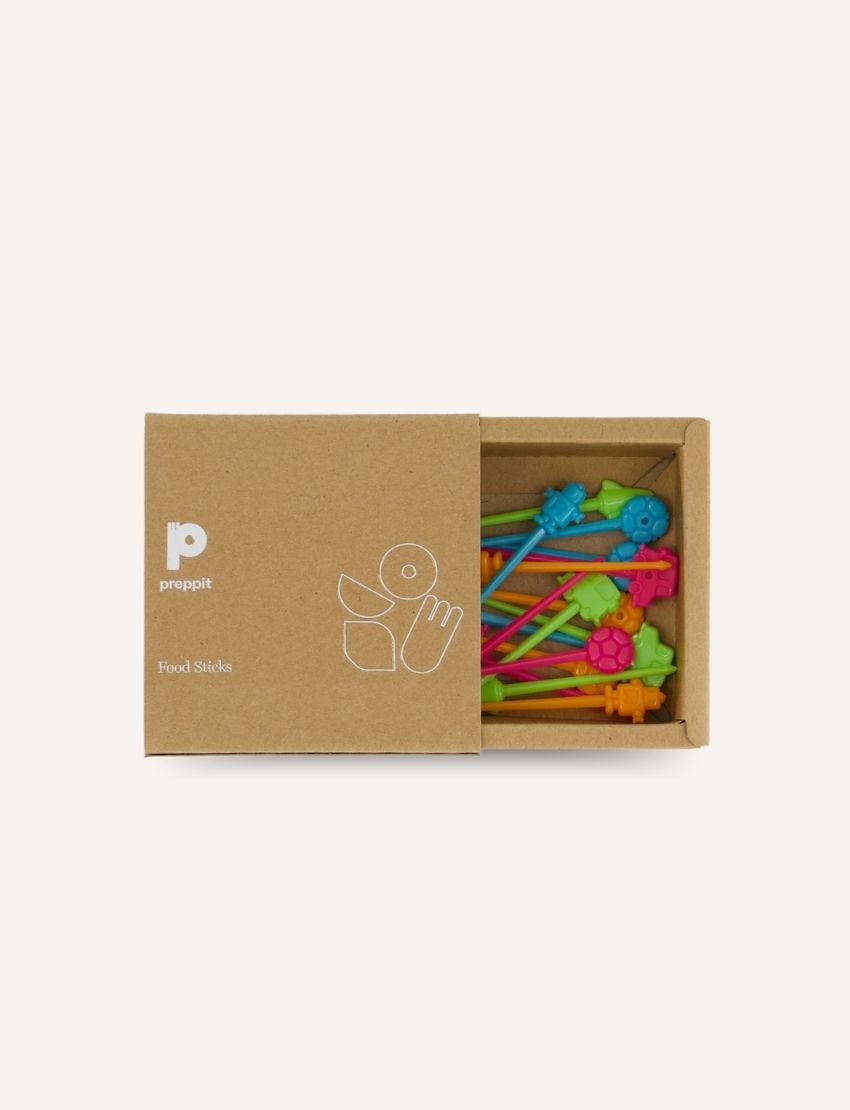
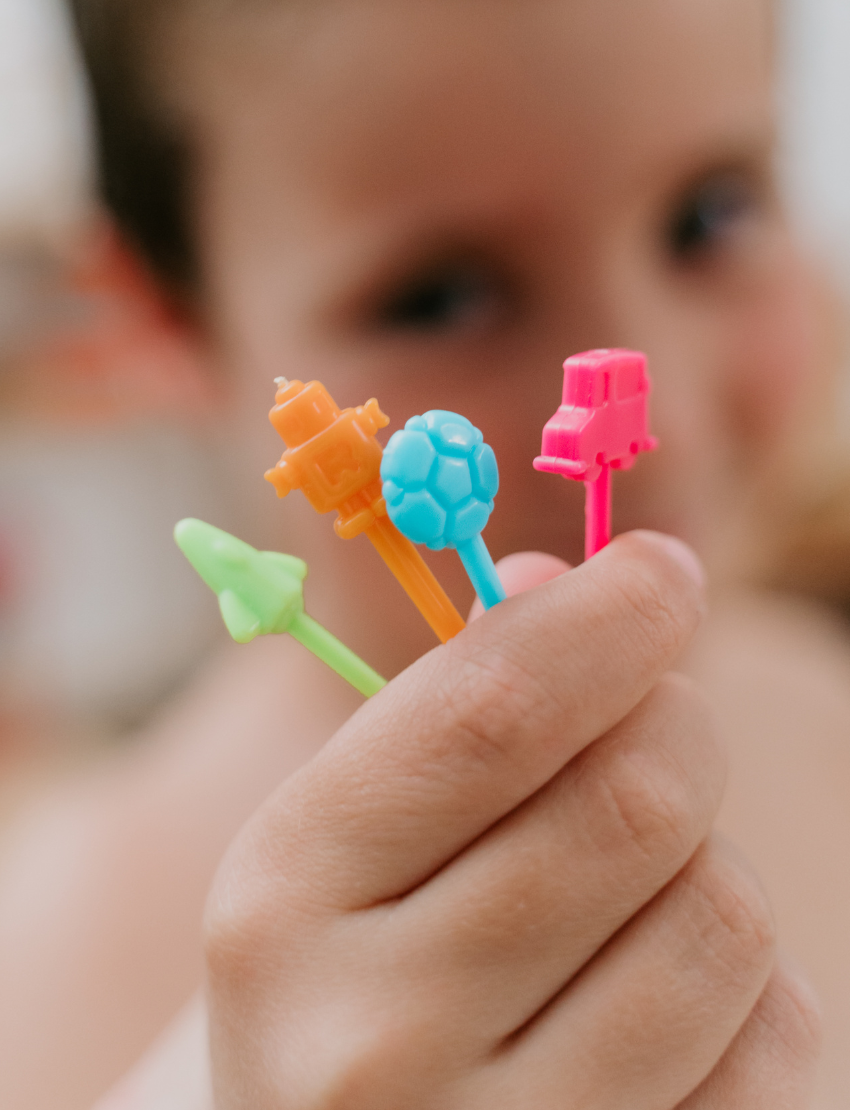


The Play Way
Lunch Buddy Sandwich Cutters Set
Regular price
$24.00
Sale price
$24.00
Regular price
$0.00
Unit price
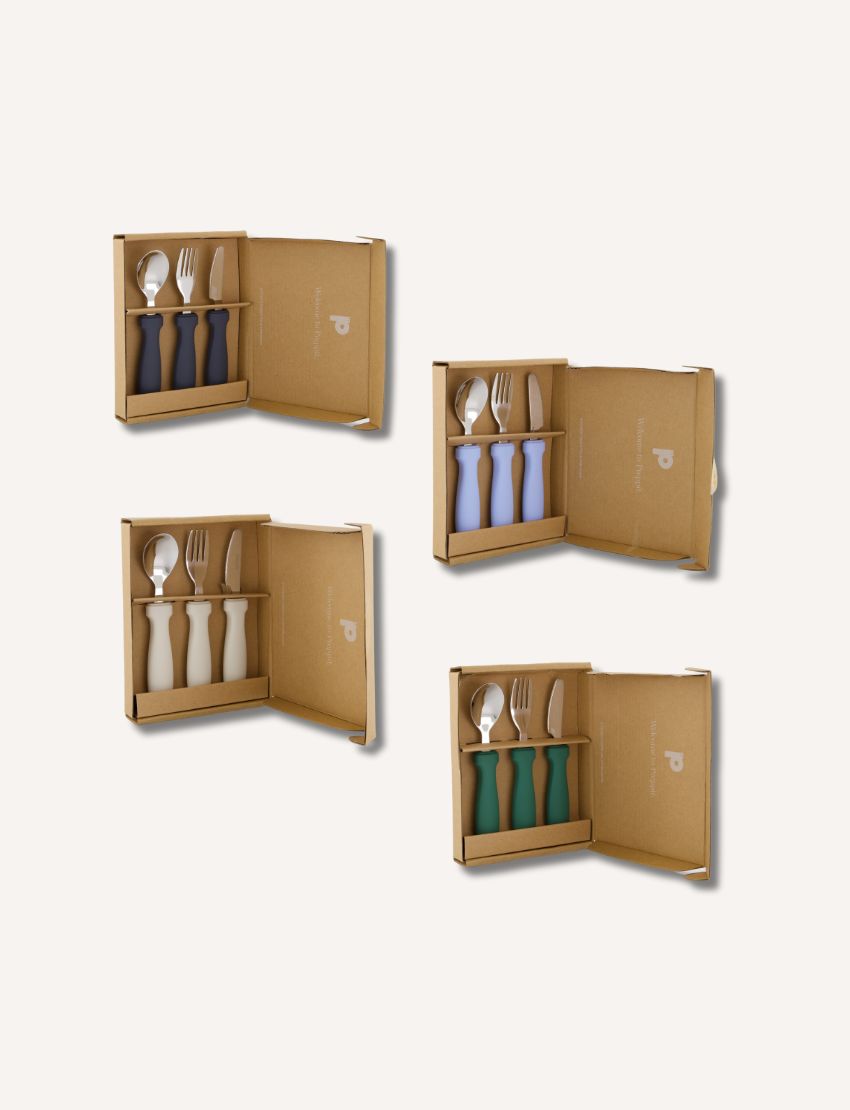
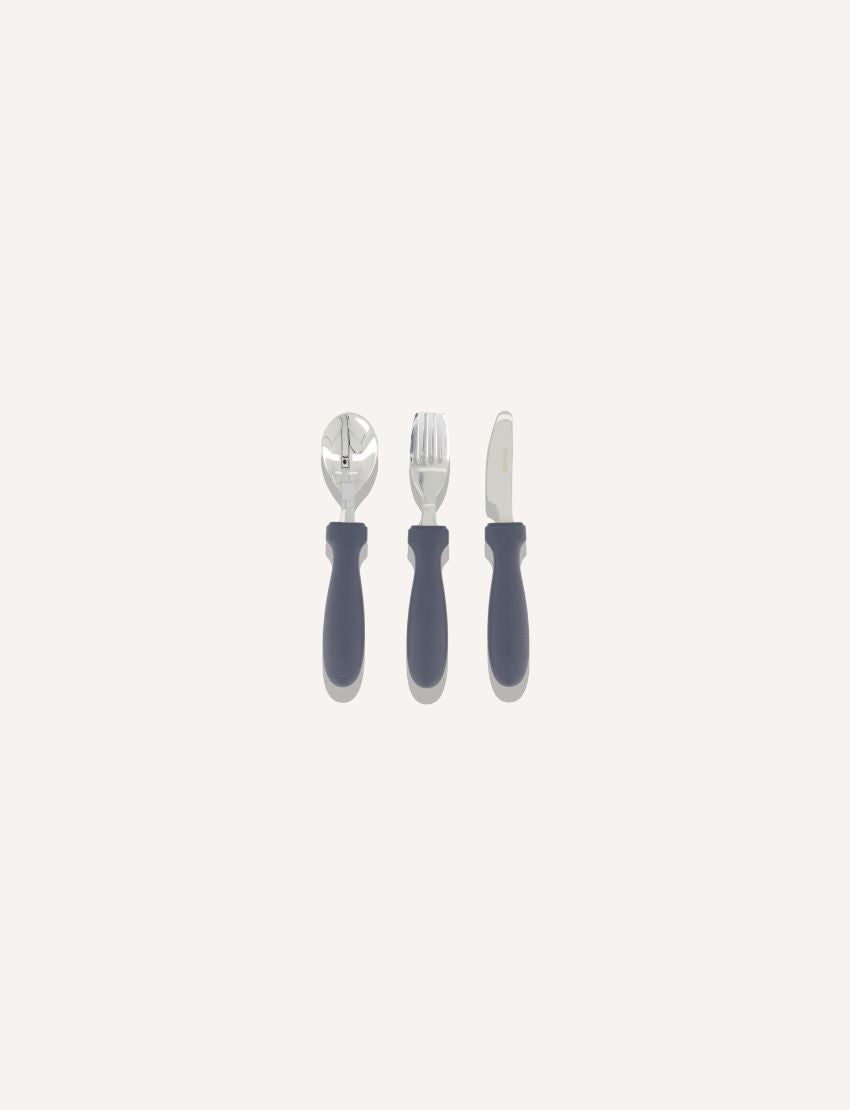


Sensory Play Australia
Food Memory Card Set
Regular price
$24.50
Sale price
$24.50
Regular price
$49.00
Unit price


The Play Way
Lunch Buddy Insulated Container Set
Regular price
$22.00
Sale price
$22.00
Regular price
$44.00
Unit price
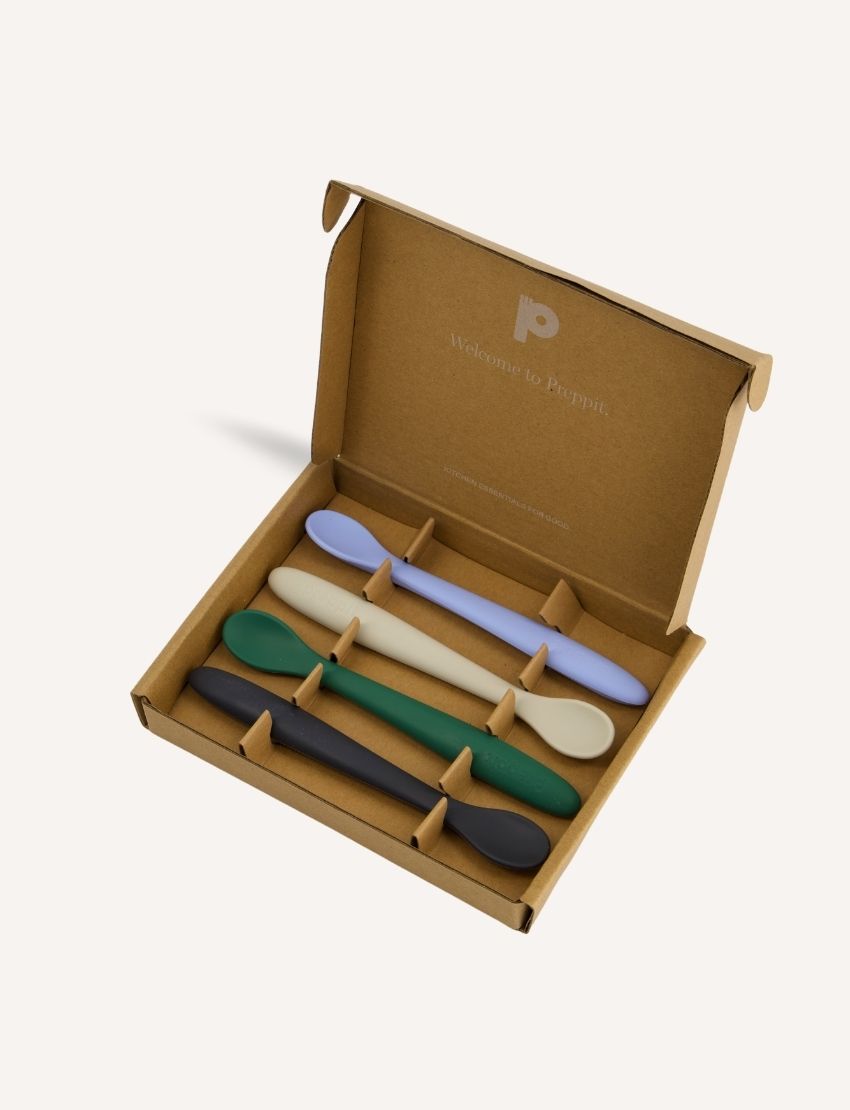
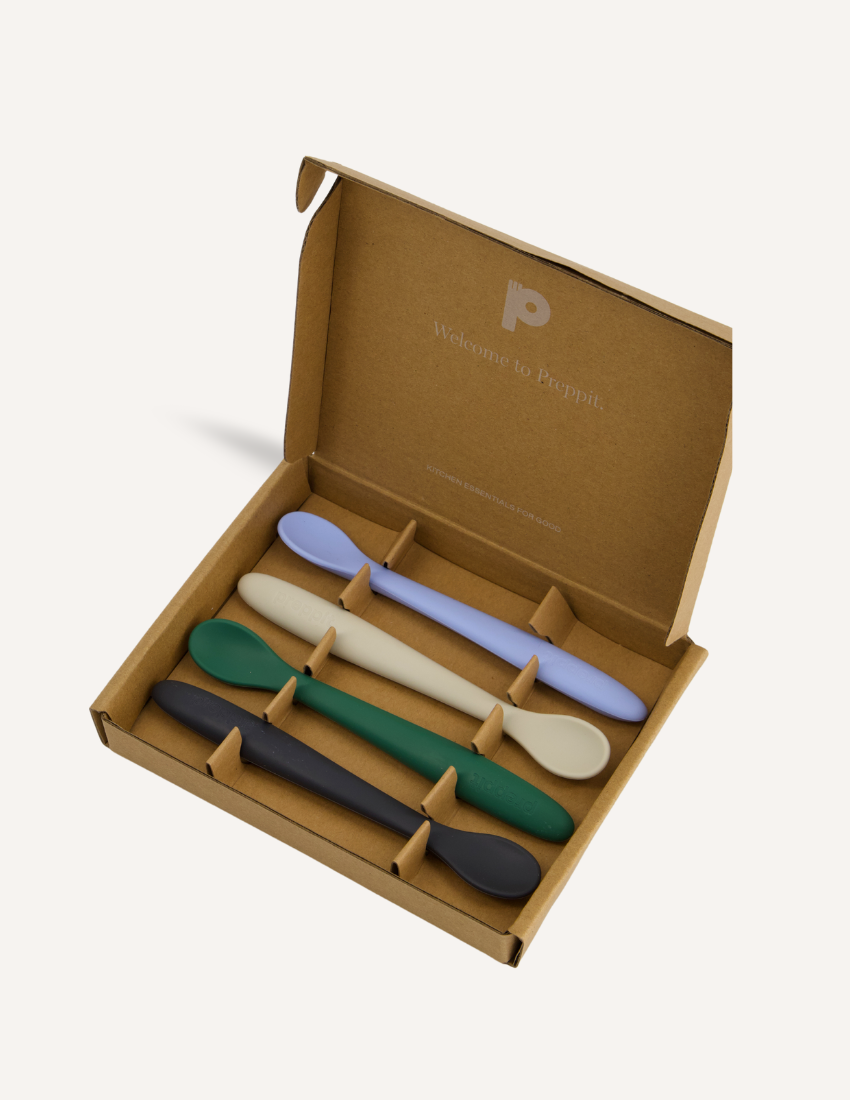
Preppit
Junior Tasting Spoon Set
Regular price
$14.50
Sale price
$14.50
Regular price
$29.00
Unit price


The Play Way
Lunch Box Recipe Booklet
Regular price
$34.00
Sale price
$34.00
Regular price
$0.00
Unit price


The Play Way
Cooking for Independence Recipe Cards Set
Regular price
$29.00
Sale price
$29.00
Regular price
$0.00
Unit price


The Play Way
Lunch Buddy Planning Tools Set
Regular price
$19.50
Sale price
$19.50
Regular price
$39.00
Unit price


The Play Way
Food Investigator Placemat
Regular price
$19.00
Sale price
$19.00
Regular price
$0.00
Unit price


The Play Way
Make Food Fun Kit
Regular price
$139.00
Sale price
$139.00
Regular price
$0.00
Unit price


The Play Way
Food Exploration Kit
Regular price
$149.00
Sale price
$149.00
Regular price
$0.00
Unit price
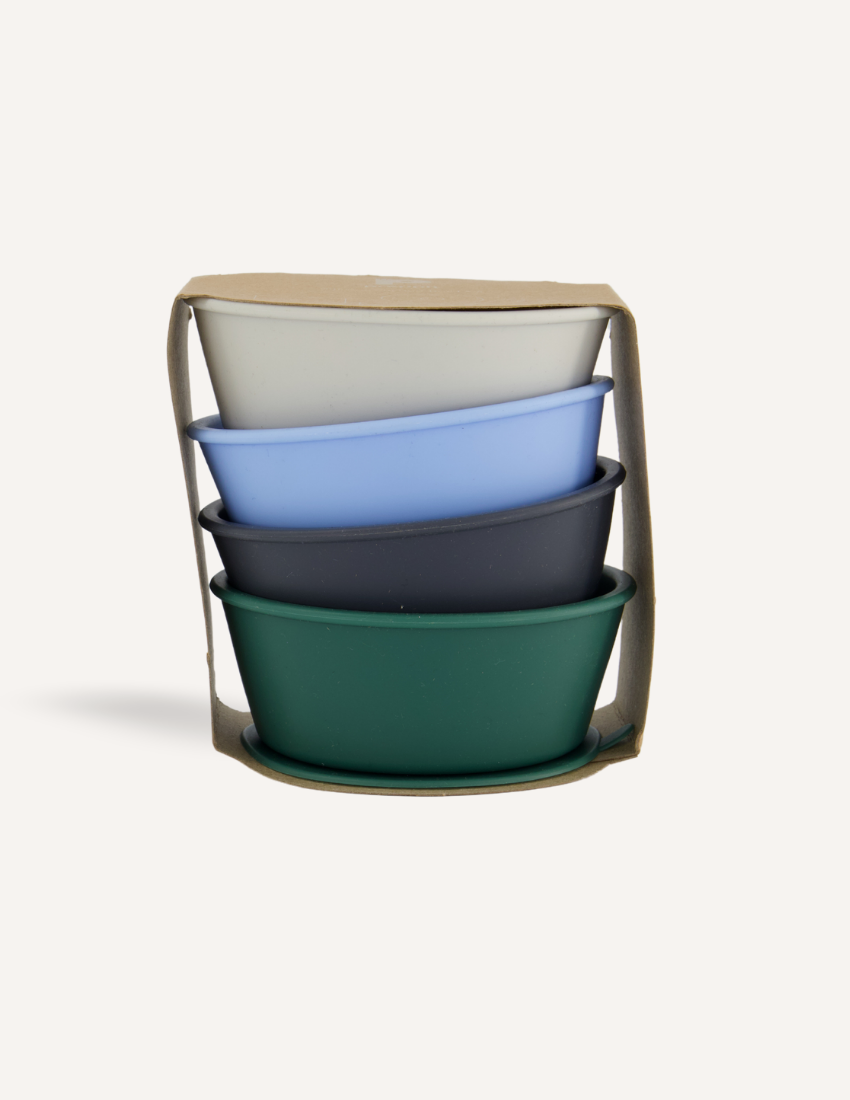
Preppit
Silicone Suction Bowl Set
Regular price
$29.50
Sale price
$29.50
Regular price
$59.00
Unit price
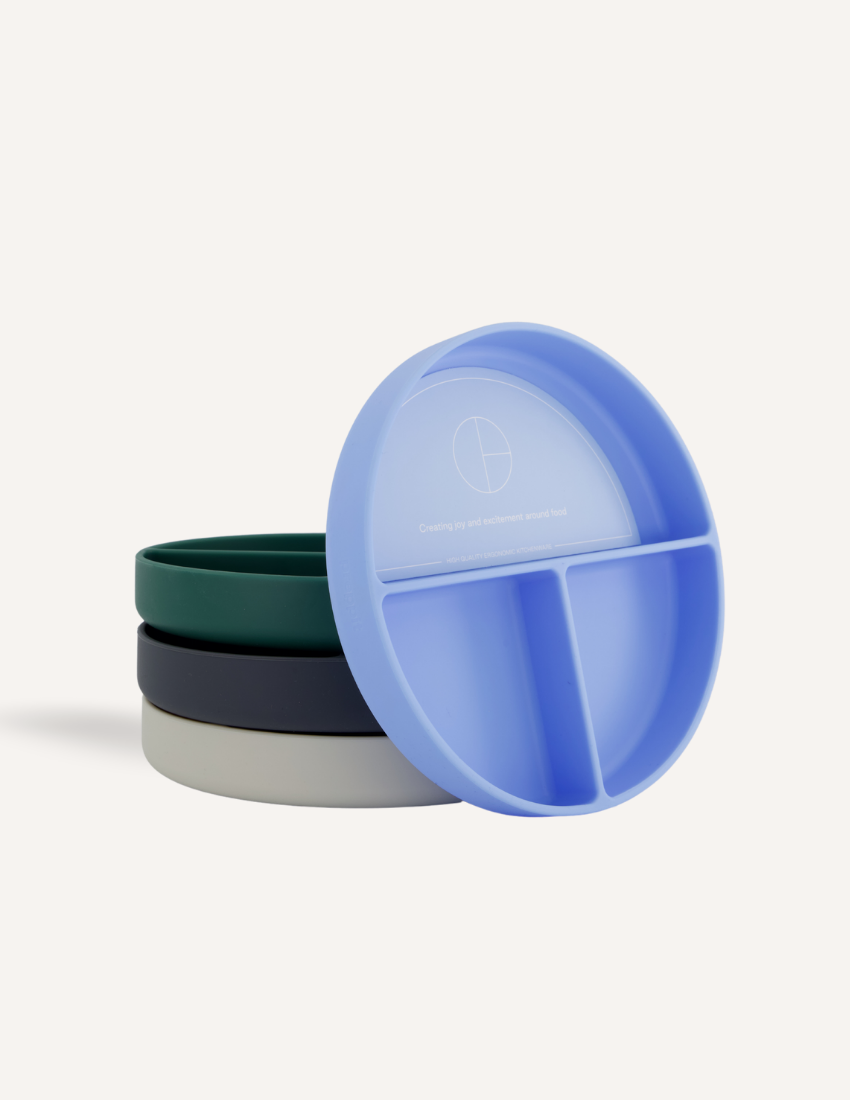
Preppit
Silicone Divider Plate Set
Regular price
$32.00
Sale price
$32.00
Regular price
$64.00
Unit price


The Play Way
Lunch Box Creation Kit
Regular price
$139.00
Sale price
$139.00
Regular price
$0.00
Unit price


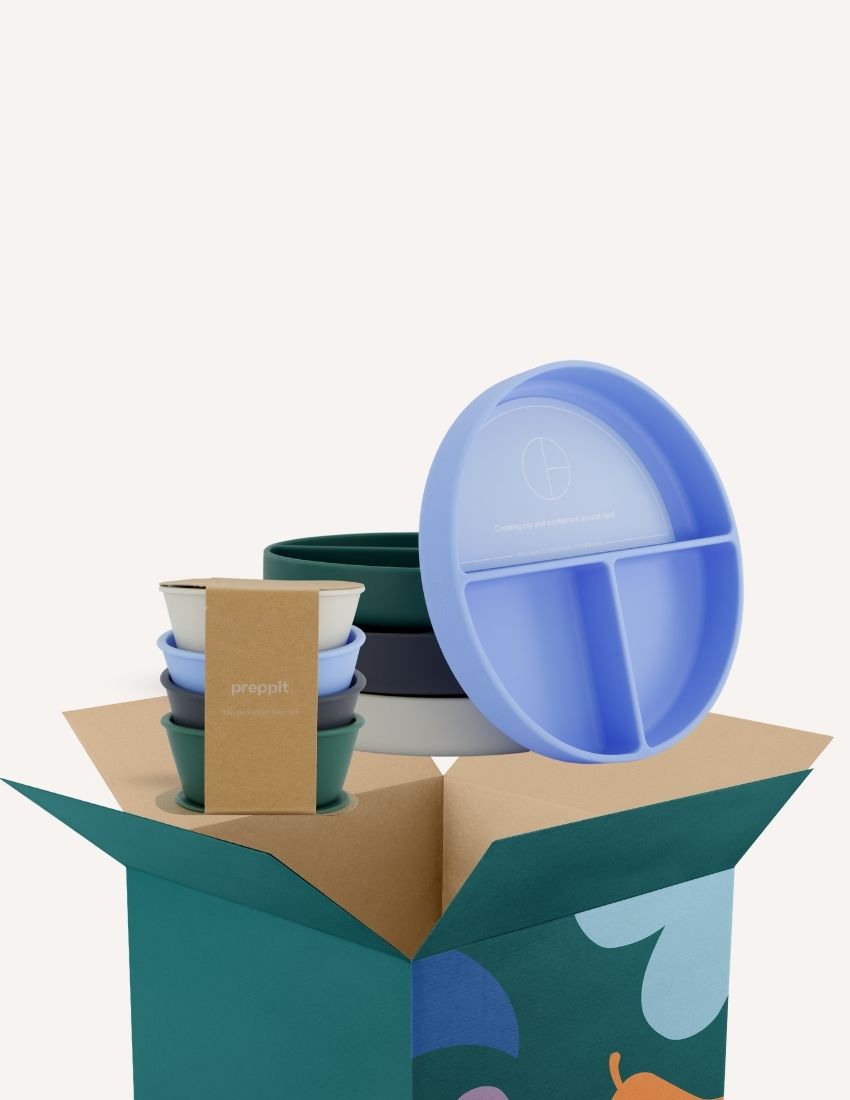
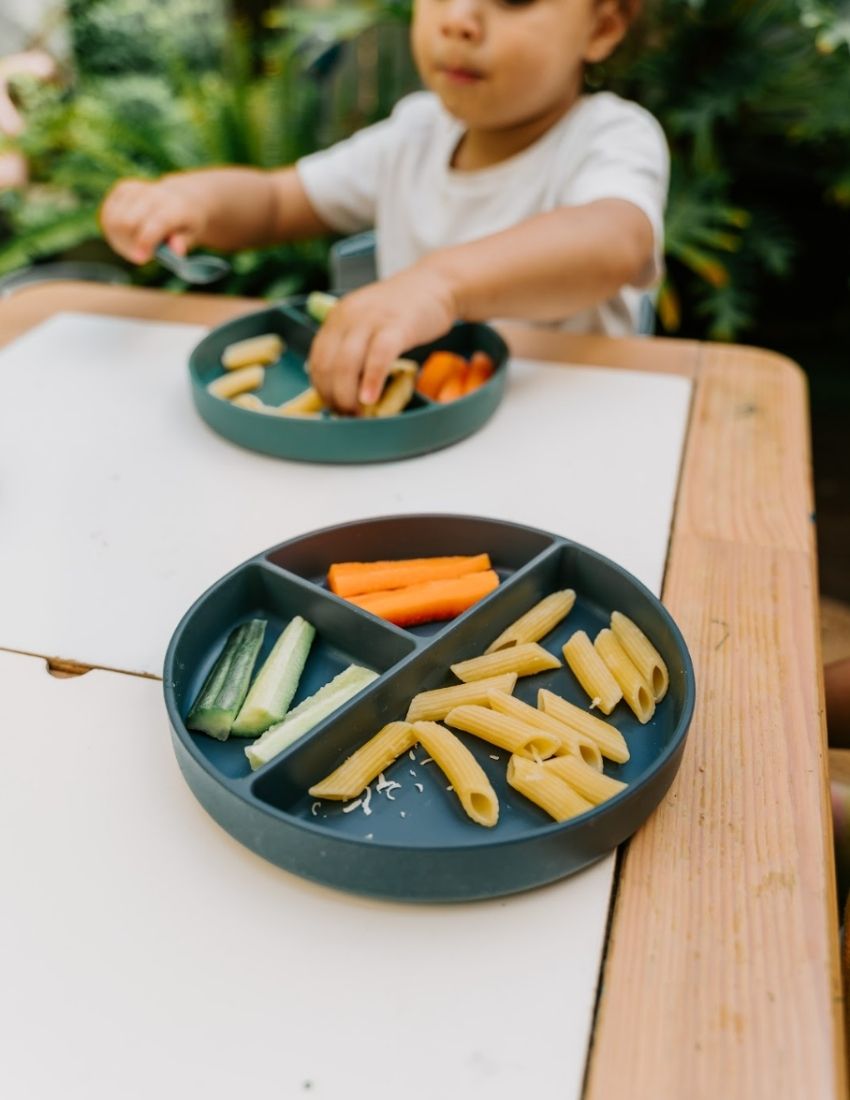
Preppit
Silicone Divider Plate and Suction Bowl Set
Regular price
$59.50
Sale price
$59.50
Regular price
$119.00
Unit price

The Play Way
Feeding Masterclass
Regular price
$49.00
Sale price
$49.00
Regular price
$0.00
Unit price


The Play Way
Getting Started with Baking Kit
Regular price
$54.00
Sale price
$54.00
Regular price
$0.00
Unit price


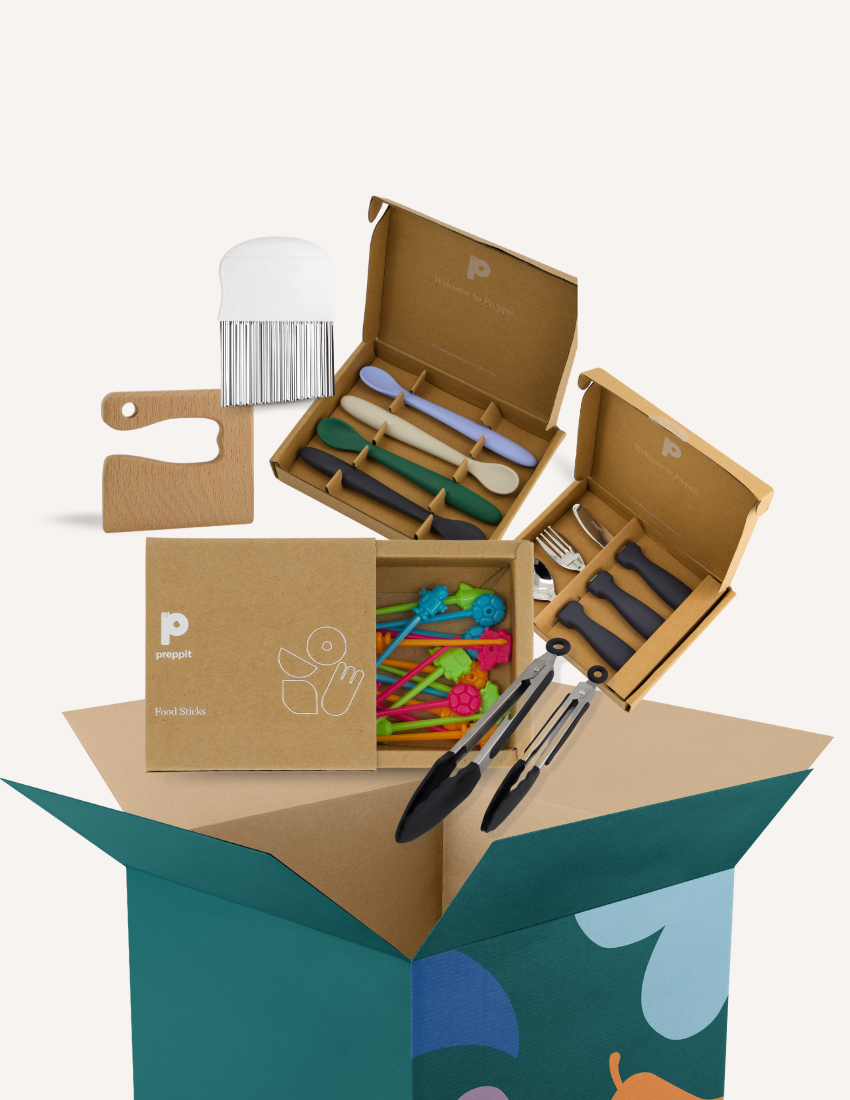
The Play Way
Sensory Friendly Food Handling Kit
Regular price
$129.00
Sale price
$129.00
Regular price
$0.00
Unit price
Sort by
- Featured
- Most relevant
- Best selling
- Alphabetically, A-Z
- Alphabetically, Z-A
- Price, low to high
- Price, high to low
- Date, old to new
- Date, new to old
Recently Viewed Products
Ask a Therapist about your child
Want to be able to message a therapist and get some guidance when you're stuck or unsure what to try next?
The Play Way's Ask a Therapist is now available.
Tell us what's going on, what you've already tried, and where you feel stuck. Our therapy team read, watch or listen to what you've described, consider what they would try next, why, and recommend any relevant resources from our Hub that might help, and reply to you within one business day.
Feeding & Mealtimes
Frequently asked questions
My child will not eat. Where do I start?
Further back than sitting at the table and eating a meal. Our speech therapists start with looking at a food, naming it, smelling it, cutting it up and playing with it, because for a lot of children the mouth is the last step. Pick one food your child already half tolerates and get it into play rather than onto a fork.
What is the difference between a fussy eater and something more?
A child with a short list of safe foods who is growing, has energy and is not distressed at the table is in a different place from a child whose safe food list keeps getting shorter, or who gags, or who cannot sit at a meal at all. That second child may well need a feeding therapist, and our play kit says so plainly rather than pretending otherwise. It is also worth looking at the mechanics of eating before you change anything about the food. Our speech therapists watch for things like coughing after meals, a gurgling sound during or after a swallow, and food or drink spilling from the mouth, because any of those can point to something a mealtime strategy will not fix. The feeding checklist in our play kit is built to walk you through that, so when you do see a specialist you arrive with what you have noticed written down instead of starting from scratch.
Should I make my child try new foods?
Making a child eat something rarely ends with them liking it, and it often costs you trust and connection. Everything in this collection is built the other way round, so the point is exposure without pressure. The food memory game and the creation cards put a food in front of a child with no expectation attached to it, and the placemat gives them a way to tell you it was horrible, which is information rather than a failure. A child who is allowed to say no to a food tends to be willing to look at it again sometime in the future.
My child will not eat vegetables. What can I try?
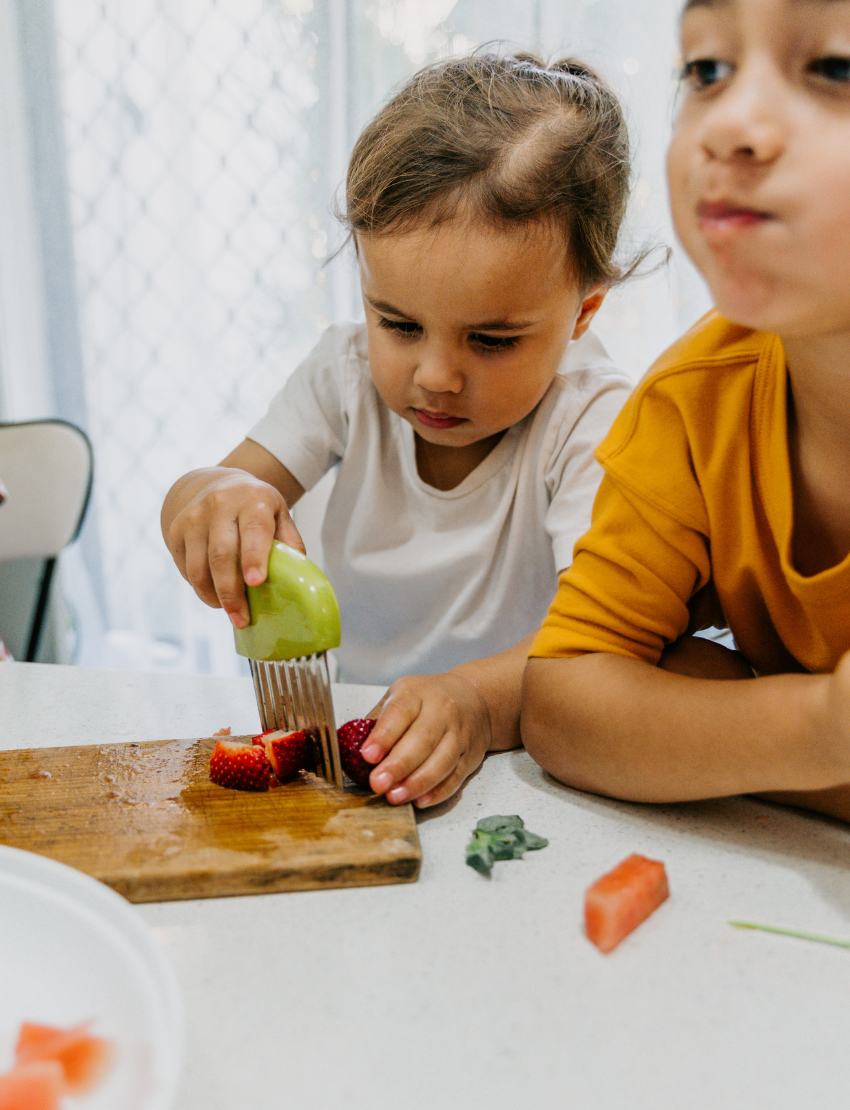
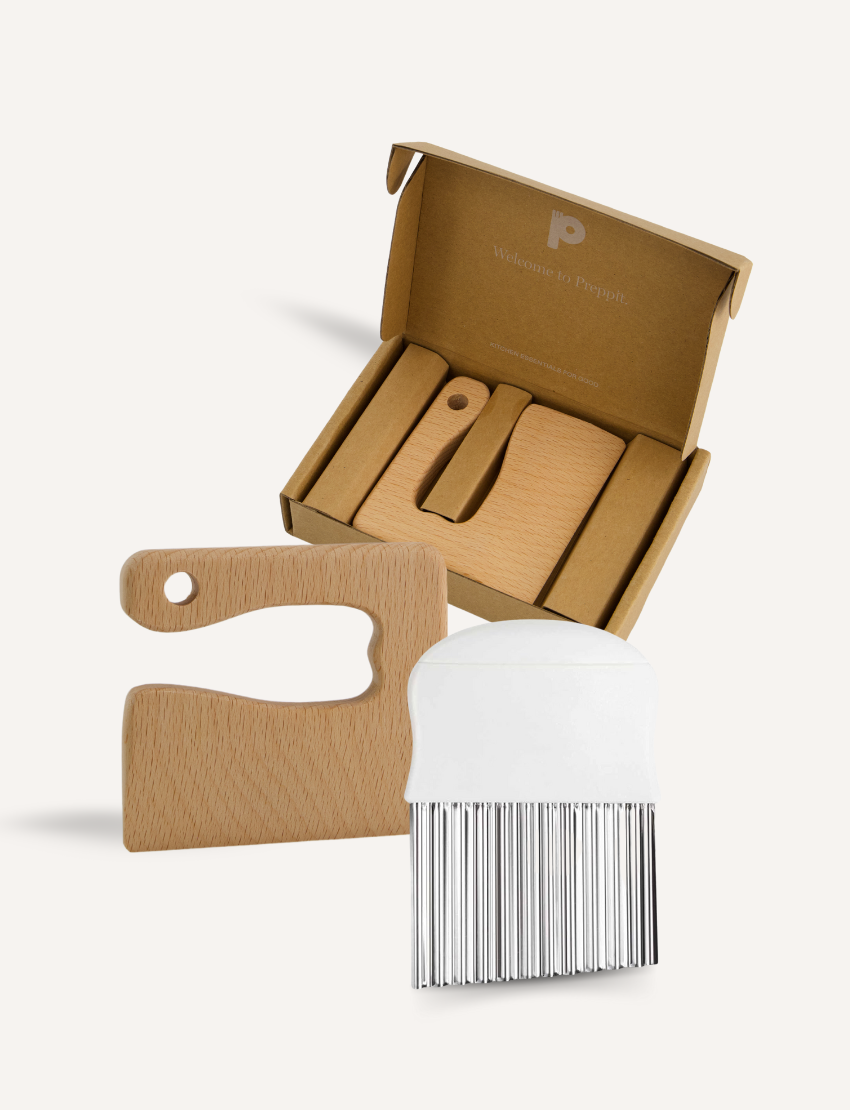
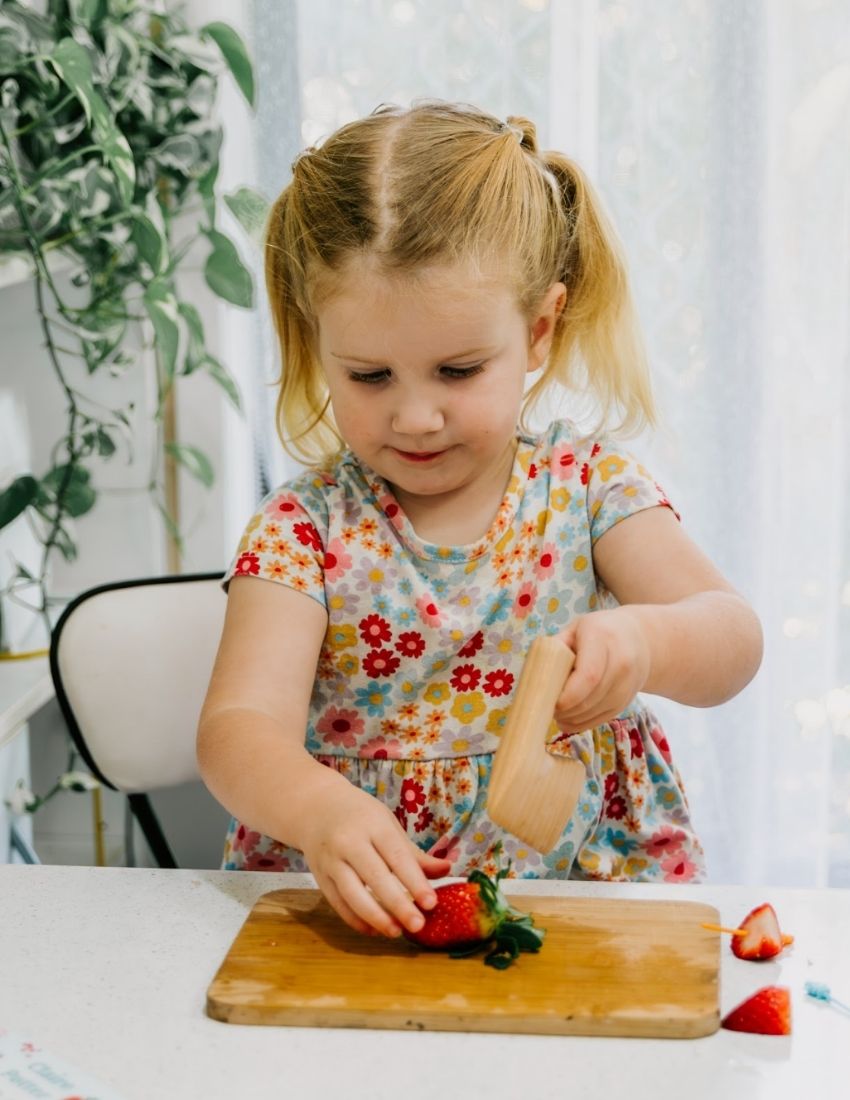
Get them handling it before you get them eating it. The wavy cutter and the wooden learning knife let a child cut a vegetable up themselves, the food sticks mean they can pick a piece up without it touching their fingers, and the divider plates keep it from touching anything else on the plate, which for some children is the actual objection. The food creation card set also gets them creating with vegetables and that exposure can lead to other opportunities to taste in future.
What goes in a lunch box for a child who will not eat much?
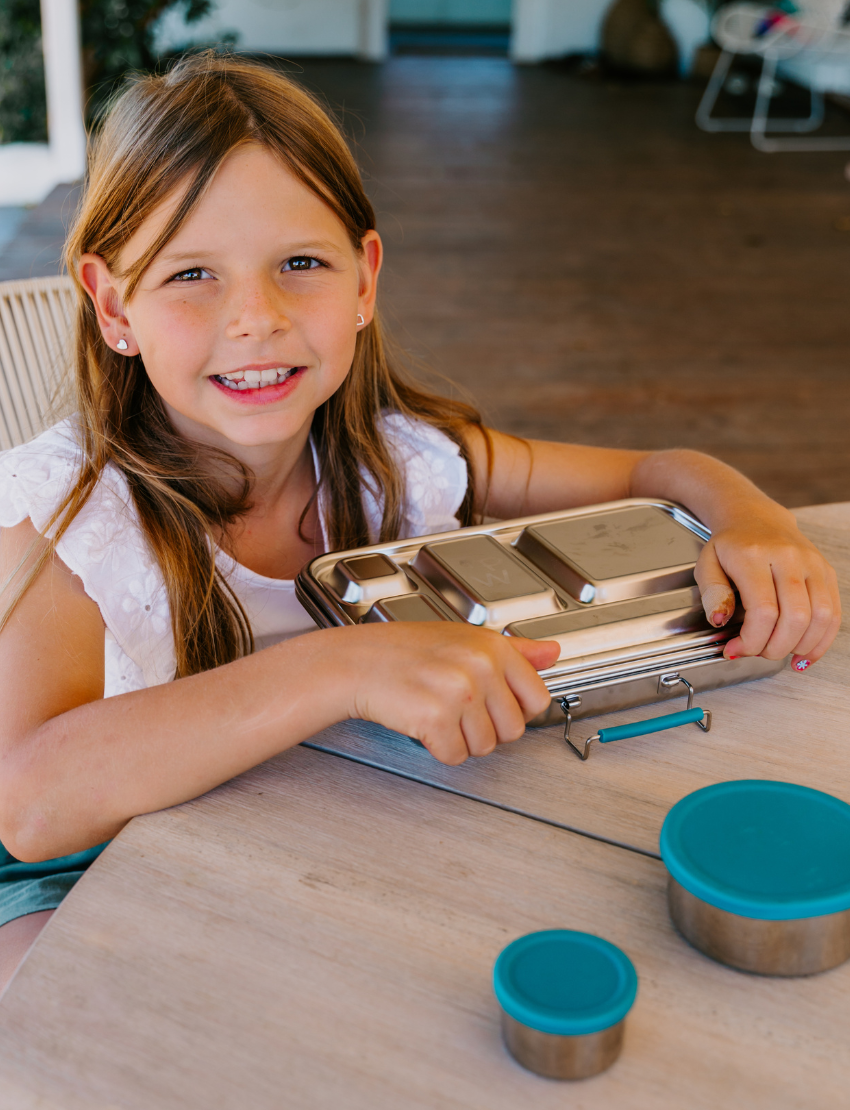
Less than you think, and more of what they will actually eat. Our Lunch Box Skills Play Kit is built so your child does the planning, and its planner squares match the sections of the bento box, so what they write down is what they pack. The videos bring a voice other than yours to them to start to open up their mind to different ideas and approaches to lunch. Start with the few foods you already know they will eat at school, and add one new thing beside them rather than instead of them.

