

Find out what your child needs most right now. Answer 6 quick questions and get a free personalised play plan. The one area where your child is most ready to grow, and the specific Hub programs to match.
Handwriting
Play kits
The Play Way
Play Kit
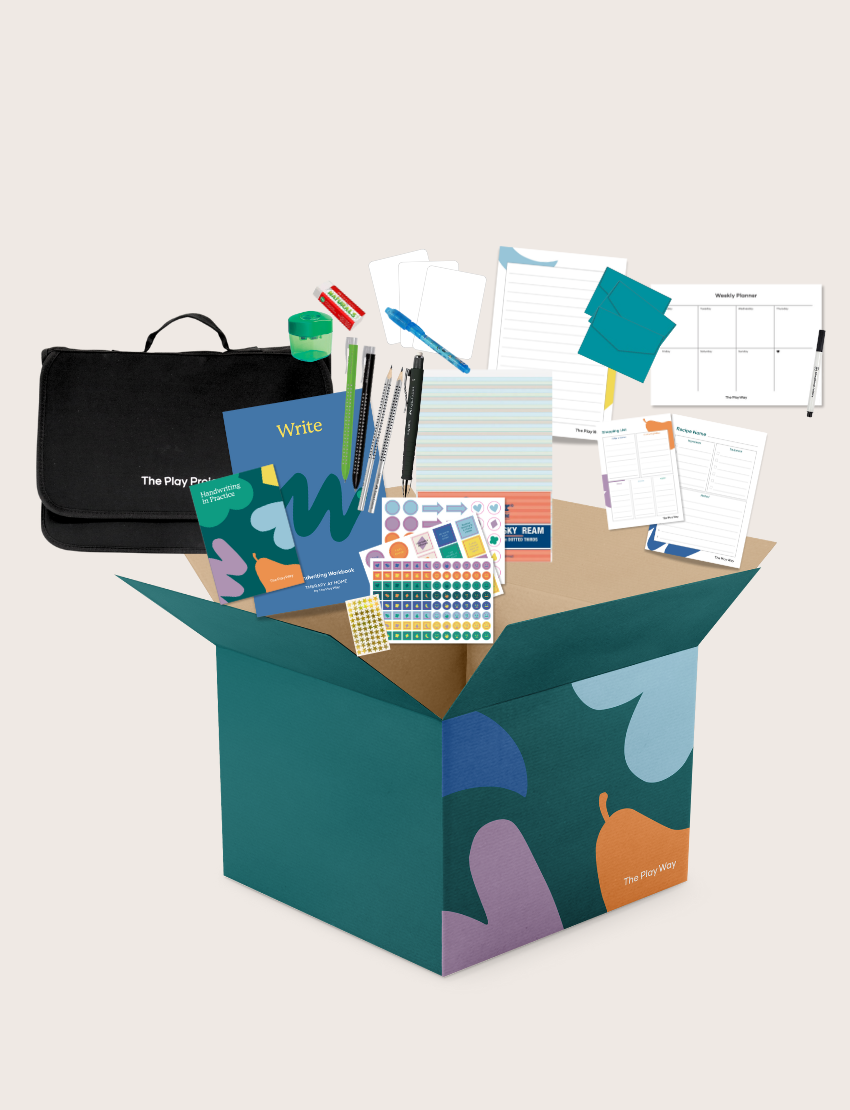
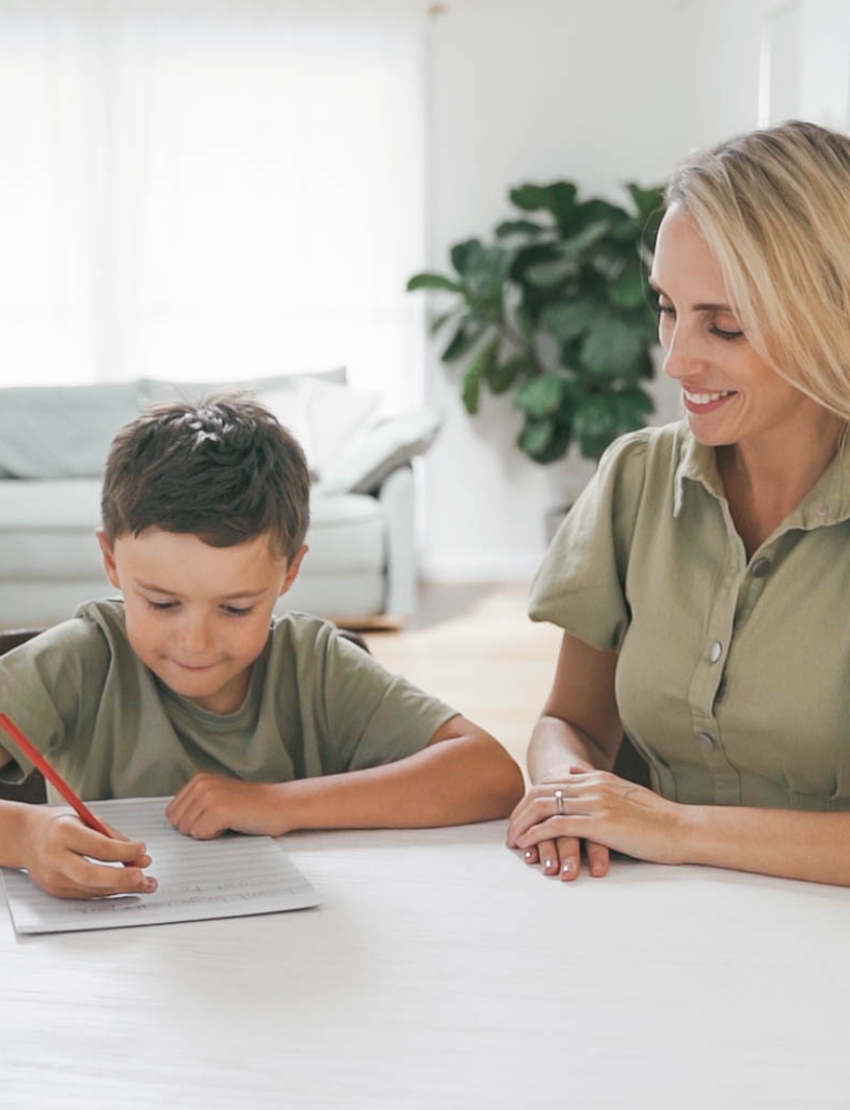
Handwriting in Practice Play Kit
Regular price
$79.00
Sale price
$79.00
Regular price
$0.00
Unit price
The Play Way
Play Kit
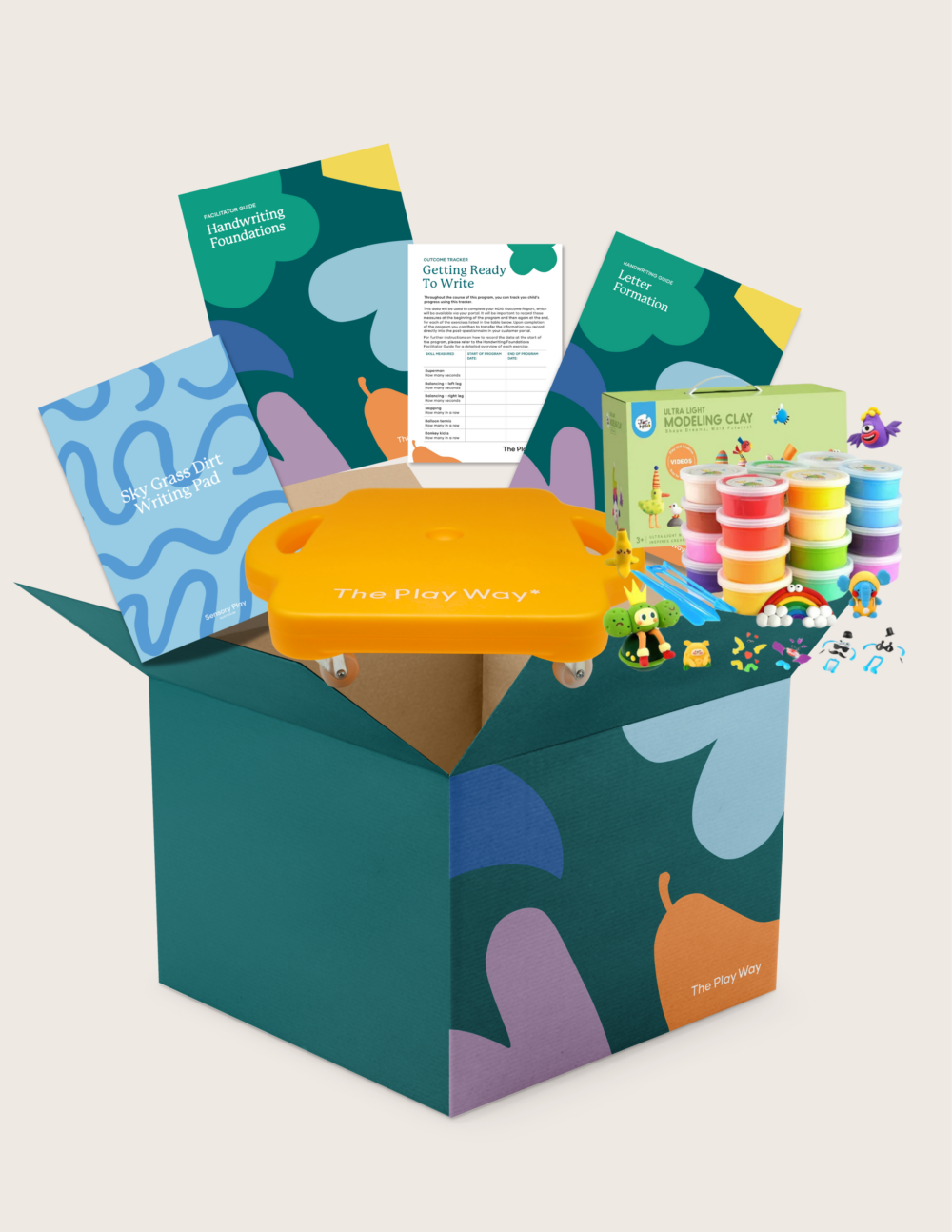
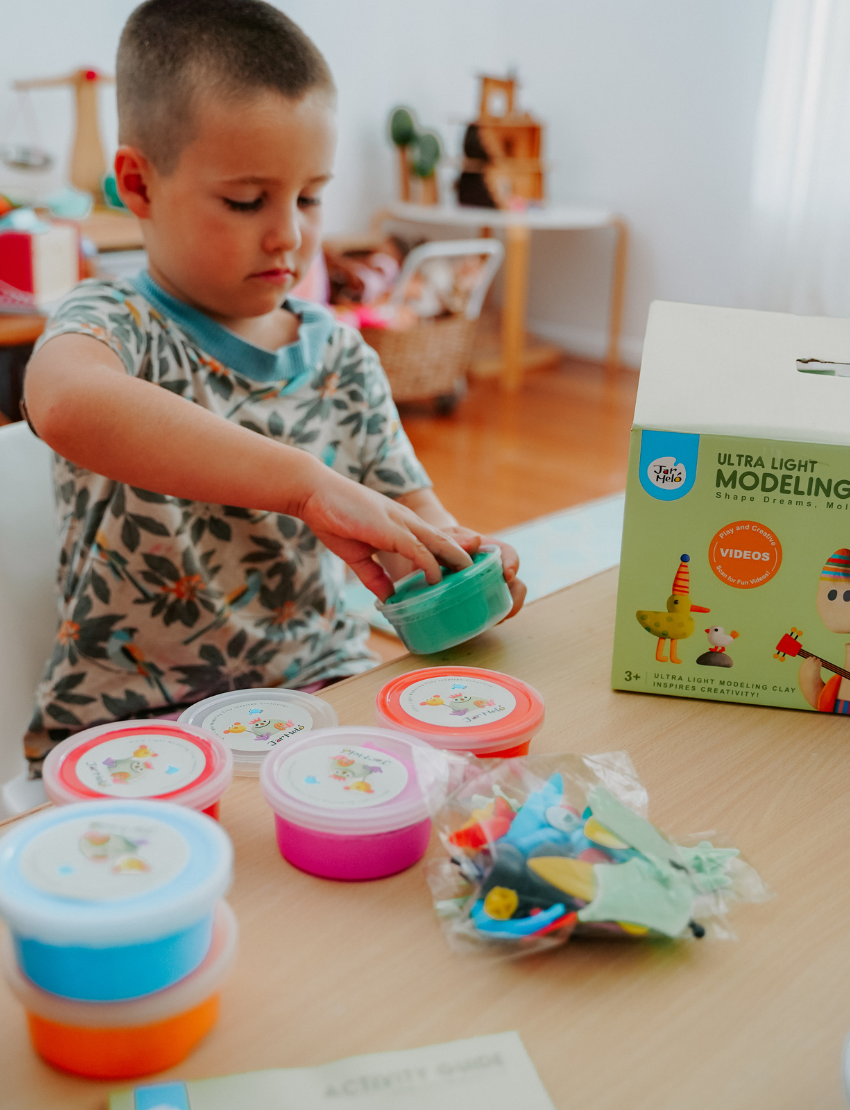
Getting Ready to Write Play Kit
Regular price
$79.00
Sale price
$79.00
Regular price
$0.00
Unit price
The Play Way
Play Kit
Ready for School Play Kit
Regular price
$197.00
Sale price
$197.00
Regular price
$0.00
Unit price

The Play Way
Play Kit
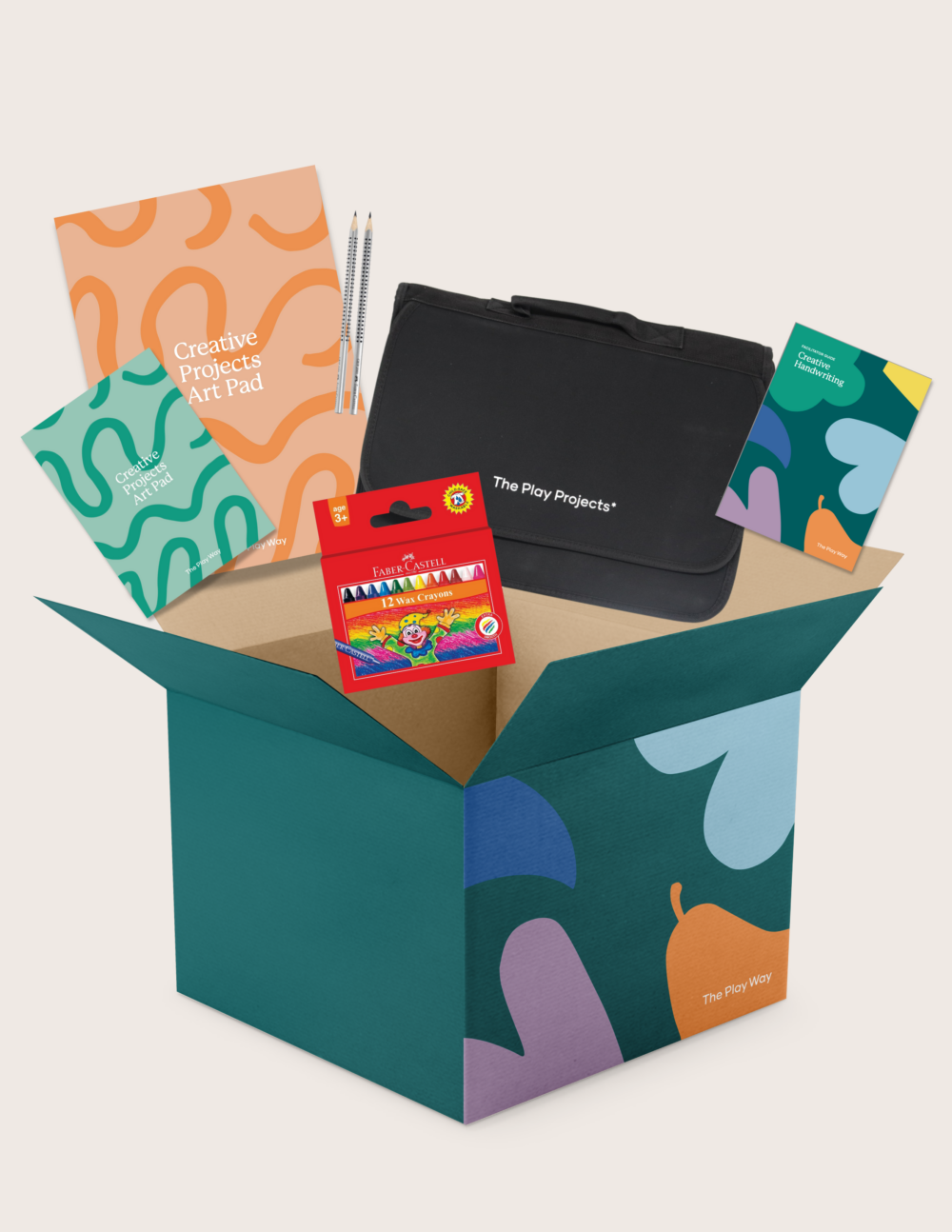
Creative Handwriting Play Kit
Regular price
$59.00
Sale price
$59.00
Regular price
$0.00
Unit price
All Products


Sensory Play Australia
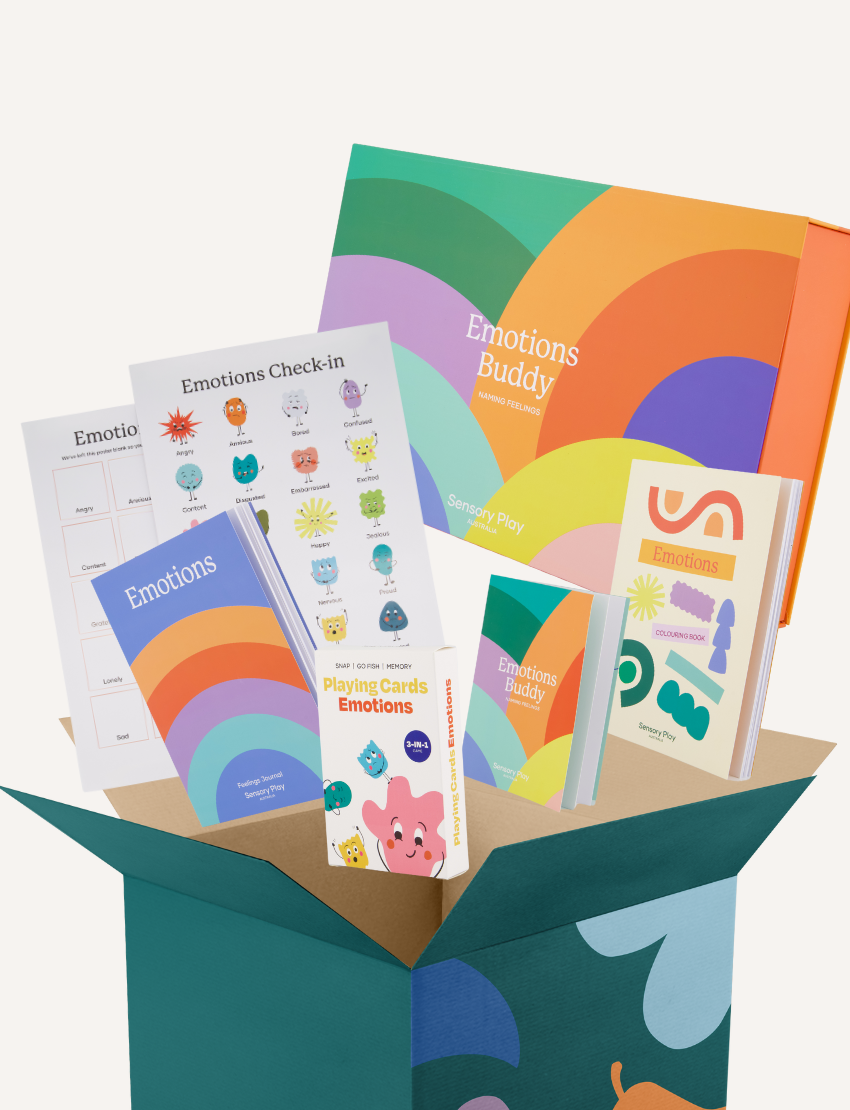
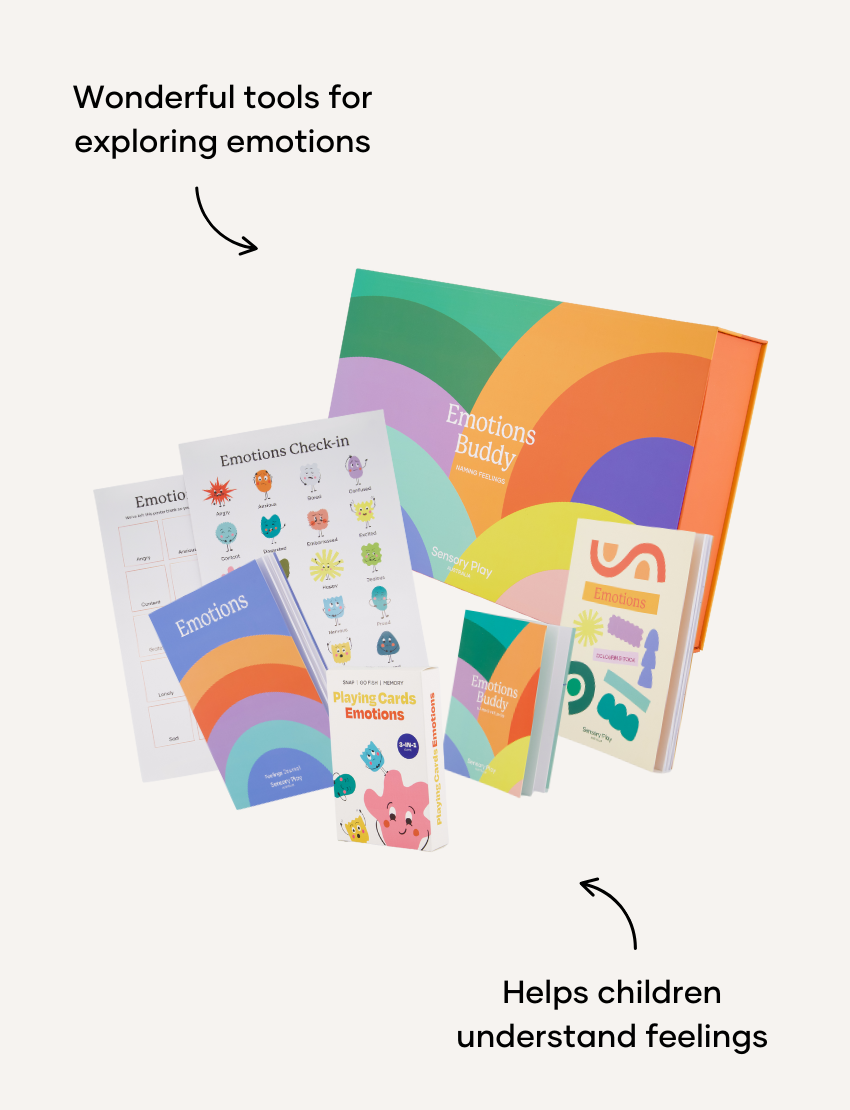
Emotions Buddy Naming Feelings Set
Regular price
$34.50
Sale price
$34.50
Regular price
$69.00
Unit price
Sensory Play Australia
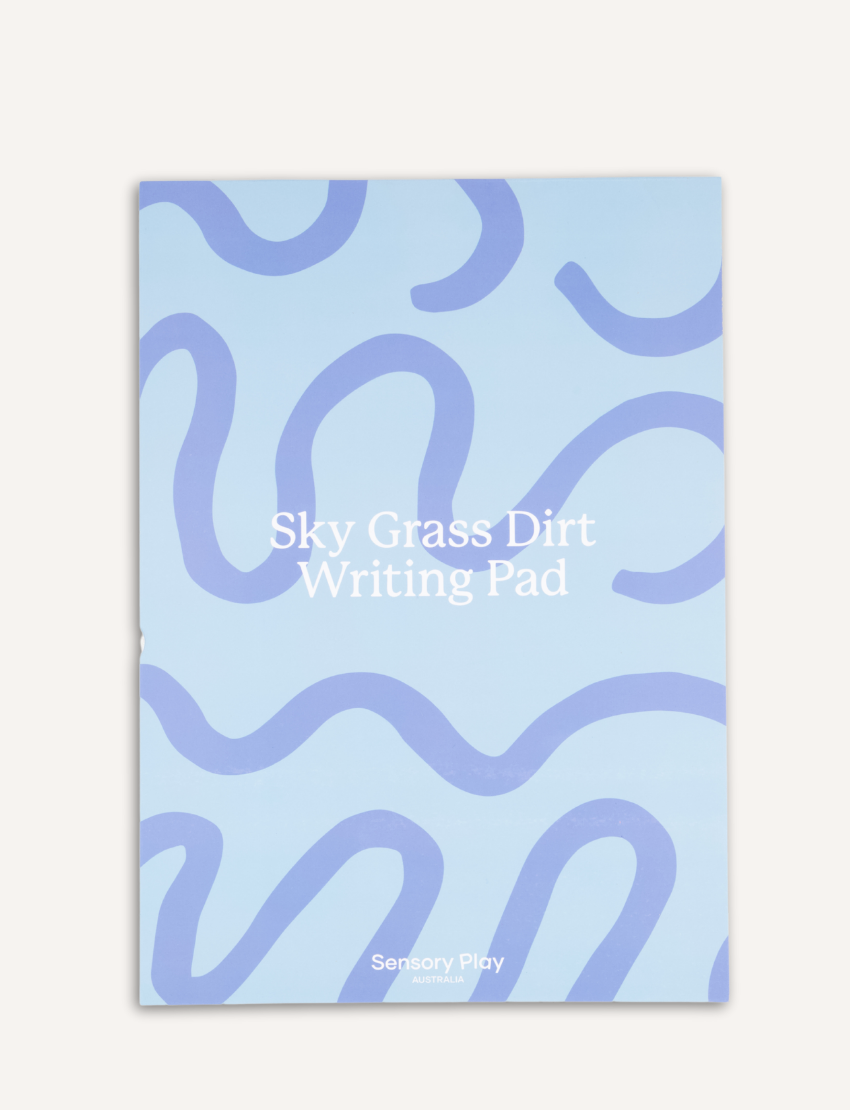
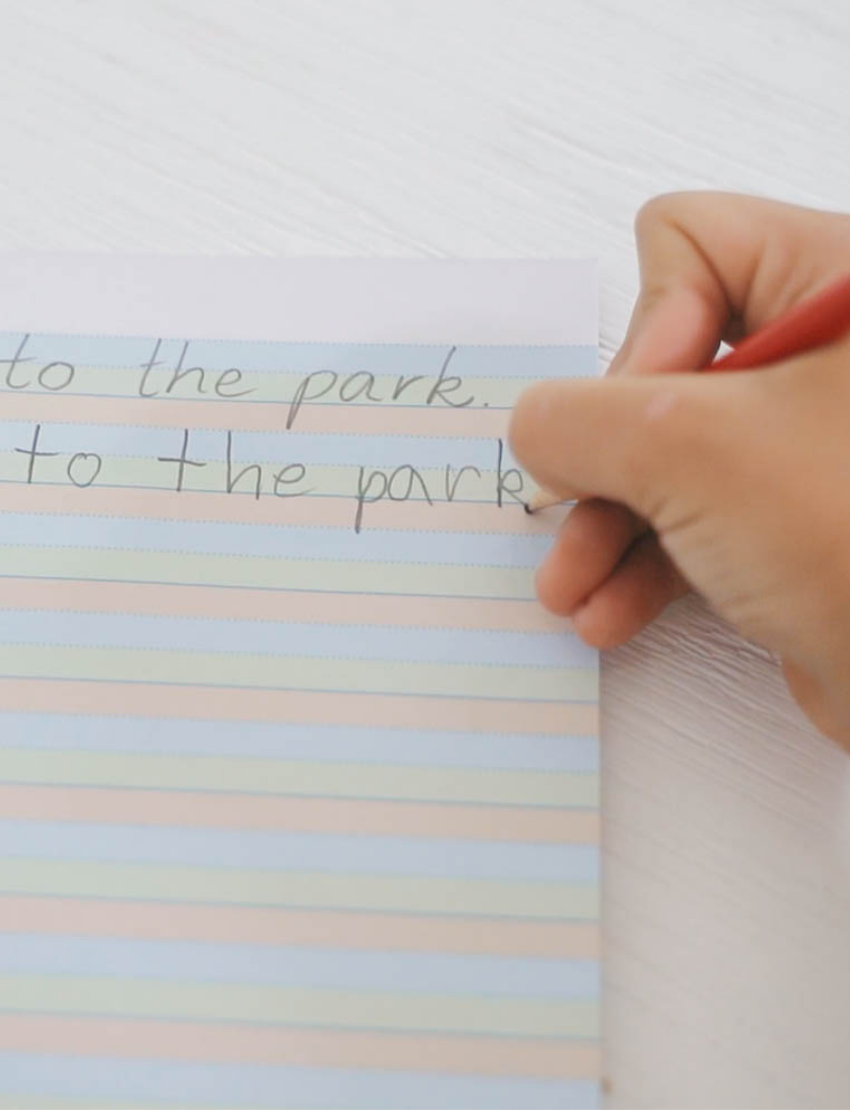
Sky, Grass, Dirt Writing Pad - A4
Regular price
$4.50
Sale price
$4.50
Regular price
$9.00
Unit price
Sensory Play Australia
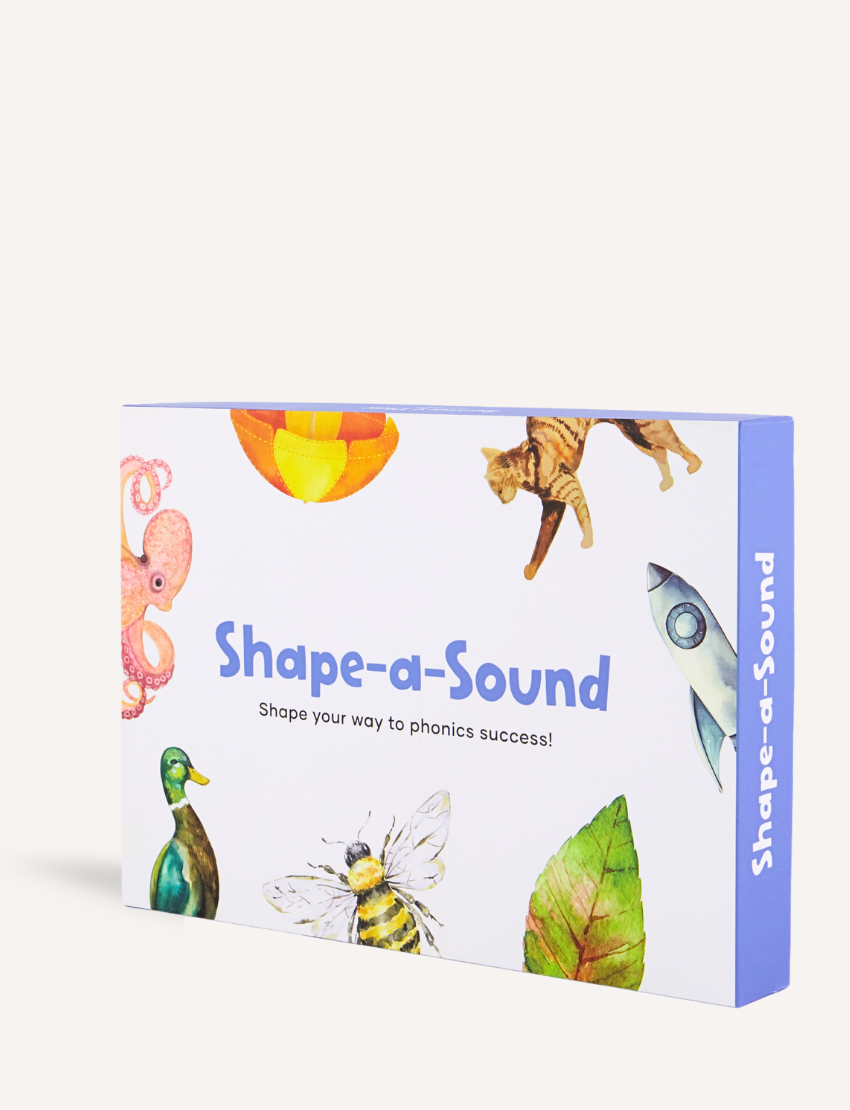
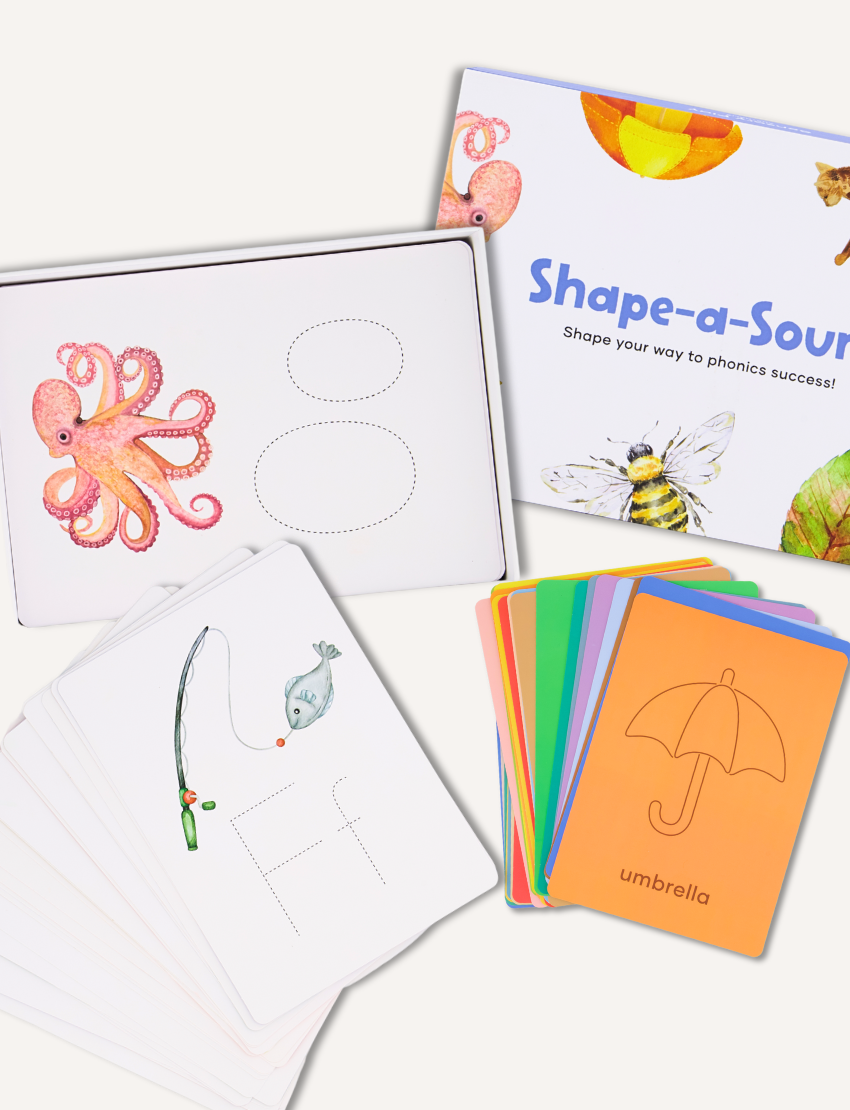
Shape-a-Sound Game
Regular price
$17.00
Sale price
$17.00
Regular price
$34.00
Unit price
Belucci
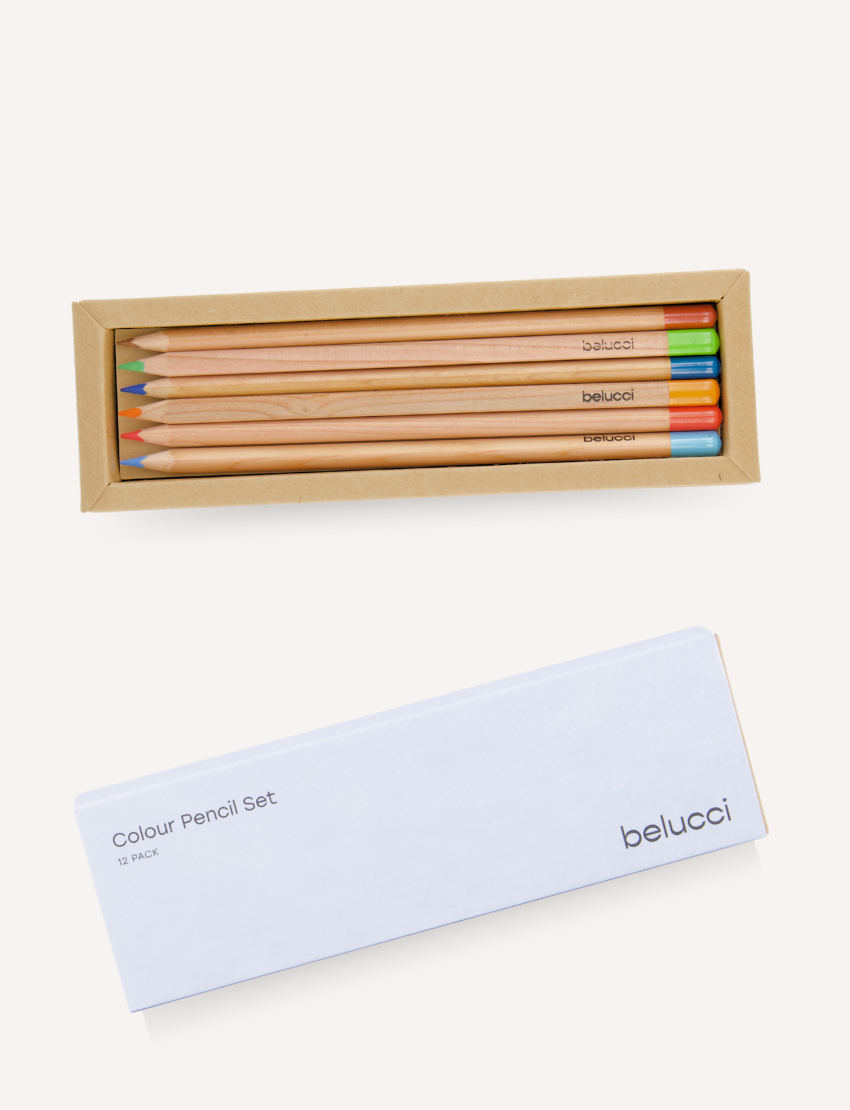
Colour Pencils 12pc in Box
Regular price
$8.00
Sale price
$8.00
Regular price
$16.00
Unit price
Sensory Play Australia
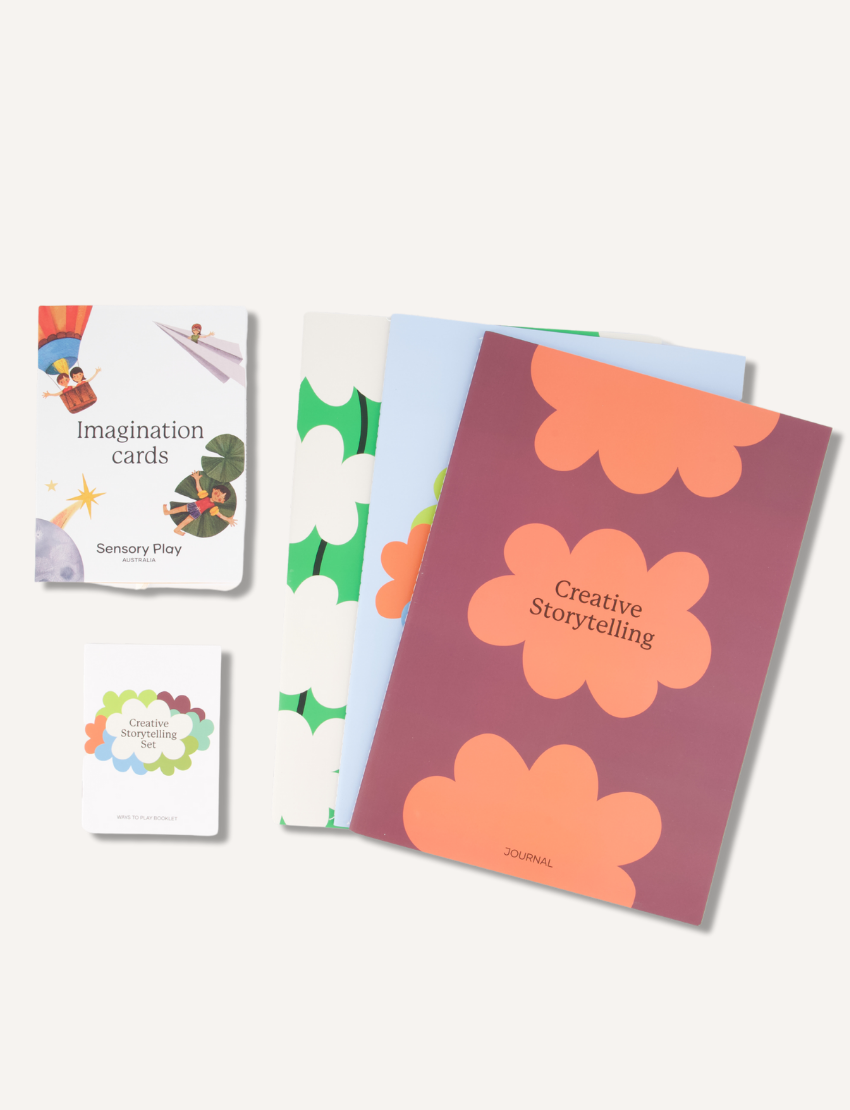
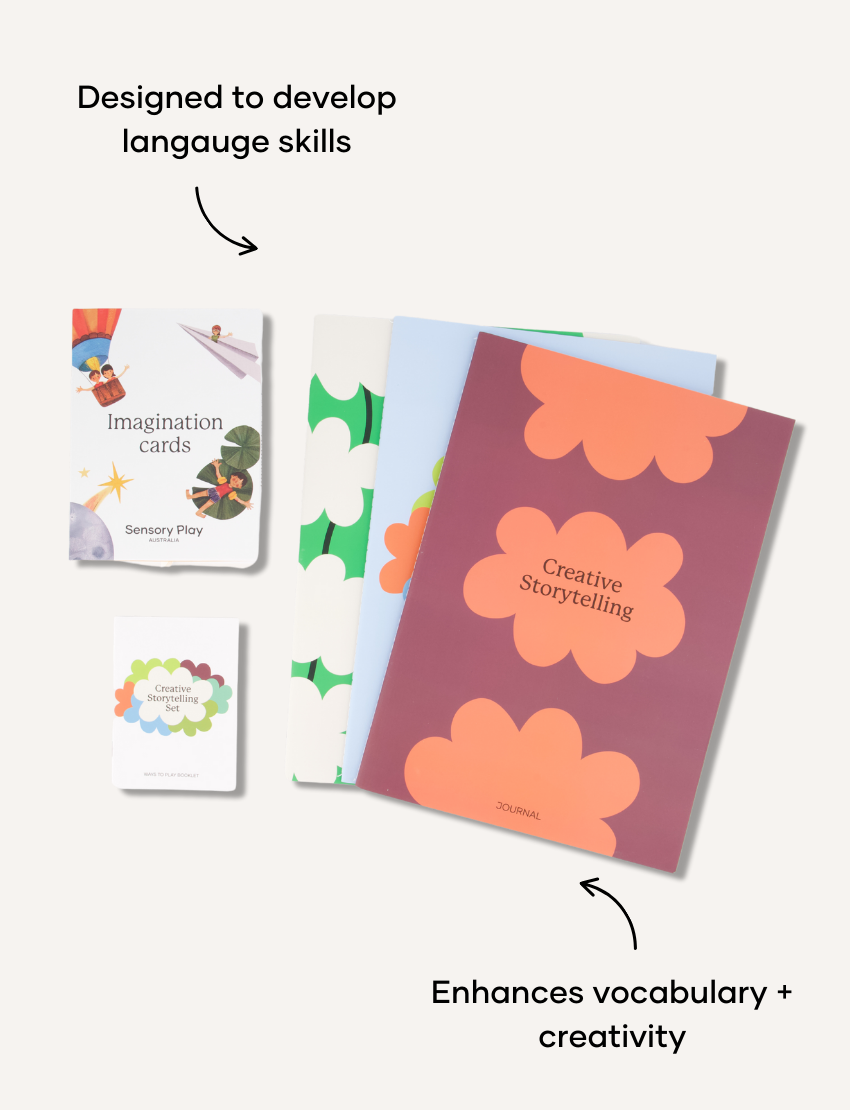
Creative Storytelling Set
Regular price
$24.50
Sale price
$24.50
Regular price
$49.00
Unit price
Sort by
- Featured
- Most relevant
- Best selling
- Alphabetically, A-Z
- Alphabetically, Z-A
- Price, low to high
- Price, high to low
- Date, old to new
- Date, new to old
Recently Viewed Products
Ask a Therapist about your child
Want to be able to message a therapist and get some guidance when you're stuck or unsure what to try next?
The Play Way's Ask a Therapist is now available.
Tell us what's going on, what you've already tried, and where you feel stuck. Our therapy team read, watch or listen to what you've described, consider what they would try next, why, and recommend any relevant resources from our Hub that might help, and reply to you within one business day.
Handwriting
Frequently asked questions
Is there a handwriting program for kids?
We have three, and they are play kits rather than worksheets. Our therapy team built them as a series, and the advice on all three is the same: choose between them by what is actually challenging your child rather than by how old they are. Getting Ready to Write is the first, and it builds core, shoulder and hand strength in four stages before it gets to letters. Creative Handwriting is the second, for the child who will draw all afternoon but cannot remember which way a letter goes. Handwriting in Practice is the last, four weeks of short writing jobs for the child who can write but is still on the first line when the class has finished.
Why does my child hate writing?
Usually because it is harder for them than it looks from the outside. Handwriting asks a child to think of a sentence, work out the spelling, form each letter and get it onto the line, all at once. Our therapy team's answer to that is to take some of it away, so the workbook in our Handwriting in Practice kit takes away some of that heavy thinking work so the only job left is the writing. It is also worth checking whether the hand runs out of energy before the task does. A child who shakes, cramps up, or keeps changing their grip and position partway through is often running out of strength rather than patience.
How should a child hold a pencil?
There is no single grip that is right at every age, and a child's grip changes as their hand gets stronger. What usually matters more than the shape of the hold is whether the hand can keep holding it. Our Getting Ready to Write kit works from the middle of the body out to the fingertips. Core strength, then upper body, then hand strength, then the letters. We do not sell pencil grips. If a grip is the only thing you are after, the stationery aisle will have them.
What are pre writing skills?
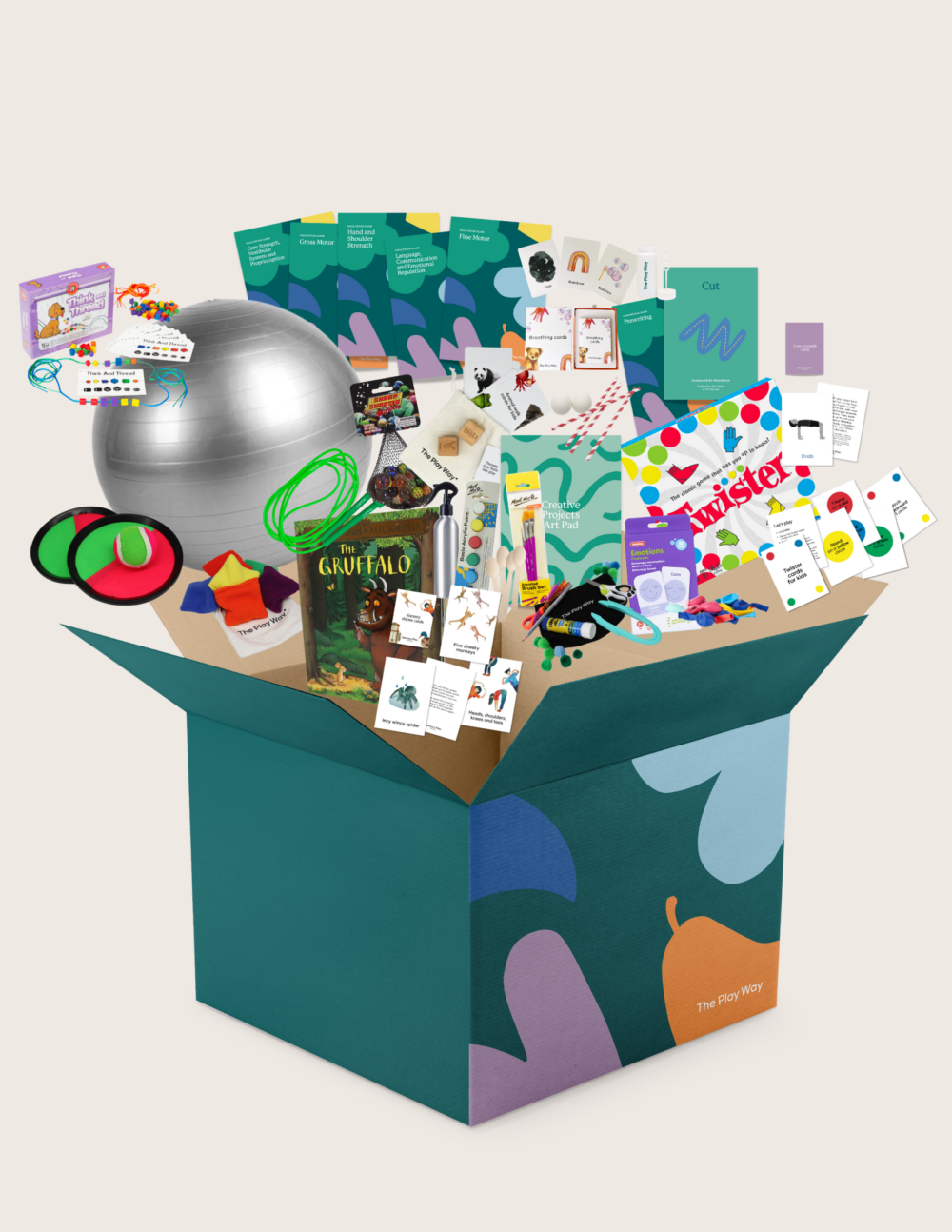
The things a child needs in place before letters start to make sense. Enough shoulder and hand strength to control a pencil, the pinch to hold one, being able to copy a shape, and knowing where a line starts and stops. Our Ready for School Play Kit does a lot of the prewriting work, and the fine motor kits are great for that too, working on the strength and skill through play.
What is letter formation?
Letter formation is how a letter gets made. Where the pencil starts, which way it travels, and how big the letter ends up. Our Sky, Grass, Dirt writing pad colours the page into three bands, blue for the sky, green for the grass and brown for the dirt, with a rhyme that tells a child where each letter stands, burrows or reaches. The Shape-a-Sound game has 26 alphabet cards and 100 reusable wax sticks, so a child builds the shape of the letter with their hands before they write it. And our Creative Handwriting Play Kit merges creative arts with letter formation through guided videos. These are all for the part of handwriting that is remembering the shape of the letter, which is a different job from having the strength to write it.

