

Find out what your child needs most right now. Answer 6 quick questions and get a free personalised play plan. The one area where your child is most ready to grow, and the specific Hub programs to match.
Gross Motor Skills
Play kits
The Play Way
Play Kit
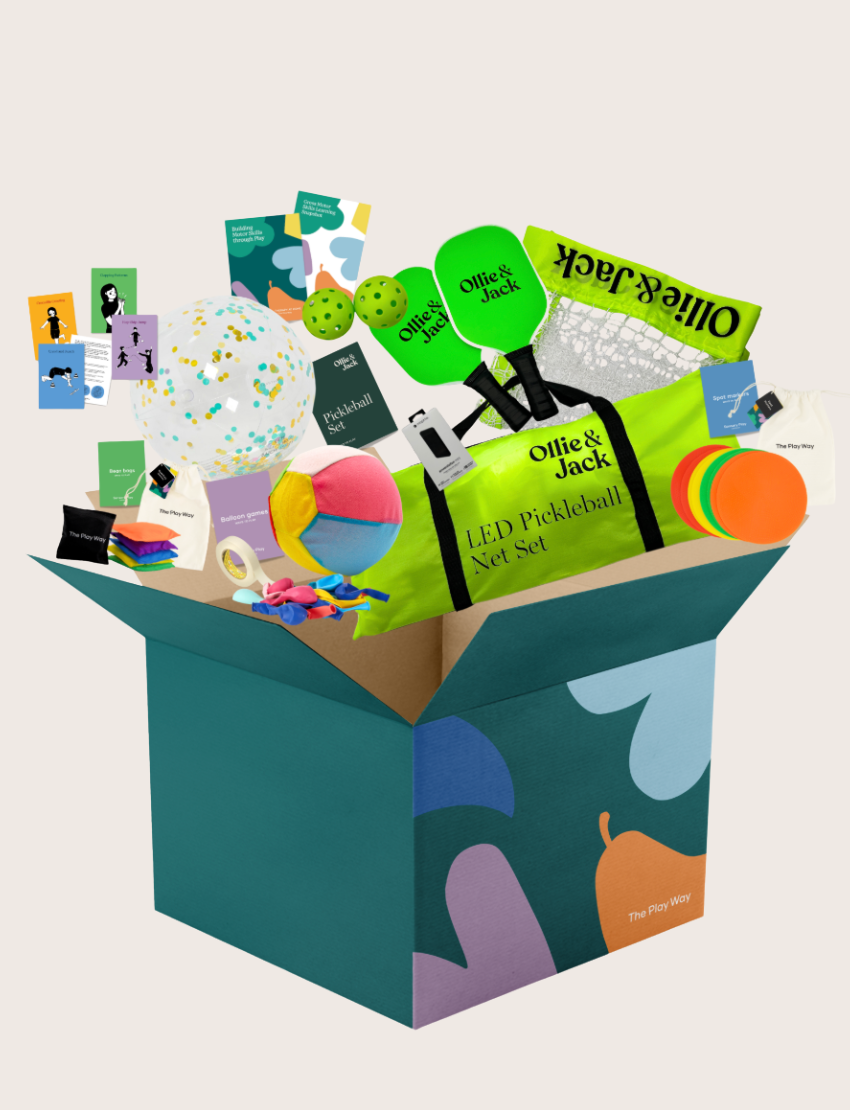
Gross Motor Play Kit
Regular price
$197.00
Sale price
$197.00
Regular price
$0.00
Unit price
The Play Way
Play Kit
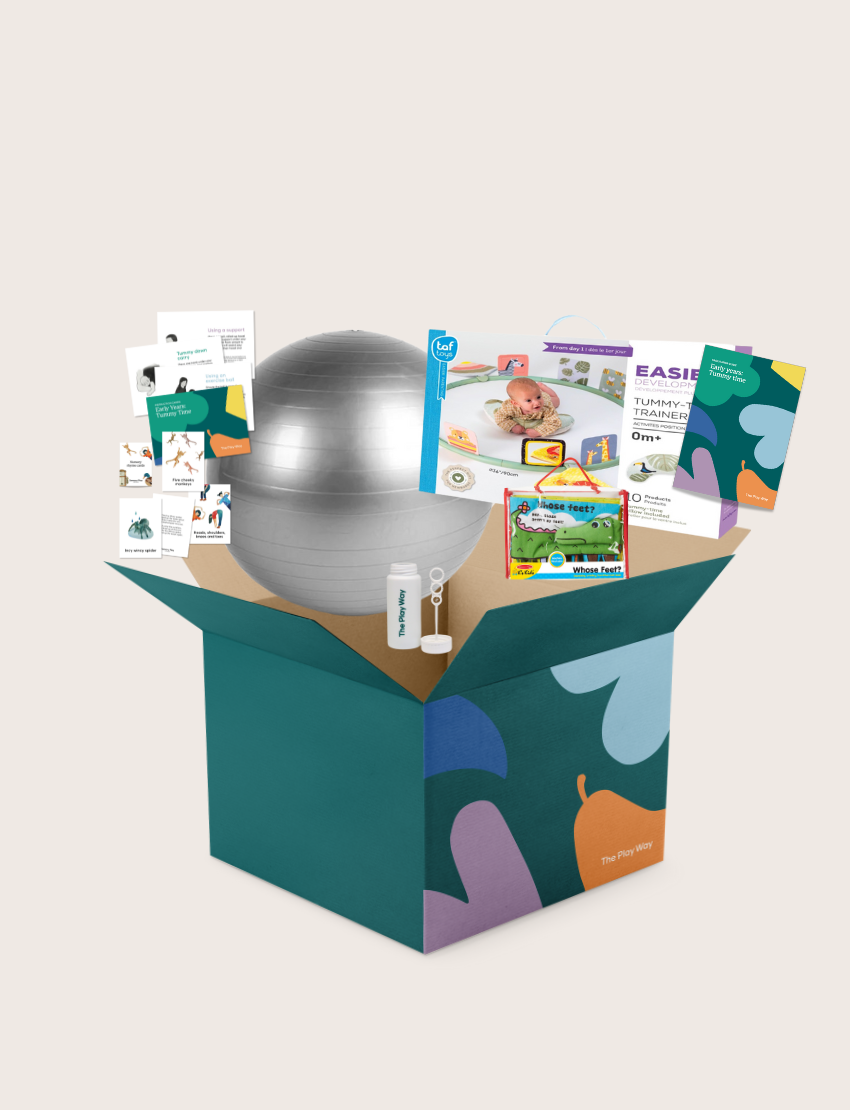
Tummy Time Play Kit
Regular price
$97.00
Sale price
$97.00
Regular price
$0.00
Unit price
All Products
Ollie & Jack
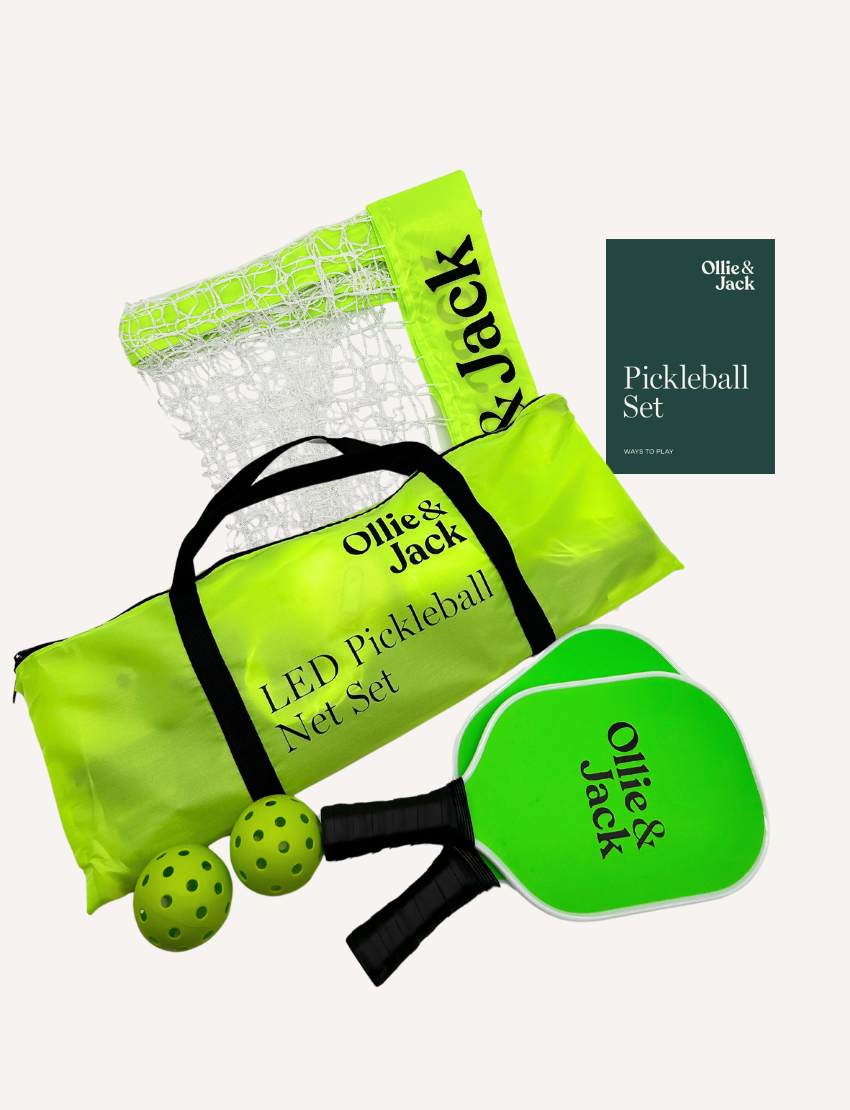
LED Pickleball Net Set
Regular price
$99.50
Sale price
$99.50
Regular price
$199.00
Unit price
Sensory Play Australia
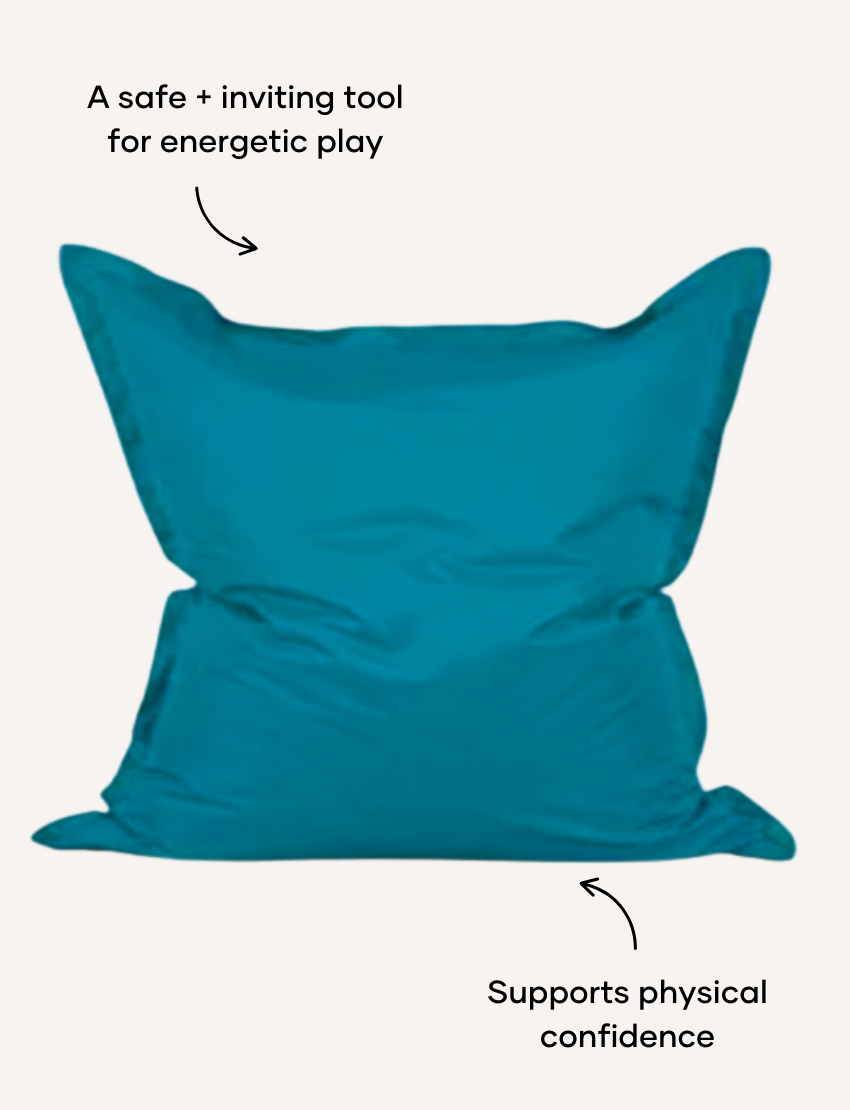
Crash Mat
Regular price
$69.50
Sale price
$69.50
Regular price
$139.00
Unit price
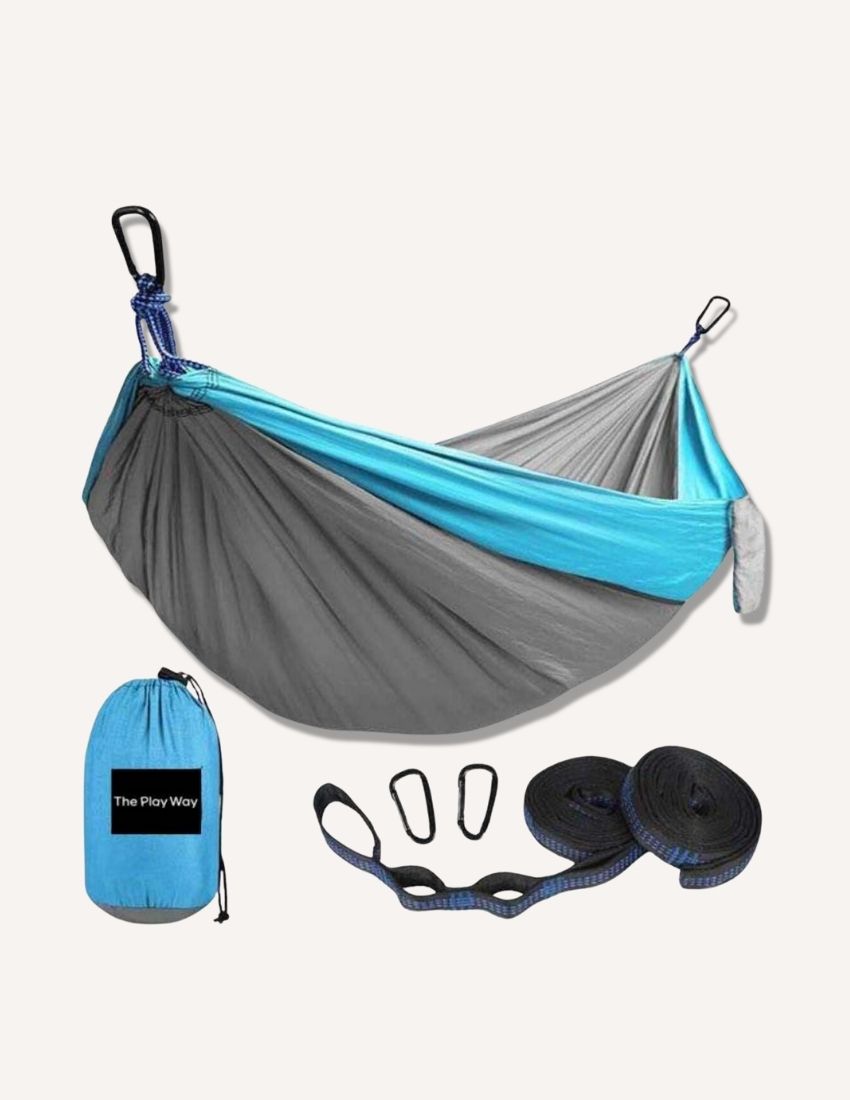
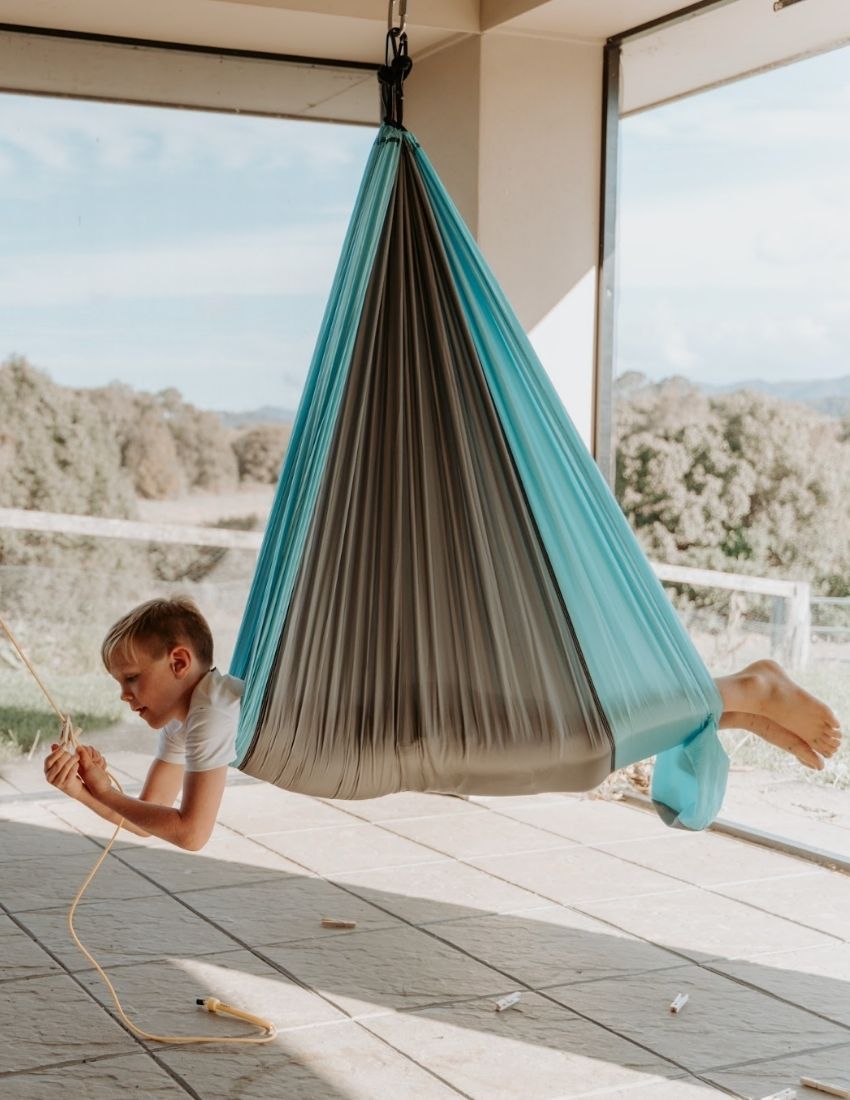
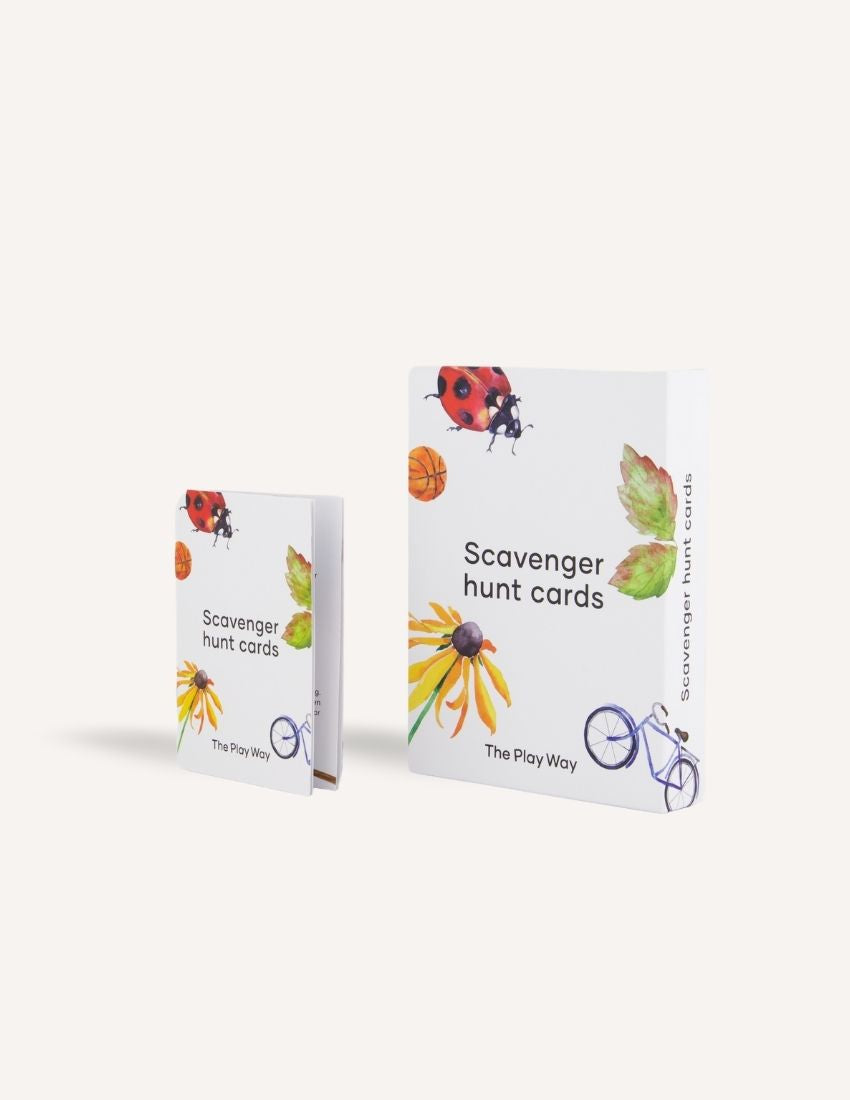
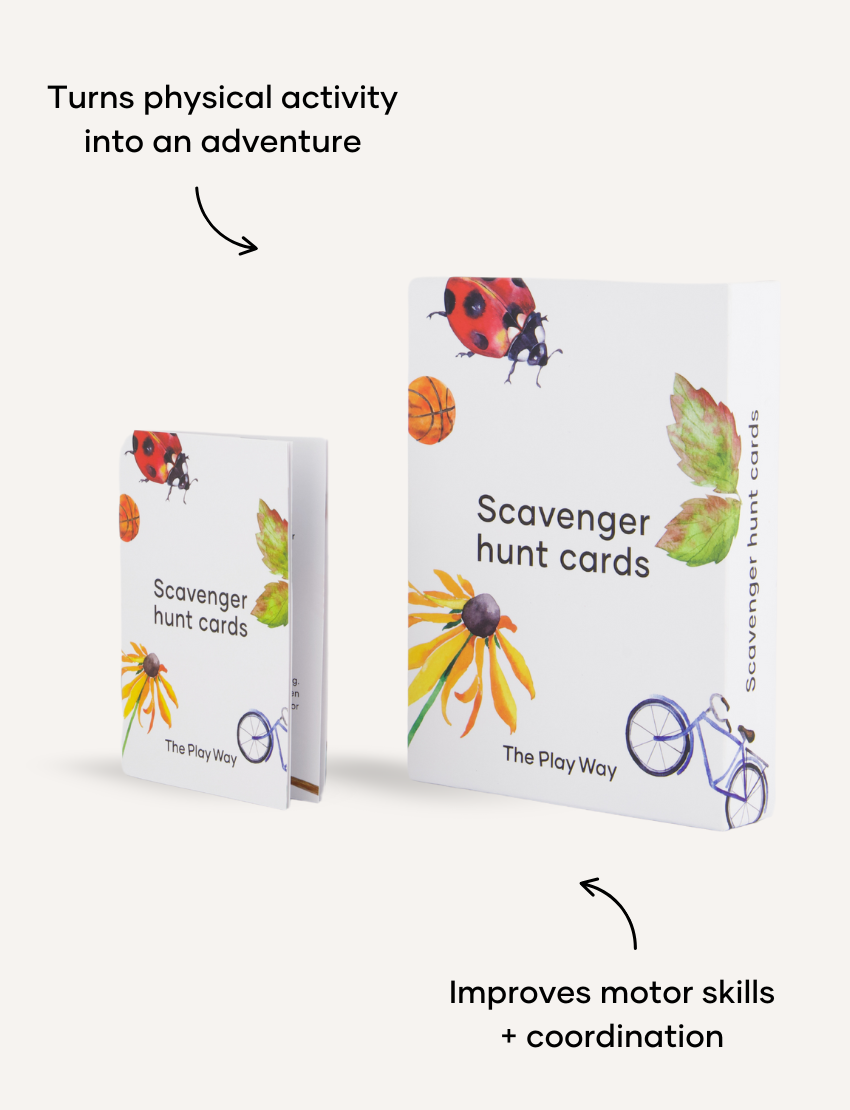
Sensory Play Australia
Scavenger Hunt Card Set
Regular price
$14.50
Sale price
$14.50
Regular price
$29.00
Unit price
Sensory Play Australia
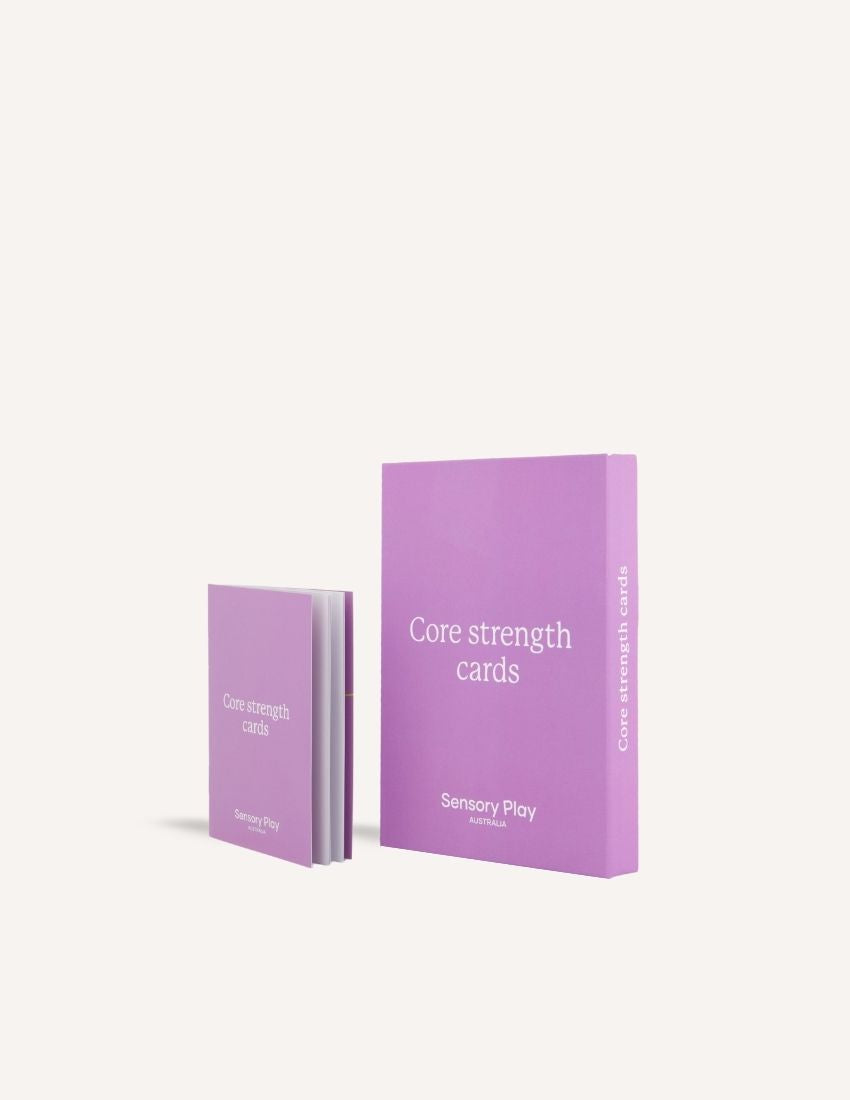
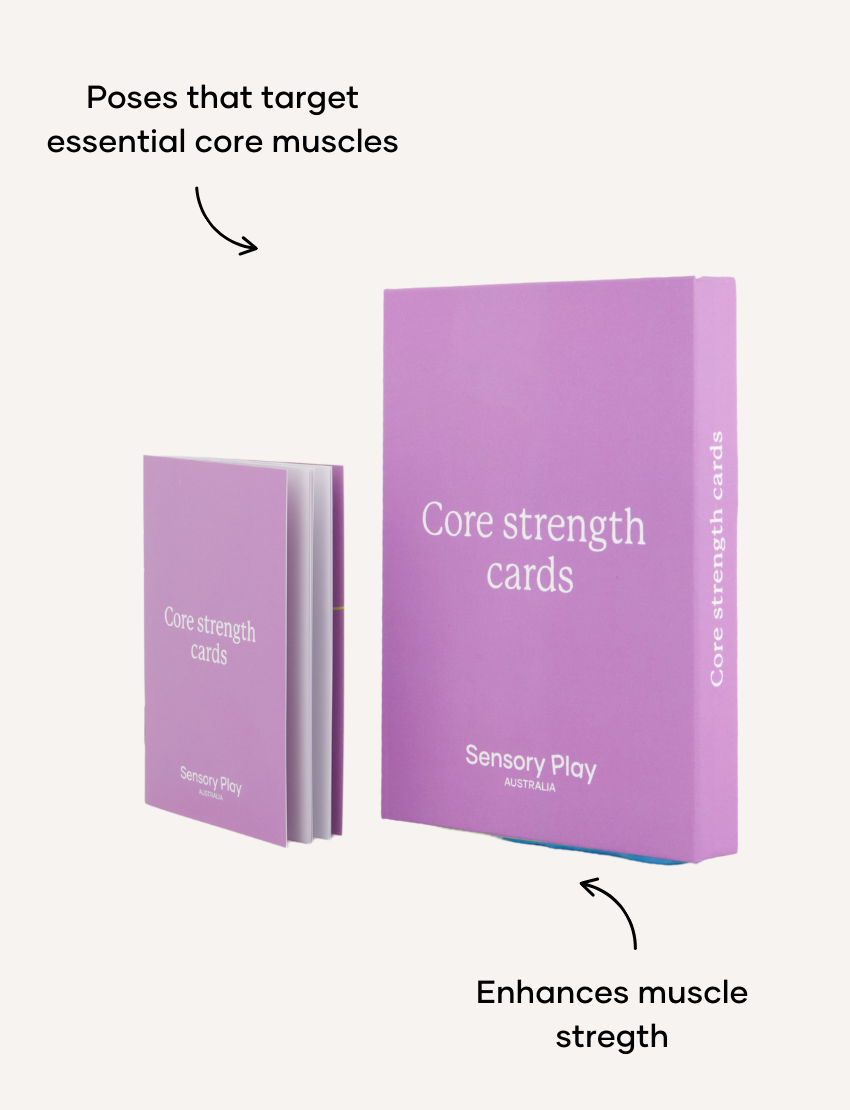
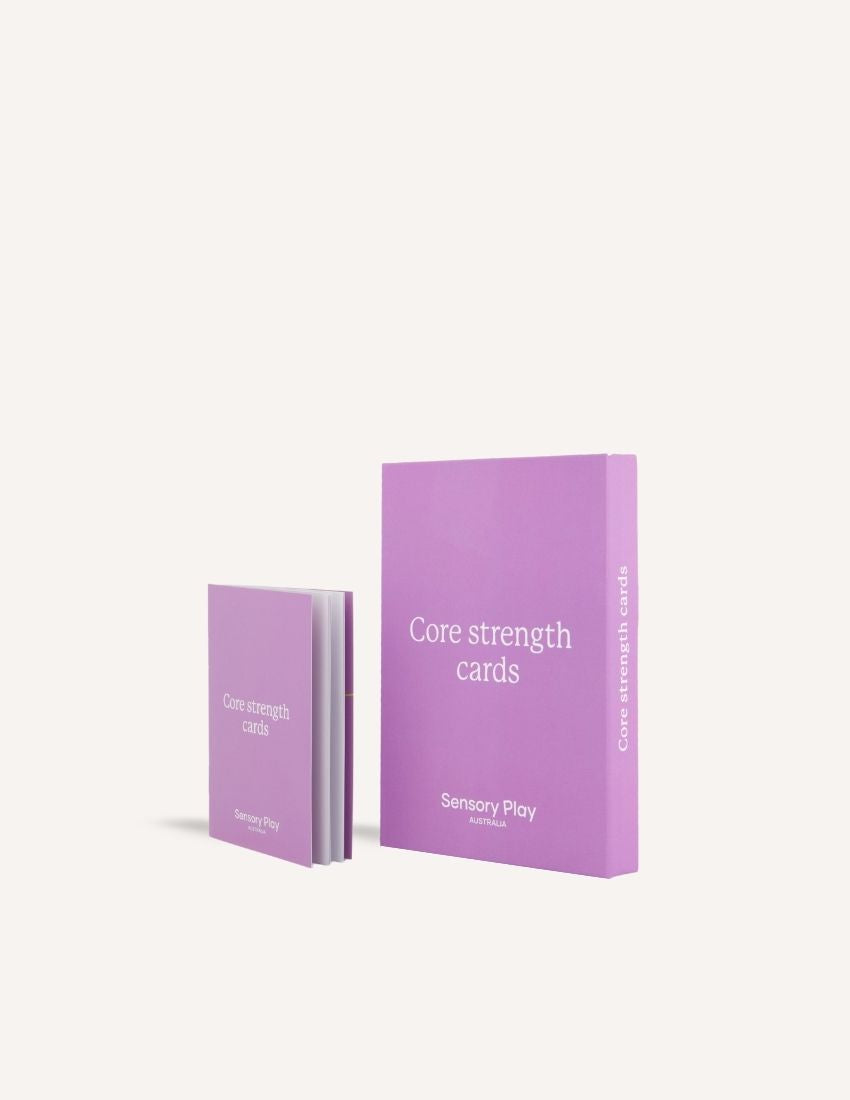
Core Strength Card Set
Regular price
$12.00
Sale price
$12.00
Regular price
$24.00
Unit price

The Play Way
Beat the Buzzer (ninja timer)
Regular price
$39.00
Sale price
$39.00
Regular price
$0.00
Unit price
Sensory Play Australia
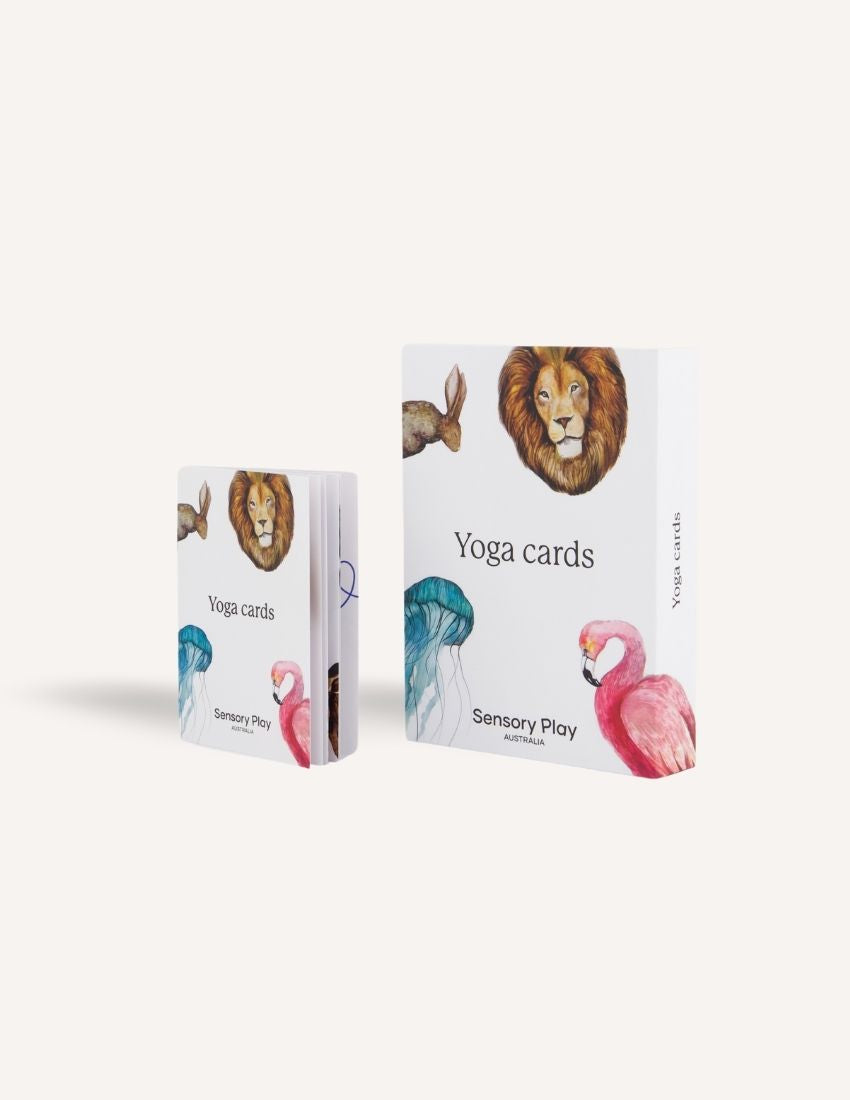
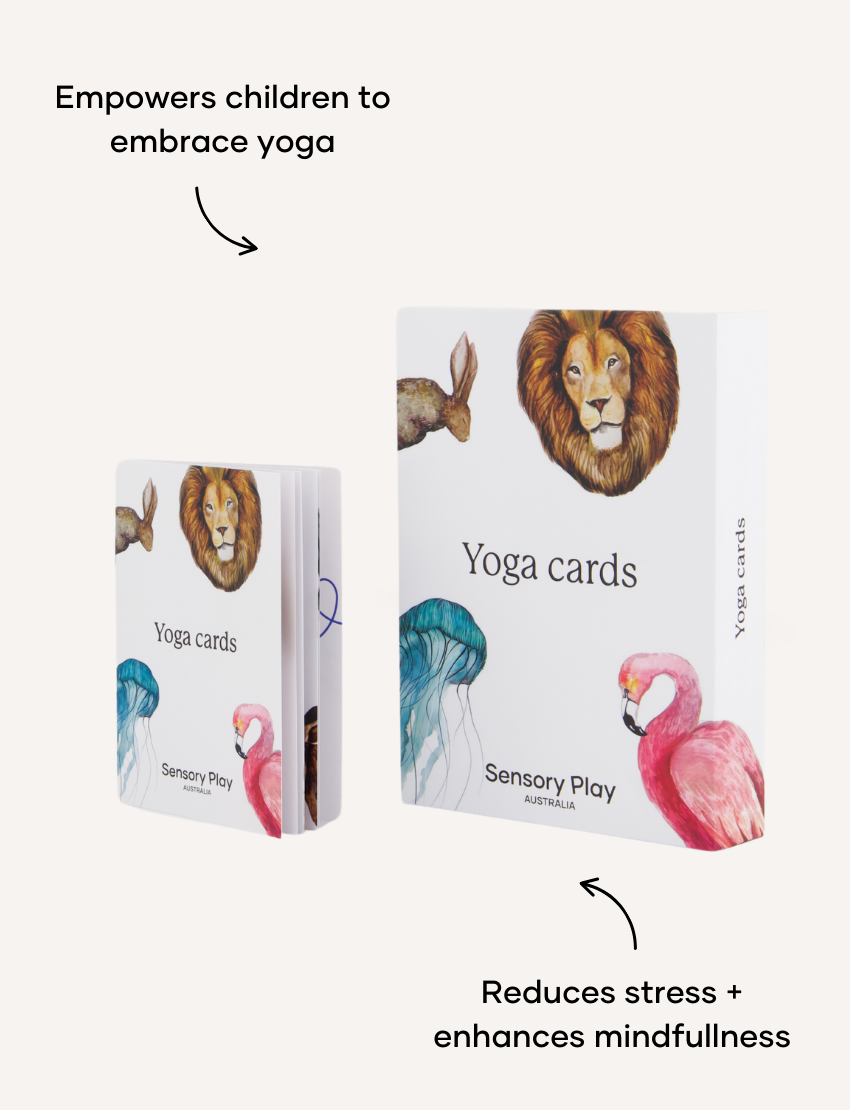
Yoga Card Set
Regular price
$14.50
Sale price
$14.50
Regular price
$29.00
Unit price

Sensory Play Australia
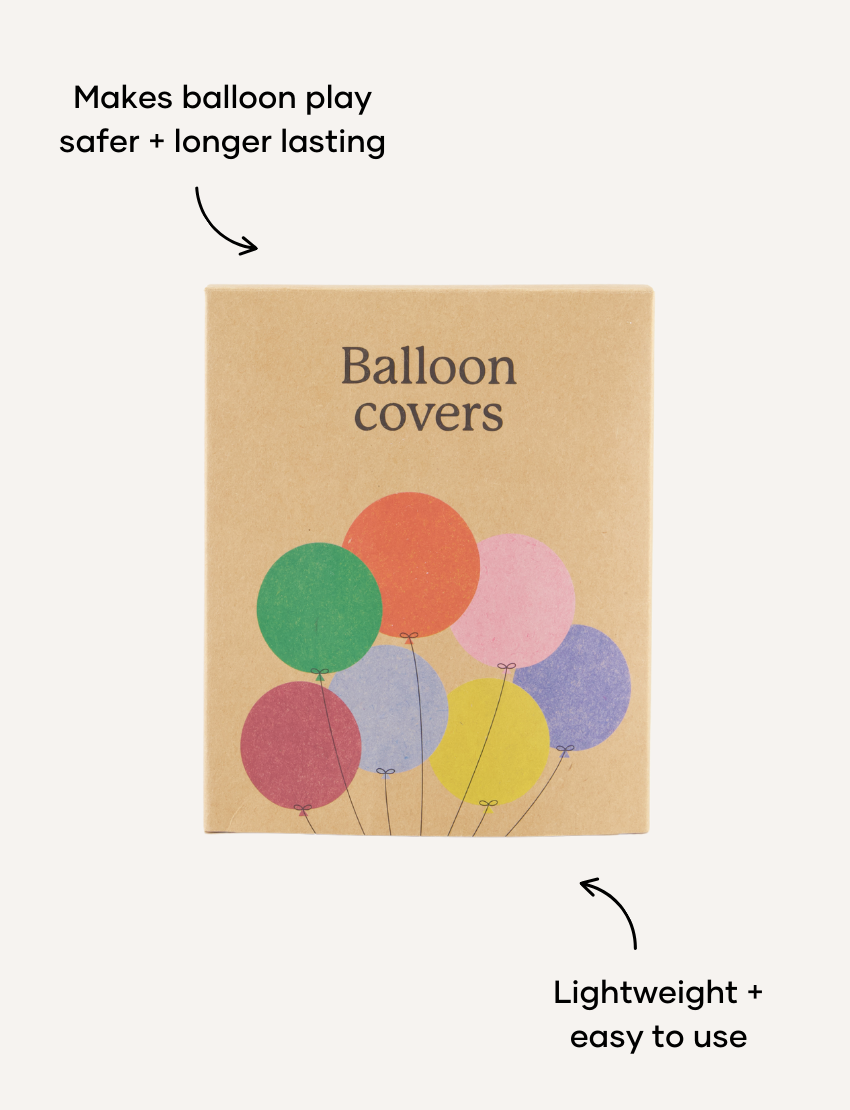
Balloon Covers
Regular price
$13.00
Sale price
$13.00
Regular price
$26.00
Unit price


Sensory Play Australia
Reusable Water Balloons
Regular price
$19.50
Sale price
$19.50
Regular price
$39.00
Unit price


Sensory Play Australia
Animal Walk Card and Dice Set
Regular price
$17.00
Sale price
$17.00
Regular price
$34.00
Unit price


Sensory Play Australia
Bean Bags
Regular price
$17.00
Sale price
$17.00
Regular price
$34.00
Unit price


Sensory Play Australia
Gross Motor Skills Cards Set
Regular price
$19.50
Sale price
$19.50
Regular price
$39.00
Unit price
Sensory Play Australia
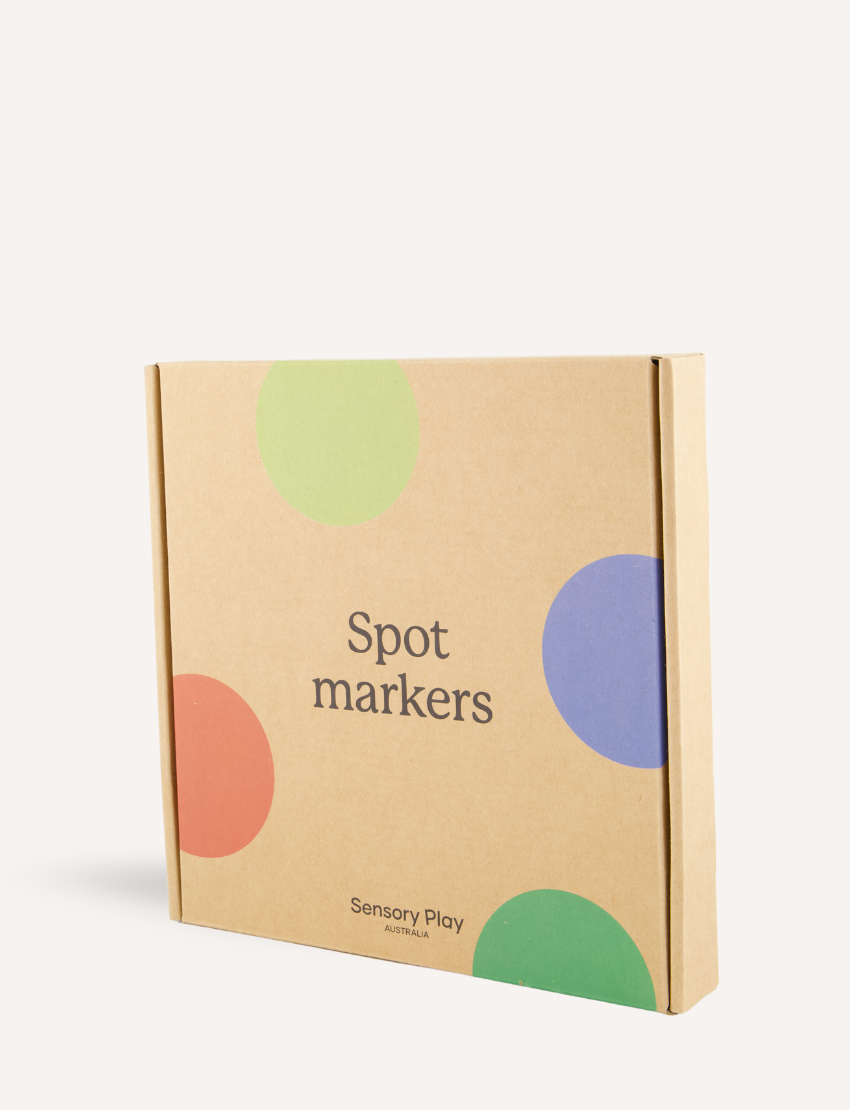
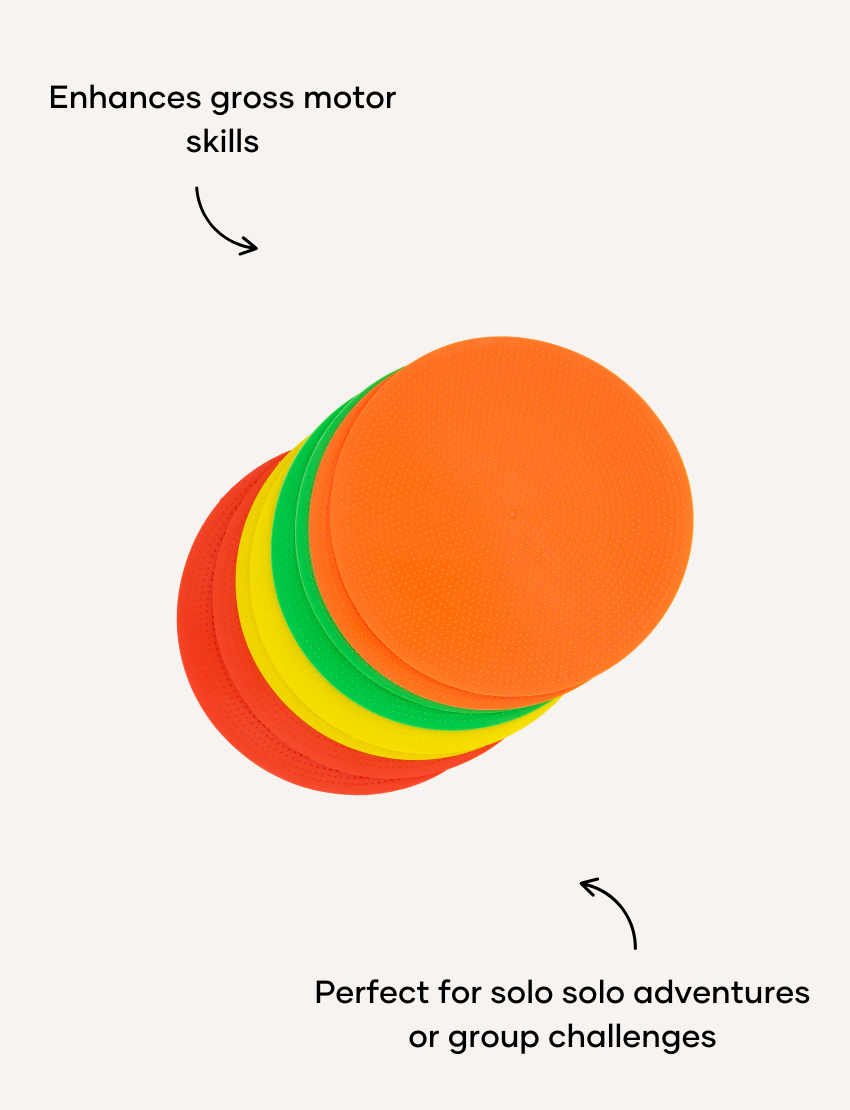
Spot Markers
Regular price
$17.50
Sale price
$17.50
Regular price
$35.00
Unit price


Sensory Play Australia
Stepping Stones
Regular price
$44.50
Sale price
$44.50
Regular price
$89.00
Unit price


The Play Way
Movement Dice Pack
Regular price
$19.00
Sale price
$19.00
Regular price
$0.00
Unit price


The Play Way
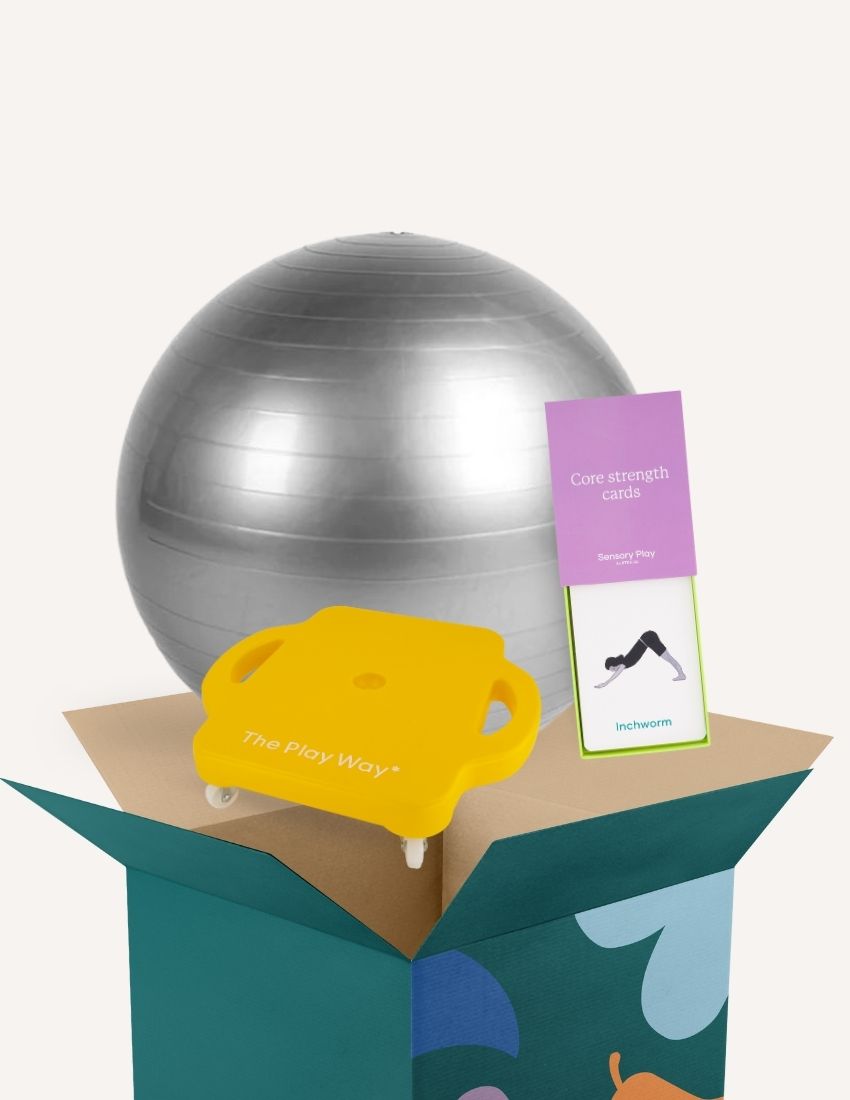
Core Strength Kit
Regular price
$109.00
Sale price
$109.00
Regular price
$0.00
Unit price


The Play Way
Yoga Mat and Cards
Regular price
$79.00
Sale price
$79.00
Regular price
$0.00
Unit price


The Play Way
Tummy Time Instruction Cards
Regular price
$29.00
Sale price
$29.00
Regular price
$0.00
Unit price


Ollie & Jack
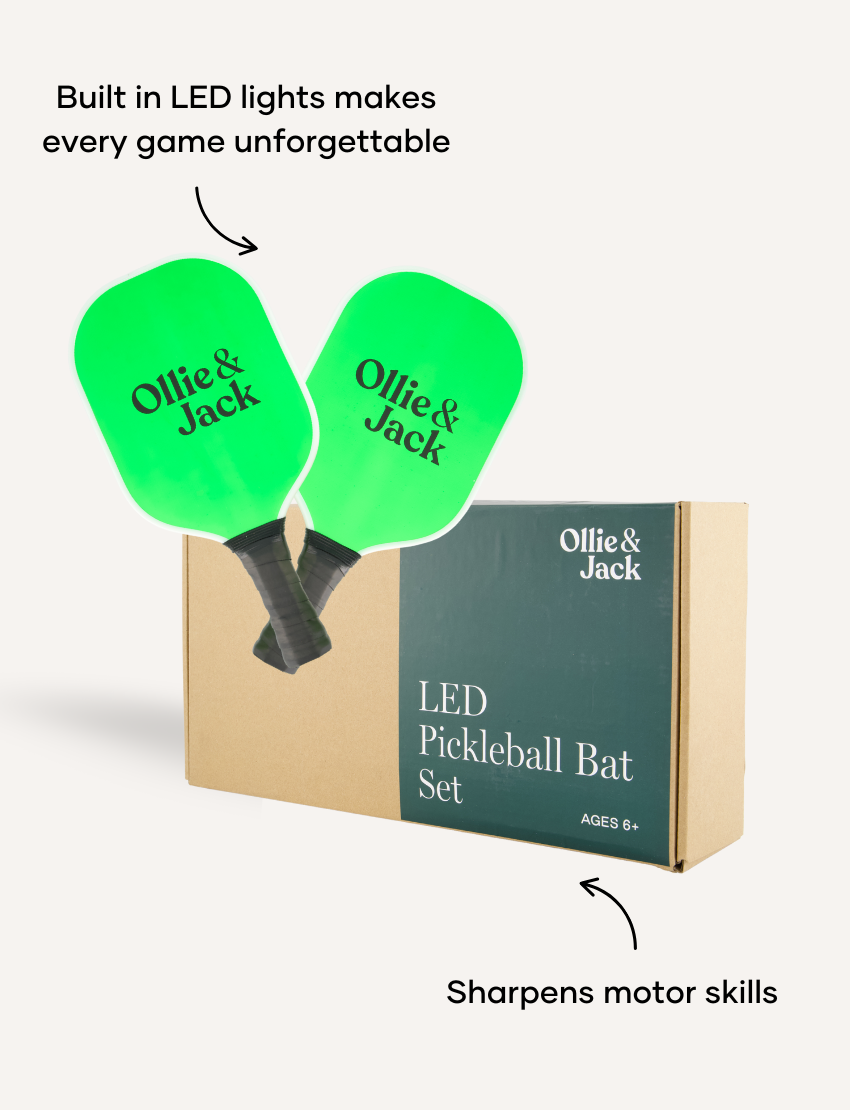
LED Pickleball Bat Set
Regular price
$44.50
Sale price
$44.50
Regular price
$89.00
Unit price
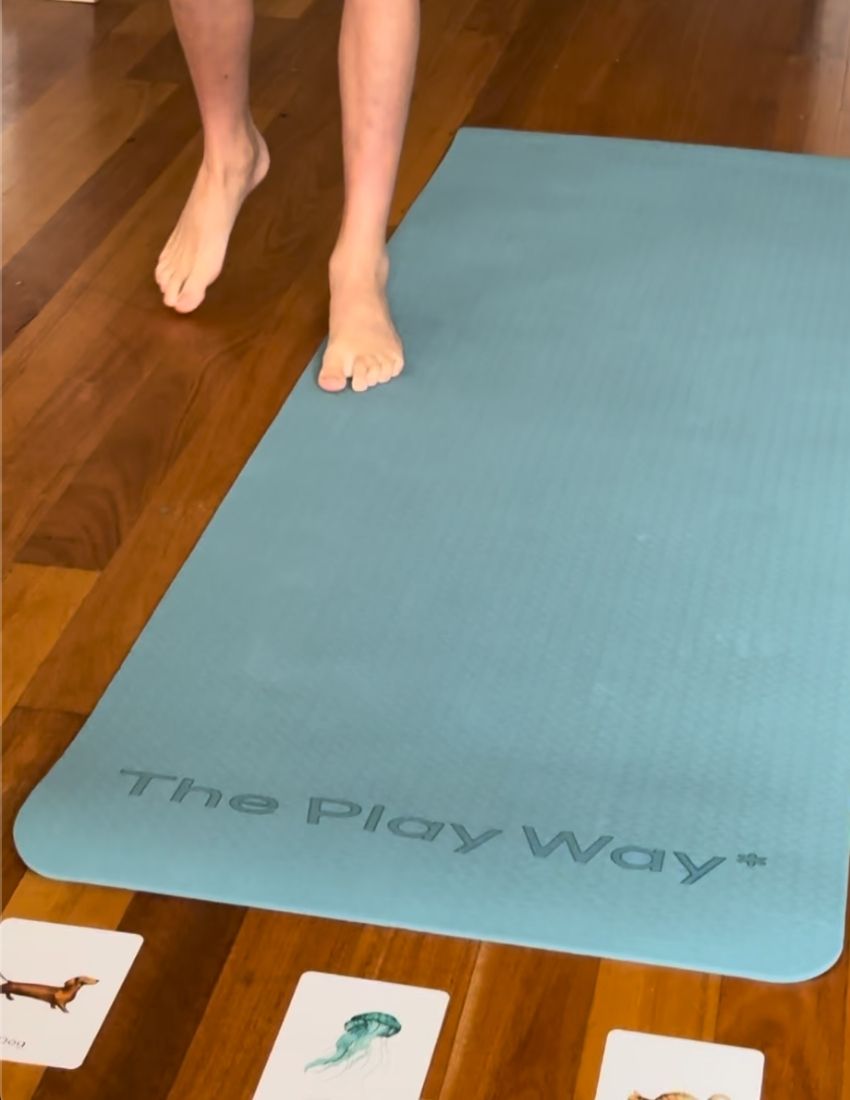
The Play Way
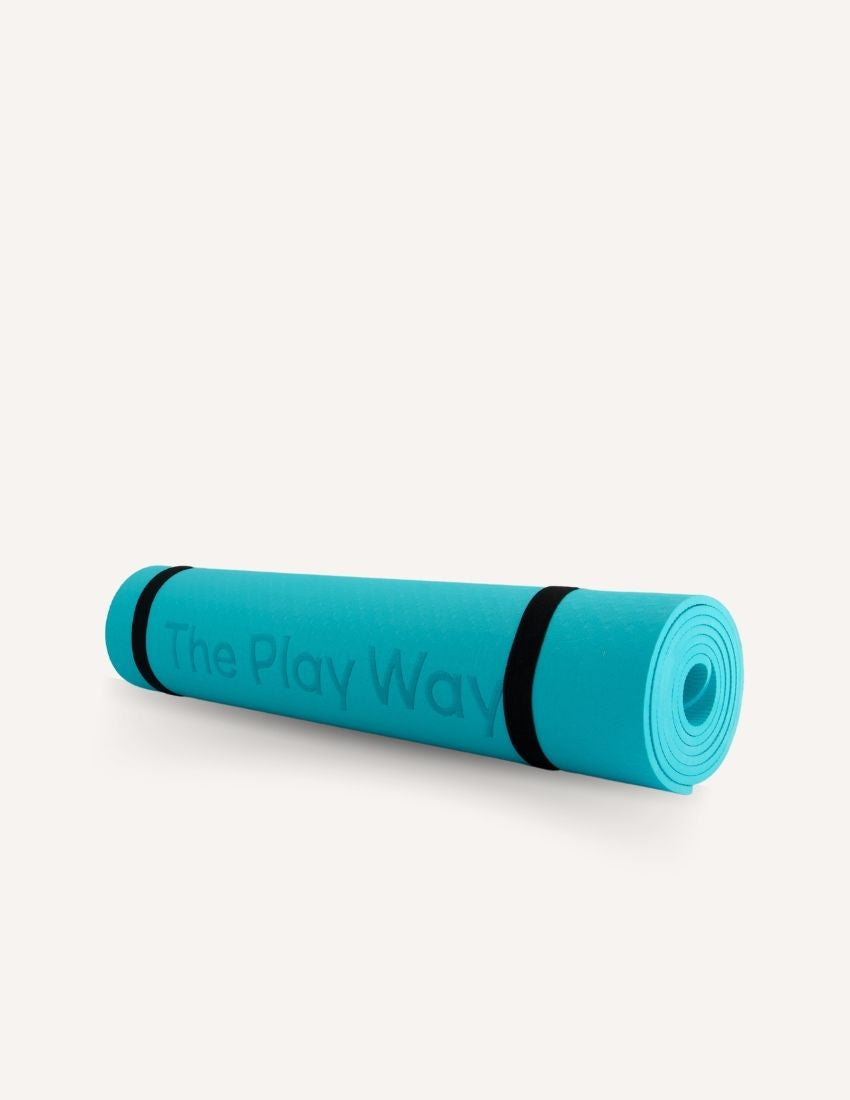
Yoga Mat - Large
Regular price
$27.00
Sale price
$27.00
Regular price
$54.00
Unit price


The Play Way
Yoga Mat - Small
Regular price
$27.00
Sale price
$27.00
Regular price
$54.00
Unit price
Sort by
- Featured
- Most relevant
- Best selling
- Alphabetically, A-Z
- Alphabetically, Z-A
- Price, low to high
- Price, high to low
- Date, old to new
- Date, new to old
Recently Viewed Products
Ask a Therapist about your child
Want to be able to message a therapist and get some guidance when you're stuck or unsure what to try next?
The Play Way's Ask a Therapist is now available.
Tell us what's going on, what you've already tried, and where you feel stuck. Our therapy team read, watch or listen to what you've described, consider what they would try next, why, and recommend any relevant resources from our Hub that might help, and reply to you within one business day.
Gross Motor Skills
Frequently asked questions
What are gross motor skills?
The big movements. Running, jumping, climbing, balancing, hopping, throwing and catching, and holding yourself upright while you do something else. Bodies build from the inside out, so core strength comes first, then shoulders, then hands. That is why core strength turns up in handwriting, and why a child who slumps at the table is often working on a different problem than the one it looks like. It is also worth knowing that how neatly they do any of it matters far less than how often they get to practise it.
My child trips and bumps into things. What helps?
Work out what is behind it before you practise anything. Is it their balance, so they lose their footing. Is it knowing where their body is in space, so they clip doorways and furniture. Is it the planning, so they are halfway through a movement before they have worked out the rest of it. Does it happen all the time, or only when they are tired, rushing or somewhere new. Then practise at the thing itself, made easy enough to succeed at. Our stepping stones, spot markers and bean bags are all for making a game simple enough to win and then slightly harder, and the 40 activity cards each carry an easier and a harder version so you are not inventing it yourself.
How do I build a child's core strength?
Whole body games, not just exercises. Our core strength cards use planks, bridges and superman poses, which are the same movements a physio or an occupational therapist would use, turned into something a child will do more than once. Animal walks do it without naming it at all, because crawling like a bear and waddling like a duck are both hard work through the middle. A crash mat helps here too, because a child will do it again and again.
What gross motor equipment do I actually need at home?
Less than people expect. Spot markers, bean bags and stepping stones between them make most of the games on our activity cards possible, and they pack away. A crash mat is the one bigger thing worth the space, because it turns jumping and landing into something you can say yes to indoors and outdoors. Our Gross Motor Play Kit gives you a great starter kit of tools plus the guidance you need to understand how to develop their skills and strength from home, through play.
What can we do indoors?
Most of this collection can be used both indoors and outdoors. Spot markers and stepping stones make an obstacle course down a hallway, the buzzer timer gives a child something to beat, animal walks and the movement dice need no extra equipment at all, and the scavenger hunt cards work in a house as well as a yard. The pickleball set has lights in the paddles, which is an outdoor thing, but it does mean the game does not have to end when it gets dark.

