With Occupational Therapist Jasmine and Speech Pathologists Kate and Aoife
If your child seems to go from calm to overwhelmed in seconds, struggles with everyday transitions, or has intense emotional reactions that feel out of proportion, you might be seeing signs of dysregulation. But what does that actually mean, and how can you support your child? Occupational Therapist Jasmine and Speech Pathologists Kate and Aoife from The Play Way Team sat down with us to explain dysregulation, how it shows up in daily life, and practical strategies to help children find their balance.
What is dysregulation?
To understand dysregulation, it helps to first understand regulation. "Regulation is the ability to identify feelings in the body, understand what those feelings mean, and take actions to restore balance," Jasmine explains. "Once the action is completed and balance is restored, the person learns from the outcome, and the process continues."
Dysregulation, then, involves a breakdown somewhere in this process. "A person may not be able to identify a body signal, or it may be too intense," Jasmine says. "Additionally, challenges may arise in connecting these sensations to their corresponding emotions or meanings, making it difficult to take appropriate actions to alleviate the discomfort."
Kate adds that differences in sensory processing can play a role in dysregulation. "Some people have a smaller window of tolerance for sensory information compared to others. As a result, they may experience overwhelm easily or have big emotional reactions."
Dysregulation may also come from difficulty handling stress or changes, which can make everyday situations seem more intense or unmanageable.
How dysregulation shows up in everyday life
For parents wondering whether what they're seeing at home might be dysregulation, the team offers some signs to watch for.
Frequent mood swings or changes in emotional state are common. "The child might have sudden, intense emotional shifts, like going from calm to extremely upset quickly," Aoife says.
Outbursts are another sign. "They could have angry outbursts, tantrums, or crying spells that seem out of proportion to the situation," Kate explains. Some children struggle to cope with routine changes or minor setbacks, reacting with frustration or distress.
Impulsive behaviour can also indicate dysregulation. "The child might act impulsively without considering consequences, like interrupting others or acting out," Jasmine notes.
Difficulties maintaining friendships or getting along with family members due to unpredictable emotional responses are common, and sometimes children appear to be in a 'shut down' state or have difficulties expressing how they are feeling.
Common misconceptions about dysregulation
There are quite a few misunderstandings about dysregulation, and the team is keen to clear them up.
It's just bad behaviour
"Dysregulation is not simply poor behaviour," Jasmine says. "It's often a result of underlying difficulties with either identifying body feelings, linking them to emotions, communicating those emotions, or using effective strategies for regulation. The behaviours are symptoms of a deeper issue rather than intentional defiance."
It's a phase or will pass on its own
While some children may outgrow certain difficulties, dysregulation often requires targeted strategies and support to improve. "Ignoring it or assuming it will pass without intervention might not be effective," Kate explains.
It means a child is weak or lacking willpower
"Dysregulation is not a sign of weakness or a lack of willpower," Aoife says. "It involves complex emotional and neurological processes that are beyond simple control."
Medication is the only solution
While medication can be helpful for some, dysregulation often benefits from a combination of therapeutic approaches. "Behavioural therapy, emotional regulation skills, and support from caregivers can all make a real difference," Jasmine notes.
It only affects behaviour, not learning or social skills
"Dysregulation can impact various areas of life, including academic performance and social interactions," Kate says. "Emotional difficulties often interfere with concentration, problem-solving, and relationship-building."
Practical strategies to support your child
If you're noticing that your child is experiencing dysregulation, the team has some straightforward strategies to try at home.
Establish routines. Create consistent daily routines to provide structure and predictability, which can help manage stress and emotional reactions.
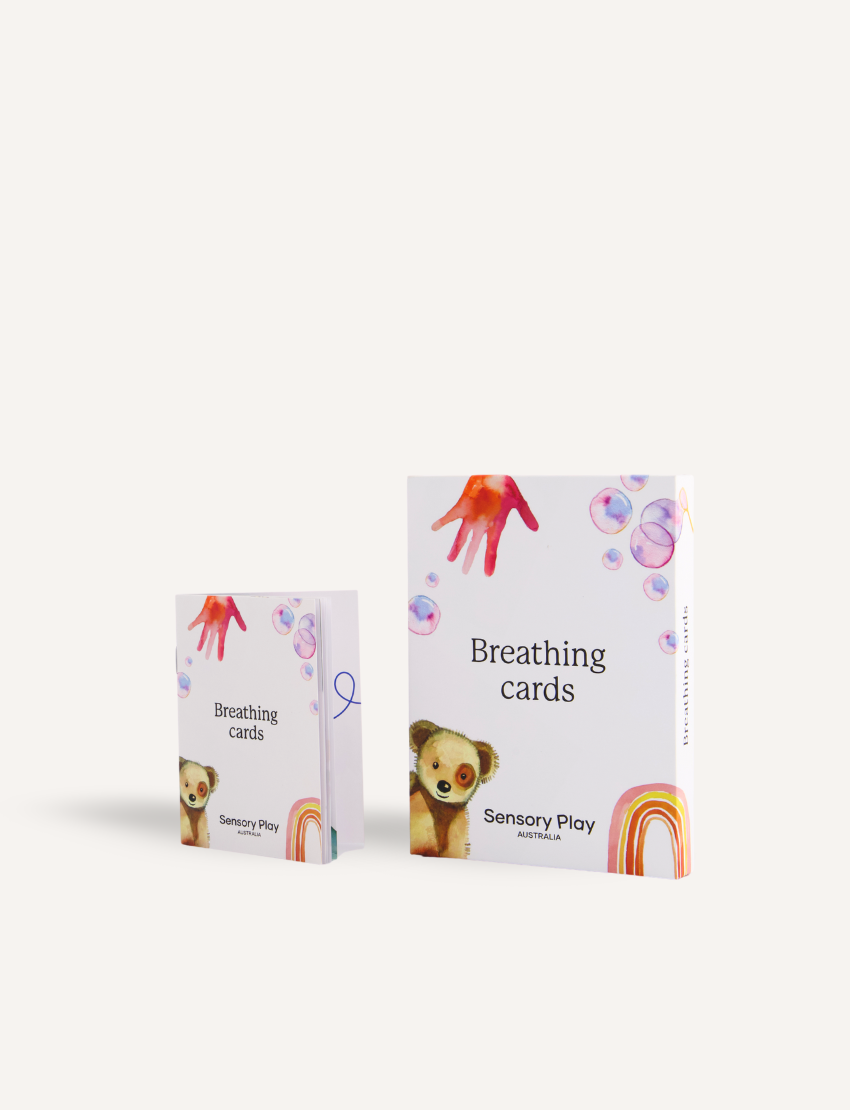
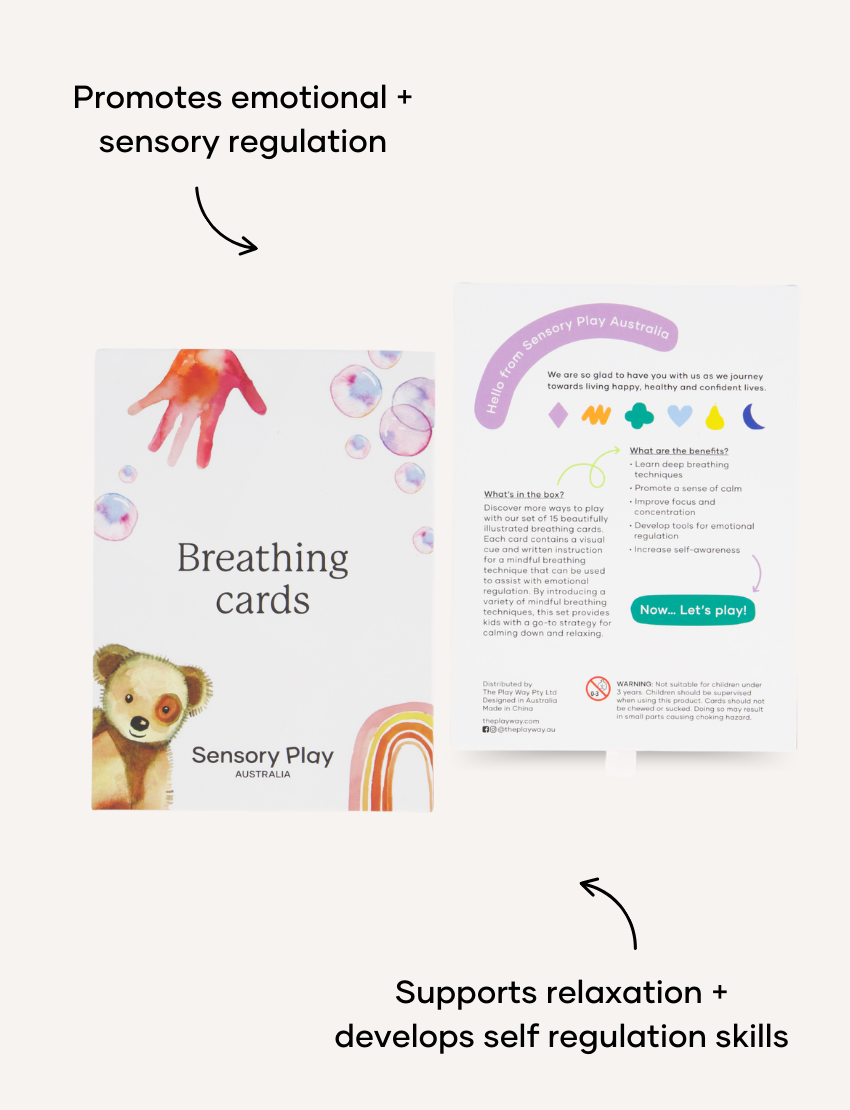
Teach management and coping skills. Introduce techniques like deep breathing, counting to ten, or using a calming activity like drawing or listening to music to help regulate emotions.
Model calm behaviour. "Demonstrate calm and controlled responses to stress and emotional challenges," Jasmine suggests. "Children often learn by observing how adults handle their emotions."
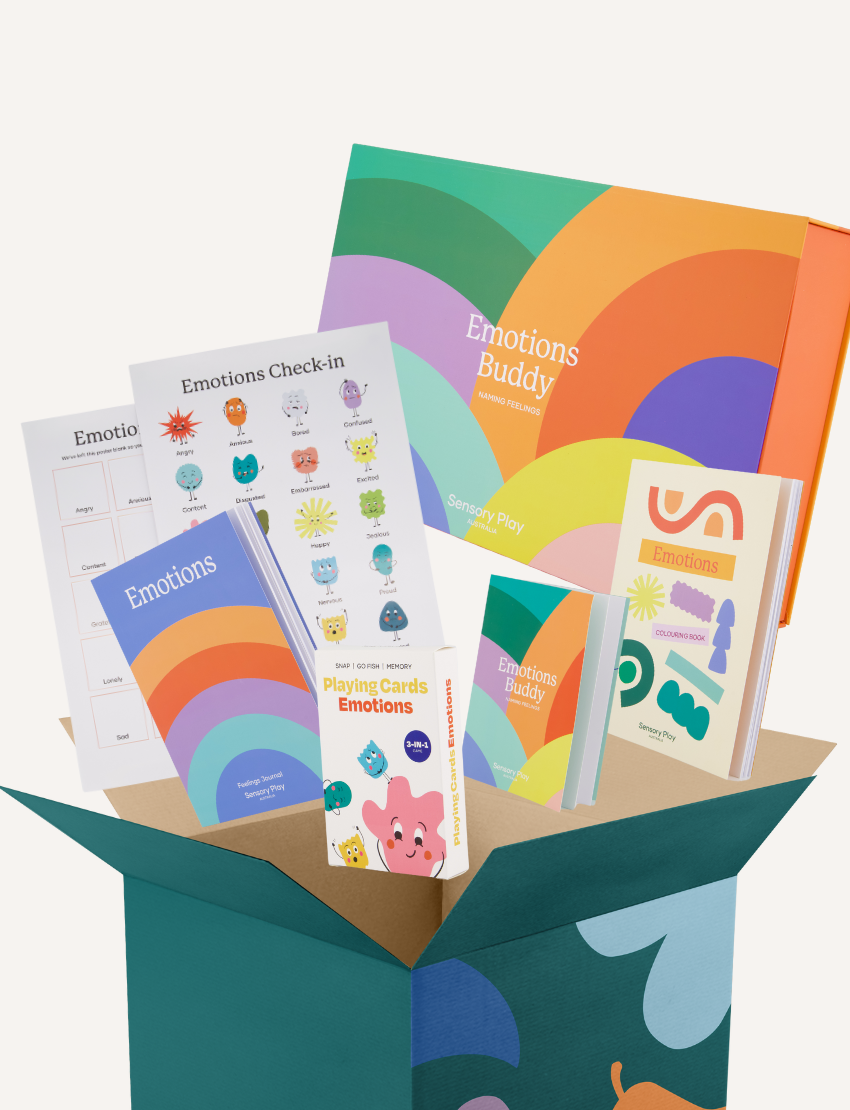
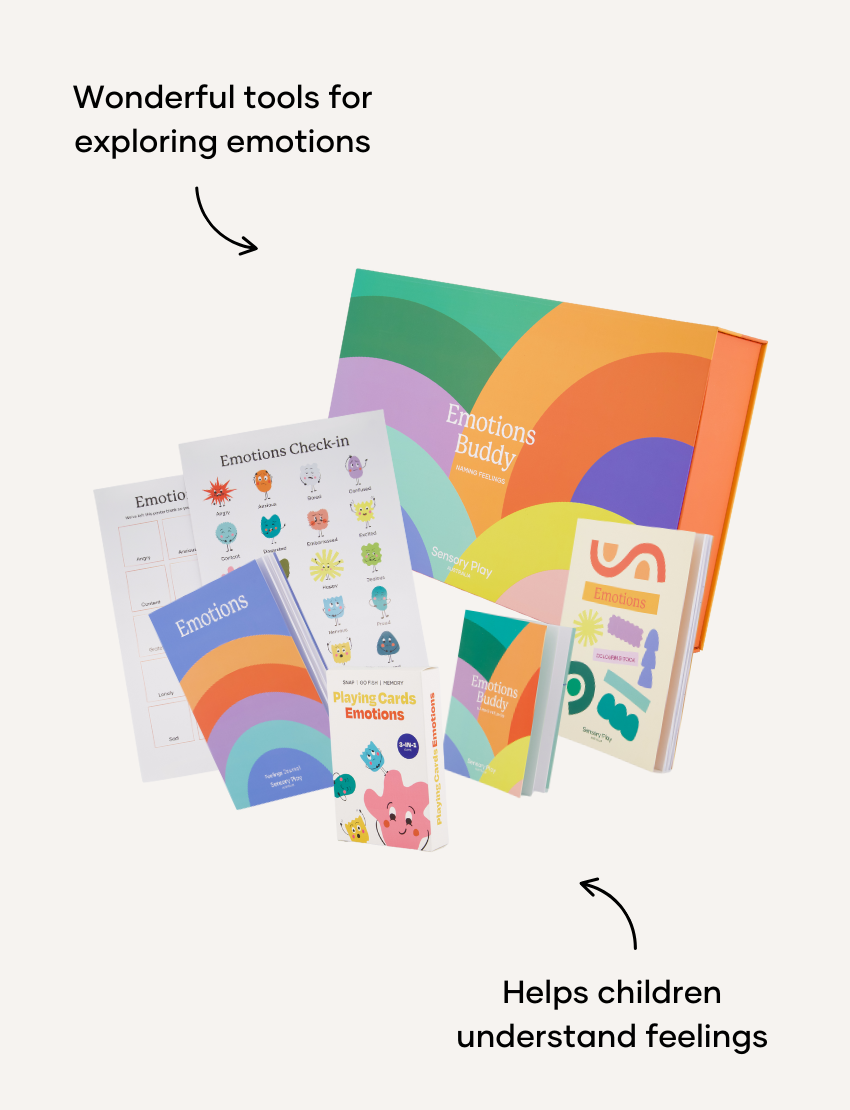
Use visual aids. Visual schedules, emotion charts, or calming boxes with items can help the child feel more in control and recognise their feelings.
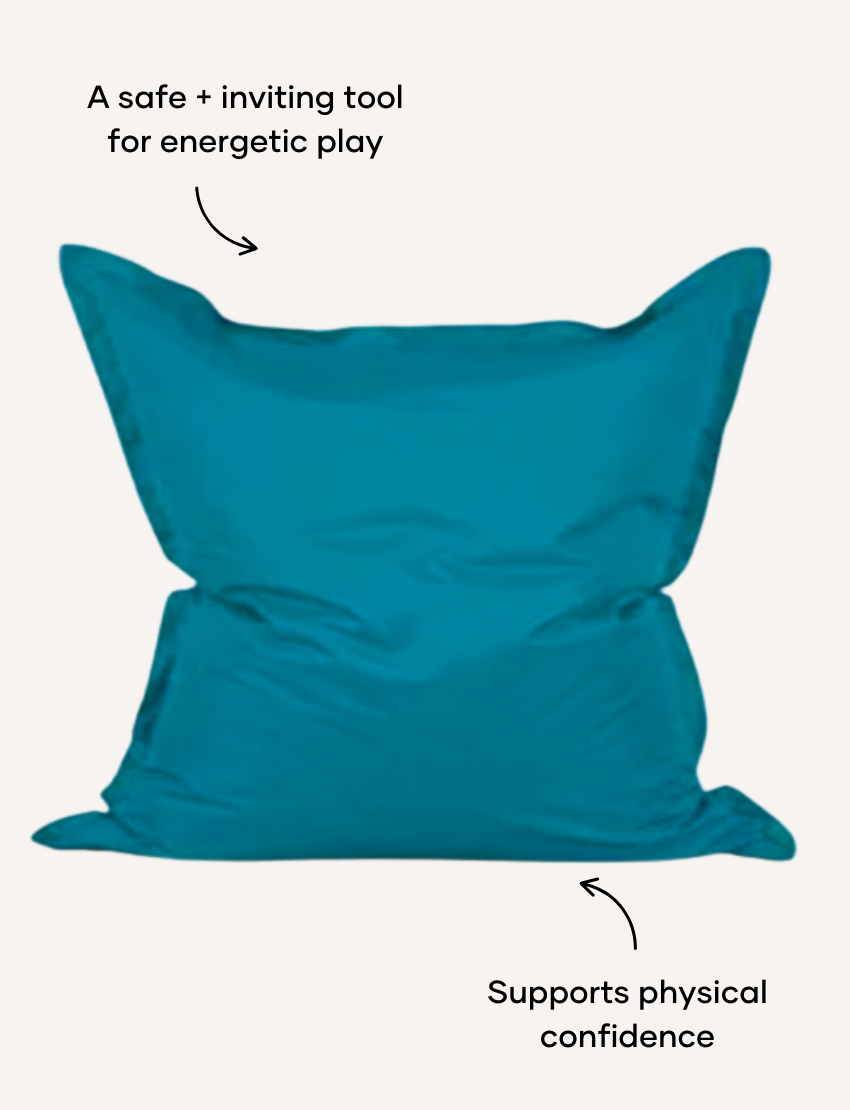
Encourage physical activity. "Regular exercise can help manage stress and improve mood, making it easier to handle emotional ups and downs," Kate says.
Provide positive reinforcement. Acknowledge and reward efforts to use coping strategies and manage emotions effectively to encourage continued progress.
Create a calm-down space. Designate a quiet area where the child can go to relax and regain composure when feeling overwhelmed.
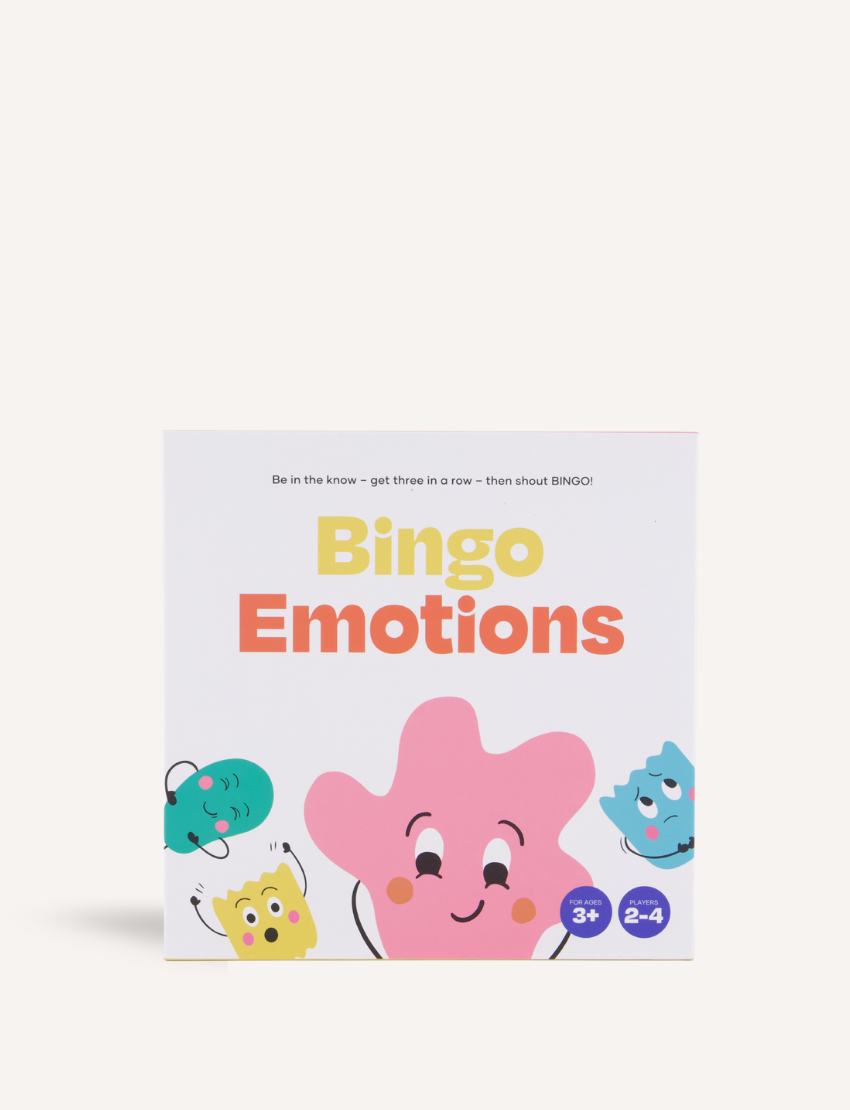
Teach the child to identify and label a range of emotions. "Teaching the child the language associated with emotions, including naming and describing feelings and the physical sensations that accompany them, helps them better understand and express their emotions," Aoife explains. "This skill enhances their ability to regulate their feelings and develop effective coping strategies."
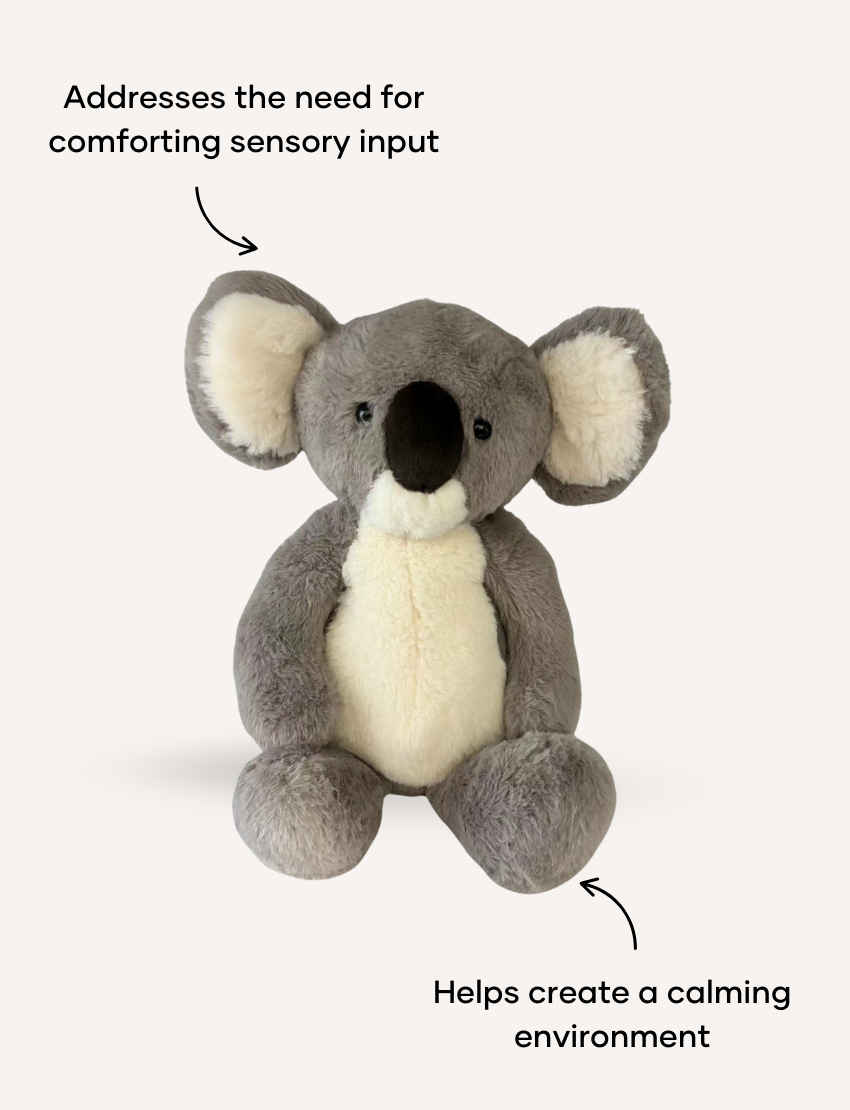
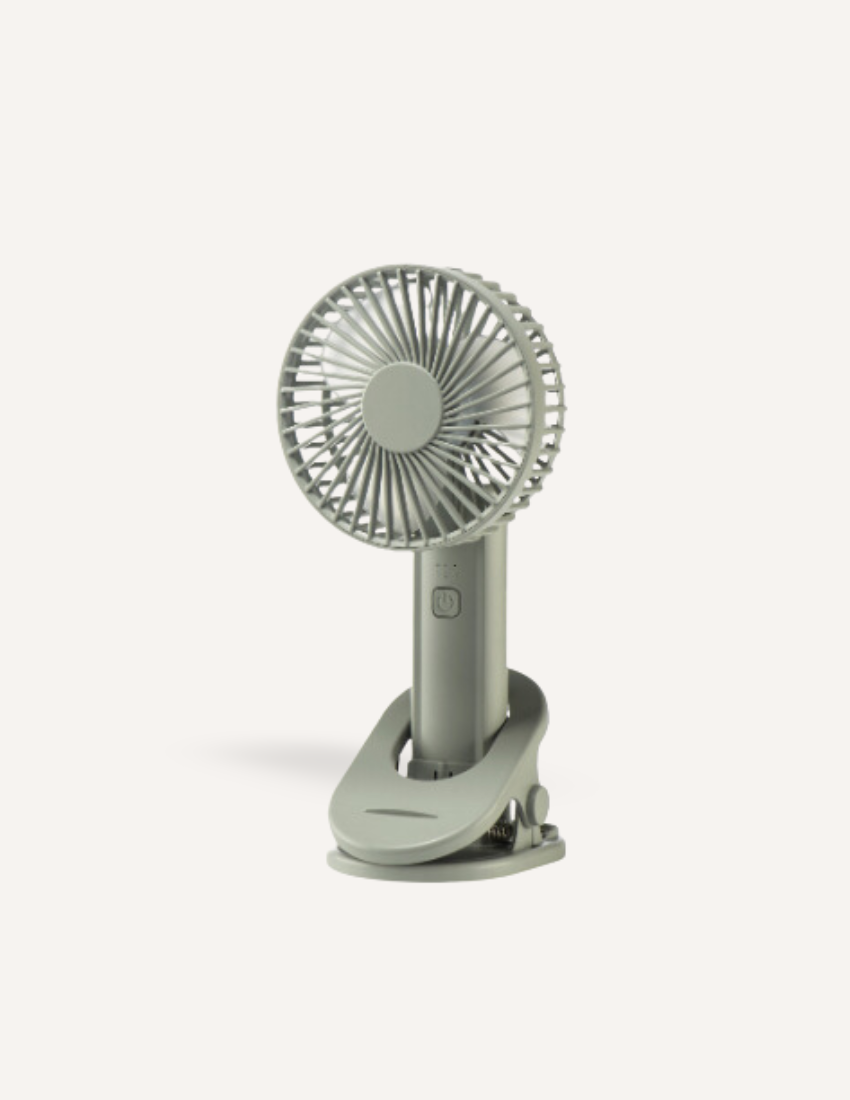
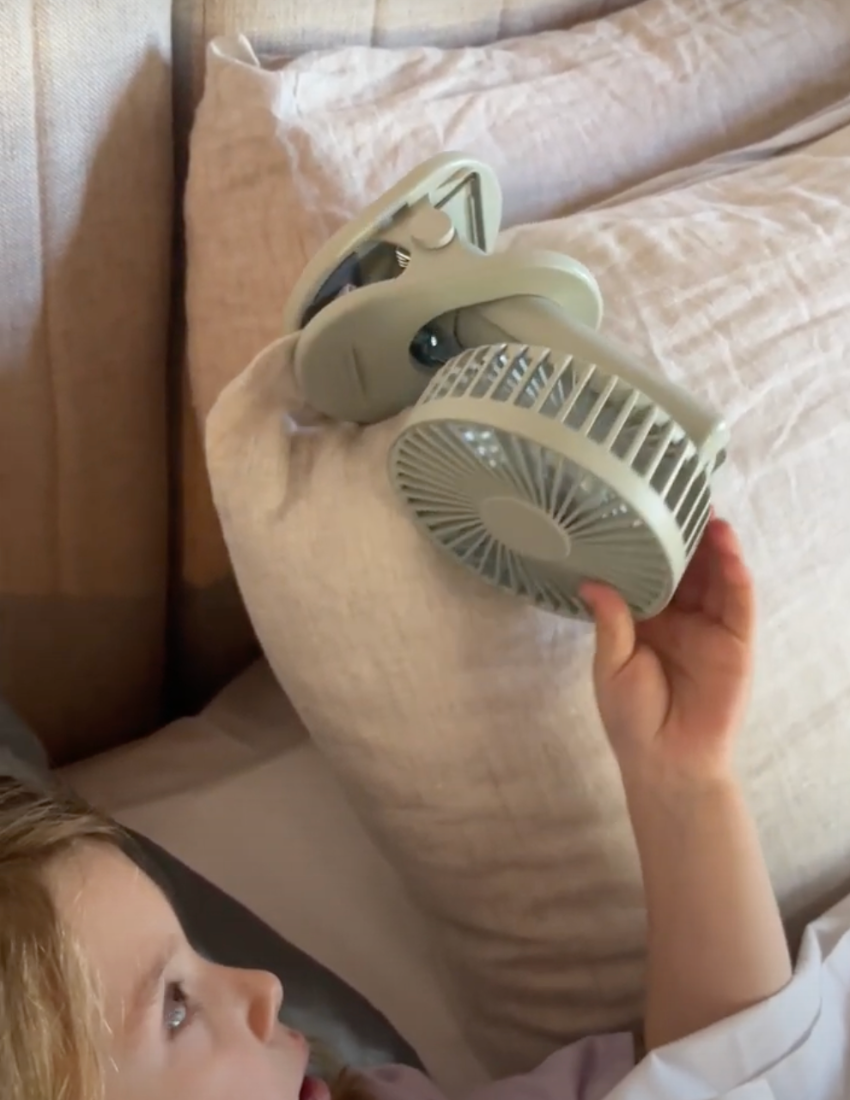
Use sensory regulation tools and strategies. "Encourage children to participate in sensory activities they gravitate towards, such as listening to music or drumming if they like loud sounds," Jasmine suggests. "At the same time, help them reduce or avoid sensory input they find unpleasant, such as offering alternative clothing options if certain fabrics or textures are bothersome."
Questions parents often ask
What are the signs of emotional dysregulation in children?
Look for sudden emotional shifts, outbursts that seem disproportionate, difficulty handling changes or stress, impulsive behaviour, and challenges with relationships or expressing feelings.
How can I help my child manage their emotions better?
The strategies above are all great starting points. Focus on creating routines, teaching coping skills, and modelling calm behaviour yourself.
When do I need to seek professional help for dysregulation?
If dysregulation is frequent, severe, or impacting your child's daily functioning, relationships, or learning, it's a good idea to consult a professional for guidance and support.
Are there specific therapies or treatments for emotional dysregulation?
Yes, therapies like occupational therapy and speech pathology can help, along with behavioural approaches and teaching specific emotional regulation skills. The right approach depends on your child's individual needs.
How can dysregulation affect a child's academic and social life?
Emotional difficulties can interfere with concentration, problem-solving, and relationship-building, which impacts both learning and friendships.
What role do parents play in managing dysregulation?
Parents play a crucial role by providing structure, modelling calm responses, teaching coping strategies, and creating a supportive environment where children feel safe to express and work through their emotions.
Fascinating facts about dysregulation
Here are some interesting things you might not know about dysregulation:
Emotional dysregulation is often linked to differences in brain structures responsible for emotion regulation, such as the amygdala. These differences can affect how emotions are processed and controlled.
Dysregulation can be a common response to trauma or adverse experiences in early life. Children who experience significant stress or trauma may have heightened difficulties with emotional regulation.
Emotional dysregulation can affect cognitive processes like attention and memory, making it harder for individuals to focus in school and absorb new information.
Dysregulation is often seen in conjunction with other conditions such as ADHD, anxiety disorders, and mood disorders. It can be a symptom rather than a standalone issue.
Early intervention and support can significantly improve outcomes for individuals with dysregulation. Techniques like mindfulness and emotion regulation skills are often most effective when introduced early.
Humans are not able to self-reflect when their fight or flight response is turned on. The flight or fight response gets switched on when emotional dysregulation occurs.
The vagus nerve, which connects the brainstem to the rest of the body, can be recalibrated using the physiological breath: two short breaths in, one longer breath out.
For more expert advice on supporting your child's emotional development, check out The Play Way app, where Jasmine, Kate, Aoife and the team share videos and resources on regulation, sensory processing, and building emotional skills.