With Occupational Therapist Jasmine and Speech Pathologist Kate
Starting school is a big milestone, and it's natural to wonder whether your child is ready. But what does "school ready" actually mean? Occupational Therapist Jasmine and Speech Pathologist Kate from The Play Way Team sat down with us to talk through the skills children typically need for school, how to spot if your child might benefit from extra support, and simple ways to build confidence at home.
What skills do schools normally look for?
When it comes to school readiness, there's more to consider than just knowing letters and numbers. Jasmine and Kate walk us through the everyday skills that help children navigate their school day.
"Children need to be able to communicate their needs, such as asking for help," Kate explains. "They also need to follow instructions, which involves listening skills, memory and attention."
Then there are the practical, hands-on tasks. "Think about lunch," Jasmine says. "Unpacking and unwrapping, opening lunch boxes, containers, packets. These seem simple, but they require quite a bit of fine motor skill and coordination."
Toileting is another key area. "Identifying when they need to use the toilet, hygiene when toileting like washing hands, wiping effectively, flushing the toilet, and managing clothing like buttons and zips," Jasmine explains.
Social skills matter too. "Taking turns, sharing and working cooperatively with other children are all important," Kate adds. "Plus organisation skills, like keeping track of personal belongings."
Motor skills, both fine and gross, come into play throughout the school day. "Writing, cutting with scissors, navigating uneven surfaces, walking up and down stairs to the classroom or on and off a bus, playing on the play equipment," Jasmine lists. "All of these require different types of motor control."
And then there's emotional regulation. "Managing emotions, dealing with frustrations, handling transitions," Kate says. "These are really important for children to feel confident and settled at school."
Where do communication skills typically sit before school?
By the time a child starts school, they can typically follow a range of instructions, including some longer or more complex ones. "They might understand some time-related words like 'before', 'now' and 'later', but may have difficulties understanding length of time, like how long a month or year is," Kate explains.
Children at this age usually use a wide variety of words and start thinking about the meaning of words when learning. They can take turns in increasingly longer conversations and tell short, simple stories with a beginning, middle and end.
"They use well-formed sentences, including linking words like 'and', 'but' and 'because' to make sentences longer," Kate says. "They might use some words to express basic emotions like 'happy', 'sad', 'angry' or 'surprised', and they ask lots of questions."
Most children starting school know some numbers and colours, and understand 'why' and 'how' questions. "They start to make predictions about stories being read to them, like 'what do you think might happen next?'" Kate adds.
While they mostly use past and future verbs correctly (went and will go), they may still make some mistakes sometimes, like saying "I goed". "They use most speech sounds correctly but still may have difficulties with r, l and th," Kate notes. "They're understood by family, friends and unfamiliar listeners most, if not all, of the time."
Kate emphasises an important point. "However, every child is different and will develop at their own pace. The most important thing is that a child is able to communicate their needs, including asking for help, in a way that is able to be interpreted by the listener, such as their teacher, whether that is using speech, pictures, signs, or a dedicated device."
What about reading and writing skills?
Reading and writing is something that most children learn in their first year of school, but there are some foundational skills that can help give them a really good start.
"If children are able to hold a book the right way up, turn pages, and understand that written print is different to pictures and holds meaning, that's a great foundation," Kate says.
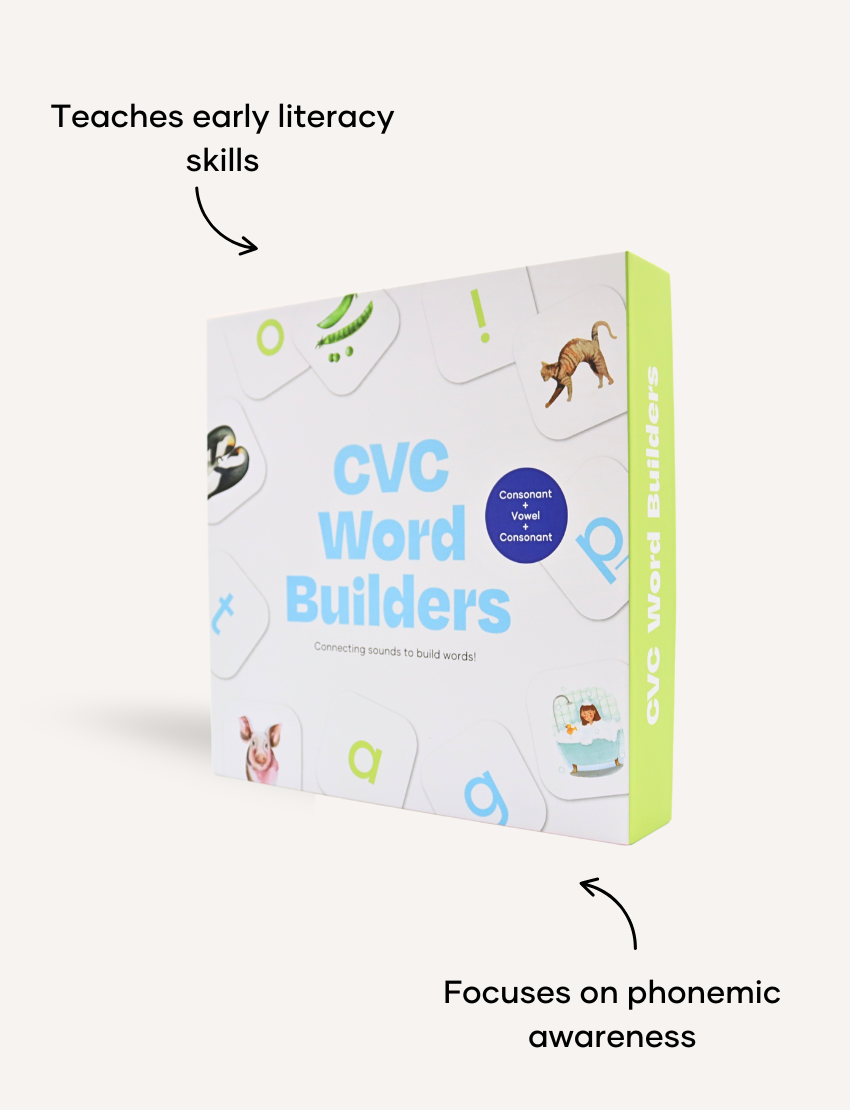
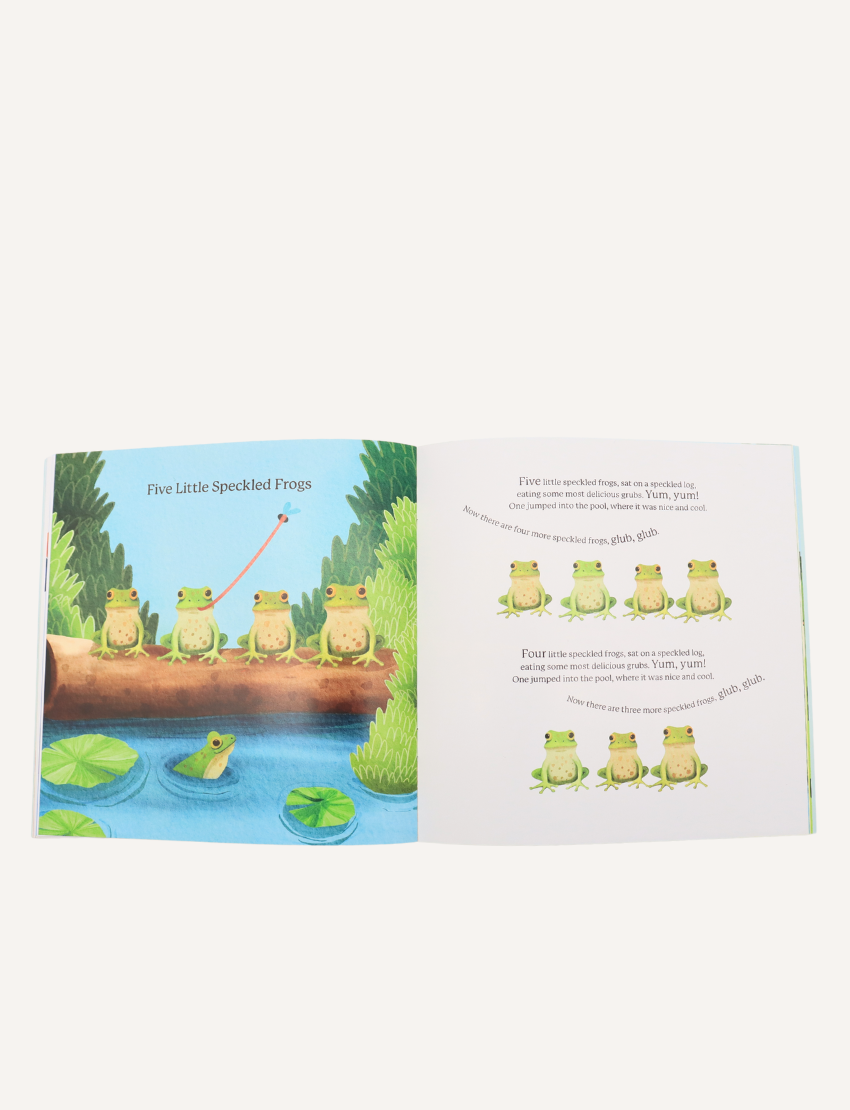
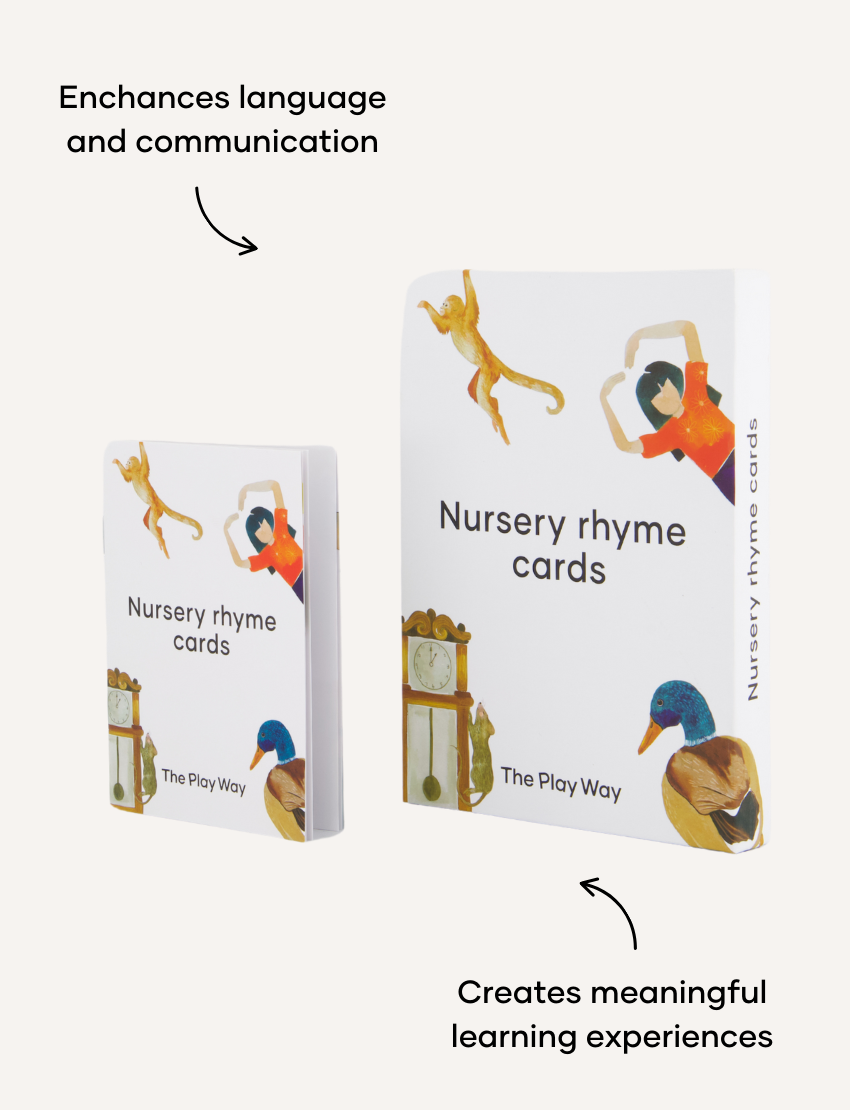
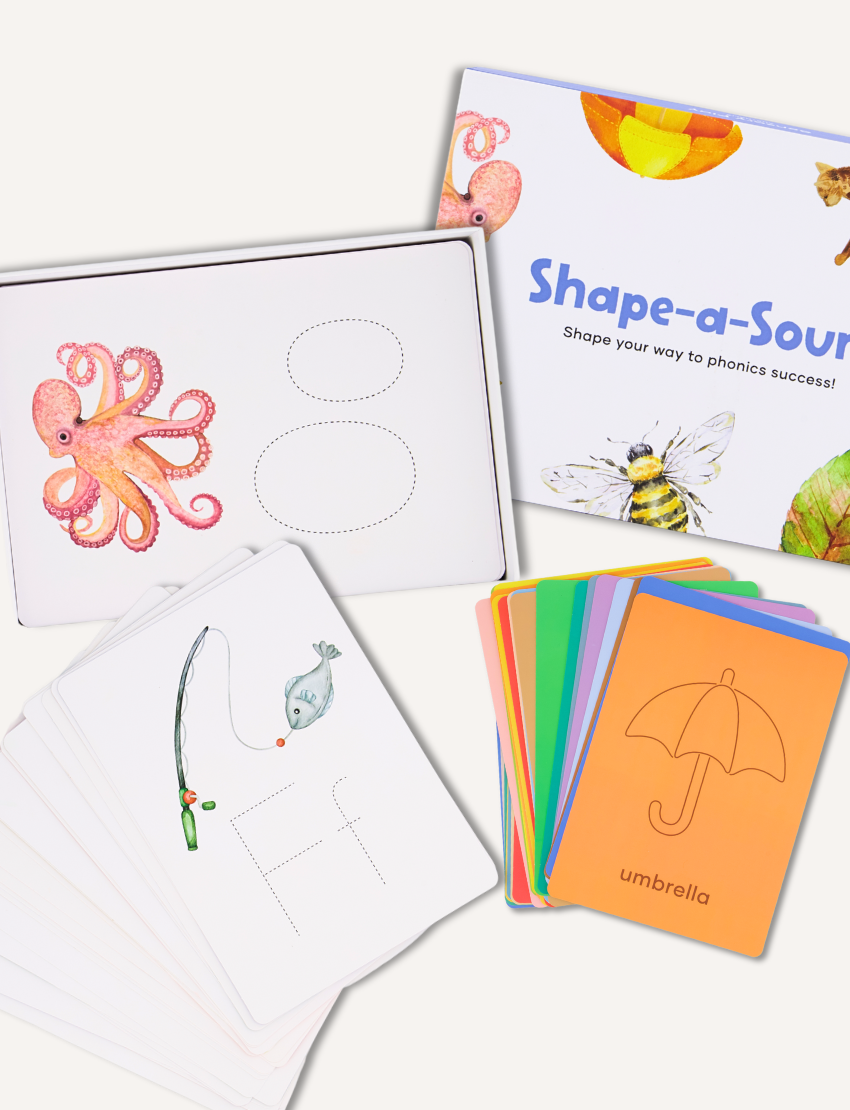
Other helpful skills include naming a few letters and letter sounds, recognising and writing their name, recognising spoken words with the same beginning sound, and recognising and naming rhyming words.
"Breaking long words into syllables or beats, like di-no-saur, is another useful skill," Kate adds. "And engaging in shared book reading with an adult is one of the best things children can do to prepare for school."
Where do motor skills typically sit before school?
Jasmine notes that while there are typical developmental milestones for motor skills at this age, it's important to remember that these are averages. "Some children may just take a little longer, and it doesn't necessarily mean there are delays," she says.
The motor skills list schools typically look for includes things like holding a pencil with a functional grip, using scissors to cut along lines, managing buttons and zips on clothing, and navigating stairs safely. Gross motor skills like running, jumping, hopping, and playing on playground equipment are also important for school participation.
Signs your child might benefit from extra support
For parents wondering whether their child might need some extra help before school starts, Kate and Jasmine offer some signs to watch for.
"If a child is having difficulties expressing themselves, such as using only a small number of different words, using lots of vague words like 'things', 'stuff', 'that', 'this', or not using words in sentences, that's something to look into," Kate says.
If a child is not able to be clearly understood by people outside of their family, that's another indicator. "If a child is still experiencing incontinence or dependent on nappies, or if they have considerable challenges with emotional regulation, including co-regulation, these are areas where support might help," Jasmine adds.
Other signs include considerable challenges with following instructions or learning new concepts, challenges with attention and staying focused, and challenges with social interactions like turn-taking and sharing.
The "catch-up" myth
One of the biggest misconceptions Kate hears is that a child will simply catch up once they start school.
"If you have concerns about a child's communication, it's best to address this as early as possible by seeking support from a speech pathologist," Kate says. "The language demands of a classroom are typically greater than what a child has previously experienced and they are expected to learn new skills quite quickly. It's therefore important that the child enters school with those foundational language skills necessary to achieve their best possible academic outcomes, or they may fall further behind."
Simple strategies to build school readiness skills
The good news is there are plenty of play-based ways to build these skills at home.
For motor skills, Jasmine suggests engaging in big movement, play-based activities that promote balance, bilateral integration, core strength, and upper body strength. "Think hopscotch, balancing on one line, throwing and catching balls, playing on play equipment, Simon says. These are all fun ways to build the skills children need for school."
For communication, Kate recommends books as a great option for building language. "They introduce children to a wide range of different words, sentence types, and stories. Define new words when reading and relate them to something the child already knows. For example, 'cranky means that he was grumpy or angry, you were cranky this morning when your brother took your train.'"
Kate also suggests asking the child questions about the story, or retelling the story together using toys or props. "When playing together, talk about what the child is doing, introducing lots of new words, and expand on what they say by adding more words or new information. If the child says 'the dog is walking', you could say 'the brown dog is walking quickly' or 'yes, the dog is walking to the park.'"
For reading, engage in shared book reading and point out aspects of print. "Highlight letter sounds, like 'Boom starts with the letter B that makes a /b/ sound', words that rhyme like 'cat and hat are rhyming words', or words that have the same first sound, like 'Jingle Jangle Jungle, those words all start with the /j/ sound!'" Kate suggests.
For writing, Jasmine recommends play-based fine motor activities. "Painting, play dough, using stickers, playing with chalk, building blocks. These all build the hand strength and control needed for writing. You can also encourage the child to trace or copy letters or their name."
The bottom line
Starting school is a big step, and every child gets there in their own time and their own way. If you have concerns about whether your child is ready, reaching out to a speech pathologist or occupational therapist for guidance can help you feel more confident and give your child the support they need to thrive.
For play-based activities to boost school readiness and support child development, check out The Play Way app or our Ready for School Program, where we share videos and resources on building skills for school and beyond.