With Speech Pathologist Aoife
Every parent has been there: the sudden meltdown over a seemingly minor issue, the struggle to transition from one activity to another, or the difficulty calming down after an upset. But how do you know if your child's emotional responses are typical, or if they might need extra support? Speech Pathologist Aoife from The Play Way Team sat down with us to explore emotional regulation, what it looks like in everyday life, and practical ways to help children navigate their feelings.
What is emotional regulation?
"Emotional regulation is the way we recognise, understand, and manage emotions in a healthy way," Aoife explains. It's not about suppressing feelings or never getting upset. Rather, it's about developing the skills to work through emotions in ways that feel manageable.
When a child struggles with emotional regulation, they might find it difficult to recognise what they're feeling, understand what their body is telling them, or identify what they need to do to feel calm again. This is called emotional dysregulation.
"Emotional regulation is a fundamental aspect of emotional intelligence," Aoife says. "It's crucial for mental health and wellbeing, and it touches everything from how children handle stress and anxiety to how they build relationships and navigate learning."
The process involves various parts of the brain working together, including the prefrontal cortex (which helps with decision-making and impulse control) and the amygdala (which processes emotional responses). When children can manage their emotions effectively, they're better able to respond thoughtfully to situations rather than react impulsively. This makes a real difference in their ability to focus, stay motivated, and work through challenges, particularly in learning environments.
Emotional regulation can affect people of all ages, but it develops gradually throughout childhood. The journey begins in infancy when babies start to learn self-soothing techniques like sucking their thumb or cuddling a favourite toy. As language skills and emotional awareness develop, children gain more tools to understand and manage their feelings. The onset of emotional regulation challenges can be sudden or gradual, and the way they show up can vary significantly from child to child.
How emotional regulation challenges show up in everyday life
For parents wondering whether what they're seeing at home is typical, Aoife offers some insight into common signs that a child might be finding emotional regulation tricky.
Frequent outbursts over small issues, like regular tantrums or crying when things don't go as expected, can indicate difficulty managing emotions. Some children act impulsively, interrupting others or making quick decisions without thinking things through. Rapid mood swings, where a child goes from very happy to very upset in moments, can also be a sign.
"Trouble settling down after being upset is another thing to watch for," Aoife says. "If a child stays distressed for prolonged periods and can't seem to find their way back to calm, that can show they're struggling with emotional control."
Other signs include overreacting to everyday challenges or minor frustrations, having difficulty maintaining positive relationships with peers or adults, or withdrawing from activities due to fear of feeling overwhelmed.
Separating fact from fiction
There are quite a few misconceptions about emotional regulation, and Aoife is keen to clear them up.
It's not just about controlling emotions. "Many people think emotional regulation is about suppressing or controlling emotions, but it's actually more about understanding and managing them in a healthy way, not hiding them," Aoife explains.
It's not only for children with behavioural difficulties. Emotional regulation challenges aren't exclusive to children who display behaviours of concern. Even children who don't have these difficulties might struggle with regulating their emotions. When behaviours of concern do arise, they often happen because a child has difficulty recognising their emotions, expressing what their body needs, or identifying ways to restore calm.
It doesn't mean never getting upset. "Emotional regulation isn't about never experiencing strong emotions," Aoife says. "It's about managing how those emotions affect behaviour and decisions."
It's not a reflection on your parenting. Struggles with emotional regulation don't mean you're not doing a good job as a parent. It's a normal part of development, and learning how to support your child through it is simply part of the parenting journey.
It's not all about discipline. Emotional regulation isn't just about discipline or punishment. It's about teaching and guiding your child to understand and manage their feelings in a positive way.
Practical strategies to support your child
If you're noticing that your child is finding emotional regulation challenging, Aoife has some straightforward strategies to try at home.
Model calm behaviour. Children learn by watching the adults around them. This is known as co-regulation, and children depend on it until they're old enough to self-regulate. "Show your child how to stay calm by managing your own emotions," Aoife suggests.
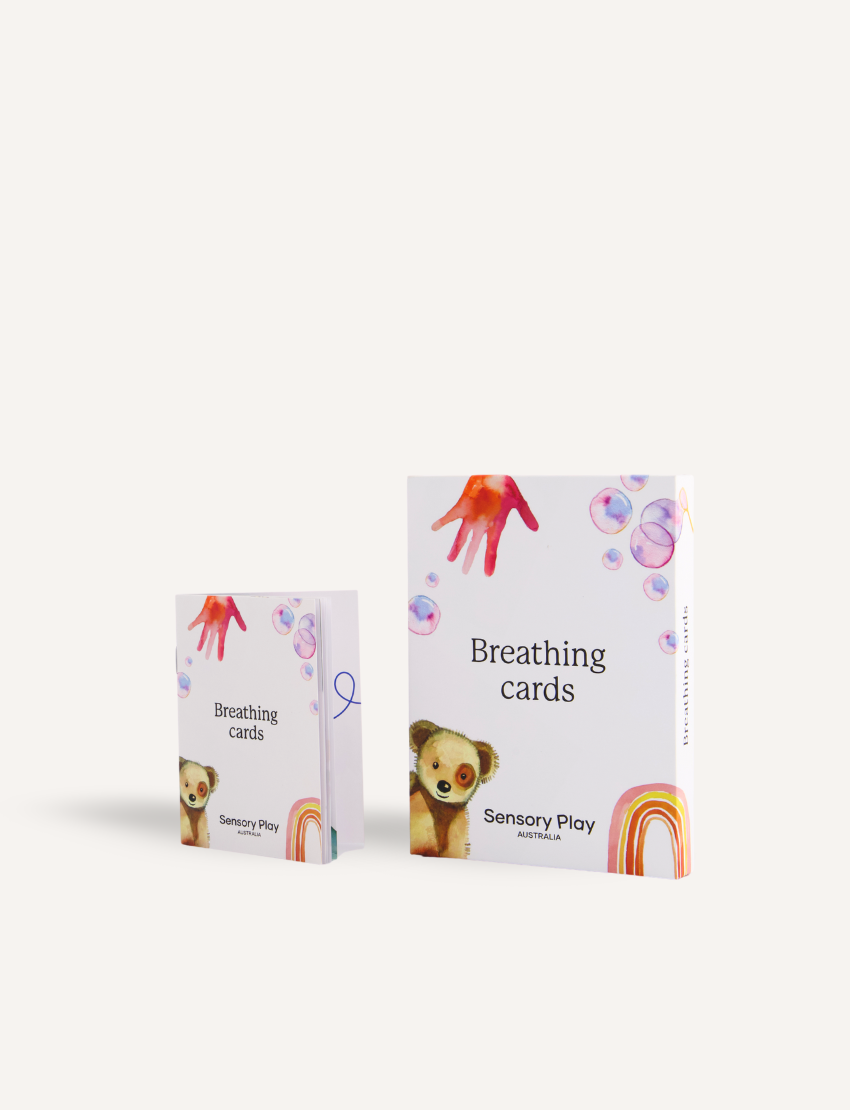
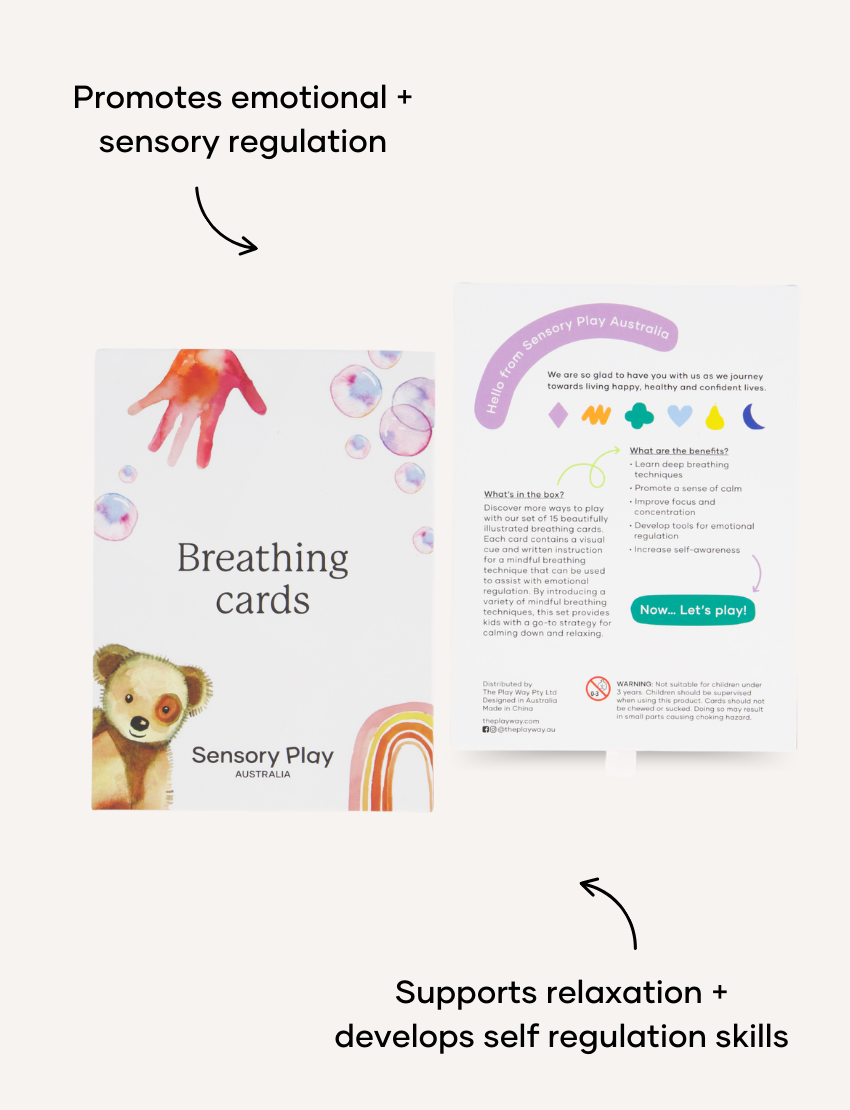
Use deep breathing. Teach your child to take slow, deep breaths when they're upset. You can practise together with exercises like breathing in for four counts, holding for four counts, and breathing out for four counts.
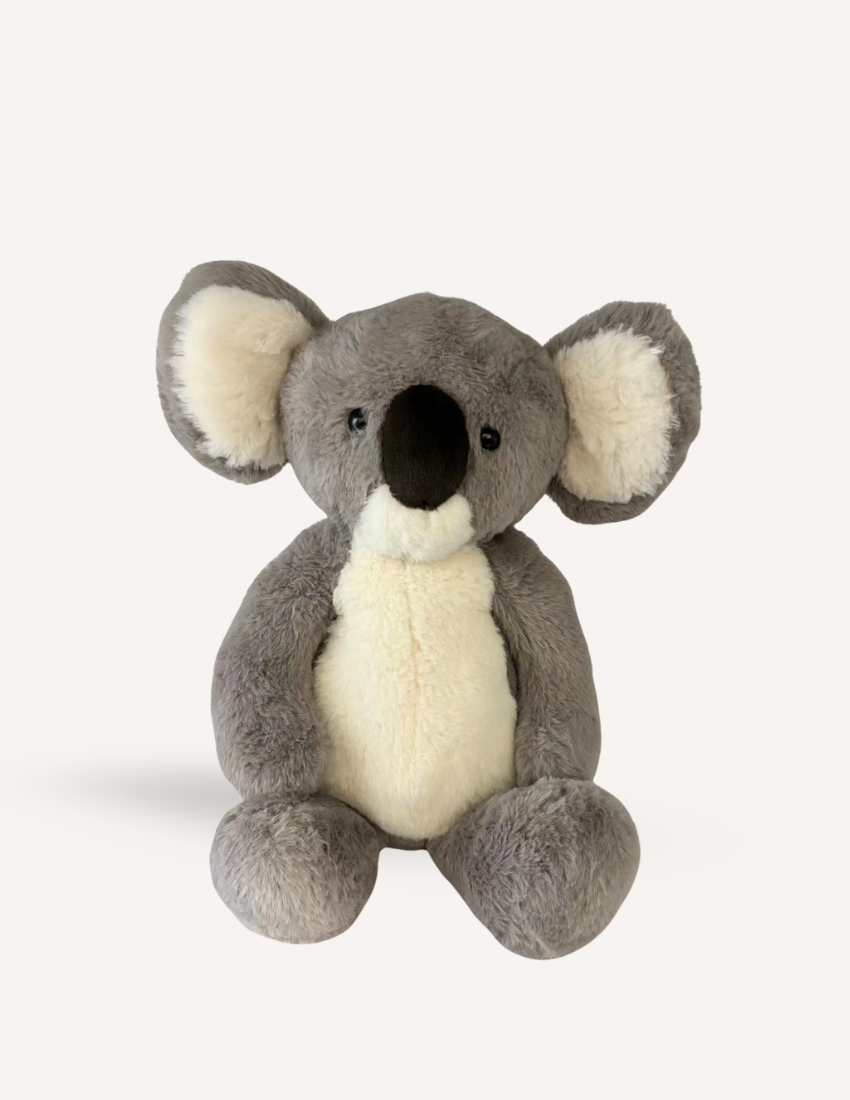
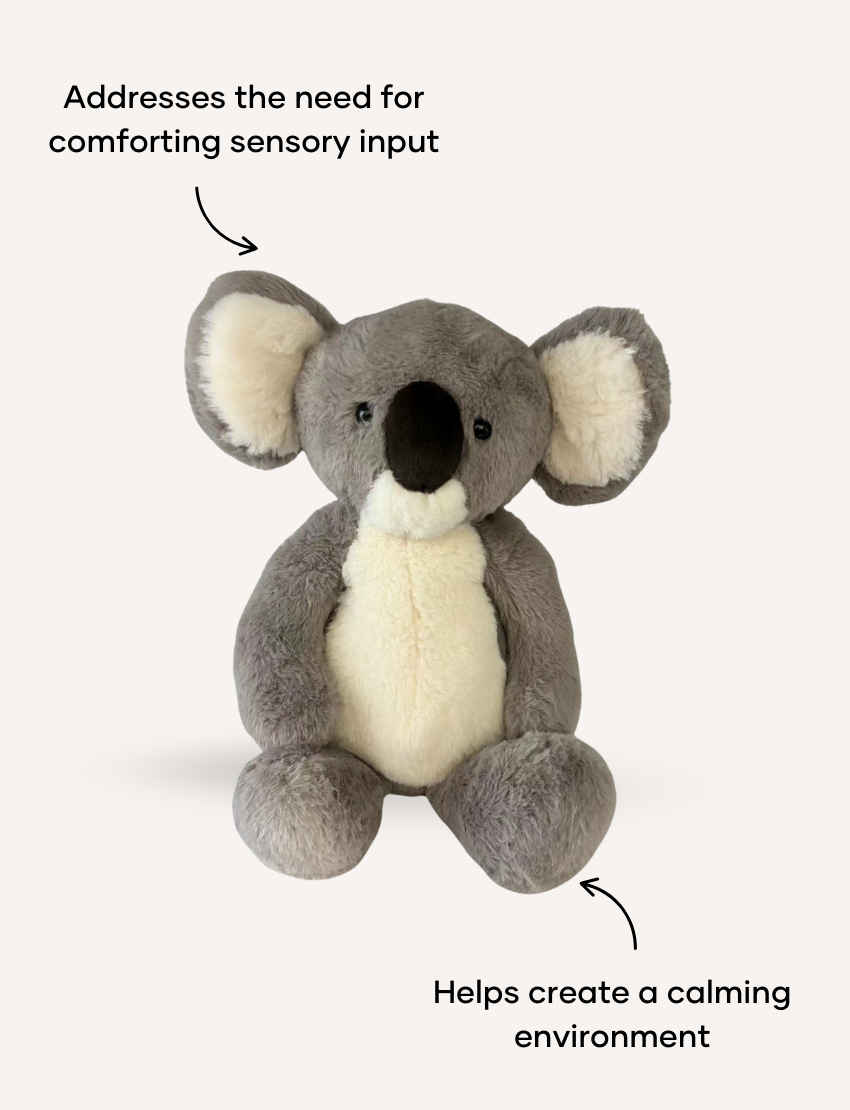
Create a calm-down space. Set up a special area where your child can go to relax when they're feeling overwhelmed. It could include soft pillows, calming toys, music, or a favourite book.
Help them identify feelings. "The first step in self-regulation is recognising physical sensations, then linking them to emotions, and finally being able to communicate those feelings to others," Aoife explains. If you notice your child starts jumping before they get excited, you might say, "I wonder how your body feels when you start jumping around?"
Establish routines. Consistent daily routines provide a sense of stability and predictability, which helps children feel more secure and better manage their emotions.
Practise problem-solving. Help your child think through solutions to problems or conflicts they're facing. This empowers them to handle situations more calmly and effectively.
Offer praise and encouragement. Reinforce your child's attempts to manage their emotions, even if they're not always successful. Positive reinforcement encourages continued efforts and progress.
Teach self-talk. Encourage your child to use positive phrases like "I can handle this" when they're feeling overwhelmed. This helps build their internal coping skills.
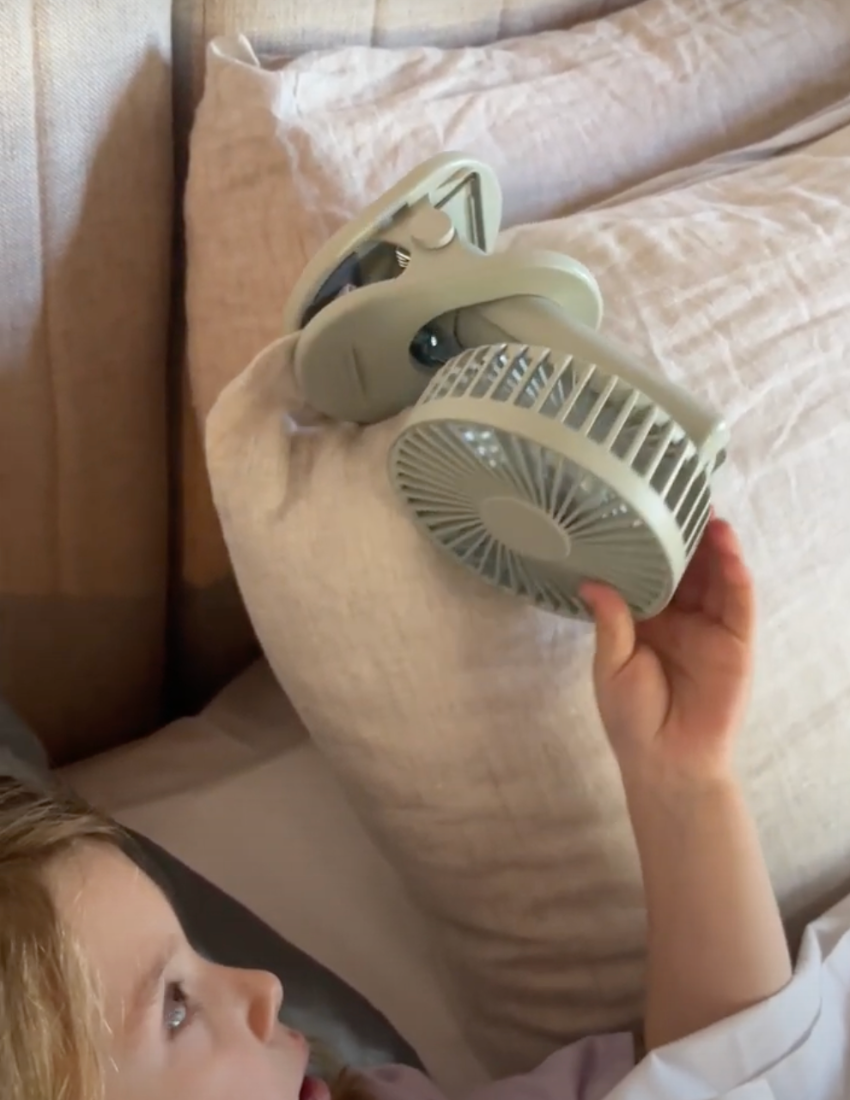
Identify sensory-based strategies that support the nervous system. Children have unique sensory preferences that influence their daily experiences and ability to regulate emotions. Some children are sensory seekers, needing more input to feel sensations, while others are sensory avoiders, reacting strongly to even small amounts of input.
"A child's sensory profile can vary across different types of input, with some seeking certain sensations and avoiding others," Aoife says. "It's important to support children to engage in sensory-based activities that they seek, and support them to reduce the input from sensory sensations that they dislike. This balance helps their body process sensory input and regulate emotions."
A real-world example
Aoife shares a story from her colleague Jas, an Occupational Therapist at The Play Way, who supported a non-speaking participant experiencing difficulties with emotional regulation and subsequent behaviours of concern.
"Jas completed a sensory profile assessment which allowed her to identify the types of sensory input this person sought and avoided," Aoife explains. "Based on this information and additional observations, she identified that this person enjoyed tactile and proprioceptive input. She encouraged the participant's support workers to engage them in messy play like sand and painting, and to provide hand massages with moisturiser. When the participant's nervous system was supported with these sensory experiences, their behaviours of concern drastically decreased."
Questions parents often ask
How can I tell if my child's emotional reactions are typical or a sign of a bigger concern?
"It's typical for children to have strong emotions," Aoife says, "but if reactions are intense, frequent, or interfere with daily life, it might be worth discussing with a professional to determine if additional support is needed."
How can I help my child learn to calm down when they're upset?
Encourage them to use calming techniques like deep breathing or listening to soothing music. Consistently practising these techniques can help them learn to manage their emotions better over time.
Is there a way to prevent emotional outbursts before they happen?
Identifying and addressing triggers can help. Establishing routines and teaching coping skills can also reduce the likelihood of outbursts.
What role does my behaviour play in my child's emotional regulation?
"Children often mimic their parents' behaviour," Aoife explains. "By managing your own emotions calmly and constructively, you provide a model for your child to follow."
When do I need to seek professional help?
If emotional challenges are frequent, severe, or impacting your child's daily functioning or relationships, it's a good idea to consult a professional for guidance and support.
How can I balance supporting my child's emotional needs while also setting appropriate boundaries?
"Be supportive and empathetic, but also clear and consistent with your boundaries," Aoife advises. "It's important to validate their feelings while maintaining structure and expectations."
Fascinating facts about emotional regulation
Here are some interesting things you might not know about emotional regulation:
Up to 80% of our emotional experiences are tied to our bodily states and how we perceive them. People are constantly self-regulating their emotions in response to how their body feels. If you've ever observed a classroom or meeting, you'll notice that no one sits perfectly still. Some people may twirl a pen, cross their legs, fidget with jewellery, or chew gum. These small actions are forms of emotional regulation, helping individuals manage their physical sensations to maintain focus and concentration.
Sleep plays a crucial role in emotional regulation. Poor sleep can make it harder for both children and adults to manage their emotions and can increase irritability and stress.
What we eat can impact emotional regulation. Diets high in sugar and processed foods can affect mood stability, while balanced diets with whole foods support better emotional health.
Play is an important way for children to practise emotional regulation. Through play, children learn to manage frustration, share, and understand different emotions.
Mirror neurons in the brain help us empathise with others and can influence our emotional responses. When a parent models calmness and effective emotional management, it can help the child learn these skills more effectively.
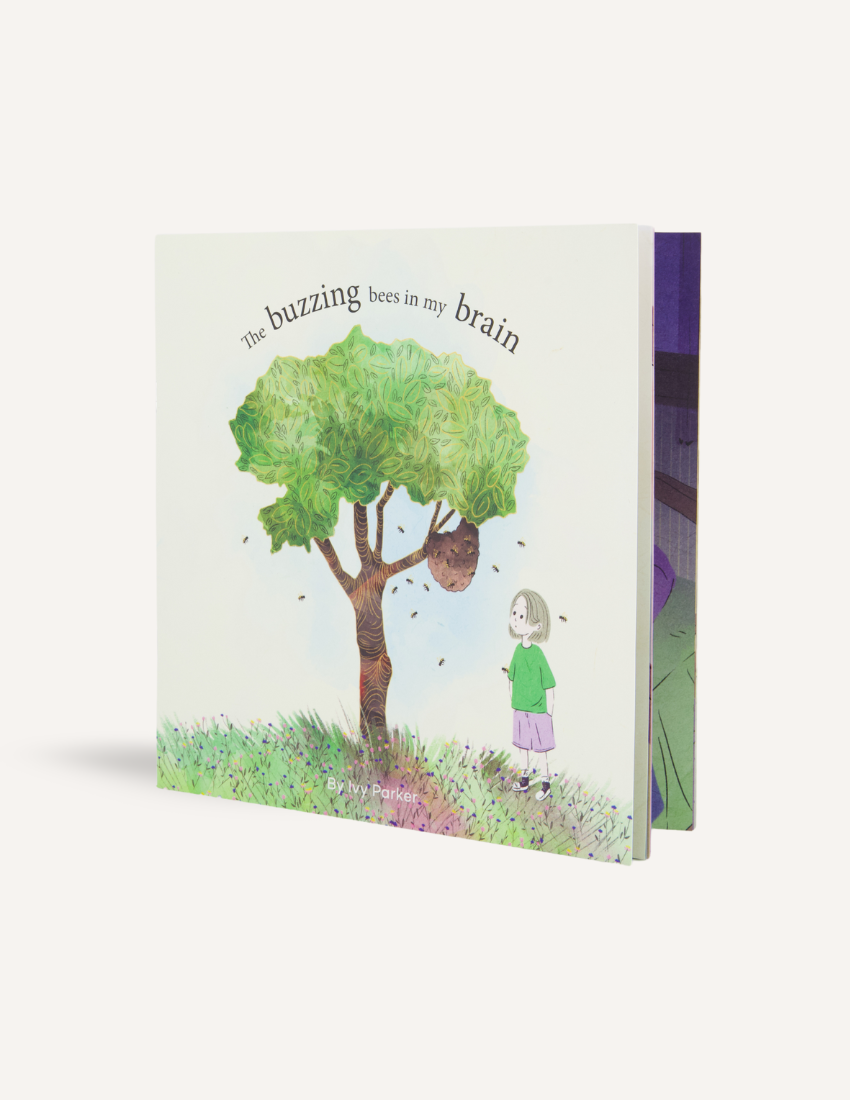
For more expert advice on supporting your child's emotional development, check out The Play Way app, where Aoife and the team share videos and resources on emotional regulation and other developmental topics.