

Find out what your child needs most right now. Answer 6 quick questions and get a free personalised play plan. The one area where your child is most ready to grow, and the specific Hub programs to match.
Visual Schedules
Sensory Play Australia
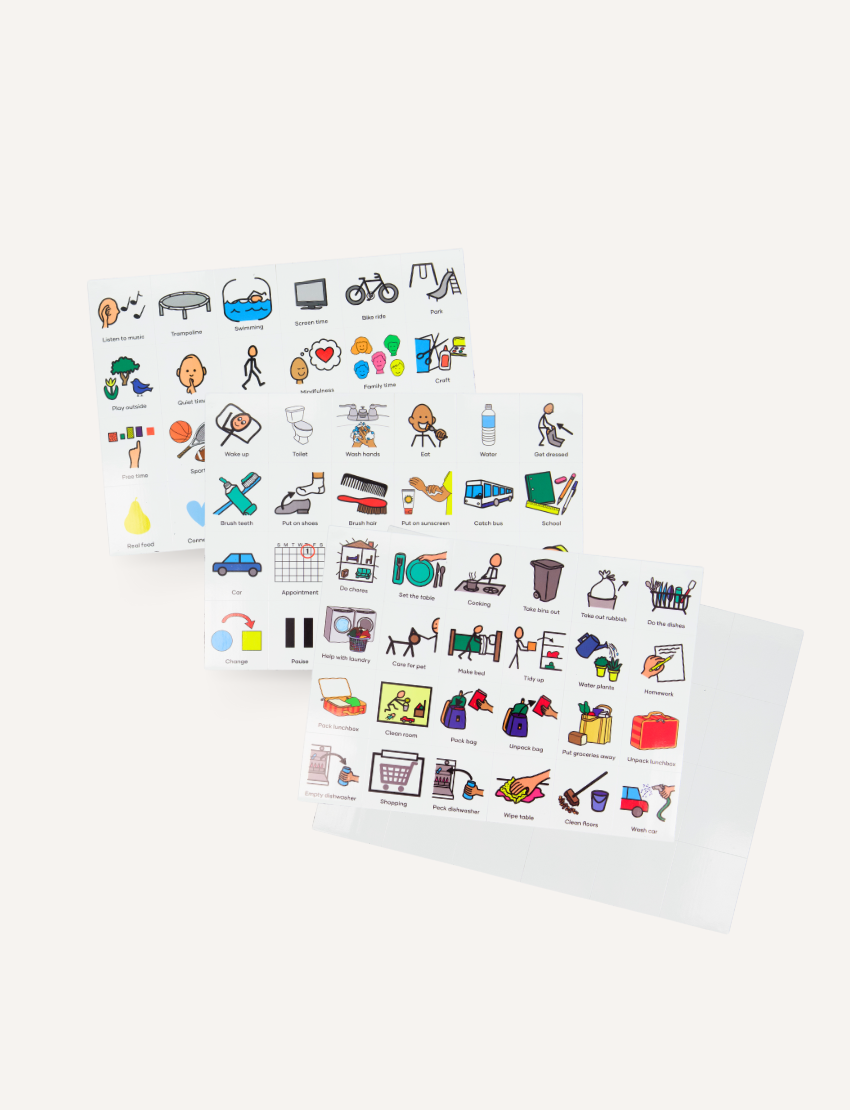
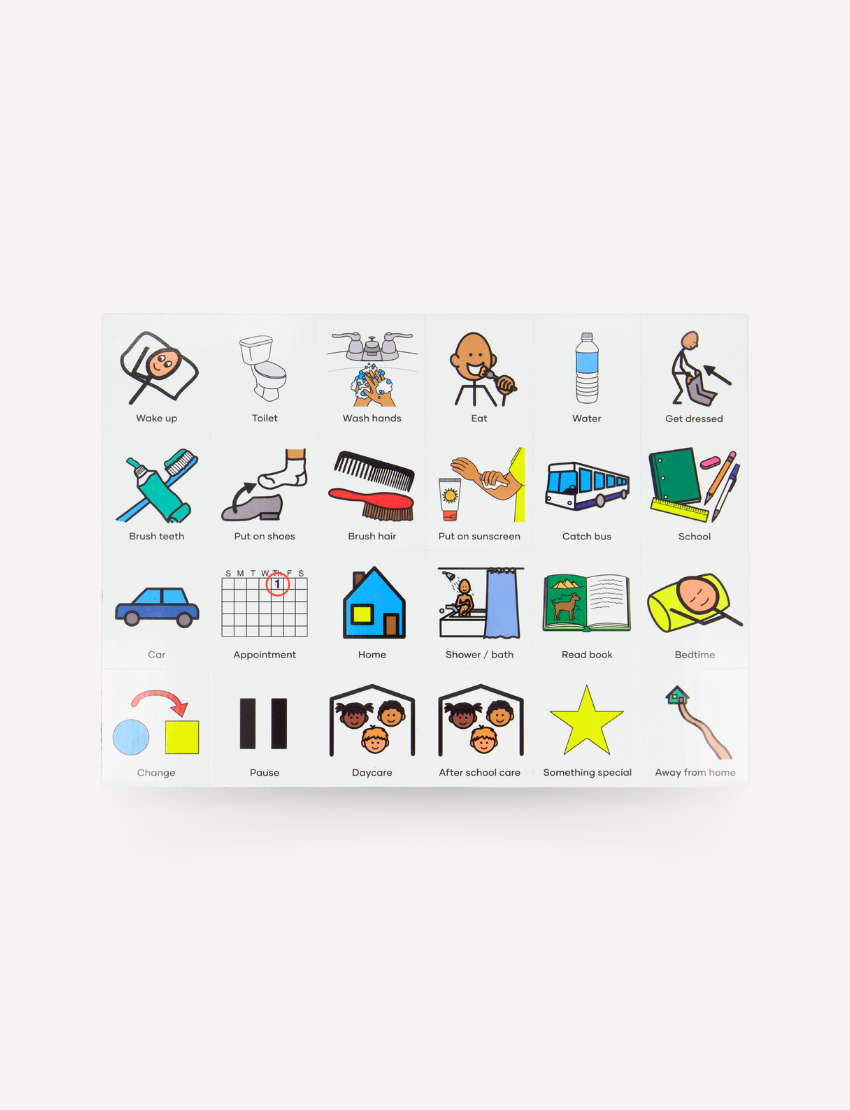
Everyday Routines Magnet Set
Regular price
$8.50
Sale price
$8.50
Regular price
$17.00
Unit price


Sensory Play Australia
Routines Buddy
Regular price
$54.50
Sale price
$54.50
Regular price
$109.00
Unit price


Sensory Play Australia
Self-Care Buddy Magnetic Planner Set
Regular price
$39.50
Sale price
$39.50
Regular price
$79.00
Unit price

Sensory Play Australia
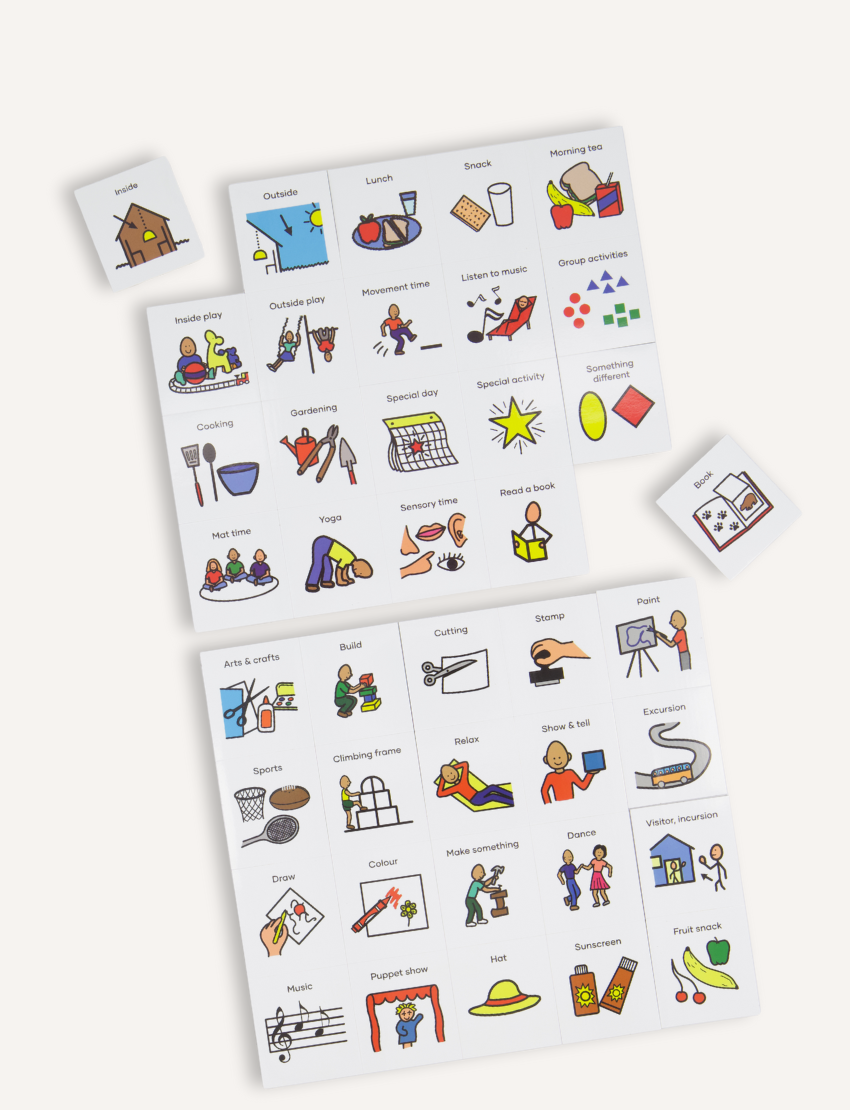
Kinder Routine Magnet Set
Regular price
$8.50
Sale price
$8.50
Regular price
$17.00
Unit price


Sensory Play Australia
Sleep Buddy
Regular price
$64.50
Sale price
$64.50
Regular price
$129.00
Unit price


Sensory Play Australia
School Routine Magnet Set
Regular price
$16.00
Sale price
$16.00
Regular price
$32.00
Unit price
Sort by
- Featured
- Most relevant
- Best selling
- Alphabetically, A-Z
- Alphabetically, Z-A
- Price, low to high
- Price, high to low
- Date, old to new
- Date, new to old
Recently Viewed Products
Ask a Therapist about your child
Want to be able to message a therapist and get some guidance when you're stuck or unsure what to try next?
The Play Way's Ask a Therapist is now available.
Tell us what's going on, what you've already tried, and where you feel stuck. Our therapy team read, watch or listen to what you've described, consider what they would try next, why, and recommend any relevant resources from our Hub that might help, and reply to you within one business day.
Visual Schedules
Frequently asked questions
What is a visual schedule?
A visual schedule is a picture version of a routine. Instead of telling a child the order of the morning, you show it: get dressed, eat breakfast, brush teeth, shoes on. Most of ours are magnets, so the order can change as the day changes.
What age are visual schedules for?
Roughly two and up. A toddler does best with three or four pictures for one part of the day. A school-aged child can handle a full morning, a whole week, or a planner they move themselves. Start with fewer pictures than you think, and add more later.
How do you use a visual schedule at home?
Put it where the routine actually happens, so the morning one goes in the kitchen or the bathroom rather than the bedroom. Or even better, we make ours portable with a magnetic board that moves around with them as they go about their routine. Build it with your child rather than for them. Then point at it instead of repeating yourself, and let them move the magnet when a step is done.
Are visual schedules only for autistic children?
No. They started in classrooms and therapy rooms, and plenty of families now use them who simply want a calmer morning, or evening, at home. If your child is autistic you may have already seen one at kinder or school, and having the same thing at home means the two places match.
What is the difference between a visual schedule and a routine chart?
Not all that much. Visual schedule, routine chart, routine board and visual planner all describe a similar thing. The names come from different places. Schools tend to say visual schedule, and families tend to say routine chart. The key is that it’s pictures and not words so that younger children, and children with developmental delays are able to access and use them.

