As parents, we're always seeking ways to better understand our children and support their growth. One area that often holds a bit of mystery is proprioception – that "hidden sense" that plays a huge role in how our kids experience the world. Let's shine a light on proprioception with the help of Jasmine from The Play Way. She's here to help us understand what it is, how it affects our children, and how we can nurture this vital sense.
What is Proprioception? Your Child's Internal Compass
"Think of proprioception as your child's internal GPS," explains Jasmine. "It's the sense that allows them to know where their body is in space, even with their eyes closed." This amazing ability comes from special receptors in their muscles and joints that are constantly sending information to their brain about their body's position and movement. Proprioception is the secret ingredient behind smooth movements, good balance, and feeling comfortable in their own skin.
To help us grasp this concept, Jasmine paints a picture: "Imagine your child wearing a backpack so big they sometimes forget it's there. They might bump into things because they're not fully aware of the extra space they're taking up. That's similar to how some children with proprioceptive challenges experience their bodies."
Spotting the Signs: Is My Child Struggling with Proprioception?
Every child develops at their own pace, but there are some clues that might indicate your little one is having some difficulties with proprioception. Jasmine suggests keeping an eye out for things like:
-
Clumsiness or coordination difficulties: Do they seem to bump into things often, trip easily, or struggle with activities that require coordination, like riding a bike or catching a ball?
-
Poor posture: Do they slouch or have trouble sitting up straight?
-
Difficulties with force modulation: Do they grip objects too tightly or too loosely? Do they have a heavy hand when drawing or playing, or do they often drop things?
If you notice any of these signs, it could be a signal that your child's proprioceptive sense needs a little extra support.
Beyond the Physical: The Mind-Body Connection
Proprioception isn't just about the physical. "It's also about how the brain interprets and responds to the signals it receives from the body," Jasmine explains. This means that proprioception can affect things like your child's emotional regulation, attention, and even their ability to focus.
Nurturing Proprioception: Fun Activities for Little Explorers
The good news is that there are lots of fun and simple ways to help your child develop their proprioception! Jasmine recommends incorporating "heavy work" activities into their playtime. "These are activities that involve lifting, pushing, pulling, or carrying," she says. Think:
-
Animal walks: Crawling like a bear, hopping like a frog, or stomping like an elephant.
-
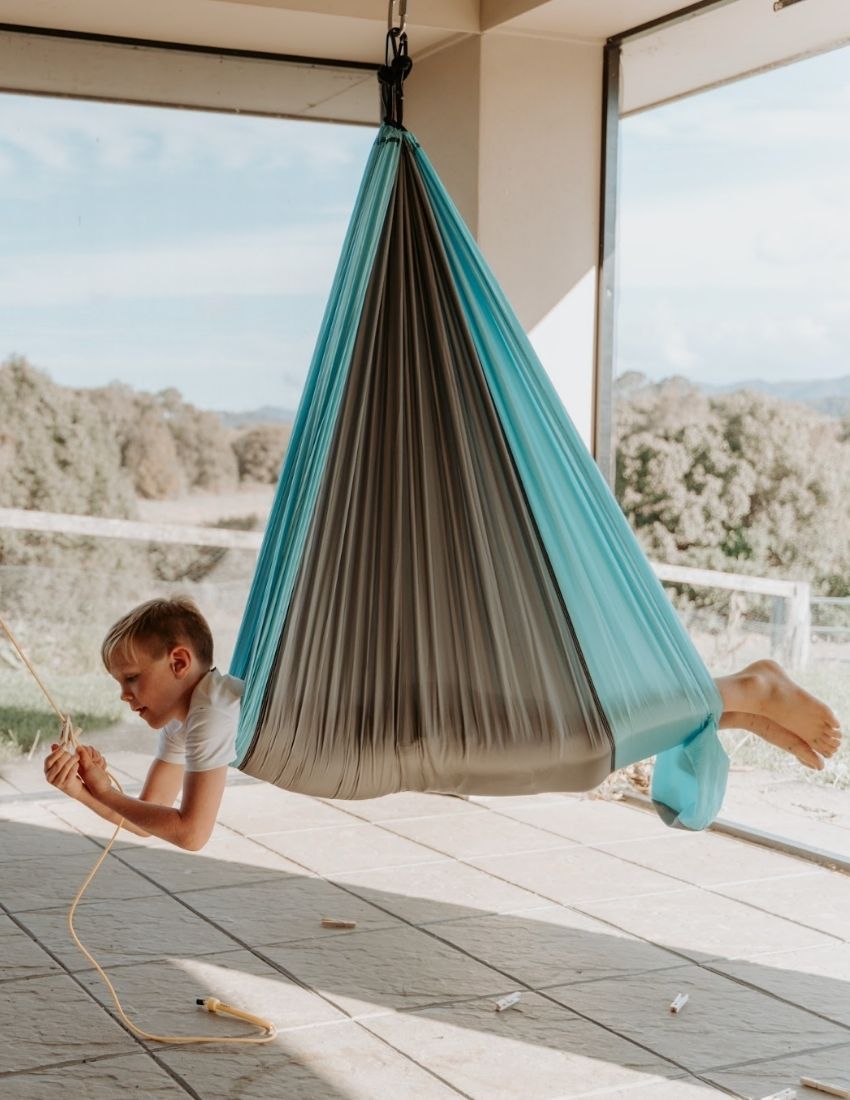
Playground adventures: Climbing, swinging, and sliding.
-
Household chores: Helping carry groceries, pushing a laundry basket, or pulling weeds in the garden.
-
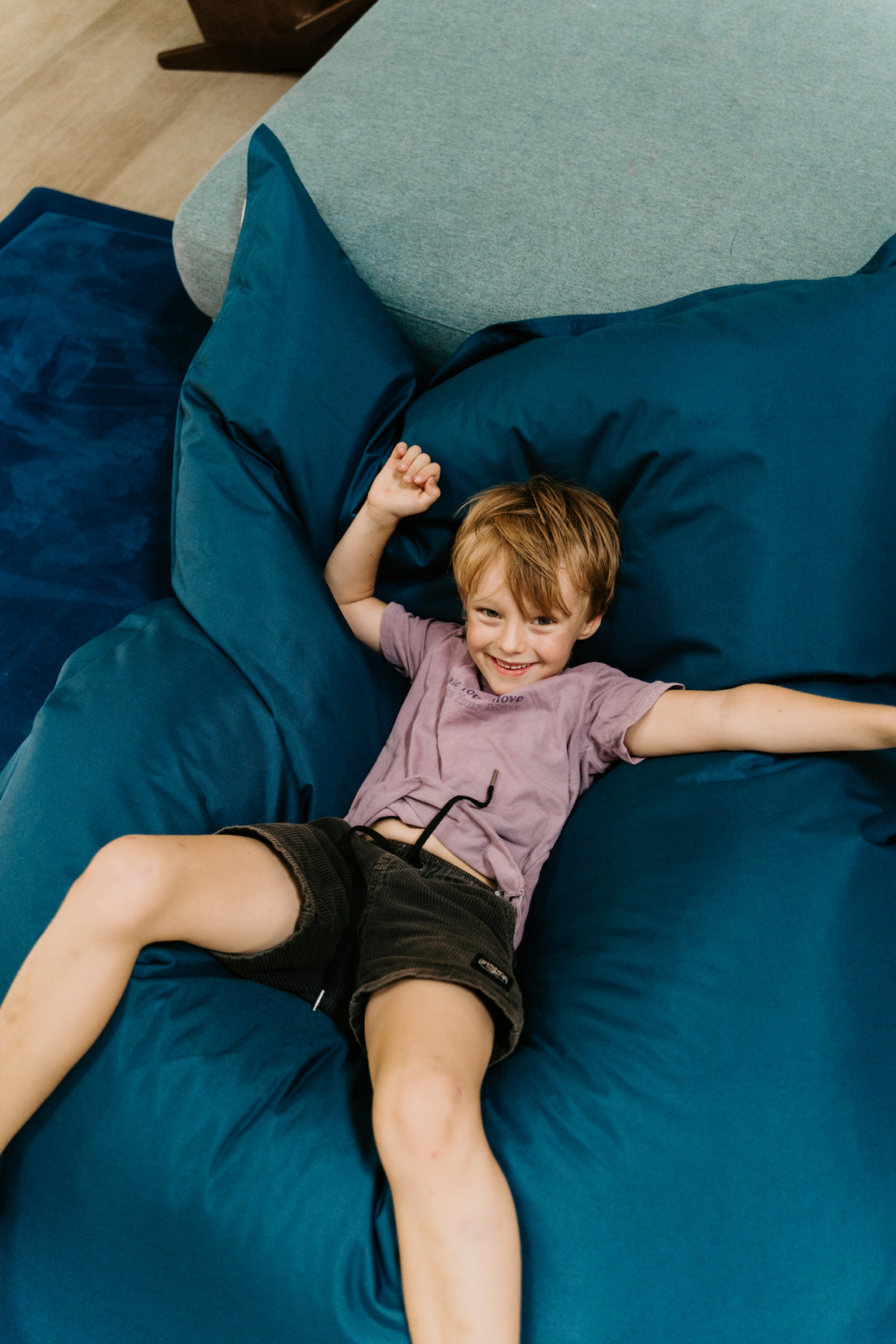
Playtime fun: Building forts, playing tug-of-war, or having a pillow fight.
Even something as simple as a warm hug or wrapping your child in a weighted blanket can provide comforting proprioceptive input.
A Success Story: Finding Joy in Movement
Jasmine shares a heartwarming story about a child who discovered a love for rock climbing. "This child found that the physical challenge and the focus required for climbing helped them feel more regulated and in tune with their body," she recounts. It's a beautiful example of how finding activities that spark joy can make a world of difference.
The Nervous System Connection: A Balancing Act
Proprioception has a powerful influence on your child's nervous system, which affects their emotional state. "Some children might be extra sensitive to proprioceptive input, and activities like rough-and-tumble play might make them feel overwhelmed," Jasmine notes. "Others might crave lots of movement and deep pressure to feel calm and focused."
Looking Ahead: Visualising Proprioception
Jasmine is passionate about making proprioception easier to understand. "I'm excited about creating visual resources, like videos, that use relatable examples to explain this important sense," she shares.
When to Seek Support
If you're concerned about your child's proprioceptive development, don't hesitate to reach out to a qualified occupational therapist or other healthcare professional. You can make an online booking with our team at The Play Projects for consults via Telehealth here. Early intervention can make a big difference in helping your child thrive.
Remember, every child is unique, and with the right support, they can develop a strong sense of body awareness and confidently explore the world around them.