With Speech Pathologists Aoife and Kate
When it comes to helping children develop their speech and language skills, many parents wonder if there's a "right" way to talk to their kids. The good news? You don't need a degree in speech pathology to make a real difference. Speech Pathologists Aoife and Kate from The Play Way Team sat down with us to share practical, research-backed strategies that fit naturally into everyday life.
Is there a right way to talk to kids?
"Yes, there is a right way to talk to kids to support their speech development," Aoife says. "But it's not complicated or overly formal. The key is to engage with them using simple, clear language, follow their interests, and give them time to respond."
Kate adds that conversations with children work best when they're natural, encouraging, and filled with opportunities to listen, take turns, and learn new words. "By creating a language-rich, supportive environment, children are more likely to develop strong communication skills," she explains.
How language difficulties might show up
For parents wondering whether their child might be facing challenges with speech development, Aoife and Kate offer some signs to watch for.
Difficulties with early language development might show up as a child speaking fewer words than expected for their age or struggling to form sentences. "You may notice they have trouble understanding simple instructions, communicating their needs, or interacting with others during play," Kate says.
Some children get frustrated when trying to express themselves, which can lead to tantrums or withdrawing from social situations. "When a child knows what they want to say but can't get the words out, or when they're not being understood, that frustration is completely understandable," Aoife adds.
Common misconceptions about speech development
There are quite a few misunderstandings about how children develop language, and Aoife and Kate are keen to clear them up.
"Late talking is just a phase"
"Many believe that children will naturally outgrow their language difficulties," Kate says. "While this is true for some children, we cannot predict who will and will not outgrow these challenges. Early intervention is therefore recommended to avoid further difficulties and to prevent the child from falling further behind."
"If a child has older siblings, they'll naturally catch up"
Although siblings can help, children with language difficulties often need focused, one-on-one interaction to develop their skills. "Siblings are wonderful for play and social learning, but they can't replace the targeted support some children need," Aoife explains.
"Bilingualism causes language difficulties"
"Being raised in a bilingual environment does not cause speech or language difficulties," Kate says. "Although a bilingual child may initially mix languages or take longer to separate them, this is a normal part of bilingual development."
"Parents need to correct every mistake"
Constantly correcting a child's speech can discourage them from speaking. "It's more effective to model correct language without pressuring them," Aoife says.
Practical strategies to support speech development
Aoife and Kate share straightforward approaches that parents can weave into daily life.
Follow the child's lead. Observe what the child is interested in and engage with them on that topic. "Wait for the child to initiate interaction before speaking or responding," Kate suggests. "Listen and respond with interest to what the child says or tries to communicate."
Face-to-face interactions. Get down to the child's level physically to show your interest and encourage their engagement. "Maintain close proximity during conversations to facilitate connection and language learning," Aoife says.
Use simple language. Use short, clear, and grammatically correct sentences. "Model language that is just slightly above the child's current level of language use to support their progress," Kate explains. "For example, if they use one word, model two-word combinations. If they can put two words together, model three-word combinations."
Repeat and expand on what the child says. Repeat what the child says to confirm understanding, then expand their speech by adding one or two words to build on what they've communicated. "If your child says 'car', you might say 'Yes, a big car'," Aoife suggests.
Encourage turn-taking. Engage the child in back-and-forth exchanges, even if they are nonverbal at first. "Pause and give the child time to respond, encouraging them to take their turn in the conversation," Kate says.
Use comments more than questions. Rather than asking questions that can put pressure on the child to respond, comment on what they are doing or what's happening around them. "Make comments that label objects, actions, or feelings to help build vocabulary and comprehension," Aoife explains.
Use gestures and visual supports. Use gestures, facial expressions, and visual cues like pointing to support understanding and communication. "Pair words with actions to enhance learning, especially for young children or those with language difficulties," Kate adds.
Be responsive. Respond immediately and positively to the child's attempts to communicate, even if it is nonverbal or incomplete speech. "Treat all attempts at communication as communication, no matter how small or imperfect," Aoife says. "If you don't understand what the child is saying, guess and interpret based on context. Show interest in the child's communication to encourage further attempts."
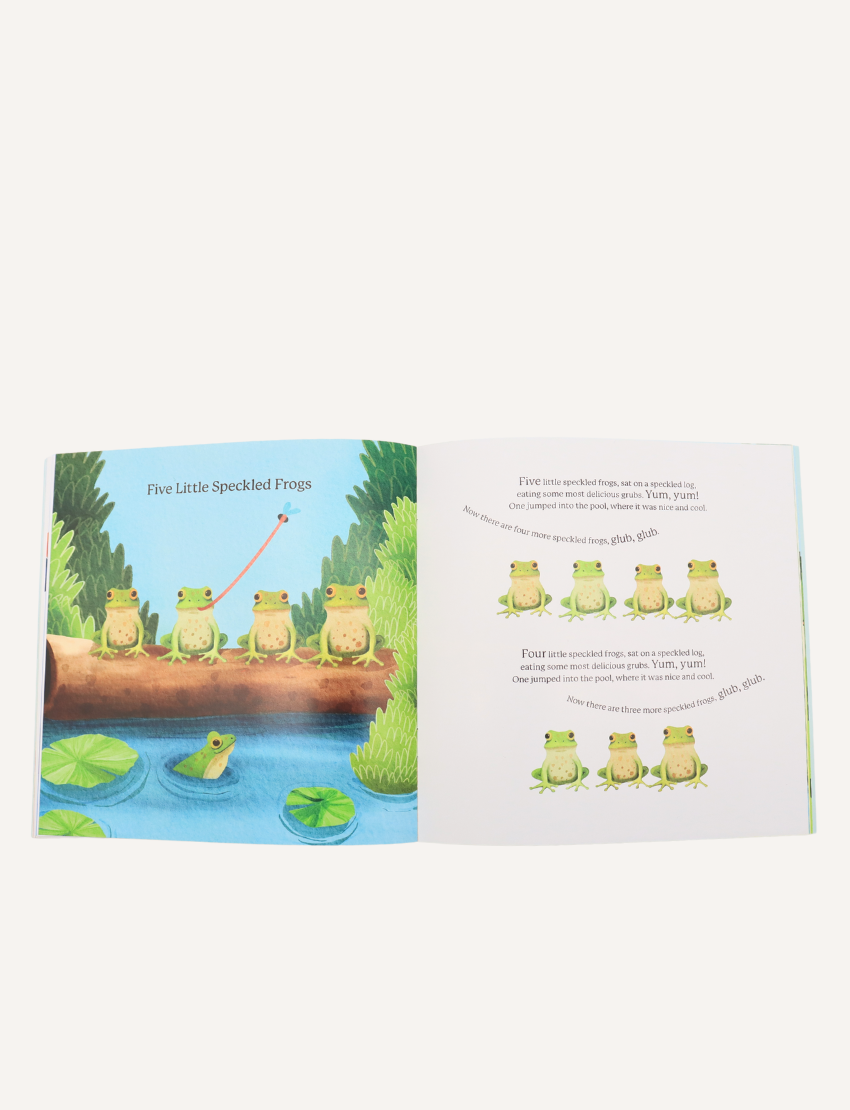
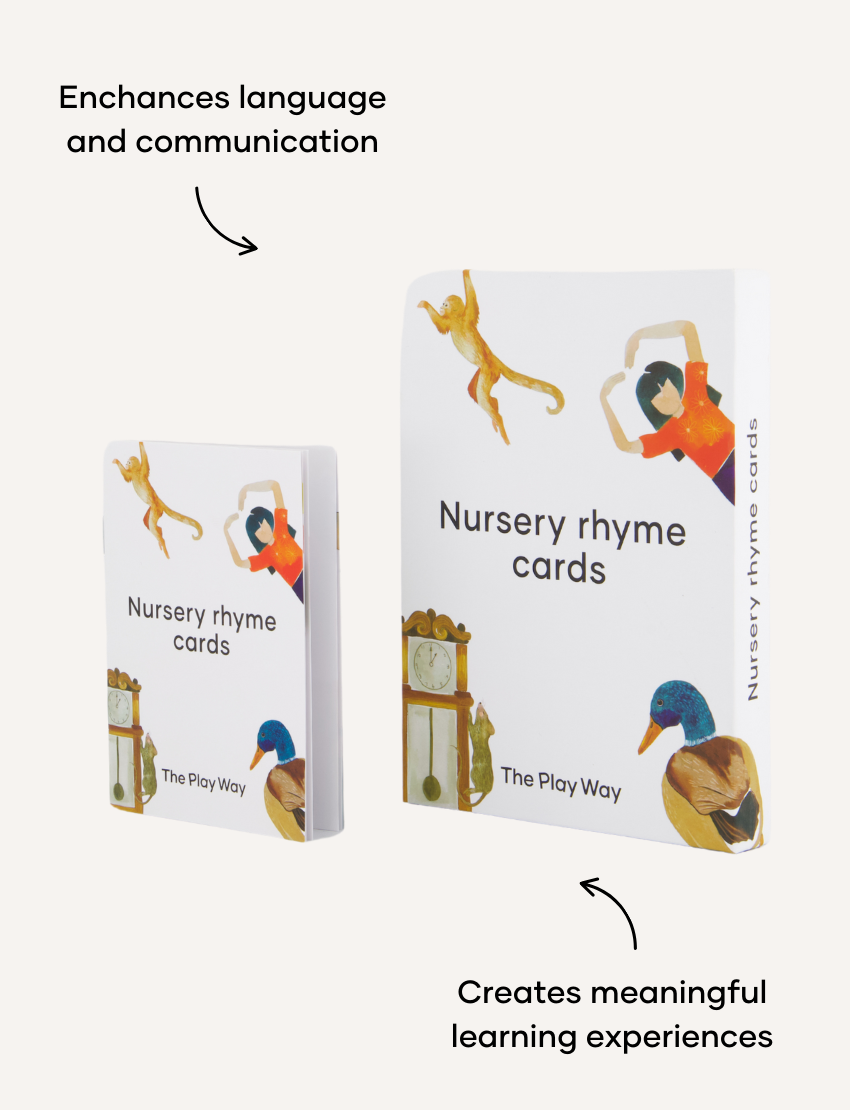
Create language-rich environments. Surround the child with opportunities to hear and use language throughout daily routines and play. "Use books, songs, and games that promote interaction and communication," Kate suggests.
Questions parents often ask
Is it normal for my child to not be talking much at this age?
Every child develops at their own pace, but if you have concerns, it's worth checking in with a speech pathologist who can assess whether your child's development is within the typical range.
When do I need to be concerned about my child's speech development?
If your child is significantly behind their peers in language use, has difficulty understanding simple instructions, or shows signs of frustration when trying to communicate, these are good reasons to seek professional advice.
How can I encourage my child to talk more?
Follow their interests, engage in back-and-forth conversations, and create opportunities for communication throughout the day. The strategies above are all great starting points.
Does using 'baby talk' or simplified language help or hinder development?
"Using simple language is helpful, but it needs to be grammatically correct," Aoife clarifies. "You want to model clear, proper language at a level just slightly above where your child is at."
Will a bilingual environment confuse my child or delay their speech?
"No, bilingualism does not cause language delays," Kate says. "It's actually incredibly beneficial for cognitive development."
Is my child's screen time affecting their speech development?
"Social interaction is key to language development," Kate explains. "Studies have shown that children learn language best through live interactions with caregivers, rather than passive exposure like watching videos or listening to recordings."
Will my child grow out of their speech or language delay on their own?
Some children do, but it's impossible to predict who will and who won't. Early support gives children the best chance at developing strong communication skills.
How long will therapy take to see improvement?
This varies significantly depending on the child and the nature of their difficulties. Your speech pathologist can give you a better sense of what to expect based on your child's individual needs.
Fascinating facts about language development
Here are some interesting things you might not know about how children develop speech and language:
Gestures are a key part of language development. Children often use gestures before they speak, and these nonverbal cues, like pointing or waving, are important early indicators of communication development.
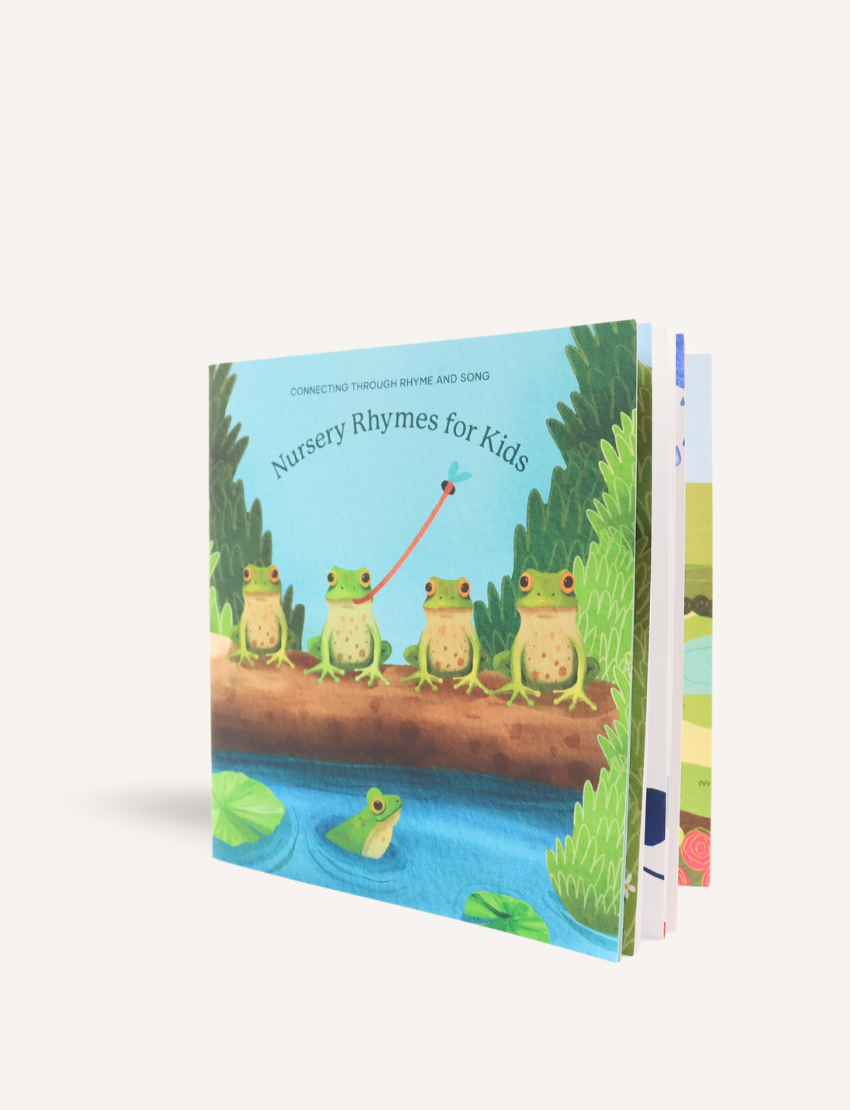
Music can aid language development. Singing songs and rhymes to children helps them learn rhythm, sounds, and patterns in language, which are important for speech and language development.
Reading to children boosts language and literacy. Research shows that children who are read to from an early age have larger vocabularies, better grammar, and more advanced literacy skills later in life.
Social interaction is crucial. Live, responsive interactions with caregivers are far more effective for language learning than any passive screen exposure.
For more expert advice on supporting your child's communication development, check out The Play Way app, where Aoife, Kate and the team share videos and resources on speech, language, and building strong communication skills from the earliest years.